
-
×
 Self-Managed Trading with Stochastics By George Lane
1 × $4.00
Self-Managed Trading with Stochastics By George Lane
1 × $4.00 -
×
 Options 101 - The Basics and Beyond Class A 5-Part Course with Don Kaufman
1 × $6.00
Options 101 - The Basics and Beyond Class A 5-Part Course with Don Kaufman
1 × $6.00 -
×
 Profit Trading VIX Options Course with Don Kaufman
1 × $6.00
Profit Trading VIX Options Course with Don Kaufman
1 × $6.00 -
×
 How I Day Trade Course with Traderade
1 × $15.00
How I Day Trade Course with Traderade
1 × $15.00 -
×
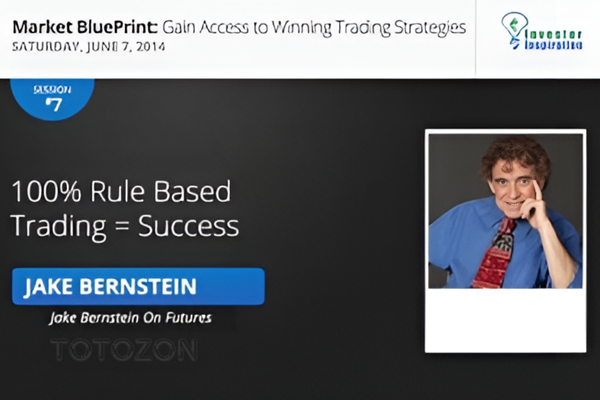 High Probability Patterns and Rule Based Trading with Jake Bernstein
1 × $6.00
High Probability Patterns and Rule Based Trading with Jake Bernstein
1 × $6.00 -
×
 The Practical Application of Fibonacci Analysis to Investment Markets
1 × $6.00
The Practical Application of Fibonacci Analysis to Investment Markets
1 × $6.00 -
×
 The Compleat Day Trader with Jake Bernstein
1 × $6.00
The Compleat Day Trader with Jake Bernstein
1 × $6.00 -
×
 Investing Smart. How to Pick Stocks with Investors Business Daily By Dhun H.Sethna
1 × $4.00
Investing Smart. How to Pick Stocks with Investors Business Daily By Dhun H.Sethna
1 × $4.00 -
×
 How to Value & Sell your Business with Andrew Heslop
1 × $6.00
How to Value & Sell your Business with Andrew Heslop
1 × $6.00 -
×
 The Mathematics of Money Management. Risk Analysis Techniques for Traders
1 × $6.00
The Mathematics of Money Management. Risk Analysis Techniques for Traders
1 × $6.00 -
×
 Simpler Options - Double Diagonals Class
1 × $6.00
Simpler Options - Double Diagonals Class
1 × $6.00 -
×
 Basic Options Course Cash Flow. Diversification. Flexibility with Michael Drew
1 × $6.00
Basic Options Course Cash Flow. Diversification. Flexibility with Michael Drew
1 × $6.00 -
×
 Technical Analysis By JC Parets - Investopedia Academy
1 × $15.00
Technical Analysis By JC Parets - Investopedia Academy
1 × $15.00 -
×
 FOREX Master Blueprint 2010 - 1 DVD + Manual with Forexmentor Frank Paul
1 × $6.00
FOREX Master Blueprint 2010 - 1 DVD + Manual with Forexmentor Frank Paul
1 × $6.00 -
×
 Mastermind Bootcamp + Core Concepts Mastery with DreamsFX
1 × $6.00
Mastermind Bootcamp + Core Concepts Mastery with DreamsFX
1 × $6.00 -
×
 Sacredscience - Edward Johndro – Collected Articles
1 × $6.00
Sacredscience - Edward Johndro – Collected Articles
1 × $6.00 -
×
 Developing Mindfulness: The Observer of Thought with Traders State Of Mind
1 × $6.00
Developing Mindfulness: The Observer of Thought with Traders State Of Mind
1 × $6.00 -
×
 Main Online Course with MadCharts
1 × $5.00
Main Online Course with MadCharts
1 × $5.00 -
×
 Pricing of Bond Options with Detlef Repplinger
1 × $6.00
Pricing of Bond Options with Detlef Repplinger
1 × $6.00 -
×
 Volatility Trading with Fractal Flow Pro
1 × $15.00
Volatility Trading with Fractal Flow Pro
1 × $15.00 -
×
 Trading Trainer - 6 Percent Protocol
1 × $39.00
Trading Trainer - 6 Percent Protocol
1 × $39.00 -
×
 Private Seminars
1 × $23.00
Private Seminars
1 × $23.00 -
×
 The Day Trader: From the Pit to the PC with Lewis Borsellino
1 × $6.00
The Day Trader: From the Pit to the PC with Lewis Borsellino
1 × $6.00 -
×
 How to Invest in ETFs By The Investors Podcast
1 × $6.00
How to Invest in ETFs By The Investors Podcast
1 × $6.00 -
×
 Master Class with Gerald Appel
1 × $6.00
Master Class with Gerald Appel
1 × $6.00 -
×
 Master The Markets 2.0 with French Trader
1 × $6.00
Master The Markets 2.0 with French Trader
1 × $6.00 -
×
 Short-Term Trading with Precision Timing - Jack Bernstein
1 × $6.00
Short-Term Trading with Precision Timing - Jack Bernstein
1 × $6.00 -
×
 Forecast 2024 Clarification with Larry Williams
1 × $15.00
Forecast 2024 Clarification with Larry Williams
1 × $15.00 -
×
 Foundations of Technical Analysis (Article) with Andrew W.Lo
1 × $6.00
Foundations of Technical Analysis (Article) with Andrew W.Lo
1 × $6.00 -
×
 Options Trading with Adam Grimes - MarketLife
1 × $5.00
Options Trading with Adam Grimes - MarketLife
1 × $5.00 -
×
 Small Account Growth Class – Strategies Course
1 × $23.00
Small Account Growth Class – Strategies Course
1 × $23.00 -
×
 Long-Term Memory in the Stock Market Prices (Article) with Andrew W.Lo
1 × $6.00
Long-Term Memory in the Stock Market Prices (Article) with Andrew W.Lo
1 × $6.00 -
×
 The Hindenburg Strategy with Todd Mitchell
1 × $23.00
The Hindenburg Strategy with Todd Mitchell
1 × $23.00 -
×
 Secrets of the Trading Pros with Jack Bouroudjan & Terrence Duffy
1 × $6.00
Secrets of the Trading Pros with Jack Bouroudjan & Terrence Duffy
1 × $6.00 -
×
 Natural Squares Calculator with Lambert-Gann Educators
1 × $6.00
Natural Squares Calculator with Lambert-Gann Educators
1 × $6.00 -
×
 Sacredscience - Sepharial Arcana – Rubber
1 × $6.00
Sacredscience - Sepharial Arcana – Rubber
1 × $6.00 -
×
 Simulating Continuous Fuzzy Systems with James Buckley & Leonard Jowers
1 × $6.00
Simulating Continuous Fuzzy Systems with James Buckley & Leonard Jowers
1 × $6.00 -
×
 Trading double Diagonals 2023 with Dan Sheridan - Sheridan Options Mentoring
1 × $39.00
Trading double Diagonals 2023 with Dan Sheridan - Sheridan Options Mentoring
1 × $39.00 -
×
 Ron Wagner - Creating a Profitable Trading & Investing Plan + Techniques to Perfect Your Intraday GAP
1 × $6.00
Ron Wagner - Creating a Profitable Trading & Investing Plan + Techniques to Perfect Your Intraday GAP
1 × $6.00 -
×
 WondaFX Signature Strategy with WondaFX
1 × $5.00
WondaFX Signature Strategy with WondaFX
1 × $5.00 -
×
 Street-Smart Chart Reading – Volume 2 – Digging Deeper with Donald G.Worden
1 × $6.00
Street-Smart Chart Reading – Volume 2 – Digging Deeper with Donald G.Worden
1 × $6.00 -
×
 The House Always Wins with jasonbondpicks
1 × $6.00
The House Always Wins with jasonbondpicks
1 × $6.00 -
×
 Traders Edge with Steven Dux
1 × $5.00
Traders Edge with Steven Dux
1 × $5.00 -
×
 The LP Trading Course
1 × $13.00
The LP Trading Course
1 × $13.00 -
×
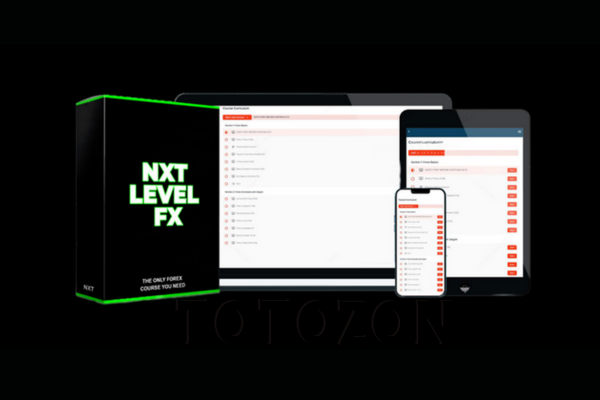 NXT Level FX with Investors Domain
1 × $5.00
NXT Level FX with Investors Domain
1 × $5.00 -
×
 Rockwell Day Trading - Starter Package
1 × $6.00
Rockwell Day Trading - Starter Package
1 × $6.00 -
×
 Mastering Collar Trades Pro with Vince Vora - TradingWins
1 × $6.00
Mastering Collar Trades Pro with Vince Vora - TradingWins
1 × $6.00 -
×
 GANNacci Code Elite + Training Course
1 × $31.00
GANNacci Code Elite + Training Course
1 × $31.00 -
×
 The C3PO Forex Trading Strategy with Jared Passey
1 × $4.00
The C3PO Forex Trading Strategy with Jared Passey
1 × $4.00 -
×
 TenfoldFX Academy Course with Kenneth John
1 × $17.00
TenfoldFX Academy Course with Kenneth John
1 × $17.00 -
×
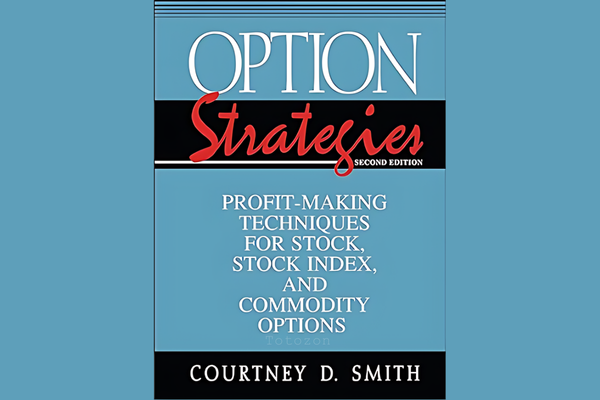 Option Strategies with Courtney Smith
1 × $6.00
Option Strategies with Courtney Smith
1 × $6.00 -
×
 Ultimate Trading Course with Dodgy's Dungeon
1 × $8.00
Ultimate Trading Course with Dodgy's Dungeon
1 × $8.00

Learn To Day-Trade the E-Mini S&P 500. Simple-as-123 with Marshall Jones
$6.00
File Size: Coming soon!
Delivery Time: 1–12 hours
Media Type: Online Course
Content Proof: Watch Here!
You may check content proof of “Learn To Day-Trade the E-Mini S&P 500. Simple-as-123 with Marshall Jones” below:

Learn To Day-Trade the E-Mini S&P 500: Simple-as-123 with Marshall Jones
Introduction to Day Trading the E-Mini S&P 500
Day trading the E-Mini S&P 500 futures can be a highly rewarding venture if approached with the right strategy and discipline. Marshall Jones, a seasoned day trader, simplifies the process into a straightforward approach known as Simple-as-123. This guide will walk you through the basics and provide actionable insights to help you start day trading the E-Mini S&P 500 successfully.
Who is Marshall Jones?
Experienced Day Trader
Marshall Jones is renowned in the trading community for his practical and simplified approach to day trading. His expertise spans years of navigating the financial markets and mentoring aspiring traders.
Educational Contributions
Jones has authored several courses and workshops aimed at demystifying the complexities of day trading. His Simple-as-123 method is a testament to his ability to break down intricate trading concepts into manageable steps.
Understanding the E-Mini S&P 500
What is the E-Mini S&P 500?
The E-Mini S&P 500 is a futures contract representing one-fifth of the value of the standard S&P 500 futures contract. It is traded on the Chicago Mercantile Exchange (CME) and is popular among day traders due to its liquidity and volatility.
Key Features
- High Liquidity: Ensures ease of entry and exit in trades.
- Volatility: Offers multiple trading opportunities throughout the day.
- Leverage: Allows traders to control a large contract value with a relatively small margin.
Why Trade the E-Mini S&P 500?
The E-Mini S&P 500 offers several advantages for day traders, including the ability to capitalize on short-term market movements, access to extended trading hours, and reduced capital requirements compared to other futures contracts.
The Simple-as-123 Method
Step 1: Preparation
Before diving into the market, preparation is key. This involves setting up your trading environment and ensuring you have the right tools.
Trading Setup
- Reliable Trading Platform: Choose a platform that offers real-time data and advanced charting tools.
- High-Speed Internet Connection: Ensure seamless and uninterrupted trading.
- Comfortable Workspace: Set up a distraction-free area dedicated to trading.
Step 2: Market Analysis
Effective day trading relies heavily on accurate market analysis. Marshall Jones emphasizes the importance of both technical and fundamental analysis.
Technical Analysis
- Candlestick Patterns: Recognize common patterns like Doji, Hammer, and Engulfing.
- Moving Averages: Use simple (SMA) and exponential (EMA) moving averages to identify trends.
- Indicators: Incorporate RSI and MACD to gauge market momentum and potential reversals.
Fundamental Analysis
- Economic Calendars: Track key economic events that could impact market volatility.
- News Analysis: Stay updated with the latest market news and reports.
Step 3: Executing Trades
With preparation and analysis in place, the next step is executing trades. Jones’ approach involves a disciplined entry and exit strategy to maximize profits and minimize losses.
Entry Strategies
- Breakout Strategy: Enter trades when the price breaks through significant support or resistance levels.
- Pullback Strategy: Enter trades during pullbacks in a prevailing trend to capture potential continuation moves.
Exit Strategies
- Profit Targets: Set realistic profit targets based on historical price movements and support/resistance levels.
- Stop-Loss Orders: Protect your capital by setting stop-loss orders to limit potential losses.
Risk Management Techniques
Importance of Risk Management
Risk management is crucial in day trading to preserve capital and ensure long-term success. Jones’ method includes several key risk management practices.
Position Sizing
- Fixed Percentage Rule: Risk a fixed percentage (e.g., 1-2%) of your trading capital on each trade.
Stop-Loss Orders
- Trailing Stop-Loss: Adjust your stop-loss order as the trade moves in your favor to lock in profits.
Diversification
- Multiple Contracts: Trade multiple contracts to spread risk and increase potential returns.
Developing a Trading Plan
Why a Trading Plan is Essential
A trading plan serves as a roadmap, guiding your decisions and helping you stay disciplined. It outlines your strategies, risk management rules, and goals.
Components of a Trading Plan
- Goals: Define your short-term and long-term trading objectives.
- Strategy: Detail your entry and exit strategies.
- Risk Management: Specify your risk tolerance and management techniques.
- Review Process: Establish a routine for reviewing and refining your plan.
Practical Tips for Success
Stay Disciplined
Discipline is critical in day trading. Stick to your trading plan and avoid impulsive decisions based on emotions.
Continuous Learning
The financial markets are constantly evolving. Stay updated with new strategies, market trends, and trading tools to maintain an edge.
Practice Patience
Patience is a virtue in day trading. Wait for high-probability setups and avoid overtrading.
Common Challenges and How to Overcome Them
Dealing with Losses
Losses are inevitable in trading. Learn from your mistakes and avoid letting them affect your trading psychology.
Managing Emotions
Fear and greed can cloud judgment. Stay calm and focused, and follow your trading plan.
Avoiding Overtrading
Overtrading can lead to increased costs and reduced profitability. Stick to your strategy and avoid unnecessary trades.
Conclusion
Day trading the E-Mini S&P 500 can be highly profitable when approached with the right strategy and mindset. Marshall Jones’ Simple-as-123 method provides a clear and structured approach to day trading, emphasizing preparation, analysis, and disciplined execution. By incorporating these principles and maintaining a solid risk management plan, traders can navigate the complexities of the market and achieve long-term success.
FAQs
1. What is the E-Mini S&P 500?
The E-Mini S&P 500 is a futures contract representing one-fifth of the value of the standard S&P 500 futures contract, popular among day traders for its liquidity and volatility.
2. Why is risk management important in day trading?
Risk management protects your capital by limiting potential losses, ensuring long-term success and sustainability in trading.
3. What are the key components of the Simple-as-123 method?
The Simple-as-123 method involves preparation, market analysis, and disciplined trade execution, combined with effective risk management.
4. How can I start day trading the E-Mini S&P 500?
Begin by setting up a reliable trading environment, conducting thorough market analysis, and following a structured trading plan with defined entry and exit strategies.
5. What are common challenges in day trading and how can they be overcome?
Common challenges include dealing with losses, managing emotions, and avoiding overtrading. Overcome these by staying disciplined, learning continuously, and following your trading plan.
Be the first to review “Learn To Day-Trade the E-Mini S&P 500. Simple-as-123 with Marshall Jones”
You must be logged in to post a review.
Related products

Forex Trading
Quantamentals – The Next Great Forefront Of Trading and Investing with Trading Markets
Original price was: $1,495.00.$8.00Current price is: $8.00.

Original price was: $497.00.$11.00Current price is: $11.00.

Original price was: $497.00.$31.00Current price is: $31.00.

Original price was: $450.00.$23.00Current price is: $23.00.

Original price was: $649.00.$20.00Current price is: $20.00.

Forex Trading
Original price was: $397.00.$31.00Current price is: $31.00.

Original price was: $1,200.00.$23.00Current price is: $23.00.

Forex Trading
Original price was: $125.00.$17.00Current price is: $17.00.

Original price was: $700.00.$39.00Current price is: $39.00.

Forex Trading
Original price was: $499.00.$15.00Current price is: $15.00.

Forex Trading
Original price was: $2,995.00.$31.00Current price is: $31.00.

Forex Trading
Original price was: $1,098.00.$39.00Current price is: $39.00.

Forex Trading
Original price was: $697.00.$5.00Current price is: $5.00.
Forex Trading
Original price was: $249.00.$15.00Current price is: $15.00.

Original price was: $2,120.00.$15.00Current price is: $15.00.

Original price was: $1,800.00.$54.00Current price is: $54.00.

Original price was: $310.00.$23.00Current price is: $23.00.

Forex Trading
Original price was: $2,000.00.$23.00Current price is: $23.00.

Forex Trading
Original price was: $999.00.$15.00Current price is: $15.00.

Original price was: $139.00.$23.00Current price is: $23.00.

Reviews
There are no reviews yet.