
-
×
 Crypto Trading Academy with Cheeky Investor - Aussie Day Trader
1 × $13.00
Crypto Trading Academy with Cheeky Investor - Aussie Day Trader
1 × $13.00 -
×
 SQX Mentorship with Tip Toe Hippo
1 × $23.00
SQX Mentorship with Tip Toe Hippo
1 × $23.00 -
×
 Fractal Flow Strategy Video Course with Fractal Flow Pro
1 × $6.00
Fractal Flow Strategy Video Course with Fractal Flow Pro
1 × $6.00 -
×
 Tom Williams Final Mentorship Course
1 × $6.00
Tom Williams Final Mentorship Course
1 × $6.00 -
×
 The A14 Weekly Option Strategy Workshop with Amy Meissner
1 × $23.00
The A14 Weekly Option Strategy Workshop with Amy Meissner
1 × $23.00 -
×
 How to Avoid Tax on Your Stock Market Profits with Lee Hadnum
1 × $6.00
How to Avoid Tax on Your Stock Market Profits with Lee Hadnum
1 × $6.00 -
×
 Financial Fortress with TradeSmart University
1 × $6.00
Financial Fortress with TradeSmart University
1 × $6.00 -
×
 Chart Pattern Profits
1 × $6.00
Chart Pattern Profits
1 × $6.00 -
×
 LBFX Academy Training Course
1 × $5.00
LBFX Academy Training Course
1 × $5.00 -
×
 Forty Cents for Financial Freedom with Darlene Nelson
1 × $6.00
Forty Cents for Financial Freedom with Darlene Nelson
1 × $6.00 -
×
 Order flow self-study training program with iMFtracker
1 × $10.00
Order flow self-study training program with iMFtracker
1 × $10.00 -
×
 Advanced Iron Condor Course in 2021
1 × $6.00
Advanced Iron Condor Course in 2021
1 × $6.00 -
×
 The Prop Trading Code with Brannigan Barrett - Axia Futures
1 × $23.00
The Prop Trading Code with Brannigan Barrett - Axia Futures
1 × $23.00 -
×
 Confessions of a Street Addict with James Cramer
1 × $6.00
Confessions of a Street Addict with James Cramer
1 × $6.00 -
×
 Rounded Bottom Breakout Multimedia Course
1 × $31.00
Rounded Bottom Breakout Multimedia Course
1 × $31.00 -
×
 7 Days Options Masters Course with John Carter
1 × $54.00
7 Days Options Masters Course with John Carter
1 × $54.00 -
×
 The Complete 32 Plus Hour Video Course Bundle with Rob Hoffman - Become a Better Trader
1 × $6.00
The Complete 32 Plus Hour Video Course Bundle with Rob Hoffman - Become a Better Trader
1 × $6.00 -
×
 Simulating Continuous Fuzzy Systems with James Buckley & Leonard Jowers
1 × $6.00
Simulating Continuous Fuzzy Systems with James Buckley & Leonard Jowers
1 × $6.00 -
×
 8 Strategies for Day Trading
1 × $31.00
8 Strategies for Day Trading
1 × $31.00 -
×
 The Orderflow Masterclass with PrimeTrading
1 × $17.00
The Orderflow Masterclass with PrimeTrading
1 × $17.00 -
×
 Daytrade (Italian) with Guiuseppe Migliorino
1 × $6.00
Daytrade (Italian) with Guiuseppe Migliorino
1 × $6.00 -
×
 Quantamentals - The Next Great Forefront Of Trading and Investing with Trading Markets
1 × $8.00
Quantamentals - The Next Great Forefront Of Trading and Investing with Trading Markets
1 × $8.00 -
×
 Advanced Spread Trading with Guy Bower - MasterClass Trader
1 × $15.00
Advanced Spread Trading with Guy Bower - MasterClass Trader
1 × $15.00 -
×
 Capital with Charles D.Ellis
1 × $6.00
Capital with Charles D.Ellis
1 × $6.00 -
×
 Secrets to Succesful Forex Trading Course with Jose Soto
1 × $6.00
Secrets to Succesful Forex Trading Course with Jose Soto
1 × $6.00 -
×
 The 80% Solution S&P Systems with Bruce Babcock
1 × $6.00
The 80% Solution S&P Systems with Bruce Babcock
1 × $6.00 -
×
 Million Dollar Stock Market Idea with Larry Williams
1 × $6.00
Million Dollar Stock Market Idea with Larry Williams
1 × $6.00 -
×
 The Michanics of Futures Trading - Roy Habben
1 × $6.00
The Michanics of Futures Trading - Roy Habben
1 × $6.00 -
×
 A Trader's Guide to Self-Discipline: Proven Techniques to Improve Trading Profits
1 × $6.00
A Trader's Guide to Self-Discipline: Proven Techniques to Improve Trading Profits
1 × $6.00 -
×
 Steve Jobs. The Greatest Second Act in the History of Business with Young Simon
1 × $6.00
Steve Jobs. The Greatest Second Act in the History of Business with Young Simon
1 × $6.00 -
×
 Scalp Strategy and Flipping Small Accounts with Opes Trading Group
1 × $5.00
Scalp Strategy and Flipping Small Accounts with Opes Trading Group
1 × $5.00 -
×
 The Random Character of Interest Rates with Joseph Murphy
1 × $6.00
The Random Character of Interest Rates with Joseph Murphy
1 × $6.00 -
×
 Market Neutral Strategies with Bruce I.Jacobs & Kenneth N.Levy
1 × $6.00
Market Neutral Strategies with Bruce I.Jacobs & Kenneth N.Levy
1 × $6.00 -
×
 Crystal Ball Pack PLUS bonus Live Trade By Pat Mitchell - Trick Trades
1 × $20.00
Crystal Ball Pack PLUS bonus Live Trade By Pat Mitchell - Trick Trades
1 × $20.00 -
×
 A Comparison of Popular Trading Systems (2nd Ed.) with Lars Kestner
1 × $6.00
A Comparison of Popular Trading Systems (2nd Ed.) with Lars Kestner
1 × $6.00 -
×
 Butterfly and Condor Workshop with Aeromir
1 × $15.00
Butterfly and Condor Workshop with Aeromir
1 × $15.00 -
×
 After Hour Trading Made Easy with Joe Duarte & Roland Burke
1 × $6.00
After Hour Trading Made Easy with Joe Duarte & Roland Burke
1 × $6.00 -
×
 Pentagonal Time Cycle Theory
1 × $6.00
Pentagonal Time Cycle Theory
1 × $6.00 -
×
 Practical Astro with Ruth Miller & Iam Williams
1 × $6.00
Practical Astro with Ruth Miller & Iam Williams
1 × $6.00 -
×
 Future DayTrading (German)
1 × $6.00
Future DayTrading (German)
1 × $6.00 -
×
 WondaFX Signature Strategy with WondaFX
1 × $5.00
WondaFX Signature Strategy with WondaFX
1 × $5.00 -
×
 Forecast 2012 Report with Larry Williams
1 × $6.00
Forecast 2012 Report with Larry Williams
1 × $6.00 -
×
 Hedge Funds for Dummies
1 × $6.00
Hedge Funds for Dummies
1 × $6.00 -
×
 Diary of an Internet Trader with Alpesh Patel
1 × $6.00
Diary of an Internet Trader with Alpesh Patel
1 × $6.00 -
×
 Trading Mindset, and Three Steps To Profitable Trading with Bruce Banks
1 × $6.00
Trading Mindset, and Three Steps To Profitable Trading with Bruce Banks
1 × $6.00 -
×
 The Insider's Guide to Forex Trading with Kathy Lien
1 × $6.00
The Insider's Guide to Forex Trading with Kathy Lien
1 × $6.00 -
×
 Investment Leadership & Portfolio Management with Brian Singer
1 × $6.00
Investment Leadership & Portfolio Management with Brian Singer
1 × $6.00 -
×
 You AreThe Indicator Online Course
1 × $31.00
You AreThe Indicator Online Course
1 × $31.00 -
×
 The Dynamic Trading Master Course with Robert Miner
1 × $54.00
The Dynamic Trading Master Course with Robert Miner
1 × $54.00 -
×
 Elite Gap Trading with Nick Santiago - InTheMoneyStocks
1 × $93.00
Elite Gap Trading with Nick Santiago - InTheMoneyStocks
1 × $93.00 -
×
 Algo Trading Masterclass with Ali Casey - StatOasis
1 × $23.00
Algo Trading Masterclass with Ali Casey - StatOasis
1 × $23.00 -
×
 Fractal Markets FX (SMC)
1 × $5.00
Fractal Markets FX (SMC)
1 × $5.00 -
×
 Larry Connors Professional Day Trading for Success Program
1 × $62.00
Larry Connors Professional Day Trading for Success Program
1 × $62.00 -
×
 White Phoenix’s The Smart (Money) Approach to Trading with Jayson Casper
1 × $39.00
White Phoenix’s The Smart (Money) Approach to Trading with Jayson Casper
1 × $39.00 -
×
 Best of the Best: Collars with Amy Meissner & Scott Ruble
1 × $15.00
Best of the Best: Collars with Amy Meissner & Scott Ruble
1 × $15.00 -
×
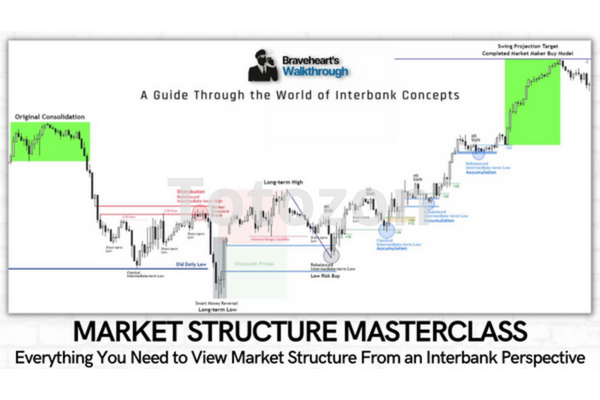 Market Structure Masterclass with Braveheart Trading
1 × $5.00
Market Structure Masterclass with Braveheart Trading
1 × $5.00 -
×
 War Room Psychology Vol. 4 with Pat Mitchell – Trick Trades
1 × $23.00
War Room Psychology Vol. 4 with Pat Mitchell – Trick Trades
1 × $23.00 -
×
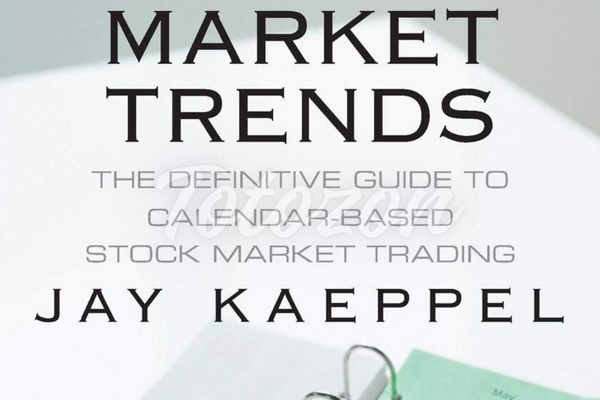 Seasonal Stock Market Trends: The Definitive Guide to Calendar‐Based Stock Market Trading with Jay Kaeppel
1 × $6.00
Seasonal Stock Market Trends: The Definitive Guide to Calendar‐Based Stock Market Trading with Jay Kaeppel
1 × $6.00 -
×
 Trading a Living Thing (Article) with David Bowden
1 × $6.00
Trading a Living Thing (Article) with David Bowden
1 × $6.00 -
×
 Construct & Trade a High Probability Trading System with John L.Person
1 × $6.00
Construct & Trade a High Probability Trading System with John L.Person
1 × $6.00 -
×
 Advanced Bond Trading Course
1 × $62.00
Advanced Bond Trading Course
1 × $62.00 -
×
 The Index Trading Course Workbook: Step-by-Step Exercises and Tests to Help You Master The Index Trading Course with George Fontanills & Tom Gentile
1 × $6.00
The Index Trading Course Workbook: Step-by-Step Exercises and Tests to Help You Master The Index Trading Course with George Fontanills & Tom Gentile
1 × $6.00 -
×
 Master Forex Fundamentals
1 × $15.00
Master Forex Fundamentals
1 × $15.00 -
×
 The Indices Orderflow Masterclass with The Forex Scalpers
1 × $23.00
The Indices Orderflow Masterclass with The Forex Scalpers
1 × $23.00 -
×
 How Do You See Risk? A Guide to Evaluating & Applying Technical Volatility Indicators class with Jeff Bierman
1 × $6.00
How Do You See Risk? A Guide to Evaluating & Applying Technical Volatility Indicators class with Jeff Bierman
1 × $6.00 -
×
 Money Attraction Bootcamp - Video + Audio + Workbook by Greg Habstritt
1 × $6.00
Money Attraction Bootcamp - Video + Audio + Workbook by Greg Habstritt
1 × $6.00 -
×
 Forex Trader Package 2010
1 × $15.00
Forex Trader Package 2010
1 × $15.00
Day One Trader with John Sussex
Original price was: $32.00.$6.00Current price is: $6.00.
File Size: Coming soon!
Delivery Time: 1–12 hours
Media Type: Online Course
Day One Trader with John Sussex
Introduction
Day trading is a fast-paced and exciting world that offers the potential for significant profits. John Sussex, a seasoned trader, shares his insights and strategies in “Day One Trader,” a guide for those looking to succeed in the day trading arena. This article explores the essential elements of day trading, providing practical advice to help you get started and thrive.
Understanding Day Trading
What is Day Trading?
Day trading involves buying and selling financial instruments within the same trading day. The goal is to capitalize on short-term price movements, with all positions closed before the market closes.
Why Day Trade?
Day trading can offer substantial returns, financial independence, and the thrill of the markets. However, it also requires a high level of skill, discipline, and risk management.
Getting Started with Day Trading
Setting Up Your Trading Account
Choose a reputable broker with low fees, reliable execution, and the necessary trading tools. Ensure your account is funded and ready for trading.
Required Tools and Software
Invest in a powerful computer, fast internet connection, and trading software with real-time data, charting capabilities, and order execution features.
Learning the Basics
Educate yourself on trading terminology, market mechanics, and the basic principles of day trading. Knowledge is your foundation for success.
Key Strategies in Day Trading
Scalping
Scalping involves making numerous small trades to capture minor price movements. It’s a fast-paced strategy that requires quick decision-making and execution.
Momentum Trading
Momentum trading focuses on stocks moving significantly in one direction, driven by high volume. Traders capitalize on the momentum before it fades.
Breakout Trading
Breakout trading involves identifying key support and resistance levels and entering trades when the price breaks through these levels, expecting continued movement.
Reversal Trading
Reversal trading seeks to profit from market reversals. Traders look for overbought or oversold conditions and trade in the opposite direction of the prevailing trend.
Technical Analysis Tools
Moving Averages
Moving averages smooth out price data to identify trends and potential entry/exit points. Common types include simple moving averages (SMA) and exponential moving averages (EMA).
Relative Strength Index (RSI)
The RSI measures the speed and change of price movements, indicating overbought or oversold conditions. Values above 70 suggest overbought, below 30 suggest oversold.
Bollinger Bands
Bollinger Bands consist of a moving average with two standard deviation lines above and below. They help identify volatility and potential reversal points.
Volume Indicators
Volume indicators show the strength of price movements. High volume during price increases suggests strong buying interest, while high volume during decreases suggests strong selling interest.
Risk Management
Setting Stop-Loss Orders
Always use stop-loss orders to limit potential losses. Determine your acceptable risk level and place stop-loss orders accordingly.
Position Sizing
Proper position sizing ensures that you don’t risk too much on a single trade. A common rule is to risk no more than 1-2% of your trading capital on any single trade.
Diversification
Diversify your trades across different assets or markets to spread risk. Avoid putting all your capital into a single trade or sector.
Psychological Aspects of Day Trading
Maintaining Discipline
Discipline is crucial in day trading. Stick to your trading plan, avoid impulsive decisions, and don’t let emotions drive your trades.
Handling Losses
Losses are part of trading. Accept them, learn from them, and move on. Maintaining a positive mindset is essential for long-term success.
Avoiding Overtrading
Overtrading can lead to unnecessary losses and increased stress. Stick to your strategy and avoid trading excessively out of boredom or frustration.
Developing a Trading Plan
Defining Your Goals
Set clear, achievable goals for your day trading activities. Know what you want to achieve, whether it’s a daily profit target or mastering a specific strategy.
Crafting Your Strategy
Develop a detailed trading strategy based on your research and preferences. Include entry and exit criteria, risk management rules, and your chosen trading techniques.
Backtesting Your Strategy
Before implementing your strategy in live markets, backtest it using historical data to see how it would have performed. Adjust as necessary based on your findings.
Practical Tips for Day Trading Success
Stay Informed
Keep up with market news, economic reports, and events that could impact your trades. Being informed helps you make better trading decisions.
Practice Patience
Wait for the right trading opportunities rather than forcing trades. Patience can significantly improve your success rate and profitability.
Continuous Learning
The markets are always evolving. Continuously educate yourself and adapt to new trends, techniques, and tools to stay ahead.
Joining Trading Communities
Engage with other traders through forums, social media, or local meetups. Sharing insights and experiences can enhance your trading knowledge and skills.
Conclusion
Day trading offers the potential for significant rewards but requires dedication, discipline, and a well-thought-out strategy. John Sussex‘s insights in “Day One Trader” provide a solid foundation for anyone looking to enter the world of day trading. By understanding the basics, developing a robust trading plan, and continuously learning, you can navigate the challenges of day trading and achieve success.
FAQs
1. What is the primary goal of day trading?
The primary goal of day trading is to profit from short-term price movements by buying and selling financial instruments within the same trading day.
2. What are some common day trading strategies?
Common strategies include scalping, momentum trading, breakout trading, and reversal trading.
3. How important is risk management in day trading?
Risk management is crucial. It involves setting stop-loss orders, proper position sizing, and diversifying trades to protect your capital.
4. What tools are essential for day trading?
Essential tools include a reliable trading platform, real-time data feeds, technical analysis tools, and a fast internet connection.
5. How can I stay disciplined in day trading?
Maintain discipline by sticking to your trading plan, managing your emotions, and avoiding impulsive decisions based on short-term market fluctuations.
Be the first to review “Day One Trader with John Sussex”
You must be logged in to post a review.
Related products

Original price was: $4,995.00.$15.00Current price is: $15.00.
Original price was: $1,200.00.$23.00Current price is: $23.00.
Original price was: $997.00.$13.00Current price is: $13.00.

Forex Trading
Original price was: $697.00.$5.00Current price is: $5.00.

Original price was: $1,849.00.$15.00Current price is: $15.00.
Forex Trading
Original price was: $125.00.$17.00Current price is: $17.00.

Forex Trading
Original price was: $850.00.$23.00Current price is: $23.00.

Original price was: $299.00.$8.00Current price is: $8.00.

Original price was: $695.00.$41.00Current price is: $41.00.

Forex Trading
Original price was: $397.00.$31.00Current price is: $31.00.

Original price was: $997.00.$8.00Current price is: $8.00.
Original price was: $799.00.$15.00Current price is: $15.00.

Forex Trading
Original price was: $999.00.$15.00Current price is: $15.00.

Original price was: $2,120.00.$15.00Current price is: $15.00.

Forex Trading
Original price was: $500.00.$5.00Current price is: $5.00.

Forex Trading
Original price was: $797.00.$10.00Current price is: $10.00.

Forex Trading
Original price was: $249.00.$15.00Current price is: $15.00.

Forex Trading
The Complete Guide to Multiple Time Frame Analysis & Reading Price Action with Aiman Almansoori
Original price was: $1,399.00.$13.00Current price is: $13.00.
Forex Trading
Original price was: $2,997.00.$23.00Current price is: $23.00.

Forex Trading
Original price was: $499.00.$15.00Current price is: $15.00.
Reviews
There are no reviews yet.