
-
×
 Candlestick Trading for Maximum Profitsn with B.M.Davis
1 × $6.00
Candlestick Trading for Maximum Profitsn with B.M.Davis
1 × $6.00 -
×
 How To Read The Market Professionally with TradeSmart
1 × $27.00
How To Read The Market Professionally with TradeSmart
1 × $27.00 -
×
 Trading Earnings Formula Class with Don Kaufman
1 × $6.00
Trading Earnings Formula Class with Don Kaufman
1 × $6.00 -
×
 Metastock Online Traders Summit
1 × $5.00
Metastock Online Traders Summit
1 × $5.00 -
×
 Advances in International Investments: Traditional and Alternative Approaches with Hung-Gay Fung, Xiaoqing Eleanor Xu & Jot Yau
1 × $6.00
Advances in International Investments: Traditional and Alternative Approaches with Hung-Gay Fung, Xiaoqing Eleanor Xu & Jot Yau
1 × $6.00 -
×
 Power FX Xtreme BuySell EA
1 × $23.00
Power FX Xtreme BuySell EA
1 × $23.00 -
×
 Build Your Own Trading System with John Hill
1 × $6.00
Build Your Own Trading System with John Hill
1 × $6.00 -
×
 The Inve$tment A$trology Articles with Alan Richter
1 × $6.00
The Inve$tment A$trology Articles with Alan Richter
1 × $6.00 -
×
 Emini Day Trading Boot Camp - Base Camp Trading
1 × $6.00
Emini Day Trading Boot Camp - Base Camp Trading
1 × $6.00 -
×
 The Complete Guide to Market Breadth Indicators: How to Analyze and Evaluate market Direction and Strength - Greg Morris
1 × $6.00
The Complete Guide to Market Breadth Indicators: How to Analyze and Evaluate market Direction and Strength - Greg Morris
1 × $6.00 -
×
 Mapping the Markets: A Guide to Stock Market Analysis with Deborah Owen & Robin Griffiths
1 × $6.00
Mapping the Markets: A Guide to Stock Market Analysis with Deborah Owen & Robin Griffiths
1 × $6.00 -
×
 Optionetics 2007 - Home Study Course, MP3
1 × $6.00
Optionetics 2007 - Home Study Course, MP3
1 × $6.00 -
×
 Sovereign Man Confidential
1 × $6.00
Sovereign Man Confidential
1 × $6.00 -
×
 More on the Short Cycles of Interest Rates (Article) with Arie Melnik, Alan Kraus
1 × $6.00
More on the Short Cycles of Interest Rates (Article) with Arie Melnik, Alan Kraus
1 × $6.00 -
×
 Trade Options Like a DPM with The Admiral Webinar Series with Hamzei Analytics
1 × $6.00
Trade Options Like a DPM with The Admiral Webinar Series with Hamzei Analytics
1 × $6.00 -
×
 Crypto Trading Academy with Cheeky Investor - Aussie Day Trader
1 × $13.00
Crypto Trading Academy with Cheeky Investor - Aussie Day Trader
1 × $13.00 -
×
 SQX Mentorship with Tip Toe Hippo
1 × $23.00
SQX Mentorship with Tip Toe Hippo
1 × $23.00 -
×
 Advanced Forex Mastery Course with Alpha Forex Global
1 × $5.00
Advanced Forex Mastery Course with Alpha Forex Global
1 × $5.00 -
×
 Simulating Continuous Fuzzy Systems with James Buckley & Leonard Jowers
1 × $6.00
Simulating Continuous Fuzzy Systems with James Buckley & Leonard Jowers
1 × $6.00 -
×
 Naked Trading Part 1 with Base Camp Trading
1 × $6.00
Naked Trading Part 1 with Base Camp Trading
1 × $6.00 -
×
 Opening Price Principle: Best Kept Secret on Wall Street - Larry Pesavento & Peggy MacKay
1 × $6.00
Opening Price Principle: Best Kept Secret on Wall Street - Larry Pesavento & Peggy MacKay
1 × $6.00 -
×
 Learn To Fish Part II - Generating Consistent Income Through Day Trading with Daniel
1 × $6.00
Learn To Fish Part II - Generating Consistent Income Through Day Trading with Daniel
1 × $6.00 -
×
 A Convicted Stock Manipulators Guide to Investing with Marino Specogna
1 × $6.00
A Convicted Stock Manipulators Guide to Investing with Marino Specogna
1 × $6.00 -
×
 The Best Option Trading Course with David Jaffee - Best Stock Strategy
1 × $15.00
The Best Option Trading Course with David Jaffee - Best Stock Strategy
1 × $15.00 -
×
 Profit Trading VIX Options Course with Don Kaufman
1 × $6.00
Profit Trading VIX Options Course with Don Kaufman
1 × $6.00 -
×
 Volatility Trading with Fractal Flow Pro
1 × $15.00
Volatility Trading with Fractal Flow Pro
1 × $15.00 -
×
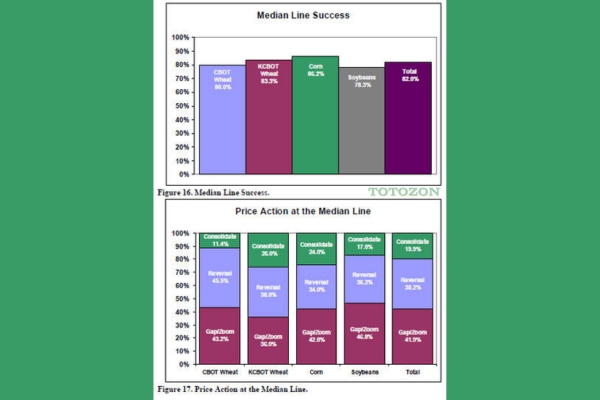 Using Median Lines as a Trading Tool with Greg Fisher
1 × $6.00
Using Median Lines as a Trading Tool with Greg Fisher
1 × $6.00 -
×
 Portfolio Optimization & Perfomance Analysis with Jean-Luc Prigent
1 × $6.00
Portfolio Optimization & Perfomance Analysis with Jean-Luc Prigent
1 × $6.00 -
×
 Dominate Stocks (Swing Trading) 2023 with J. Bravo
1 × $5.00
Dominate Stocks (Swing Trading) 2023 with J. Bravo
1 × $5.00 -
×
 How to Call the Top in a Stock (To the Penny!) and Earn 9-11% Annualized Cash Yields Doing It with Dan Ferris
1 × $6.00
How to Call the Top in a Stock (To the Penny!) and Earn 9-11% Annualized Cash Yields Doing It with Dan Ferris
1 × $6.00 -
×
 Gillen Predicts with Jack Gillen
1 × $6.00
Gillen Predicts with Jack Gillen
1 × $6.00 -
×
 Better Trading with the Guppy Multiple Moving Average by Daryl Guppy
1 × $6.00
Better Trading with the Guppy Multiple Moving Average by Daryl Guppy
1 × $6.00 -
×
 How to Use Gann Techniques to Implement a Trading System
1 × $6.00
How to Use Gann Techniques to Implement a Trading System
1 × $6.00 -
×
 Best of the Best: Collars with Amy Meissner & Scott Ruble
1 × $15.00
Best of the Best: Collars with Amy Meissner & Scott Ruble
1 × $15.00 -
×
 High Rollers Mega Course Bundle - 13 Market Moves
1 × $39.00
High Rollers Mega Course Bundle - 13 Market Moves
1 × $39.00 -
×
 The Complete Guide to Multiple Time Frame Analysis & Reading Price Action with Aiman Almansoori
1 × $13.00
The Complete Guide to Multiple Time Frame Analysis & Reading Price Action with Aiman Almansoori
1 × $13.00 -
×
 Professional Level Trading (IPLT) Online Video Series with Anton Kreil
1 × $6.00
Professional Level Trading (IPLT) Online Video Series with Anton Kreil
1 × $6.00 -
×
 The Indices Orderflow Masterclass with The Forex Scalpers
1 × $23.00
The Indices Orderflow Masterclass with The Forex Scalpers
1 × $23.00 -
×
 Candlestick Secrets For Profiting In Options
1 × $23.00
Candlestick Secrets For Profiting In Options
1 × $23.00 -
×
 D.A.T.E. Unlock Your Trading DNA Worskshop with Geoff Bysshe
1 × $6.00
D.A.T.E. Unlock Your Trading DNA Worskshop with Geoff Bysshe
1 × $6.00 -
×
 System Building Masterclass
1 × $31.00
System Building Masterclass
1 × $31.00 -
×
 Floor Trader Tools 8.2 with Roy Kelly
1 × $6.00
Floor Trader Tools 8.2 with Roy Kelly
1 × $6.00 -
×
 How to Value & Sell your Business with Andrew Heslop
1 × $6.00
How to Value & Sell your Business with Andrew Heslop
1 × $6.00 -
×
 The Logical Trader: Applying a Method to the Madness with Mark Fisher
1 × $6.00
The Logical Trader: Applying a Method to the Madness with Mark Fisher
1 × $6.00 -
×
 White Phoenix’s The Smart (Money) Approach to Trading with Jayson Casper
1 × $39.00
White Phoenix’s The Smart (Money) Approach to Trading with Jayson Casper
1 × $39.00 -
×
 F.A.M.E. Home Study Course with Doug Sutton
1 × $6.00
F.A.M.E. Home Study Course with Doug Sutton
1 × $6.00 -
×
 Inner Circle Course with Darius Fx
1 × $24.00
Inner Circle Course with Darius Fx
1 × $24.00 -
×
 TRADING NFX Course with Andrew NFX
1 × $5.00
TRADING NFX Course with Andrew NFX
1 × $5.00 -
×
 Traders Forge with Ryan Litchfield
1 × $6.00
Traders Forge with Ryan Litchfield
1 × $6.00 -
×
 BD FX Course with FX Learning
1 × $6.00
BD FX Course with FX Learning
1 × $6.00 -
×
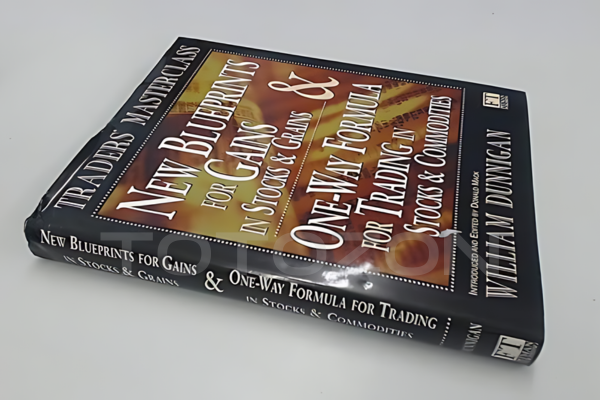 New Blueprints for Gains in Stocks and Grains & One-Way Formula for Trading in Stocks and Commodities (Traders' Masterclass) - William Dunnigan
1 × $6.00
New Blueprints for Gains in Stocks and Grains & One-Way Formula for Trading in Stocks and Commodities (Traders' Masterclass) - William Dunnigan
1 × $6.00 -
×
 SE ELITE COURSE with SE TRADINGX
1 × $5.00
SE ELITE COURSE with SE TRADINGX
1 × $5.00 -
×
 Trading a Living Thing (Article) with David Bowden
1 × $6.00
Trading a Living Thing (Article) with David Bowden
1 × $6.00 -
×
 The Orderflows Trade Opportunities Encyclopedia with Michael Valtos
1 × $8.00
The Orderflows Trade Opportunities Encyclopedia with Michael Valtos
1 × $8.00 -
×
 Forex Robotron (Unlocked)
1 × $6.00
Forex Robotron (Unlocked)
1 × $6.00 -
×
 Inefficient Markets with Andrei Shleifer
1 × $6.00
Inefficient Markets with Andrei Shleifer
1 × $6.00 -
×
 Quantamentals - The Next Great Forefront Of Trading and Investing with Trading Markets
1 × $8.00
Quantamentals - The Next Great Forefront Of Trading and Investing with Trading Markets
1 × $8.00
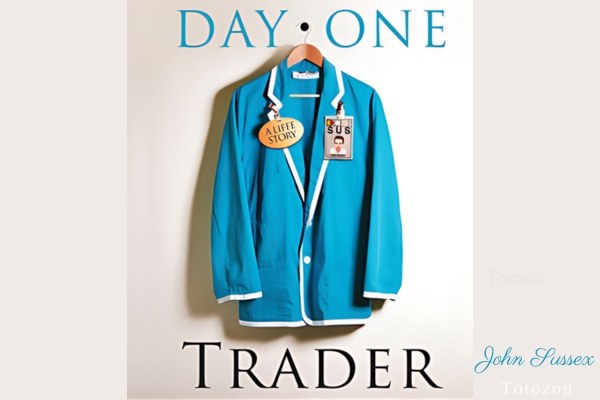
Day One Trader with John Sussex
Original price was: $32.00.$6.00Current price is: $6.00.
File Size: Coming soon!
Delivery Time: 1–12 hours
Media Type: Online Course
Day One Trader with John Sussex
Introduction
Day trading is a fast-paced and exciting world that offers the potential for significant profits. John Sussex, a seasoned trader, shares his insights and strategies in “Day One Trader,” a guide for those looking to succeed in the day trading arena. This article explores the essential elements of day trading, providing practical advice to help you get started and thrive.
Understanding Day Trading
What is Day Trading?
Day trading involves buying and selling financial instruments within the same trading day. The goal is to capitalize on short-term price movements, with all positions closed before the market closes.
Why Day Trade?
Day trading can offer substantial returns, financial independence, and the thrill of the markets. However, it also requires a high level of skill, discipline, and risk management.
Getting Started with Day Trading
Setting Up Your Trading Account
Choose a reputable broker with low fees, reliable execution, and the necessary trading tools. Ensure your account is funded and ready for trading.
Required Tools and Software
Invest in a powerful computer, fast internet connection, and trading software with real-time data, charting capabilities, and order execution features.
Learning the Basics
Educate yourself on trading terminology, market mechanics, and the basic principles of day trading. Knowledge is your foundation for success.
Key Strategies in Day Trading
Scalping
Scalping involves making numerous small trades to capture minor price movements. It’s a fast-paced strategy that requires quick decision-making and execution.
Momentum Trading
Momentum trading focuses on stocks moving significantly in one direction, driven by high volume. Traders capitalize on the momentum before it fades.
Breakout Trading
Breakout trading involves identifying key support and resistance levels and entering trades when the price breaks through these levels, expecting continued movement.
Reversal Trading
Reversal trading seeks to profit from market reversals. Traders look for overbought or oversold conditions and trade in the opposite direction of the prevailing trend.
Technical Analysis Tools
Moving Averages
Moving averages smooth out price data to identify trends and potential entry/exit points. Common types include simple moving averages (SMA) and exponential moving averages (EMA).
Relative Strength Index (RSI)
The RSI measures the speed and change of price movements, indicating overbought or oversold conditions. Values above 70 suggest overbought, below 30 suggest oversold.
Bollinger Bands
Bollinger Bands consist of a moving average with two standard deviation lines above and below. They help identify volatility and potential reversal points.
Volume Indicators
Volume indicators show the strength of price movements. High volume during price increases suggests strong buying interest, while high volume during decreases suggests strong selling interest.
Risk Management
Setting Stop-Loss Orders
Always use stop-loss orders to limit potential losses. Determine your acceptable risk level and place stop-loss orders accordingly.
Position Sizing
Proper position sizing ensures that you don’t risk too much on a single trade. A common rule is to risk no more than 1-2% of your trading capital on any single trade.
Diversification
Diversify your trades across different assets or markets to spread risk. Avoid putting all your capital into a single trade or sector.
Psychological Aspects of Day Trading
Maintaining Discipline
Discipline is crucial in day trading. Stick to your trading plan, avoid impulsive decisions, and don’t let emotions drive your trades.
Handling Losses
Losses are part of trading. Accept them, learn from them, and move on. Maintaining a positive mindset is essential for long-term success.
Avoiding Overtrading
Overtrading can lead to unnecessary losses and increased stress. Stick to your strategy and avoid trading excessively out of boredom or frustration.
Developing a Trading Plan
Defining Your Goals
Set clear, achievable goals for your day trading activities. Know what you want to achieve, whether it’s a daily profit target or mastering a specific strategy.
Crafting Your Strategy
Develop a detailed trading strategy based on your research and preferences. Include entry and exit criteria, risk management rules, and your chosen trading techniques.
Backtesting Your Strategy
Before implementing your strategy in live markets, backtest it using historical data to see how it would have performed. Adjust as necessary based on your findings.
Practical Tips for Day Trading Success
Stay Informed
Keep up with market news, economic reports, and events that could impact your trades. Being informed helps you make better trading decisions.
Practice Patience
Wait for the right trading opportunities rather than forcing trades. Patience can significantly improve your success rate and profitability.
Continuous Learning
The markets are always evolving. Continuously educate yourself and adapt to new trends, techniques, and tools to stay ahead.
Joining Trading Communities
Engage with other traders through forums, social media, or local meetups. Sharing insights and experiences can enhance your trading knowledge and skills.
Conclusion
Day trading offers the potential for significant rewards but requires dedication, discipline, and a well-thought-out strategy. John Sussex‘s insights in “Day One Trader” provide a solid foundation for anyone looking to enter the world of day trading. By understanding the basics, developing a robust trading plan, and continuously learning, you can navigate the challenges of day trading and achieve success.
FAQs
1. What is the primary goal of day trading?
The primary goal of day trading is to profit from short-term price movements by buying and selling financial instruments within the same trading day.
2. What are some common day trading strategies?
Common strategies include scalping, momentum trading, breakout trading, and reversal trading.
3. How important is risk management in day trading?
Risk management is crucial. It involves setting stop-loss orders, proper position sizing, and diversifying trades to protect your capital.
4. What tools are essential for day trading?
Essential tools include a reliable trading platform, real-time data feeds, technical analysis tools, and a fast internet connection.
5. How can I stay disciplined in day trading?
Maintain discipline by sticking to your trading plan, managing your emotions, and avoiding impulsive decisions based on short-term market fluctuations.
Be the first to review “Day One Trader with John Sussex”
You must be logged in to post a review.
Related products
Forex Trading
Original price was: $500.00.$5.00Current price is: $5.00.
Forex Trading
Quantamentals – The Next Great Forefront Of Trading and Investing with Trading Markets
Original price was: $1,495.00.$8.00Current price is: $8.00.

Forex Trading
Original price was: $499.00.$15.00Current price is: $15.00.

Forex Trading
Original price was: $1,898.00.$10.00Current price is: $10.00.

Original price was: $695.00.$41.00Current price is: $41.00.
Original price was: $799.00.$15.00Current price is: $15.00.

Original price was: $895.00.$15.00Current price is: $15.00.

Forex Trading
Original price was: $239.00.$8.00Current price is: $8.00.

Original price was: $197.00.$5.00Current price is: $5.00.
Forex Trading
Original price was: $2,997.00.$23.00Current price is: $23.00.

Original price was: $1,800.00.$54.00Current price is: $54.00.

Original price was: $649.00.$20.00Current price is: $20.00.

Forex Trading
Original price was: $125.00.$17.00Current price is: $17.00.

Original price was: $999.00.$5.00Current price is: $5.00.
Forex Trading
The Complete Guide to Multiple Time Frame Analysis & Reading Price Action with Aiman Almansoori
Original price was: $1,399.00.$13.00Current price is: $13.00.
Original price was: $700.00.$39.00Current price is: $39.00.

Original price was: $2,120.00.$15.00Current price is: $15.00.

Forex Trading
Original price was: $550.00.$5.00Current price is: $5.00.

Original price was: $497.00.$31.00Current price is: $31.00.

Original price was: $139.00.$23.00Current price is: $23.00.
Reviews
There are no reviews yet.