
-
×
 Sell Premium & Minimize Risk Class with Don Kaufman
1 × $6.00
Sell Premium & Minimize Risk Class with Don Kaufman
1 × $6.00 -
×
 Simpler Options - Double Diagonals Class
1 × $6.00
Simpler Options - Double Diagonals Class
1 × $6.00 -
×
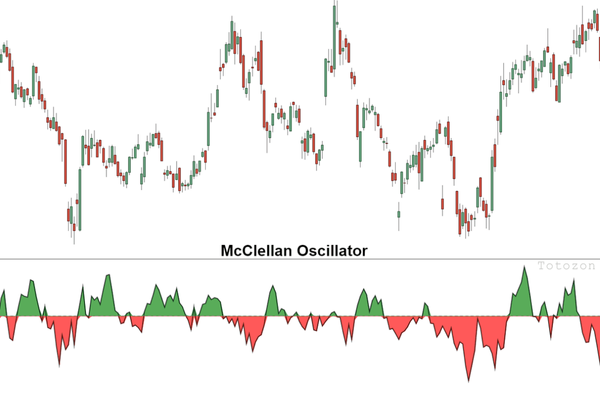 The McClellan Oscillator and Other Tools for with Tom McClellan
1 × $6.00
The McClellan Oscillator and Other Tools for with Tom McClellan
1 × $6.00 -
×
 Traders Edge with Steven Dux
1 × $5.00
Traders Edge with Steven Dux
1 × $5.00 -
×
 Game Plan of a Winning Trader with Mike Podwojski & Vic Noble
1 × $6.00
Game Plan of a Winning Trader with Mike Podwojski & Vic Noble
1 × $6.00 -
×
 Gann Masters II with Hallikers Inc
1 × $6.00
Gann Masters II with Hallikers Inc
1 × $6.00 -
×
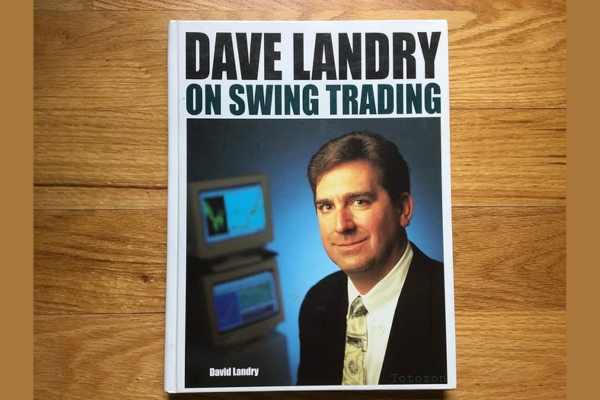 David Landry On Swing Trading
1 × $6.00
David Landry On Swing Trading
1 × $6.00 -
×
 Stock Market Rules (2nd Ed.) with Michael Sheimo
1 × $6.00
Stock Market Rules (2nd Ed.) with Michael Sheimo
1 × $6.00 -
×
 Mastering Risk Modeling with Excel by Alastair Day
1 × $6.00
Mastering Risk Modeling with Excel by Alastair Day
1 × $6.00 -
×
 RiskDoctor RD2 – Intermediate Course to Options Trading the RiskDoctor Way - Charles Cottle
1 × $6.00
RiskDoctor RD2 – Intermediate Course to Options Trading the RiskDoctor Way - Charles Cottle
1 × $6.00 -
×
 Derivates Demystified
1 × $6.00
Derivates Demystified
1 × $6.00 -
×
 Pristine - Oliver Velez – Swing Trading Tactics 2001
1 × $6.00
Pristine - Oliver Velez – Swing Trading Tactics 2001
1 × $6.00 -
×
 IncomeMAX Spreads and Straddles with Hari Swaminathan
1 × $15.00
IncomeMAX Spreads and Straddles with Hari Swaminathan
1 × $15.00 -
×
 Slapped by the Invisible Hand: The Panic of 2007 with Gary Gorton
1 × $6.00
Slapped by the Invisible Hand: The Panic of 2007 with Gary Gorton
1 × $6.00 -
×
 Trader University Course
1 × $5.00
Trader University Course
1 × $5.00 -
×
 Get to know the VIX Index (aka The Fear Index)
1 × $15.00
Get to know the VIX Index (aka The Fear Index)
1 × $15.00 -
×
 Pattern, Price & Time: Using Gann Theory in Trading Systems (1st Edition) with James Hyerczyk
1 × $6.00
Pattern, Price & Time: Using Gann Theory in Trading Systems (1st Edition) with James Hyerczyk
1 × $6.00 -
×
 Come Into My Trading Room: A Complete Guide to Trading with Alexander Elder
1 × $6.00
Come Into My Trading Room: A Complete Guide to Trading with Alexander Elder
1 × $6.00 -
×
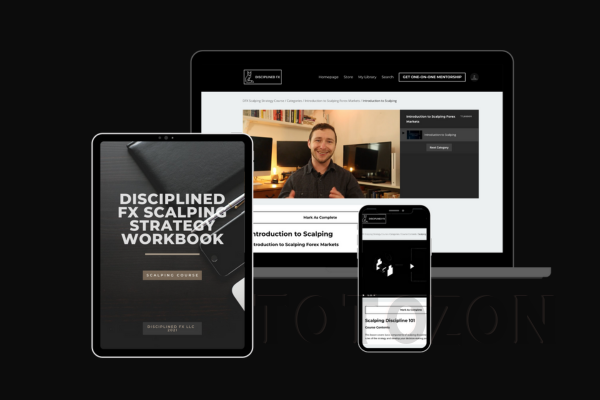 DFX Scalping Strategy Course with Disciplined FX
1 × $23.00
DFX Scalping Strategy Course with Disciplined FX
1 × $23.00 -
×
 Advanced Options Trading: Approaches, Tools, and Techniques for Professionals Traders with Kevin Kraus
1 × $6.00
Advanced Options Trading: Approaches, Tools, and Techniques for Professionals Traders with Kevin Kraus
1 × $6.00 -
×
 The Psychology of Investing with John Nofsinger
1 × $6.00
The Psychology of Investing with John Nofsinger
1 × $6.00 -
×
 TradeCraft: Your Path to Peak Performance Trading By Adam Grimes
1 × $15.00
TradeCraft: Your Path to Peak Performance Trading By Adam Grimes
1 × $15.00 -
×
 Square The Range Trading System with Michael Jenkins
1 × $6.00
Square The Range Trading System with Michael Jenkins
1 × $6.00 -
×
 Charting the Major Forex Pairs: Focus on Major Currencies with James Bickford
1 × $6.00
Charting the Major Forex Pairs: Focus on Major Currencies with James Bickford
1 × $6.00 -
×
 Price Action Trading Manual 2010
1 × $6.00
Price Action Trading Manual 2010
1 × $6.00 -
×
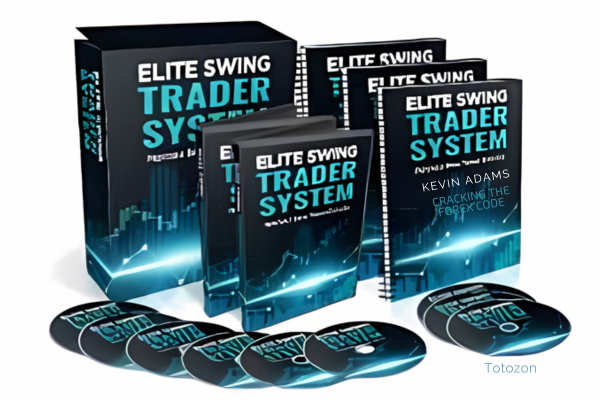 Cracking The Forex Code with Kevin Adams
1 × $6.00
Cracking The Forex Code with Kevin Adams
1 × $6.00 -
×
 The Aggressive Investor. Case Studies with Colin Nicholson
1 × $6.00
The Aggressive Investor. Case Studies with Colin Nicholson
1 × $6.00 -
×
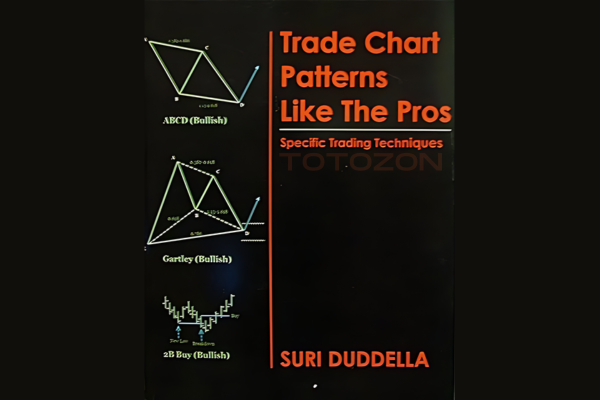 Trade Chart Patterns Like The Pros with Suri Duddella
1 × $6.00
Trade Chart Patterns Like The Pros with Suri Duddella
1 × $6.00 -
×
 Candlestick Secrets For Profiting In Options
1 × $23.00
Candlestick Secrets For Profiting In Options
1 × $23.00 -
×
 E-mini Weekly Options Income with Peter Titus
1 × $15.00
E-mini Weekly Options Income with Peter Titus
1 × $15.00 -
×
 The Random Character of Interest Rates with Joseph Murphy
1 × $6.00
The Random Character of Interest Rates with Joseph Murphy
1 × $6.00 -
×
 Flux Investor Package v2.2.1, (Jan 2016) with Back To The Future Trading
1 × $85.00
Flux Investor Package v2.2.1, (Jan 2016) with Back To The Future Trading
1 × $85.00 -
×
 The Adventures of the Cycle Hunter. The Analyst with Craig Bttlc
1 × $6.00
The Adventures of the Cycle Hunter. The Analyst with Craig Bttlc
1 × $6.00 -
×
 RSD - Alex’s Natural Instinct Method Manifesto
1 × $6.00
RSD - Alex’s Natural Instinct Method Manifesto
1 × $6.00 -
×
 Unsorted Articles about the Psychology of Trading with Brett N.Steenbarger
1 × $6.00
Unsorted Articles about the Psychology of Trading with Brett N.Steenbarger
1 × $6.00 -
×
 Sacredscience - W.F.Whitehead – Occultism Simplified
1 × $6.00
Sacredscience - W.F.Whitehead – Occultism Simplified
1 × $6.00 -
×
 Systems Mastery Course with Chris Dover - Pollinate Trading
1 × $5.00
Systems Mastery Course with Chris Dover - Pollinate Trading
1 × $5.00 -
×
 Capital Asset Investment with Anthony F.Herbst
1 × $6.00
Capital Asset Investment with Anthony F.Herbst
1 × $6.00 -
×
 Quantifiable Edges – Gold Subscription with Rob Hanna
1 × $54.00
Quantifiable Edges – Gold Subscription with Rob Hanna
1 × $54.00 -
×
 Sector Rotation & Market Timing with Frank Barbera
1 × $6.00
Sector Rotation & Market Timing with Frank Barbera
1 × $6.00 -
×
 SnD SMC Course
1 × $10.00
SnD SMC Course
1 × $10.00 -
×
 Quantamentals - The Next Great Forefront Of Trading and Investing with Trading Markets
1 × $8.00
Quantamentals - The Next Great Forefront Of Trading and Investing with Trading Markets
1 × $8.00 -
×
 A Comprehensive Guide to Intraday Trading Strategies & Setups Class with Jeff Bierman
1 × $6.00
A Comprehensive Guide to Intraday Trading Strategies & Setups Class with Jeff Bierman
1 × $6.00 -
×
 The Best Option Trading Course with David Jaffee - Best Stock Strategy
1 × $15.00
The Best Option Trading Course with David Jaffee - Best Stock Strategy
1 × $15.00
David Landry On Swing Trading
$6.00
File Size: Coming soon!
Delivery Time: 1–12 hours
Media Type: Online Course
Content Proof: Watch Here!
You may check content proof of “David Landry On Swing Trading” below:
David Landry On Swing Trading
Swing trading is a popular trading strategy that aims to capture short-to-medium-term gains in a stock (or any financial instrument) over a period of a few days to several weeks. David Landry, a renowned trader and author, has been a significant influence in the world of swing trading. His insights and strategies have helped countless traders understand and succeed in swing trading. This article delves into Landry’s methodologies and how you can apply them to enhance your trading performance.
Introduction to Swing Trading
Swing trading involves holding positions for several days to weeks, aiming to profit from expected price moves. It sits between day trading and trend trading, offering flexibility and potential for substantial gains.
Why Choose Swing Trading?
- Time Flexibility: Requires less time compared to day trading.
- Potential for Profits: Captures significant price movements.
- Reduced Stress: Less pressure compared to day trading.
Who is David Landry?
David Landry is a seasoned trader, author, and educator known for his practical and straightforward approach to trading.
Author’s Credentials
- Experience: Over two decades in the trading industry.
- Education: Background in finance and market analysis.
- Publications: Numerous books and articles on trading strategies.
Core Concepts of Swing Trading
1. Identifying Trends
Understanding market trends is crucial for successful swing trading.
Uptrends
- Higher Highs and Higher Lows: Indicative of an uptrend.
- Bullish Signals: Look for buying opportunities.
Downtrends
- Lower Highs and Lower Lows: Indicative of a downtrend.
- Bearish Signals: Look for selling opportunities.
2. Using Technical Indicators
Technical indicators help in identifying entry and exit points.
Moving Averages
- Simple Moving Average (SMA): Useful for identifying trends.
- Exponential Moving Average (EMA): Responds more quickly to price changes.
Relative Strength Index (RSI)
- Overbought/Oversold Conditions: Indicates potential reversal points.
Bollinger Bands
- Volatility Measurement: Helps identify overbought or oversold conditions.
3. Chart Patterns
Recognizing chart patterns can provide insights into future price movements.
Head and Shoulders
- Reversal Pattern: Indicates a trend reversal.
Triangles
- Continuation Pattern: Suggests the continuation of the current trend.
4. Risk Management
Managing risk is essential to protect your capital.
Position Sizing
- Appropriate Size: Determines the number of shares to trade based on risk tolerance.
Stop-Loss Orders
- Limiting Losses: Protects against significant losses.
Implementing David Landry’s Swing Trading Strategies
Step-by-Step Guide
- Analyze Market Trends: Use technical indicators to identify market trends.
- Identify Entry Points: Look for signals from indicators and chart patterns.
- Place Trades: Enter trades based on identified signals.
- Set Stop-Loss Orders: Protect your capital by setting stop-loss orders.
- Monitor Trades: Adjust your strategy based on market movements.
Example Trade Setup
- Identify Trend: Spot an uptrend using moving averages.
- Find Entry Point: Use RSI to identify an oversold condition.
- Place Trade: Enter a long position.
- Set Stop-Loss: Place a stop-loss below the recent low.
- Monitor Trade: Adjust stop-loss and take profit levels as the trade progresses.
Advantages of Swing Trading
Time Efficiency
Swing trading does not require constant market monitoring, making it suitable for those with other commitments.
Potential for High Returns
Capturing significant price movements can lead to substantial gains.
Reduced Stress
Holding positions for days or weeks reduces the pressure of making quick decisions.
Challenges in Swing Trading
Market Volatility
Market fluctuations can impact trades, requiring careful analysis and strategy adjustment.
Risk Management
Effective risk management is crucial to protect against potential losses.
Practical Tips for Success
1. Continuous Learning
Stay updated with market trends and continuously refine your trading strategy.
2. Regular Practice
Use demo accounts to practice and fine-tune your swing trading techniques without financial risk.
3. Maintain Discipline
Stick to your trading plan and avoid emotional decision-making.
Conclusion
David Landry’s insights on swing trading provide a comprehensive guide to capturing short-to-medium-term gains in the market. By understanding market trends, using technical indicators, recognizing chart patterns, and managing risks, traders can enhance their swing trading strategies. Whether you’re a novice or an experienced trader, applying Landry’s techniques can help you achieve consistent trading success.
FAQs
1. What is swing trading?
Swing trading involves holding positions for several days to weeks to profit from expected price moves.
2. Who can benefit from swing trading?
Both novice and experienced traders can benefit from swing trading due to its time efficiency and potential for high returns.
3. How do technical indicators help in swing trading?
Technical indicators help identify entry and exit points, providing signals for buying and selling.
4. Why is risk management important in swing trading?
Risk management protects your capital and limits potential losses, ensuring long-term trading success.
5. How can I practice swing trading without financial risk?
Use demo accounts to practice and refine your swing trading techniques without risking real money.
Be the first to review “David Landry On Swing Trading”
You must be logged in to post a review.
Related products

Original price was: $997.00.$8.00Current price is: $8.00.

Original price was: $197.00.$5.00Current price is: $5.00.

Forex Trading
Original price was: $697.00.$5.00Current price is: $5.00.

Forex Trading
Original price was: $797.00.$10.00Current price is: $10.00.

Original price was: $1,200.00.$23.00Current price is: $23.00.

Forex Trading
Original price was: $499.00.$15.00Current price is: $15.00.
Forex Trading
Quantamentals – The Next Great Forefront Of Trading and Investing with Trading Markets
Original price was: $1,495.00.$8.00Current price is: $8.00.

Forex Trading
Original price was: $397.00.$31.00Current price is: $31.00.

Original price was: $695.00.$41.00Current price is: $41.00.

Original price was: $649.00.$20.00Current price is: $20.00.

Original price was: $700.00.$39.00Current price is: $39.00.

Original price was: $497.00.$11.00Current price is: $11.00.

Original price was: $497.00.$31.00Current price is: $31.00.

Forex Trading
Original price was: $999.00.$15.00Current price is: $15.00.

Forex Trading
Original price was: $1,098.00.$39.00Current price is: $39.00.

Original price was: $310.00.$23.00Current price is: $23.00.

Original price was: $2,120.00.$15.00Current price is: $15.00.

Original price was: $450.00.$23.00Current price is: $23.00.

Original price was: $999.00.$5.00Current price is: $5.00.

Original price was: $1,800.00.$54.00Current price is: $54.00.
Reviews
There are no reviews yet.