
-
×
 Hedge Fund of Funds Investing with Joseph Nicholas
1 × $6.00
Hedge Fund of Funds Investing with Joseph Nicholas
1 × $6.00 -
×
 Special Webinars Module 1 with Trader Dante
1 × $6.00
Special Webinars Module 1 with Trader Dante
1 × $6.00 -
×
 WondaFX Signature Strategy with WondaFX
1 × $5.00
WondaFX Signature Strategy with WondaFX
1 × $5.00 -
×
 Fisher Investments on Telecom with Dan Sinton, Andrew S.Teufel
1 × $6.00
Fisher Investments on Telecom with Dan Sinton, Andrew S.Teufel
1 × $6.00 -
×
 Swing Trading Systems Video Home Study, Presented with Ken Long - Van Tharp Institute
1 × $5.00
Swing Trading Systems Video Home Study, Presented with Ken Long - Van Tharp Institute
1 × $5.00 -
×
 System Building Masterclass
1 × $31.00
System Building Masterclass
1 × $31.00 -
×
 Letal Forex System with Alex Seeni
1 × $6.00
Letal Forex System with Alex Seeni
1 × $6.00 -
×
 Studies in Stock Speculation (Volume I & II) with H.J.Wolf
1 × $6.00
Studies in Stock Speculation (Volume I & II) with H.J.Wolf
1 × $6.00 -
×
 Essentials in Quantitative Trading QT01 By HangukQuant's
1 × $23.00
Essentials in Quantitative Trading QT01 By HangukQuant's
1 × $23.00 -
×
 Sacredscience - Raphael – Book of Fate
1 × $6.00
Sacredscience - Raphael – Book of Fate
1 × $6.00 -
×
 Quantifiable Edges – Gold Subscription with Rob Hanna
1 × $54.00
Quantifiable Edges – Gold Subscription with Rob Hanna
1 × $54.00 -
×
 Handbook on the Knowledge Economy with David Rooney
1 × $6.00
Handbook on the Knowledge Economy with David Rooney
1 × $6.00 -
×
 Futures Trading Secrets Home Study with Bill McCready
1 × $6.00
Futures Trading Secrets Home Study with Bill McCready
1 × $6.00 -
×
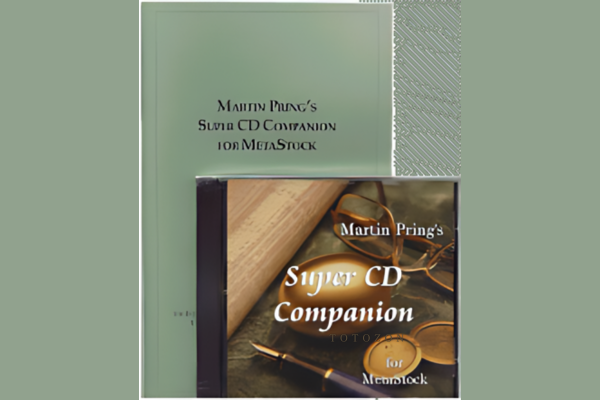 Super CD Companion for Metastock with Martin Pring
1 × $6.00
Super CD Companion for Metastock with Martin Pring
1 × $6.00 -
×
 Traders Secret Code Complete Course with Mark McRae
1 × $6.00
Traders Secret Code Complete Course with Mark McRae
1 × $6.00 -
×
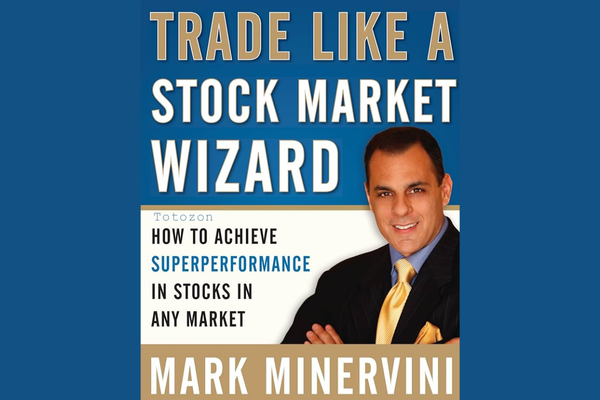 Trade Like a Stock Market Wizard with Mark Minervini
1 × $6.00
Trade Like a Stock Market Wizard with Mark Minervini
1 × $6.00 -
×
 T3 Live - The Simple Art of Trading
1 × $31.00
T3 Live - The Simple Art of Trading
1 × $31.00 -
×
 Guide to Winning with Automated Trading Systems with Jack Schwager
1 × $6.00
Guide to Winning with Automated Trading Systems with Jack Schwager
1 × $6.00 -
×
 Asset Allocation for the Individual Investor with CFA Institute
1 × $6.00
Asset Allocation for the Individual Investor with CFA Institute
1 × $6.00 -
×
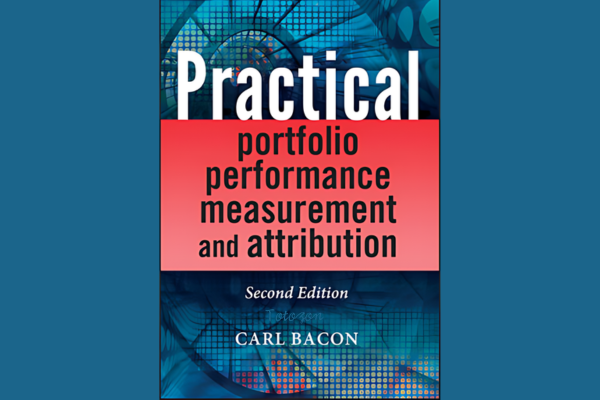 Practical Portfolio Performance Measurement and Attribution (2nd Ed.) with Carl Bacon
1 × $6.00
Practical Portfolio Performance Measurement and Attribution (2nd Ed.) with Carl Bacon
1 × $6.00 -
×
 DaVinci FX Course
1 × $6.00
DaVinci FX Course
1 × $6.00 -
×
 Elite Core Advance Course with Urban Forex
1 × $5.00
Elite Core Advance Course with Urban Forex
1 × $5.00 -
×
 Quantum Stone Capital
1 × $15.00
Quantum Stone Capital
1 × $15.00 -
×
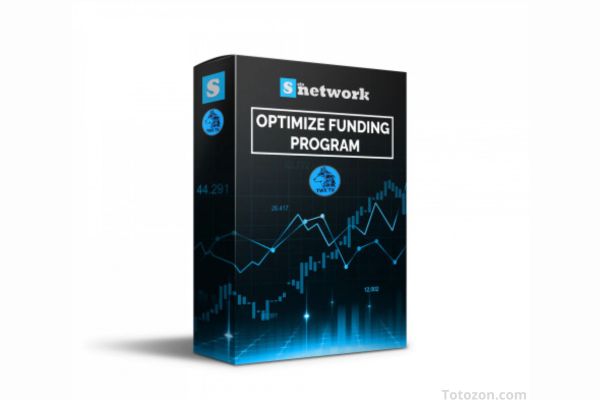 Optimize Funding Program 2023 with Solo Network Courses
1 × $13.00
Optimize Funding Program 2023 with Solo Network Courses
1 × $13.00 -
×
 Path to Profits By Scott Redler - T3 Live
1 × $6.00
Path to Profits By Scott Redler - T3 Live
1 × $6.00 -
×
 TradeWithChris - TWC Forex Trading Course
1 × $6.00
TradeWithChris - TWC Forex Trading Course
1 × $6.00 -
×
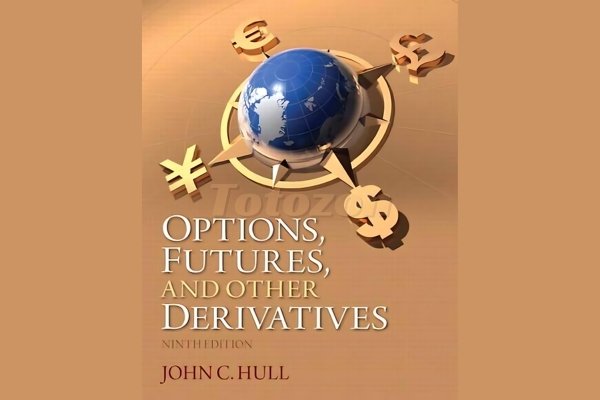 Option, Futures and Other Derivates 9th Edition
1 × $6.00
Option, Futures and Other Derivates 9th Edition
1 × $6.00 -
×
 Fibonnacci Trader WorkShop (Video 2.38 GB) with Dennis Bolze, Thom Hartle
1 × $6.00
Fibonnacci Trader WorkShop (Video 2.38 GB) with Dennis Bolze, Thom Hartle
1 × $6.00 -
×
 Sell & Sell Short with Alexander Elder
1 × $6.00
Sell & Sell Short with Alexander Elder
1 × $6.00 -
×
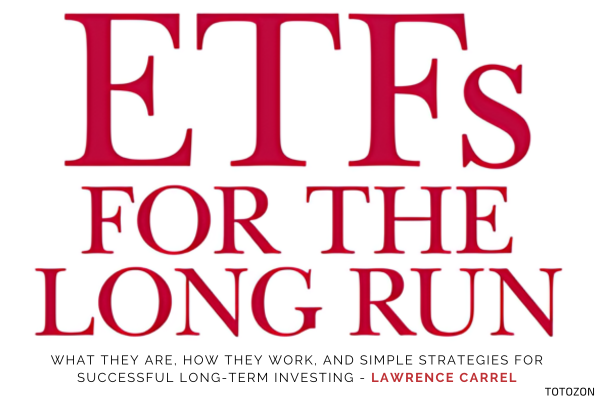 ETFs for the Long Run: What They Are, How They Work, and Simple Strategies for Successful Long-Term Investing - Lawrence Carrel
1 × $6.00
ETFs for the Long Run: What They Are, How They Work, and Simple Strategies for Successful Long-Term Investing - Lawrence Carrel
1 × $6.00 -
×
 VIP - One on One Coursework with Talkin Options
1 × $15.00
VIP - One on One Coursework with Talkin Options
1 × $15.00 -
×
 High Probability ETF Trading: 7 Professional Strategies To Improve Your ETF Trading with Larry Connors
1 × $6.00
High Probability ETF Trading: 7 Professional Strategies To Improve Your ETF Trading with Larry Connors
1 × $6.00 -
×
 The Best Option Trading Course with David Jaffee - Best Stock Strategy
1 × $15.00
The Best Option Trading Course with David Jaffee - Best Stock Strategy
1 × $15.00 -
×
 The Adventures of the Cycle Hunter. The Trader with Craig Bttlc
1 × $6.00
The Adventures of the Cycle Hunter. The Trader with Craig Bttlc
1 × $6.00 -
×
 Advanced Calculus with Applications in Statistics
1 × $6.00
Advanced Calculus with Applications in Statistics
1 × $6.00 -
×
 Daytrade (Italian) with Guiuseppe Migliorino
1 × $6.00
Daytrade (Italian) with Guiuseppe Migliorino
1 × $6.00 -
×
 Creating the Optimal Trade for Explosive Profits with George A.Fontanills
1 × $6.00
Creating the Optimal Trade for Explosive Profits with George A.Fontanills
1 × $6.00 -
×
 The Blueprint for Successful Stock Trading with Jeff Tompkins
1 × $6.00
The Blueprint for Successful Stock Trading with Jeff Tompkins
1 × $6.00 -
×
 Cobra (aka Viper Crude)
1 × $23.00
Cobra (aka Viper Crude)
1 × $23.00 -
×
 Squeeze the Markets with Markay Latimer
1 × $6.00
Squeeze the Markets with Markay Latimer
1 × $6.00 -
×
 Commodity Futures Traders Club (CTCN) Issues 01 – 77
1 × $6.00
Commodity Futures Traders Club (CTCN) Issues 01 – 77
1 × $6.00 -
×
 Forecast 2024 Clarification with Larry Williams
1 × $15.00
Forecast 2024 Clarification with Larry Williams
1 × $15.00 -
×
 The Adventures of the Cycle Hunter. The Cyclist with Craig Bttlc
1 × $6.00
The Adventures of the Cycle Hunter. The Cyclist with Craig Bttlc
1 × $6.00 -
×
 George Bayer Squarring the Circle for Excel
1 × $6.00
George Bayer Squarring the Circle for Excel
1 × $6.00 -
×
 Advanced Options Trading with Lucas Downey
1 × $15.00
Advanced Options Trading with Lucas Downey
1 × $15.00 -
×
 How to Analyze Multifamily Investment Opportunities with Symon He & Brandon Young
1 × $6.00
How to Analyze Multifamily Investment Opportunities with Symon He & Brandon Young
1 × $6.00 -
×
 W. D Gann 's Square Of 9 Applied To Modern Markets with Sean Avidar - Hexatrade350
1 × $23.00
W. D Gann 's Square Of 9 Applied To Modern Markets with Sean Avidar - Hexatrade350
1 × $23.00
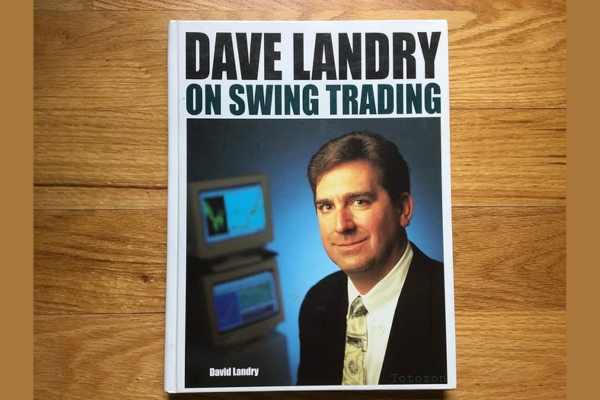
David Landry On Swing Trading
$6.00
File Size: Coming soon!
Delivery Time: 1–12 hours
Media Type: Online Course
Content Proof: Watch Here!
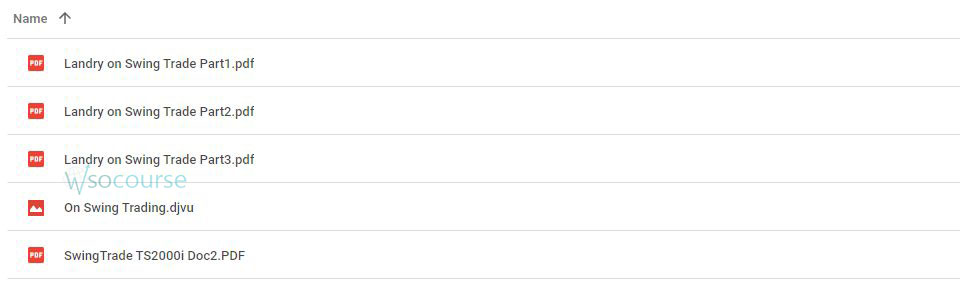
You may check content proof of “David Landry On Swing Trading” below:
David Landry On Swing Trading
Swing trading is a popular trading strategy that aims to capture short-to-medium-term gains in a stock (or any financial instrument) over a period of a few days to several weeks. David Landry, a renowned trader and author, has been a significant influence in the world of swing trading. His insights and strategies have helped countless traders understand and succeed in swing trading. This article delves into Landry’s methodologies and how you can apply them to enhance your trading performance.
Introduction to Swing Trading
Swing trading involves holding positions for several days to weeks, aiming to profit from expected price moves. It sits between day trading and trend trading, offering flexibility and potential for substantial gains.
Why Choose Swing Trading?
- Time Flexibility: Requires less time compared to day trading.
- Potential for Profits: Captures significant price movements.
- Reduced Stress: Less pressure compared to day trading.
Who is David Landry?
David Landry is a seasoned trader, author, and educator known for his practical and straightforward approach to trading.
Author’s Credentials
- Experience: Over two decades in the trading industry.
- Education: Background in finance and market analysis.
- Publications: Numerous books and articles on trading strategies.
Core Concepts of Swing Trading
1. Identifying Trends
Understanding market trends is crucial for successful swing trading.
Uptrends
- Higher Highs and Higher Lows: Indicative of an uptrend.
- Bullish Signals: Look for buying opportunities.
Downtrends
- Lower Highs and Lower Lows: Indicative of a downtrend.
- Bearish Signals: Look for selling opportunities.
2. Using Technical Indicators
Technical indicators help in identifying entry and exit points.
Moving Averages
- Simple Moving Average (SMA): Useful for identifying trends.
- Exponential Moving Average (EMA): Responds more quickly to price changes.
Relative Strength Index (RSI)
- Overbought/Oversold Conditions: Indicates potential reversal points.
Bollinger Bands
- Volatility Measurement: Helps identify overbought or oversold conditions.
3. Chart Patterns
Recognizing chart patterns can provide insights into future price movements.
Head and Shoulders
- Reversal Pattern: Indicates a trend reversal.
Triangles
- Continuation Pattern: Suggests the continuation of the current trend.
4. Risk Management
Managing risk is essential to protect your capital.
Position Sizing
- Appropriate Size: Determines the number of shares to trade based on risk tolerance.
Stop-Loss Orders
- Limiting Losses: Protects against significant losses.
Implementing David Landry’s Swing Trading Strategies
Step-by-Step Guide
- Analyze Market Trends: Use technical indicators to identify market trends.
- Identify Entry Points: Look for signals from indicators and chart patterns.
- Place Trades: Enter trades based on identified signals.
- Set Stop-Loss Orders: Protect your capital by setting stop-loss orders.
- Monitor Trades: Adjust your strategy based on market movements.
Example Trade Setup
- Identify Trend: Spot an uptrend using moving averages.
- Find Entry Point: Use RSI to identify an oversold condition.
- Place Trade: Enter a long position.
- Set Stop-Loss: Place a stop-loss below the recent low.
- Monitor Trade: Adjust stop-loss and take profit levels as the trade progresses.
Advantages of Swing Trading
Time Efficiency
Swing trading does not require constant market monitoring, making it suitable for those with other commitments.
Potential for High Returns
Capturing significant price movements can lead to substantial gains.
Reduced Stress
Holding positions for days or weeks reduces the pressure of making quick decisions.
Challenges in Swing Trading
Market Volatility
Market fluctuations can impact trades, requiring careful analysis and strategy adjustment.
Risk Management
Effective risk management is crucial to protect against potential losses.
Practical Tips for Success
1. Continuous Learning
Stay updated with market trends and continuously refine your trading strategy.
2. Regular Practice
Use demo accounts to practice and fine-tune your swing trading techniques without financial risk.
3. Maintain Discipline
Stick to your trading plan and avoid emotional decision-making.
Conclusion
David Landry’s insights on swing trading provide a comprehensive guide to capturing short-to-medium-term gains in the market. By understanding market trends, using technical indicators, recognizing chart patterns, and managing risks, traders can enhance their swing trading strategies. Whether you’re a novice or an experienced trader, applying Landry’s techniques can help you achieve consistent trading success.
FAQs
1. What is swing trading?
Swing trading involves holding positions for several days to weeks to profit from expected price moves.
2. Who can benefit from swing trading?
Both novice and experienced traders can benefit from swing trading due to its time efficiency and potential for high returns.
3. How do technical indicators help in swing trading?
Technical indicators help identify entry and exit points, providing signals for buying and selling.
4. Why is risk management important in swing trading?
Risk management protects your capital and limits potential losses, ensuring long-term trading success.
5. How can I practice swing trading without financial risk?
Use demo accounts to practice and refine your swing trading techniques without risking real money.
Be the first to review “David Landry On Swing Trading”
You must be logged in to post a review.
Related products

Forex Trading
Original price was: $1,098.00.$39.00Current price is: $39.00.

Forex Trading
Quantamentals – The Next Great Forefront Of Trading and Investing with Trading Markets
Original price was: $1,495.00.$8.00Current price is: $8.00.

Original price was: $695.00.$41.00Current price is: $41.00.

Original price was: $197.00.$5.00Current price is: $5.00.

Original price was: $1,800.00.$54.00Current price is: $54.00.

Forex Trading
Original price was: $499.00.$15.00Current price is: $15.00.

Original price was: $999.00.$5.00Current price is: $5.00.

Forex Trading
Original price was: $500.00.$5.00Current price is: $5.00.

Forex Trading
Original price was: $2,995.00.$31.00Current price is: $31.00.
Original price was: $139.00.$23.00Current price is: $23.00.

Forex Trading
Original price was: $999.00.$15.00Current price is: $15.00.

Forex Trading
Original price was: $1,898.00.$10.00Current price is: $10.00.
Forex Trading
Original price was: $249.00.$15.00Current price is: $15.00.

Original price was: $310.00.$23.00Current price is: $23.00.
Forex Trading
Original price was: $850.00.$23.00Current price is: $23.00.

Original price was: $299.00.$8.00Current price is: $8.00.

Original price was: $649.00.$20.00Current price is: $20.00.

Forex Trading
Original price was: $799.00.$15.00Current price is: $15.00.

Original price was: $450.00.$23.00Current price is: $23.00.
Original price was: $1,849.00.$15.00Current price is: $15.00.
Reviews
There are no reviews yet.