
-
×
 How To Read The Market Professionally with TradeSmart
1 × $27.00
How To Read The Market Professionally with TradeSmart
1 × $27.00 -
×
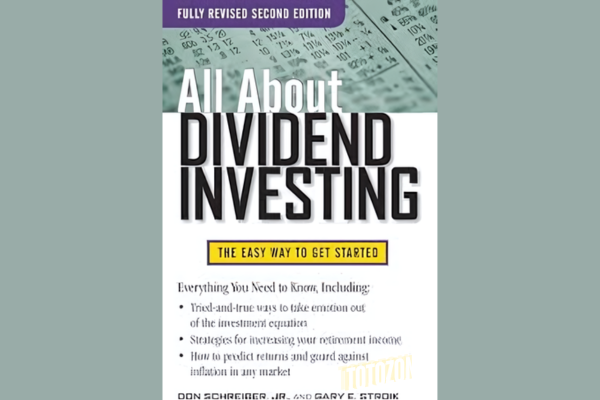 All About Dividend Investing with Don Schreiber & Gary Stroik
1 × $6.00
All About Dividend Investing with Don Schreiber & Gary Stroik
1 × $6.00 -
×
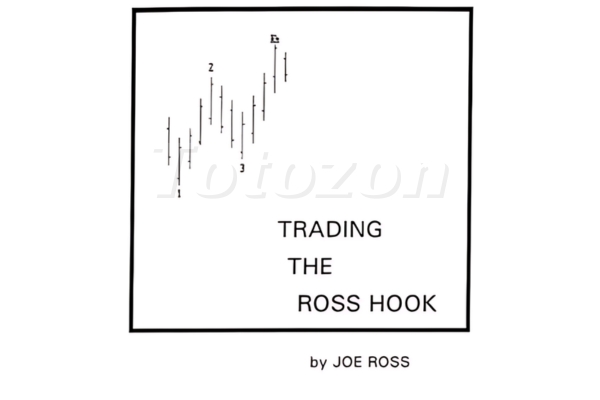 Trading the Ross Hook (tradingeducators.com)
1 × $6.00
Trading the Ross Hook (tradingeducators.com)
1 × $6.00 -
×
 White Phoenix’s The Smart (Money) Approach to Trading with Jayson Casper
1 × $39.00
White Phoenix’s The Smart (Money) Approach to Trading with Jayson Casper
1 × $39.00 -
×
 The A14 Weekly Option Strategy Workshop with Amy Meissner
1 × $23.00
The A14 Weekly Option Strategy Workshop with Amy Meissner
1 × $23.00 -
×
 90 Minute Cycle withThe Algo Trader
1 × $5.00
90 Minute Cycle withThe Algo Trader
1 × $5.00 -
×
 Ambush Trading Method on Wheat & Corn with Marco Mayer
1 × $4.00
Ambush Trading Method on Wheat & Corn with Marco Mayer
1 × $4.00 -
×
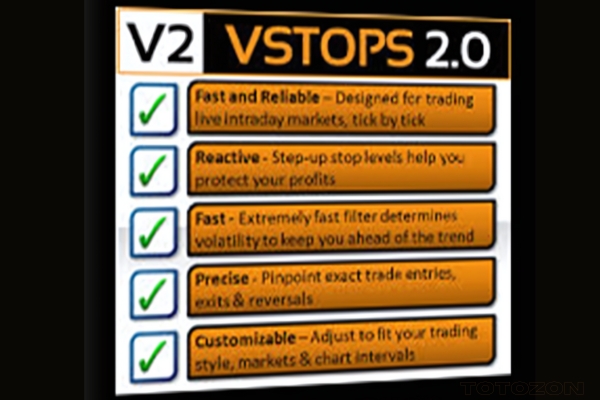 VSTOPS ProTrader Strategy (Nov 2013)
1 × $6.00
VSTOPS ProTrader Strategy (Nov 2013)
1 × $6.00 -
×
 Commodity Speculation for Beginners with Charles Huff, Barbara Marinacci
1 × $6.00
Commodity Speculation for Beginners with Charles Huff, Barbara Marinacci
1 × $6.00 -
×
 A Forex System For Catching Pips All Day Long with Forex Pip Fishing
1 × $4.00
A Forex System For Catching Pips All Day Long with Forex Pip Fishing
1 × $4.00 -
×
 60 Minute Trader with Chris Kobewka
1 × $6.00
60 Minute Trader with Chris Kobewka
1 × $6.00 -
×
 3 Day Live Trading Webinar (Jan 2010)
1 × $6.00
3 Day Live Trading Webinar (Jan 2010)
1 × $6.00 -
×
 Crypto Trading Academy with Cheeky Investor - Aussie Day Trader
1 × $13.00
Crypto Trading Academy with Cheeky Investor - Aussie Day Trader
1 × $13.00 -
×
 The Orderflow Masterclass with PrimeTrading
1 × $17.00
The Orderflow Masterclass with PrimeTrading
1 × $17.00 -
×
 Trading the E-Minis Successfully For A Living 3 Day with Chris Curran with Chris Curran's Live Web Seminar
1 × $6.00
Trading the E-Minis Successfully For A Living 3 Day with Chris Curran with Chris Curran's Live Web Seminar
1 × $6.00 -
×
 Central Bank Trading Strategies with AXIA Futures
1 × $5.00
Central Bank Trading Strategies with AXIA Futures
1 × $5.00 -
×
 Complete Guide to Online Stock Market Investing (2nd Edition) with Alexander Davidson
1 × $6.00
Complete Guide to Online Stock Market Investing (2nd Edition) with Alexander Davidson
1 × $6.00 -
×
 Virtual Intensive Trader Training
1 × $31.00
Virtual Intensive Trader Training
1 × $31.00 -
×
 TRADING NFX Course with Andrew NFX
1 × $5.00
TRADING NFX Course with Andrew NFX
1 × $5.00 -
×
 Advance Courses for Members
1 × $15.00
Advance Courses for Members
1 × $15.00 -
×
 Advanced AmiBroker Coding with Matt Radtke & Connors Research
1 × $23.00
Advanced AmiBroker Coding with Matt Radtke & Connors Research
1 × $23.00 -
×
 Analysis & Interpretation in Qualitative Market Research with Gill Ereaut
1 × $6.00
Analysis & Interpretation in Qualitative Market Research with Gill Ereaut
1 × $6.00 -
×
 Home Run Options Trading Course with Dave Aquino - Base Camp Trading
1 × $11.00
Home Run Options Trading Course with Dave Aquino - Base Camp Trading
1 × $11.00 -
×
 Concerning The More Certain Fundamentals Of Astrology
1 × $6.00
Concerning The More Certain Fundamentals Of Astrology
1 × $6.00 -
×
 Bond Market Course with The Macro Compass
1 × $15.00
Bond Market Course with The Macro Compass
1 × $15.00 -
×
 A Trader’s Guide To Discipline
1 × $6.00
A Trader’s Guide To Discipline
1 × $6.00 -
×
 Advanced Spread Trading with Guy Bower - MasterClass Trader
1 × $15.00
Advanced Spread Trading with Guy Bower - MasterClass Trader
1 × $15.00 -
×
 The LP Trading Course
1 × $13.00
The LP Trading Course
1 × $13.00 -
×
 Options Trading & Ultimate MasterClass With Tyrone Abela - FX Evolution
1 × $54.00
Options Trading & Ultimate MasterClass With Tyrone Abela - FX Evolution
1 × $54.00 -
×
 The Indices Orderflow Masterclass with The Forex Scalpers
1 × $23.00
The Indices Orderflow Masterclass with The Forex Scalpers
1 × $23.00 -
×
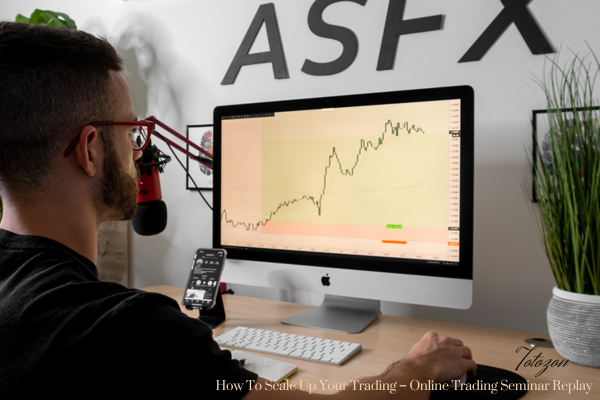 How To Scale Up Your Trading - Online Trading Seminar Replay with Austin Silver - ASFX
1 × $31.00
How To Scale Up Your Trading - Online Trading Seminar Replay with Austin Silver - ASFX
1 × $31.00 -
×
 Best of the Best: Collars with Amy Meissner & Scott Ruble
1 × $15.00
Best of the Best: Collars with Amy Meissner & Scott Ruble
1 × $15.00 -
×
 XLT - Forex Trading Course
1 × $6.00
XLT - Forex Trading Course
1 × $6.00 -
×
 Alexander Elder Package ( Discount 28% )
1 × $31.00
Alexander Elder Package ( Discount 28% )
1 × $31.00 -
×
 Scalp Strategy and Flipping Small Accounts with Opes Trading Group
1 × $5.00
Scalp Strategy and Flipping Small Accounts with Opes Trading Group
1 × $5.00 -
×
 6 Live Sentiment Analysis Trading Bots using Python with The A.I. Whisperer
1 × $5.00
6 Live Sentiment Analysis Trading Bots using Python with The A.I. Whisperer
1 × $5.00 -
×
 Forecast 2024 Clarification with Larry Williams
1 × $15.00
Forecast 2024 Clarification with Larry Williams
1 × $15.00 -
×
 Order flow self-study training program with iMFtracker
1 × $10.00
Order flow self-study training program with iMFtracker
1 × $10.00 -
×
 Algorithmic Trading Systems: Advanced Gap Strategies for the Futures Markets with David Bean
1 × $5.00
Algorithmic Trading Systems: Advanced Gap Strategies for the Futures Markets with David Bean
1 × $5.00 -
×
 The Orderflows Trade Opportunities Encyclopedia with Michael Valtos
1 × $8.00
The Orderflows Trade Opportunities Encyclopedia with Michael Valtos
1 × $8.00 -
×
 Quantamentals - The Next Great Forefront Of Trading and Investing with Trading Markets
1 × $8.00
Quantamentals - The Next Great Forefront Of Trading and Investing with Trading Markets
1 × $8.00 -
×
 Winning With The Market with Douglas R.Sease
1 × $6.00
Winning With The Market with Douglas R.Sease
1 × $6.00 -
×
 SQX Mentorship with Tip Toe Hippo
1 × $23.00
SQX Mentorship with Tip Toe Hippo
1 × $23.00 -
×
 6 Dynamic Trader Real Time and End Of Day
1 × $39.00
6 Dynamic Trader Real Time and End Of Day
1 × $39.00 -
×
 A New Look at Exit Strategies with Charles LeBeau
1 × $6.00
A New Look at Exit Strategies with Charles LeBeau
1 × $6.00 -
×
 Best Trading Strategies Revealed - The Prosperity Trading Course (BTSR)
1 × $78.00
Best Trading Strategies Revealed - The Prosperity Trading Course (BTSR)
1 × $78.00 -
×
 WYCKOFF TRADING COURSE (WTC) PART I – ANALYSIS (Spring 2023) - Roman Bogomazov & Alessio Rutigliano
1 × $209.00
WYCKOFF TRADING COURSE (WTC) PART I – ANALYSIS (Spring 2023) - Roman Bogomazov & Alessio Rutigliano
1 × $209.00 -
×
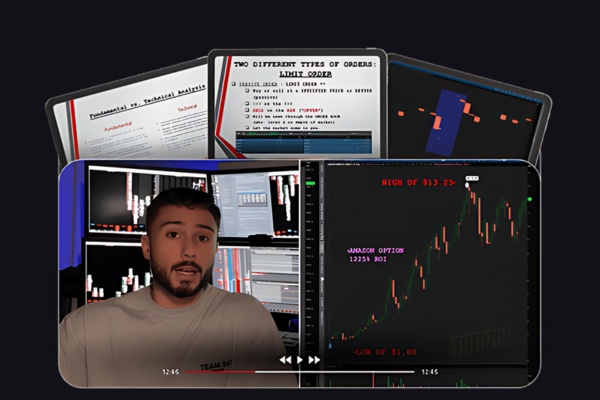 A-Z Course with InvestiTrade Academy
1 × $5.00
A-Z Course with InvestiTrade Academy
1 × $5.00 -
×
 Trading System Building Blocks with John Hill
1 × $6.00
Trading System Building Blocks with John Hill
1 × $6.00 -
×
 Deep Dive Butterfly Trading Strategy Class with SJG Trades
1 × $41.00
Deep Dive Butterfly Trading Strategy Class with SJG Trades
1 × $41.00 -
×
 The Naked Eye: Raw Data Analytics with Edgar Torres - Raw Data Analytics
1 × $8.00
The Naked Eye: Raw Data Analytics with Edgar Torres - Raw Data Analytics
1 × $8.00 -
×
 Ultimate Trading Course with Dodgy's Dungeon
1 × $8.00
Ultimate Trading Course with Dodgy's Dungeon
1 × $8.00 -
×
 Advanced Trading Course with John Person
1 × $6.00
Advanced Trading Course with John Person
1 × $6.00 -
×
 9-Day Calendar Deep Dive 2023 with Jay Bailey - Sheridan Options Mentoring
1 × $31.00
9-Day Calendar Deep Dive 2023 with Jay Bailey - Sheridan Options Mentoring
1 × $31.00 -
×
 CalendarMAX with Hari Swaminathan
1 × $15.00
CalendarMAX with Hari Swaminathan
1 × $15.00 -
×
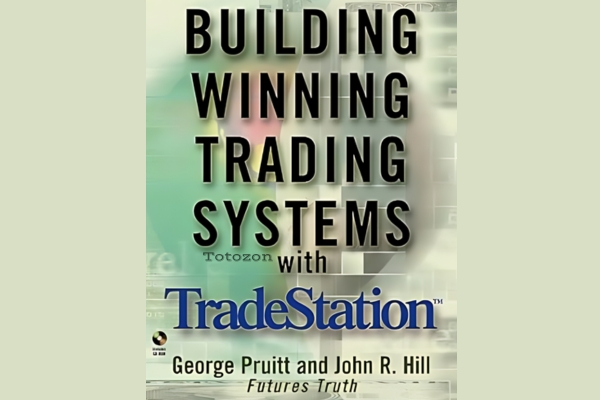 Building Winning Trading Systems with Tradestation (with CD) - George Pruitt
1 × $6.00
Building Winning Trading Systems with Tradestation (with CD) - George Pruitt
1 × $6.00 -
×
 Day Trading Futures, Stocks, and Crypto
1 × $5.00
Day Trading Futures, Stocks, and Crypto
1 × $5.00 -
×
 Weekly Options Boot Camp with Price Headley
1 × $15.00
Weekly Options Boot Camp with Price Headley
1 × $15.00 -
×
 All About Bonds & Mutual Funds with Esme Faerber
1 × $6.00
All About Bonds & Mutual Funds with Esme Faerber
1 × $6.00 -
×
 Active Trader Program (Smarter Starter Pack + the Number One Trading Plan)
1 × $15.00
Active Trader Program (Smarter Starter Pack + the Number One Trading Plan)
1 × $15.00 -
×
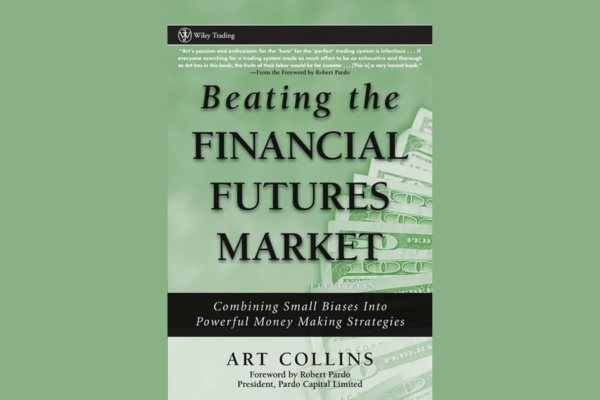 Beating the Financial Futures Market
1 × $6.00
Beating the Financial Futures Market
1 × $6.00 -
×
 60 Seconds Sure Shot Strategy with Albert E
1 × $6.00
60 Seconds Sure Shot Strategy with Albert E
1 × $6.00 -
×
 The Four Biggest Mistakes in Futures Trading (1st Edition) with Jay Kaeppel
1 × $6.00
The Four Biggest Mistakes in Futures Trading (1st Edition) with Jay Kaeppel
1 × $6.00 -
×
 Basecamptrading - Naked Trading Part 2
1 × $6.00
Basecamptrading - Naked Trading Part 2
1 × $6.00 -
×
 W. D Gann 's Square Of 9 Applied To Modern Markets with Sean Avidar - Hexatrade350
1 × $23.00
W. D Gann 's Square Of 9 Applied To Modern Markets with Sean Avidar - Hexatrade350
1 × $23.00
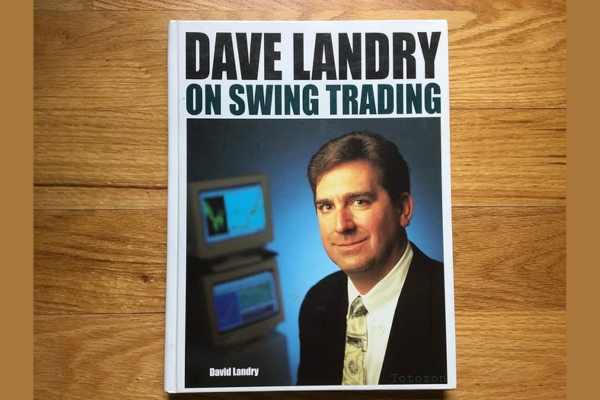
David Landry On Swing Trading
$6.00
File Size: Coming soon!
Delivery Time: 1–12 hours
Media Type: Online Course
Content Proof: Watch Here!
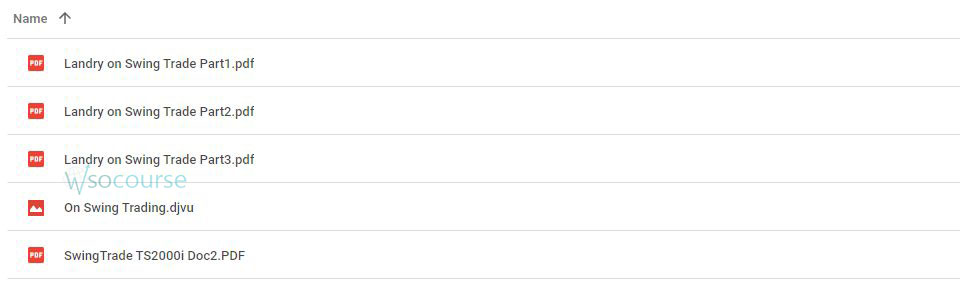
You may check content proof of “David Landry On Swing Trading” below:
David Landry On Swing Trading
Swing trading is a popular trading strategy that aims to capture short-to-medium-term gains in a stock (or any financial instrument) over a period of a few days to several weeks. David Landry, a renowned trader and author, has been a significant influence in the world of swing trading. His insights and strategies have helped countless traders understand and succeed in swing trading. This article delves into Landry’s methodologies and how you can apply them to enhance your trading performance.
Introduction to Swing Trading
Swing trading involves holding positions for several days to weeks, aiming to profit from expected price moves. It sits between day trading and trend trading, offering flexibility and potential for substantial gains.
Why Choose Swing Trading?
- Time Flexibility: Requires less time compared to day trading.
- Potential for Profits: Captures significant price movements.
- Reduced Stress: Less pressure compared to day trading.
Who is David Landry?
David Landry is a seasoned trader, author, and educator known for his practical and straightforward approach to trading.
Author’s Credentials
- Experience: Over two decades in the trading industry.
- Education: Background in finance and market analysis.
- Publications: Numerous books and articles on trading strategies.
Core Concepts of Swing Trading
1. Identifying Trends
Understanding market trends is crucial for successful swing trading.
Uptrends
- Higher Highs and Higher Lows: Indicative of an uptrend.
- Bullish Signals: Look for buying opportunities.
Downtrends
- Lower Highs and Lower Lows: Indicative of a downtrend.
- Bearish Signals: Look for selling opportunities.
2. Using Technical Indicators
Technical indicators help in identifying entry and exit points.
Moving Averages
- Simple Moving Average (SMA): Useful for identifying trends.
- Exponential Moving Average (EMA): Responds more quickly to price changes.
Relative Strength Index (RSI)
- Overbought/Oversold Conditions: Indicates potential reversal points.
Bollinger Bands
- Volatility Measurement: Helps identify overbought or oversold conditions.
3. Chart Patterns
Recognizing chart patterns can provide insights into future price movements.
Head and Shoulders
- Reversal Pattern: Indicates a trend reversal.
Triangles
- Continuation Pattern: Suggests the continuation of the current trend.
4. Risk Management
Managing risk is essential to protect your capital.
Position Sizing
- Appropriate Size: Determines the number of shares to trade based on risk tolerance.
Stop-Loss Orders
- Limiting Losses: Protects against significant losses.
Implementing David Landry’s Swing Trading Strategies
Step-by-Step Guide
- Analyze Market Trends: Use technical indicators to identify market trends.
- Identify Entry Points: Look for signals from indicators and chart patterns.
- Place Trades: Enter trades based on identified signals.
- Set Stop-Loss Orders: Protect your capital by setting stop-loss orders.
- Monitor Trades: Adjust your strategy based on market movements.
Example Trade Setup
- Identify Trend: Spot an uptrend using moving averages.
- Find Entry Point: Use RSI to identify an oversold condition.
- Place Trade: Enter a long position.
- Set Stop-Loss: Place a stop-loss below the recent low.
- Monitor Trade: Adjust stop-loss and take profit levels as the trade progresses.
Advantages of Swing Trading
Time Efficiency
Swing trading does not require constant market monitoring, making it suitable for those with other commitments.
Potential for High Returns
Capturing significant price movements can lead to substantial gains.
Reduced Stress
Holding positions for days or weeks reduces the pressure of making quick decisions.
Challenges in Swing Trading
Market Volatility
Market fluctuations can impact trades, requiring careful analysis and strategy adjustment.
Risk Management
Effective risk management is crucial to protect against potential losses.
Practical Tips for Success
1. Continuous Learning
Stay updated with market trends and continuously refine your trading strategy.
2. Regular Practice
Use demo accounts to practice and fine-tune your swing trading techniques without financial risk.
3. Maintain Discipline
Stick to your trading plan and avoid emotional decision-making.
Conclusion
David Landry’s insights on swing trading provide a comprehensive guide to capturing short-to-medium-term gains in the market. By understanding market trends, using technical indicators, recognizing chart patterns, and managing risks, traders can enhance their swing trading strategies. Whether you’re a novice or an experienced trader, applying Landry’s techniques can help you achieve consistent trading success.
FAQs
1. What is swing trading?
Swing trading involves holding positions for several days to weeks to profit from expected price moves.
2. Who can benefit from swing trading?
Both novice and experienced traders can benefit from swing trading due to its time efficiency and potential for high returns.
3. How do technical indicators help in swing trading?
Technical indicators help identify entry and exit points, providing signals for buying and selling.
4. Why is risk management important in swing trading?
Risk management protects your capital and limits potential losses, ensuring long-term trading success.
5. How can I practice swing trading without financial risk?
Use demo accounts to practice and refine your swing trading techniques without risking real money.
Be the first to review “David Landry On Swing Trading”
You must be logged in to post a review.
Related products
Forex Trading
Original price was: $125.00.$17.00Current price is: $17.00.

Forex Trading
Original price was: $799.00.$15.00Current price is: $15.00.

Forex Trading
Original price was: $397.00.$31.00Current price is: $31.00.
Forex Trading
Original price was: $249.00.$15.00Current price is: $15.00.
Forex Trading
Quantamentals – The Next Great Forefront Of Trading and Investing with Trading Markets
Original price was: $1,495.00.$8.00Current price is: $8.00.
Original price was: $497.00.$11.00Current price is: $11.00.

Original price was: $197.00.$5.00Current price is: $5.00.

Forex Trading
Original price was: $2,000.00.$23.00Current price is: $23.00.
Original price was: $997.00.$13.00Current price is: $13.00.
Original price was: $799.00.$15.00Current price is: $15.00.
Original price was: $895.00.$15.00Current price is: $15.00.
Forex Trading
Original price was: $500.00.$5.00Current price is: $5.00.

Original price was: $649.00.$20.00Current price is: $20.00.

Original price was: $1,849.00.$15.00Current price is: $15.00.

Original price was: $497.00.$31.00Current price is: $31.00.

Original price was: $1,200.00.$23.00Current price is: $23.00.
Original price was: $999.00.$5.00Current price is: $5.00.

Forex Trading
Original price was: $797.00.$10.00Current price is: $10.00.
Original price was: $299.00.$8.00Current price is: $8.00.

Forex Trading
Original price was: $2,995.00.$31.00Current price is: $31.00.
Reviews
There are no reviews yet.