
-
×
 Mastering Trading Stress with Ari Kiev
1 × $6.00
Mastering Trading Stress with Ari Kiev
1 × $6.00 -
×
 Sharp Edge Institutional Ultimate Trade Program – CompassFX
1 × $101.00
Sharp Edge Institutional Ultimate Trade Program – CompassFX
1 × $101.00 -
×
 Advanced Spread Trading with Guy Bower - MasterClass Trader
1 × $15.00
Advanced Spread Trading with Guy Bower - MasterClass Trader
1 × $15.00 -
×
 Forex Options Trading
1 × $6.00
Forex Options Trading
1 × $6.00 -
×
 Ninja Order Flow Trader (NOFT)
1 × $39.00
Ninja Order Flow Trader (NOFT)
1 × $39.00 -
×
 $20 – 52k 20 pips a day challange with Rafał Zuchowicz - TopMasterTrader
1 × $5.00
$20 – 52k 20 pips a day challange with Rafał Zuchowicz - TopMasterTrader
1 × $5.00 -
×
 NetPicks - Universal Market Trader Course
1 × $6.00
NetPicks - Universal Market Trader Course
1 × $6.00 -
×
 Deep Dive Butterfly Trading Strategy Class with SJG Trades
1 × $41.00
Deep Dive Butterfly Trading Strategy Class with SJG Trades
1 × $41.00 -
×
 RSI Unleashed Class: Building a Comprehensive Trading Framework
1 × $54.00
RSI Unleashed Class: Building a Comprehensive Trading Framework
1 × $54.00 -
×
 Handbook of Computer Vision Algorithms in Image Algebra with Gerhard Ritter & Joseph Wilson
1 × $6.00
Handbook of Computer Vision Algorithms in Image Algebra with Gerhard Ritter & Joseph Wilson
1 × $6.00 -
×
 Crypto Trading Academy with Cheeky Investor - Aussie Day Trader
1 × $13.00
Crypto Trading Academy with Cheeky Investor - Aussie Day Trader
1 × $13.00 -
×
 A Course in Trading with Donald Mack & Wetsel Market Bureau
1 × $6.00
A Course in Trading with Donald Mack & Wetsel Market Bureau
1 × $6.00 -
×
 Making a 2021 Trading Plan and Trading it for 3 Weeks with Sheridan Options Mentoring
1 × $39.00
Making a 2021 Trading Plan and Trading it for 3 Weeks with Sheridan Options Mentoring
1 × $39.00 -
×
 Power Cycle Trading The Ultimate Option Guide: When & How to Use Which Option Strategy For the Best Results - Powercycletrading
1 × $69.00
Power Cycle Trading The Ultimate Option Guide: When & How to Use Which Option Strategy For the Best Results - Powercycletrading
1 × $69.00 -
×
 Crash or Correction - Top 5 Patterns Every Trader Must Master with Todd Gordon
1 × $6.00
Crash or Correction - Top 5 Patterns Every Trader Must Master with Todd Gordon
1 × $6.00 -
×
 Computerized Trading. Maximizing Day Trading and Overnight Profits with Mark Jurik
1 × $6.00
Computerized Trading. Maximizing Day Trading and Overnight Profits with Mark Jurik
1 × $6.00 -
×
 Options Plain & Simple with Lenni Jordan
1 × $6.00
Options Plain & Simple with Lenni Jordan
1 × $6.00 -
×
 Forecast 2024 Clarification with Larry Williams
1 × $15.00
Forecast 2024 Clarification with Larry Williams
1 × $15.00 -
×
 Scanning for Gold with Doug Sutton
1 × $31.00
Scanning for Gold with Doug Sutton
1 × $31.00 -
×
 Expert Forex Systems with Andrew Fields
1 × $6.00
Expert Forex Systems with Andrew Fields
1 × $6.00 -
×
 How to Trade Choppy, Sideways Markets with Wayne Gorman - Elliott Wave International
1 × $6.00
How to Trade Choppy, Sideways Markets with Wayne Gorman - Elliott Wave International
1 × $6.00 -
×
 ICT Prodigy Trading Course – $650K in Payouts with Alex Solignani
1 × $15.00
ICT Prodigy Trading Course – $650K in Payouts with Alex Solignani
1 × $15.00 -
×
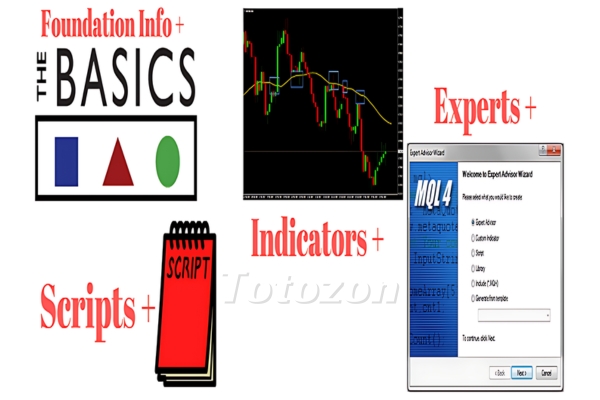 Mql4 Bundle: Basics, Scripts, Indicators, Experts with Jim Hodges
1 × $15.00
Mql4 Bundle: Basics, Scripts, Indicators, Experts with Jim Hodges
1 × $15.00 -
×
 Create Your Own ETF Hedge Fund: A Do-It-Yourself ETF Strategy for Private Wealth Management with David Fry
1 × $6.00
Create Your Own ETF Hedge Fund: A Do-It-Yourself ETF Strategy for Private Wealth Management with David Fry
1 × $6.00 -
×
 Intelligent Futures Trading (chickgoslin.com)
1 × $6.00
Intelligent Futures Trading (chickgoslin.com)
1 × $6.00 -
×
 Low Stress Options Trading with Low Stress Training
1 × $23.00
Low Stress Options Trading with Low Stress Training
1 × $23.00 -
×
 Electronic Trading "TNT" III Technical Trading Stuff with Joe Ross & Mark Cherlin
1 × $6.00
Electronic Trading "TNT" III Technical Trading Stuff with Joe Ross & Mark Cherlin
1 × $6.00 -
×
 INSIDER HEDGE FUND FORMULA (IHFF)
1 × $6.00
INSIDER HEDGE FUND FORMULA (IHFF)
1 × $6.00 -
×
 Hit & Run Trading II with Jeff Cooper
1 × $4.00
Hit & Run Trading II with Jeff Cooper
1 × $4.00 -
×
 SQX Mentorship with Tip Toe Hippo
1 × $23.00
SQX Mentorship with Tip Toe Hippo
1 × $23.00 -
×
 The Orderflows Trade Opportunities Encyclopedia with Michael Valtos
1 × $8.00
The Orderflows Trade Opportunities Encyclopedia with Michael Valtos
1 × $8.00 -
×
 Master Traders: Strategies for Superior Returns from Today's Top Traders with Fari Hamzei & Steve Shobin
1 × $6.00
Master Traders: Strategies for Superior Returns from Today's Top Traders with Fari Hamzei & Steve Shobin
1 × $6.00 -
×
 Mark Sebastian – Gamma Trading Class
1 × $6.00
Mark Sebastian – Gamma Trading Class
1 × $6.00 -
×
 VSA Advanced Mentorship Course
1 × $31.00
VSA Advanced Mentorship Course
1 × $31.00 -
×
 LinkedIn Lead Challenge with Jimmy Coleman
1 × $15.00
LinkedIn Lead Challenge with Jimmy Coleman
1 × $15.00 -
×
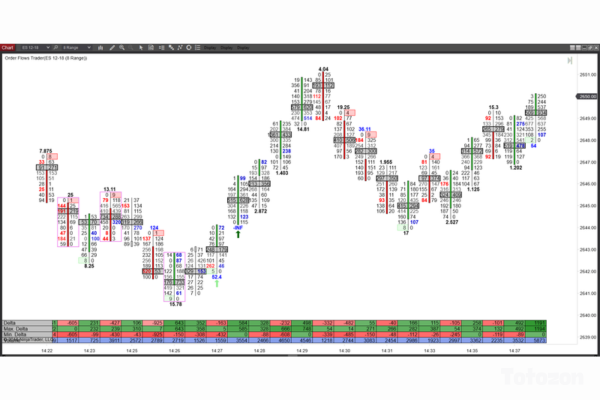 Orderflows - The Imbalance Course
1 × $8.00
Orderflows - The Imbalance Course
1 × $8.00 -
×
 The Best Option Trading Course with David Jaffee - Best Stock Strategy
1 × $15.00
The Best Option Trading Course with David Jaffee - Best Stock Strategy
1 × $15.00
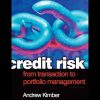
Credit Risk from Transaction to Portfolio Management with Andrew Kimber
$6.00
File Size: Cooming soon!
Delivery Time: 1–12 hours
Media Type: Online Course
Content Proof: Watch Here!
You may check content proof of “Credit Risk from Transaction to Portfolio Management with Andrew Kimber” below:

Credit Risk from Transaction to Portfolio Management with Andrew Kimber
Introduction to Credit Risk Management
Managing credit risk is crucial for financial stability and growth. Andrew Kimber, a renowned expert in the field, provides comprehensive insights into navigating credit risk from individual transactions to entire portfolios. In this article, we will explore Kimber’s strategies and methodologies, offering you a clear understanding of how to manage credit risk effectively.
Understanding Credit Risk
What is Credit Risk?
Credit risk is the potential for loss due to a borrower’s failure to repay a loan or meet contractual obligations. It is a critical aspect of financial management, affecting both lenders and investors.
The Importance of Managing Credit Risk
Effective credit risk management ensures that financial institutions can maintain profitability and stability. It involves assessing, measuring, and mitigating potential losses.
Andrew Kimber’s Approach to Credit Risk
Transaction-Level Credit Risk
Andrew Kimber emphasizes the importance of evaluating credit risk at the transaction level. This involves detailed credit assessments and using various risk models to predict potential default scenarios.
Key Steps in Transaction-Level Management
- Credit Assessment: Conducting thorough evaluations of the borrower’s creditworthiness.
- Risk Modeling: Utilizing advanced models to forecast default probabilities.
- Collateral Evaluation: Assessing the value and reliability of collateral.
Portfolio-Level Credit Risk
Kimber also focuses on managing credit risk at the portfolio level, where the goal is to optimize the risk-return profile of the entire credit portfolio.
Strategies for Portfolio-Level Management
- Diversification: Spreading risk across different borrowers and sectors.
- Stress Testing: Simulating adverse scenarios to evaluate portfolio resilience.
- Credit Monitoring: Continuously monitoring the credit quality of the portfolio.
Tools and Techniques for Effective Credit Risk Management
Credit Scoring Models
Credit scoring models are essential tools in Kimber’s approach. They help in quantifying the credit risk associated with individual transactions.
Risk-Based Pricing
Risk-based pricing involves setting loan terms based on the assessed risk level. Higher risk borrowers may face higher interest rates to compensate for the increased risk.
Credit Derivatives
Credit derivatives are financial instruments that allow for the transfer of credit risk between parties. They are used to hedge against potential losses.
Building a Robust Credit Risk Management Framework
Establishing Risk Appetite
Defining a clear risk appetite is fundamental. It sets the boundaries within which the institution operates.
Developing Risk Policies
Risk policies guide the credit risk management process, ensuring consistency and compliance with regulatory requirements.
Implementing Risk Controls
Risk controls are mechanisms to monitor and control credit risk exposures, ensuring they remain within acceptable limits.
Challenges in Credit Risk Management
Economic Volatility
Economic fluctuations can significantly impact credit risk. Kimber advises preparing for economic downturns through rigorous stress testing and scenario analysis.
Regulatory Changes
Staying compliant with evolving regulations is another challenge. Regular updates to risk management frameworks are necessary to meet new standards.
The Future of Credit Risk Management
Technological Advancements
Technology is transforming credit risk management. Advanced analytics, artificial intelligence, and machine learning are increasingly being used to enhance risk assessment and monitoring.
Sustainable Practices
Incorporating environmental, social, and governance (ESG) factors into credit risk management is becoming more prevalent. This holistic approach ensures long-term sustainability.
Conclusion
Effective credit risk management, as advocated by Andrew Kimber, involves a comprehensive approach from transaction-level assessments to portfolio-level strategies. By leveraging advanced tools and techniques, financial institutions can mitigate potential losses and ensure stability. Kimber’s insights provide a robust framework for navigating the complexities of credit risk.
Frequently Asked Questions:
What is credit risk?
Credit risk is the potential for loss due to a borrower’s failure to repay a loan or meet contractual obligations.
Why is managing credit risk important?
Managing credit risk is essential for financial stability and profitability, ensuring that potential losses are minimized.
How does Andrew Kimber approach credit risk management?
Kimber’s approach involves detailed assessments at both the transaction and portfolio levels, utilizing advanced risk models and diversification strategies.
What tools are used in credit risk management?
Key tools include credit scoring models, risk-based pricing, and credit derivatives, all of which help in quantifying and mitigating risk.
What challenges are faced in credit risk management?
Challenges include economic volatility and regulatory changes, which require ongoing adjustments to risk management frameworks.
Be the first to review “Credit Risk from Transaction to Portfolio Management with Andrew Kimber”
You must be logged in to post a review.
Related products

Forex Trading
Original price was: $697.00.$5.00Current price is: $5.00.

Original price was: $799.00.$15.00Current price is: $15.00.
Original price was: $197.00.$5.00Current price is: $5.00.
Original price was: $1,849.00.$15.00Current price is: $15.00.

Forex Trading
Original price was: $999.00.$15.00Current price is: $15.00.
Forex Trading
Original price was: $2,997.00.$23.00Current price is: $23.00.

Forex Trading
The Complete Guide to Multiple Time Frame Analysis & Reading Price Action with Aiman Almansoori
Original price was: $1,399.00.$13.00Current price is: $13.00.
Original price was: $695.00.$41.00Current price is: $41.00.

Forex Trading
Original price was: $2,000.00.$23.00Current price is: $23.00.

Forex Trading
Original price was: $1,098.00.$39.00Current price is: $39.00.
Forex Trading
Original price was: $249.00.$15.00Current price is: $15.00.

Forex Trading
Original price was: $4,997.00.$27.00Current price is: $27.00.
Original price was: $299.00.$8.00Current price is: $8.00.

Forex Trading
Original price was: $850.00.$23.00Current price is: $23.00.

Original price was: $1,200.00.$23.00Current price is: $23.00.

Original price was: $649.00.$20.00Current price is: $20.00.

Original price was: $139.00.$23.00Current price is: $23.00.

Original price was: $497.00.$11.00Current price is: $11.00.

Forex Trading
Original price was: $2,995.00.$31.00Current price is: $31.00.

Forex Trading
Quantamentals – The Next Great Forefront Of Trading and Investing with Trading Markets
Original price was: $1,495.00.$8.00Current price is: $8.00.
Reviews
There are no reviews yet.