
-
×
 The Orderflows Trade Opportunities Encyclopedia with Michael Valtos
1 × $8.00
The Orderflows Trade Opportunities Encyclopedia with Michael Valtos
1 × $8.00 -
×
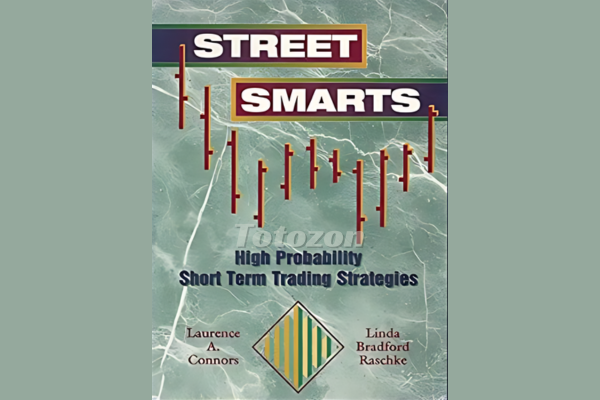 Street Smarts & TS Code with Larry Connors & Linda Bradford Rashcke
1 × $6.00
Street Smarts & TS Code with Larry Connors & Linda Bradford Rashcke
1 × $6.00 -
×
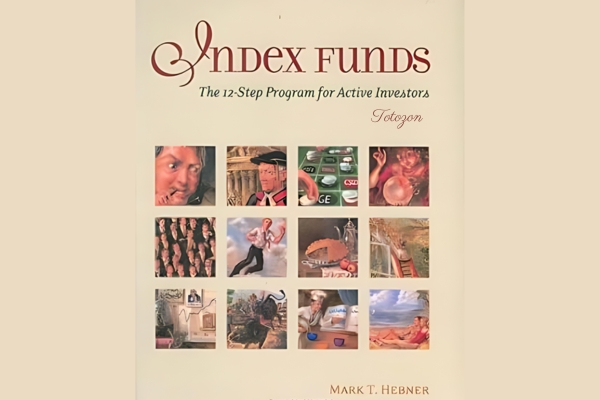 Index Funds with Mark Hebner
1 × $6.00
Index Funds with Mark Hebner
1 × $6.00 -
×
 How To Backtest Bootcamp
1 × $17.00
How To Backtest Bootcamp
1 × $17.00 -
×
 ICT Prodigy Trading Course – $650K in Payouts with Alex Solignani
1 × $15.00
ICT Prodigy Trading Course – $650K in Payouts with Alex Solignani
1 × $15.00 -
×
 ETF and Leveraged ETF Trading Summit
1 × $23.00
ETF and Leveraged ETF Trading Summit
1 × $23.00 -
×
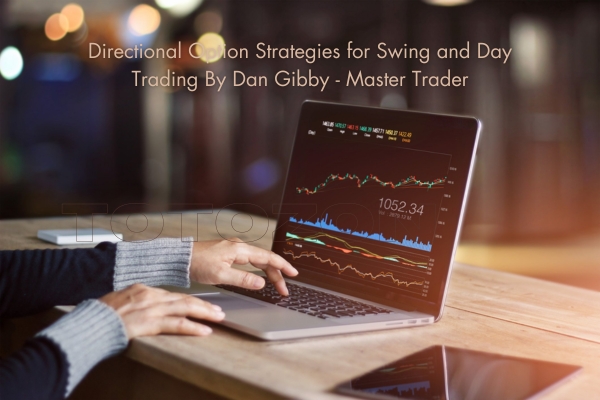 Directional Option Strategies for Swing and Day Trading with Dan Gibby - Master Trader
1 × $54.00
Directional Option Strategies for Swing and Day Trading with Dan Gibby - Master Trader
1 × $54.00 -
×
 Secrets of Investors on WallStreet (Audio) with Ken Fisher
1 × $6.00
Secrets of Investors on WallStreet (Audio) with Ken Fisher
1 × $6.00 -
×
 Chart Reading Course with TraderSumo
1 × $5.00
Chart Reading Course with TraderSumo
1 × $5.00 -
×
 3 Volatility Strategies with Quantified Strategies
1 × $23.00
3 Volatility Strategies with Quantified Strategies
1 × $23.00 -
×
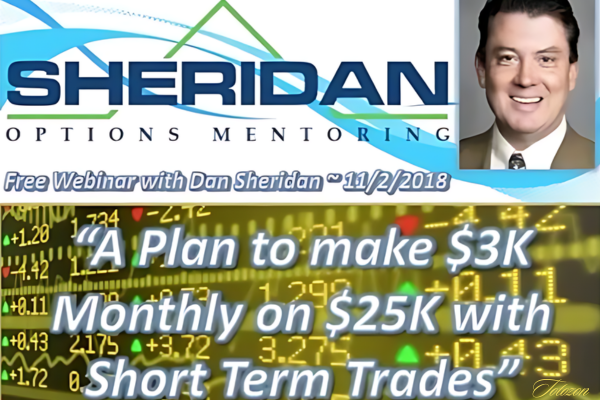 A Plan to make $3k Monthly on $25k with Short Term Trades with Dan Sheridan
1 × $23.00
A Plan to make $3k Monthly on $25k with Short Term Trades with Dan Sheridan
1 × $23.00 -
×
 Read The Market RTM Master Trader Course + Journals
1 × $5.00
Read The Market RTM Master Trader Course + Journals
1 × $5.00 -
×
 MASTERING SWING TRADING May 2024 with Roman Bogomazov
1 × $194.00
MASTERING SWING TRADING May 2024 with Roman Bogomazov
1 × $194.00 -
×
 Option Alpha Signals
1 × $15.00
Option Alpha Signals
1 × $15.00 -
×
 The 13-Week Cash Flow Model
1 × $15.00
The 13-Week Cash Flow Model
1 × $15.00 -
×
 Fundamental Analysis with CA Rachana Ranade
1 × $5.00
Fundamental Analysis with CA Rachana Ranade
1 × $5.00 -
×
 Simulating Continuous Fuzzy Systems with James Buckley & Leonard Jowers
1 × $6.00
Simulating Continuous Fuzzy Systems with James Buckley & Leonard Jowers
1 × $6.00 -
×
 The Random Character of Interest Rates with Joseph Murphy
1 × $6.00
The Random Character of Interest Rates with Joseph Murphy
1 × $6.00 -
×
 Master Forecasting Method & Unpublished Stock Market Forecasting Courses with W.D.Gann
1 × $6.00
Master Forecasting Method & Unpublished Stock Market Forecasting Courses with W.D.Gann
1 × $6.00 -
×
 PennyStocking with Timothy Sykes
1 × $5.00
PennyStocking with Timothy Sykes
1 × $5.00 -
×
 Gann’s Scientific Methods Unveiled (Vol I, II)
1 × $6.00
Gann’s Scientific Methods Unveiled (Vol I, II)
1 × $6.00 -
×
 Basic Options Course Cash Flow. Diversification. Flexibility with Michael Drew
1 × $6.00
Basic Options Course Cash Flow. Diversification. Flexibility with Michael Drew
1 × $6.00 -
×
 Day Trading with Volume Profile and Orderflow - Price Action Volume Trader
1 × $6.00
Day Trading with Volume Profile and Orderflow - Price Action Volume Trader
1 × $6.00 -
×
 Main Online Course with MadCharts
1 × $5.00
Main Online Course with MadCharts
1 × $5.00 -
×
 A Process for Prudential Institutional Investment with Bancroft, Caldwell, McSweeny
1 × $6.00
A Process for Prudential Institutional Investment with Bancroft, Caldwell, McSweeny
1 × $6.00 -
×
 Market Energy Trader with Top Trade Tools
1 × $5.00
Market Energy Trader with Top Trade Tools
1 × $5.00 -
×
 Bond Market Course with The Macro Compass
1 × $15.00
Bond Market Course with The Macro Compass
1 × $15.00 -
×
 Larry Connors Professional Day Trading for Success Program
1 × $62.00
Larry Connors Professional Day Trading for Success Program
1 × $62.00 -
×
 Forex Trading For Beginners with John Jagerson - Investopedia Academy
1 × $6.00
Forex Trading For Beginners with John Jagerson - Investopedia Academy
1 × $6.00 -
×
 Beginners Guide To Technical Analysis with Henry Gambell
1 × $15.00
Beginners Guide To Technical Analysis with Henry Gambell
1 × $15.00 -
×
 SQX Mentorship with Tip Toe Hippo
1 × $23.00
SQX Mentorship with Tip Toe Hippo
1 × $23.00 -
×
 ART Online 4 Weeks Home Study Course with Bennett McDowell
1 × $78.00
ART Online 4 Weeks Home Study Course with Bennett McDowell
1 × $78.00 -
×
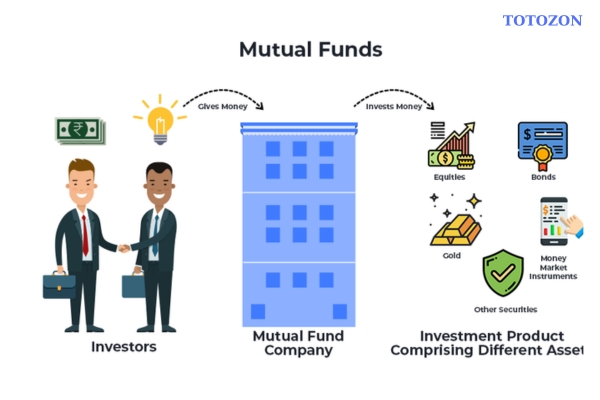 Mutual Funds: Fifty Years of Research Findings by Seth C. Anderson
1 × $6.00
Mutual Funds: Fifty Years of Research Findings by Seth C. Anderson
1 × $6.00 -
×
 Hedge Fund of Funds Investing with Joseph Nicholas
1 × $6.00
Hedge Fund of Funds Investing with Joseph Nicholas
1 × $6.00 -
×
 Reading & Understanding Charts with Andrew Baxter
1 × $6.00
Reading & Understanding Charts with Andrew Baxter
1 × $6.00 -
×
 How Big Money Trades A Key Aspect of Systems Thinking - Van Tharp and Chuck Whitman – Van Tharp
1 × $46.00
How Big Money Trades A Key Aspect of Systems Thinking - Van Tharp and Chuck Whitman – Van Tharp
1 × $46.00 -
×
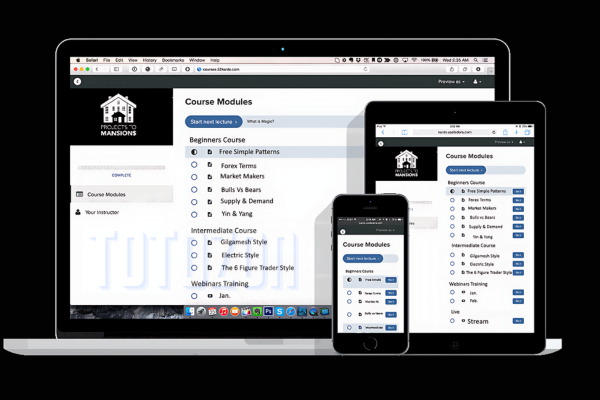 7 Figures Forex Course
1 × $15.00
7 Figures Forex Course
1 × $15.00 -
×
 Elite Price Action Tutorials with Wmd4x
1 × $8.00
Elite Price Action Tutorials with Wmd4x
1 × $8.00 -
×
 Using Robert’s Indicators with Rob Hoffman
1 × $6.00
Using Robert’s Indicators with Rob Hoffman
1 × $6.00 -
×
 Market Structure Matters with Haim Bodek
1 × $62.00
Market Structure Matters with Haim Bodek
1 × $62.00 -
×
 Profit Trading VIX Options Course with Don Kaufman
1 × $6.00
Profit Trading VIX Options Course with Don Kaufman
1 × $6.00 -
×
 Learn Before you Loose
1 × $6.00
Learn Before you Loose
1 × $6.00 -
×
 Investment Fables with Aswath Damodaran
1 × $6.00
Investment Fables with Aswath Damodaran
1 × $6.00 -
×
 Price Analysis Webinar with Carolyn Boroden
1 × $6.00
Price Analysis Webinar with Carolyn Boroden
1 × $6.00 -
×
 Numbers: Their Occult Power and Mystic Virtues
1 × $4.00
Numbers: Their Occult Power and Mystic Virtues
1 × $4.00 -
×
 Evolved Trader with Mark Croock
1 × $69.00
Evolved Trader with Mark Croock
1 × $69.00 -
×
 Mind Over Markets
1 × $6.00
Mind Over Markets
1 × $6.00 -
×
 A Game Plan for Investing in the 21st Century with Thomas J.Dorsey
1 × $6.00
A Game Plan for Investing in the 21st Century with Thomas J.Dorsey
1 × $6.00 -
×
 Trading by the Book (tradingeducators.com)
1 × $6.00
Trading by the Book (tradingeducators.com)
1 × $6.00 -
×
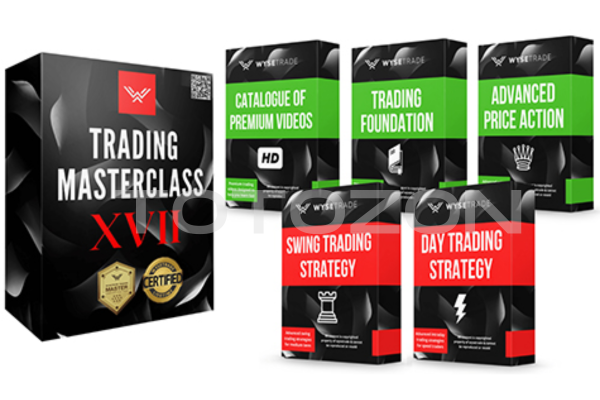 Trading Masterclass XVII with Wysetrade
1 × $6.00
Trading Masterclass XVII with Wysetrade
1 × $6.00 -
×
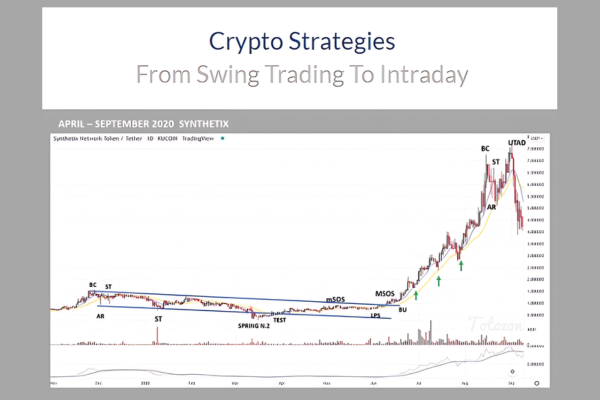 Cloud9Nine Trading Course
1 × $5.00
Cloud9Nine Trading Course
1 × $5.00 -
×
 Mind & Markets. An Advanced Study Course of Stock Market Education (1951) with Bert Larson
1 × $6.00
Mind & Markets. An Advanced Study Course of Stock Market Education (1951) with Bert Larson
1 × $6.00 -
×
 RSI Basic with Andrew Cardwell
1 × $54.00
RSI Basic with Andrew Cardwell
1 × $54.00 -
×
 Gillen Predicts with Jack Gillen
1 × $6.00
Gillen Predicts with Jack Gillen
1 × $6.00 -
×
 Candlestick & Pivot Point Strategies with John L.Person
1 × $6.00
Candlestick & Pivot Point Strategies with John L.Person
1 × $6.00 -
×
 Advanced Trading System 2020
1 × $179.00
Advanced Trading System 2020
1 × $179.00 -
×
 Deep Dive Butterfly Trading Strategy Class with SJG Trades
1 × $41.00
Deep Dive Butterfly Trading Strategy Class with SJG Trades
1 × $41.00 -
×
 Options Trading Training. The Blend SF with Charles Cottle
1 × $6.00
Options Trading Training. The Blend SF with Charles Cottle
1 × $6.00 -
×
 Quantifiable Edges - 3 Course Bundle
1 × $31.00
Quantifiable Edges - 3 Course Bundle
1 × $31.00 -
×
 Masterclass 2.0 with Dave Teaches
1 × $31.00
Masterclass 2.0 with Dave Teaches
1 × $31.00 -
×
 Wheels of Gann. Top Secret Forecast Guide with Pat Reda
1 × $6.00
Wheels of Gann. Top Secret Forecast Guide with Pat Reda
1 × $6.00 -
×
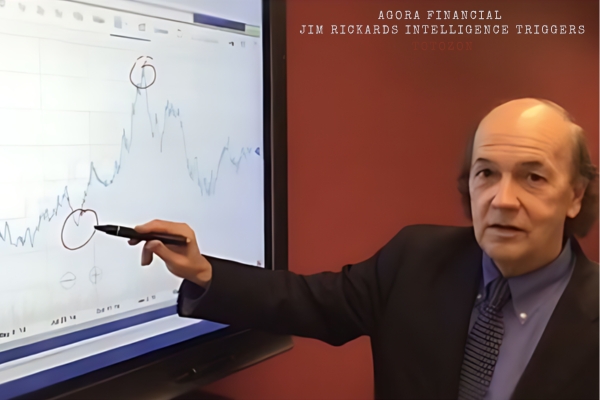 Jim Rickards Intelligence Triggers with Agora Financial
1 × $5.00
Jim Rickards Intelligence Triggers with Agora Financial
1 × $5.00 -
×
 Nora Bystra Legacy International Complete Course
1 × $6.00
Nora Bystra Legacy International Complete Course
1 × $6.00 -
×
 Best of the Best: Collars with Amy Meissner & Scott Ruble
1 × $15.00
Best of the Best: Collars with Amy Meissner & Scott Ruble
1 × $15.00 -
×
 The Complete Guide to Multiple Time Frame Analysis & Reading Price Action with Aiman Almansoori
1 × $13.00
The Complete Guide to Multiple Time Frame Analysis & Reading Price Action with Aiman Almansoori
1 × $13.00

Create Your Own Hedge Fund with Mark Wolfinger
$6.00
File Size: Coming soon!
Delivery Time: 1–12 hours
Media Type: Online Course
Content Proof: Watch Here!
You may check content proof of “Create Your Own Hedge Fund with Mark Wolfinger” below:

Create Your Own Hedge Fund with Mark Wolfinger
Introduction to Hedge Funds
Hedge funds represent a powerful investment vehicle for generating high returns by leveraging various strategies. For those who aspire to create their own hedge fund, Mark Wolfinger, a renowned options trader and educator, provides invaluable guidance. This article will delve into the steps and strategies needed to establish and run a successful hedge fund.
Who is Mark Wolfinger?
Renowned Options Trader and Educator
Mark Wolfinger is a veteran options trader and author with decades of experience in the financial markets. His insights and teachings have helped many traders understand the complexities of options trading.
Educational Contributions
Wolfinger has authored several books and conducted numerous seminars, focusing on options trading strategies. His expertise makes him a valuable resource for anyone looking to create their own hedge fund.
Understanding Hedge Funds
What is a Hedge Fund?
A hedge fund is a pooled investment fund that employs various strategies to earn active returns for its investors. Hedge funds can invest in a wide array of assets and employ techniques such as leverage, derivatives, and short selling.
Key Characteristics
- Flexible Strategies: Can use a wide range of investment strategies.
- Accredited Investors: Typically open to accredited investors with substantial net worth.
- Performance Fees: Managers often earn a percentage of the profits.
Why Create a Hedge Fund?
Creating a hedge fund allows you to leverage your investment expertise to generate significant returns, attract capital from investors, and gain professional recognition.
Steps to Create Your Own Hedge Fund
Step 1: Develop a Strategy
Your hedge fund’s strategy is its foundation. It defines how you will invest and manage risk.
Types of Strategies
- Long/Short Equity: Buying undervalued stocks and shorting overvalued ones.
- Market Neutral: Balancing long and short positions to limit market exposure.
- Global Macro: Capitalizing on macroeconomic trends through various asset classes.
- Event-Driven: Investing based on events like mergers, acquisitions, or bankruptcies.
Step 2: Create a Business Plan
A detailed business plan outlines your hedge fund’s strategy, target market, and operational framework.
Components of a Business Plan
- Executive Summary: Overview of your hedge fund’s objectives and strategy.
- Investment Strategy: Detailed explanation of your trading strategies and risk management techniques.
- Market Analysis: Research on your target market and competitive landscape.
- Operations Plan: Details on fund structure, legal considerations, and operational logistics.
Step 3: Legal and Regulatory Considerations
Hedge funds are subject to various legal and regulatory requirements.
Key Legal Steps
- Form a Legal Entity: Typically, a limited partnership (LP) or limited liability company (LLC).
- Register with the SEC: If managing more than $150 million, registration with the Securities and Exchange Commission is required.
- Compliance: Adhere to regulations such as the Investment Advisers Act of 1940 and Anti-Money Laundering (AML) rules.
Step 4: Raise Capital
Attracting capital is crucial for the success of your hedge fund.
Strategies for Raising Capital
- Pitch Deck: Create a compelling pitch deck highlighting your strategy, team, and past performance.
- Networking: Leverage personal and professional networks to find potential investors.
- Marketing: Use marketing strategies such as seminars, webinars, and digital marketing to attract investors.
Step 5: Establish Operations
Setting up the operational infrastructure is essential for the smooth functioning of your hedge fund.
Operational Considerations
- Prime Brokerage: Partner with a prime broker for trading and financing needs.
- Technology: Implement trading platforms, risk management systems, and back-office software.
- Personnel: Hire key personnel such as analysts, traders, and compliance officers.
Strategies for Hedge Fund Success
Risk Management
Effective risk management is crucial for protecting your capital and ensuring long-term success.
Risk Management Techniques
- Diversification: Spread investments across various asset classes and strategies.
- Hedging: Use derivatives and other instruments to hedge against market risks.
- Stop-Loss Orders: Set stop-loss orders to limit potential losses.
Performance Measurement
Tracking and measuring performance helps in assessing the success of your strategies.
Key Performance Metrics
- Alpha: Measures the fund’s performance relative to a benchmark.
- Beta: Assesses the fund’s sensitivity to market movements.
- Sharpe Ratio: Evaluates risk-adjusted returns.
Continuous Learning and Adaptation
The financial markets are dynamic, requiring continuous learning and adaptation.
Strategies for Continuous Improvement
- Education: Regularly attend seminars, workshops, and courses.
- Research: Stay updated with market trends and new investment strategies.
- Feedback: Seek feedback from investors and peers to improve your strategies.
Common Challenges and Solutions
Regulatory Compliance
Navigating the regulatory landscape can be challenging.
Solution
Hire experienced legal counsel and compliance officers to ensure adherence to all regulations.
Investor Relations
Maintaining strong relationships with investors is crucial for raising and retaining capital.
Solution
Communicate regularly with investors, providing transparent updates on fund performance and strategy adjustments.
Market Volatility
Market volatility can pose significant risks to your hedge fund’s performance.
Solution
Implement robust risk management techniques and diversify your investment strategies.
Conclusion
Creating your own hedge fund with guidance from Mark Wolfinger is an achievable goal with the right strategy, planning, and execution. By understanding the intricacies of hedge fund operations, developing a solid business plan, adhering to legal requirements, and implementing effective risk management, you can establish a successful hedge fund. Continuous learning and adaptation are key to staying competitive in the ever-evolving financial markets.
FAQs
1. What is a hedge fund?
A hedge fund is a pooled investment fund that employs various strategies to earn active returns for its investors, often using leverage, derivatives, and short selling.
2. Why should I consider creating a hedge fund?
Creating a hedge fund allows you to leverage your investment expertise, attract capital, and generate significant returns while gaining professional recognition.
3. What are the key steps to creating a hedge fund?
Key steps include developing a strategy, creating a business plan, addressing legal and regulatory requirements, raising capital, and establishing operations.
4. How important is risk management in a hedge fund?
Risk management is crucial for protecting capital and ensuring long-term success. It involves diversification, hedging, and setting stop-loss orders.
5. What strategies can help in raising capital for a hedge fund?
Strategies include creating a compelling pitch deck, leveraging networks, and using marketing strategies such as seminars and digital marketing to attract investors.
Be the first to review “Create Your Own Hedge Fund with Mark Wolfinger”
You must be logged in to post a review.
Related products
Original price was: $2,120.00.$15.00Current price is: $15.00.
Forex Trading
Original price was: $2,997.00.$23.00Current price is: $23.00.

Forex Trading
Original price was: $500.00.$5.00Current price is: $5.00.

Original price was: $700.00.$39.00Current price is: $39.00.

Original price was: $649.00.$20.00Current price is: $20.00.

Original price was: $999.00.$5.00Current price is: $5.00.
Forex Trading
Original price was: $499.00.$15.00Current price is: $15.00.

Forex Trading
Original price was: $1,098.00.$39.00Current price is: $39.00.

Forex Trading
Original price was: $799.00.$15.00Current price is: $15.00.

Original price was: $497.00.$31.00Current price is: $31.00.

Forex Trading
Original price was: $249.00.$15.00Current price is: $15.00.

Forex Trading
Original price was: $125.00.$17.00Current price is: $17.00.

Forex Trading
Original price was: $999.00.$15.00Current price is: $15.00.

Original price was: $1,200.00.$23.00Current price is: $23.00.

Original price was: $139.00.$23.00Current price is: $23.00.

Forex Trading
Original price was: $2,995.00.$31.00Current price is: $31.00.

Forex Trading
Original price was: $550.00.$5.00Current price is: $5.00.

Original price was: $997.00.$13.00Current price is: $13.00.

Original price was: $4,995.00.$15.00Current price is: $15.00.

Original price was: $1,800.00.$54.00Current price is: $54.00.

Reviews
There are no reviews yet.