
-
×
 Smart Money Trading Course with Prosperity Academy
1 × $5.00
Smart Money Trading Course with Prosperity Academy
1 × $5.00 -
×
 Butterfly and Condor Workshop with Aeromir
1 × $15.00
Butterfly and Condor Workshop with Aeromir
1 × $15.00 -
×
 The MissionFX Compounding Course with Nick Shawn
1 × $5.00
The MissionFX Compounding Course with Nick Shawn
1 × $5.00 -
×
 Essential Skills for Consistency in Trading Class with Don Kaufman
1 × $6.00
Essential Skills for Consistency in Trading Class with Don Kaufman
1 × $6.00 -
×
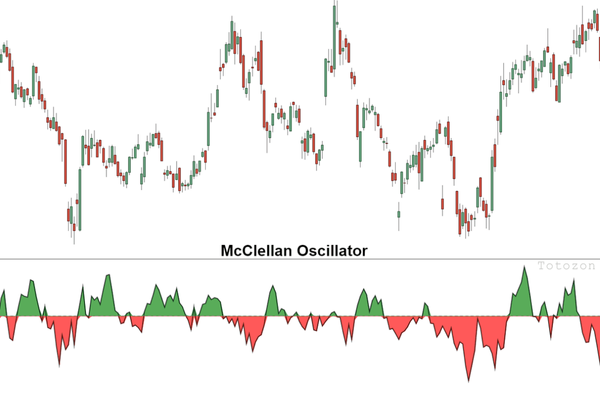 The McClellan Oscillator and Other Tools for with Tom McClellan
1 × $6.00
The McClellan Oscillator and Other Tools for with Tom McClellan
1 × $6.00 -
×
 A Mathematician Plays The Stock Market with John Allen Paulos
1 × $6.00
A Mathematician Plays The Stock Market with John Allen Paulos
1 × $6.00 -
×
 MorningSwing Method with Austin Passamonte
1 × $6.00
MorningSwing Method with Austin Passamonte
1 × $6.00 -
×
 Tornado Trend Trading System with John Bartlett
1 × $6.00
Tornado Trend Trading System with John Bartlett
1 × $6.00 -
×
 SQX Mentorship with Tip Toe Hippo
1 × $23.00
SQX Mentorship with Tip Toe Hippo
1 × $23.00 -
×
 Swing Trading Futures & Commodities with the COT
1 × $93.00
Swing Trading Futures & Commodities with the COT
1 × $93.00 -
×
 Spread Trading E-Trading Stagionale (Italian) with Joe Ross
1 × $6.00
Spread Trading E-Trading Stagionale (Italian) with Joe Ross
1 × $6.00 -
×
 Secret $100k Meeting with Russell Brunson
1 × $6.00
Secret $100k Meeting with Russell Brunson
1 × $6.00 -
×
 Order flow self-study training program with iMFtracker
1 × $10.00
Order flow self-study training program with iMFtracker
1 × $10.00 -
×
 Increasing Vertical Spread Probabilities with Technical Analysis with Doc Severson
1 × $6.00
Increasing Vertical Spread Probabilities with Technical Analysis with Doc Severson
1 × $6.00 -
×
 Forex EURUSD Trader Live Training (2012)
1 × $6.00
Forex EURUSD Trader Live Training (2012)
1 × $6.00 -
×
 Julian Robertson: A Tiger in the Land of Bulls and Bears with Daniel Strachman
1 × $6.00
Julian Robertson: A Tiger in the Land of Bulls and Bears with Daniel Strachman
1 × $6.00 -
×
 AI For Traders with Trading Markets
1 × $31.00
AI For Traders with Trading Markets
1 × $31.00 -
×
 Steady Compounding Investing Academy Course with Steady Compounding
1 × $55.00
Steady Compounding Investing Academy Course with Steady Compounding
1 × $55.00 -
×
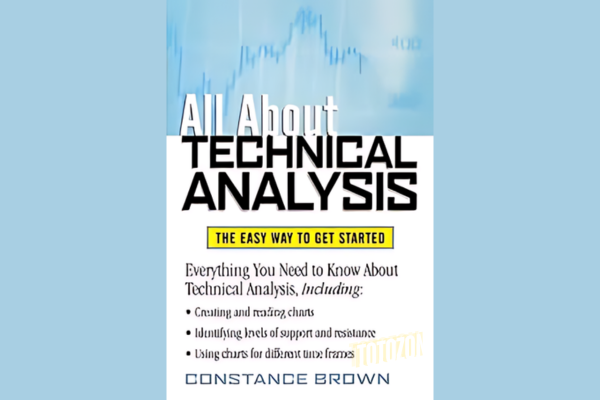 All About Technical Analysis with Constance Brown
1 × $6.00
All About Technical Analysis with Constance Brown
1 × $6.00 -
×
 Smashing False Breakouts with Better System Trader
1 × $5.00
Smashing False Breakouts with Better System Trader
1 × $5.00 -
×
 White Phoenix’s The Smart (Money) Approach to Trading with Jayson Casper
1 × $39.00
White Phoenix’s The Smart (Money) Approach to Trading with Jayson Casper
1 × $39.00 -
×
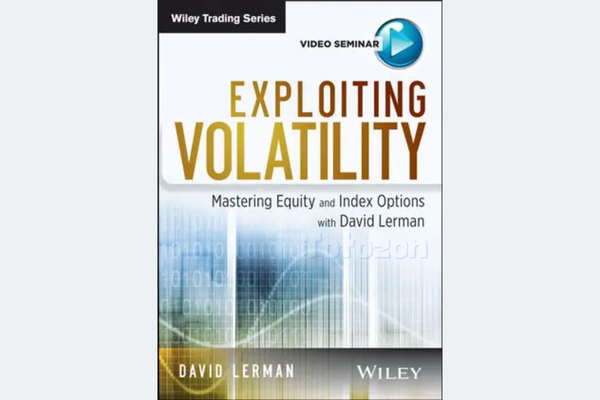 Exploiting Volatility: Mastering Equity and Index Options with David Lerman
1 × $6.00
Exploiting Volatility: Mastering Equity and Index Options with David Lerman
1 × $6.00 -
×
 Pentagonal Time Cycle Theory
1 × $6.00
Pentagonal Time Cycle Theory
1 × $6.00 -
×
 Know Where You Live. Risk Management Toolkit - Seth Gregory & Bob Lambert
1 × $6.00
Know Where You Live. Risk Management Toolkit - Seth Gregory & Bob Lambert
1 × $6.00 -
×
 Forex Trading Systems Elearning Course - Busted Breakout System with Van Tharp
1 × $6.00
Forex Trading Systems Elearning Course - Busted Breakout System with Van Tharp
1 × $6.00 -
×
 D5 Render Course with Nuno Silva
1 × $27.00
D5 Render Course with Nuno Silva
1 × $27.00 -
×
 Trading The Hobbs Triple Crown Strategy with Derrik Hobbs
1 × $6.00
Trading The Hobbs Triple Crown Strategy with Derrik Hobbs
1 × $6.00 -
×
 Forex Avenger Trading System with David Curran
1 × $6.00
Forex Avenger Trading System with David Curran
1 × $6.00 -
×
 Complete Guide to Online Stock Market Investing (2nd Edition) with Alexander Davidson
1 × $6.00
Complete Guide to Online Stock Market Investing (2nd Edition) with Alexander Davidson
1 × $6.00 -
×
 ICT Prodigy Trading Course – $650K in Payouts with Alex Solignani
1 × $15.00
ICT Prodigy Trading Course – $650K in Payouts with Alex Solignani
1 × $15.00 -
×
 TradeCraft: Your Path to Peak Performance Trading By Adam Grimes
1 × $15.00
TradeCraft: Your Path to Peak Performance Trading By Adam Grimes
1 × $15.00 -
×
 The Prop Trading Code with Brannigan Barrett - Axia Futures
1 × $23.00
The Prop Trading Code with Brannigan Barrett - Axia Futures
1 × $23.00

Create Your Own Hedge Fund with Mark Wolfinger
$6.00
File Size: Coming soon!
Delivery Time: 1–12 hours
Media Type: Online Course
Content Proof: Watch Here!
You may check content proof of “Create Your Own Hedge Fund with Mark Wolfinger” below:

Create Your Own Hedge Fund with Mark Wolfinger
Introduction to Hedge Funds
Hedge funds represent a powerful investment vehicle for generating high returns by leveraging various strategies. For those who aspire to create their own hedge fund, Mark Wolfinger, a renowned options trader and educator, provides invaluable guidance. This article will delve into the steps and strategies needed to establish and run a successful hedge fund.
Who is Mark Wolfinger?
Renowned Options Trader and Educator
Mark Wolfinger is a veteran options trader and author with decades of experience in the financial markets. His insights and teachings have helped many traders understand the complexities of options trading.
Educational Contributions
Wolfinger has authored several books and conducted numerous seminars, focusing on options trading strategies. His expertise makes him a valuable resource for anyone looking to create their own hedge fund.
Understanding Hedge Funds
What is a Hedge Fund?
A hedge fund is a pooled investment fund that employs various strategies to earn active returns for its investors. Hedge funds can invest in a wide array of assets and employ techniques such as leverage, derivatives, and short selling.
Key Characteristics
- Flexible Strategies: Can use a wide range of investment strategies.
- Accredited Investors: Typically open to accredited investors with substantial net worth.
- Performance Fees: Managers often earn a percentage of the profits.
Why Create a Hedge Fund?
Creating a hedge fund allows you to leverage your investment expertise to generate significant returns, attract capital from investors, and gain professional recognition.
Steps to Create Your Own Hedge Fund
Step 1: Develop a Strategy
Your hedge fund’s strategy is its foundation. It defines how you will invest and manage risk.
Types of Strategies
- Long/Short Equity: Buying undervalued stocks and shorting overvalued ones.
- Market Neutral: Balancing long and short positions to limit market exposure.
- Global Macro: Capitalizing on macroeconomic trends through various asset classes.
- Event-Driven: Investing based on events like mergers, acquisitions, or bankruptcies.
Step 2: Create a Business Plan
A detailed business plan outlines your hedge fund’s strategy, target market, and operational framework.
Components of a Business Plan
- Executive Summary: Overview of your hedge fund’s objectives and strategy.
- Investment Strategy: Detailed explanation of your trading strategies and risk management techniques.
- Market Analysis: Research on your target market and competitive landscape.
- Operations Plan: Details on fund structure, legal considerations, and operational logistics.
Step 3: Legal and Regulatory Considerations
Hedge funds are subject to various legal and regulatory requirements.
Key Legal Steps
- Form a Legal Entity: Typically, a limited partnership (LP) or limited liability company (LLC).
- Register with the SEC: If managing more than $150 million, registration with the Securities and Exchange Commission is required.
- Compliance: Adhere to regulations such as the Investment Advisers Act of 1940 and Anti-Money Laundering (AML) rules.
Step 4: Raise Capital
Attracting capital is crucial for the success of your hedge fund.
Strategies for Raising Capital
- Pitch Deck: Create a compelling pitch deck highlighting your strategy, team, and past performance.
- Networking: Leverage personal and professional networks to find potential investors.
- Marketing: Use marketing strategies such as seminars, webinars, and digital marketing to attract investors.
Step 5: Establish Operations
Setting up the operational infrastructure is essential for the smooth functioning of your hedge fund.
Operational Considerations
- Prime Brokerage: Partner with a prime broker for trading and financing needs.
- Technology: Implement trading platforms, risk management systems, and back-office software.
- Personnel: Hire key personnel such as analysts, traders, and compliance officers.
Strategies for Hedge Fund Success
Risk Management
Effective risk management is crucial for protecting your capital and ensuring long-term success.
Risk Management Techniques
- Diversification: Spread investments across various asset classes and strategies.
- Hedging: Use derivatives and other instruments to hedge against market risks.
- Stop-Loss Orders: Set stop-loss orders to limit potential losses.
Performance Measurement
Tracking and measuring performance helps in assessing the success of your strategies.
Key Performance Metrics
- Alpha: Measures the fund’s performance relative to a benchmark.
- Beta: Assesses the fund’s sensitivity to market movements.
- Sharpe Ratio: Evaluates risk-adjusted returns.
Continuous Learning and Adaptation
The financial markets are dynamic, requiring continuous learning and adaptation.
Strategies for Continuous Improvement
- Education: Regularly attend seminars, workshops, and courses.
- Research: Stay updated with market trends and new investment strategies.
- Feedback: Seek feedback from investors and peers to improve your strategies.
Common Challenges and Solutions
Regulatory Compliance
Navigating the regulatory landscape can be challenging.
Solution
Hire experienced legal counsel and compliance officers to ensure adherence to all regulations.
Investor Relations
Maintaining strong relationships with investors is crucial for raising and retaining capital.
Solution
Communicate regularly with investors, providing transparent updates on fund performance and strategy adjustments.
Market Volatility
Market volatility can pose significant risks to your hedge fund’s performance.
Solution
Implement robust risk management techniques and diversify your investment strategies.
Conclusion
Creating your own hedge fund with guidance from Mark Wolfinger is an achievable goal with the right strategy, planning, and execution. By understanding the intricacies of hedge fund operations, developing a solid business plan, adhering to legal requirements, and implementing effective risk management, you can establish a successful hedge fund. Continuous learning and adaptation are key to staying competitive in the ever-evolving financial markets.
FAQs
1. What is a hedge fund?
A hedge fund is a pooled investment fund that employs various strategies to earn active returns for its investors, often using leverage, derivatives, and short selling.
2. Why should I consider creating a hedge fund?
Creating a hedge fund allows you to leverage your investment expertise, attract capital, and generate significant returns while gaining professional recognition.
3. What are the key steps to creating a hedge fund?
Key steps include developing a strategy, creating a business plan, addressing legal and regulatory requirements, raising capital, and establishing operations.
4. How important is risk management in a hedge fund?
Risk management is crucial for protecting capital and ensuring long-term success. It involves diversification, hedging, and setting stop-loss orders.
5. What strategies can help in raising capital for a hedge fund?
Strategies include creating a compelling pitch deck, leveraging networks, and using marketing strategies such as seminars and digital marketing to attract investors.
Be the first to review “Create Your Own Hedge Fund with Mark Wolfinger”
You must be logged in to post a review.
Related products

Forex Trading
Original price was: $239.00.$8.00Current price is: $8.00.

Original price was: $299.00.$8.00Current price is: $8.00.

Forex Trading
Original price was: $2,000.00.$23.00Current price is: $23.00.

Forex Trading
Original price was: $500.00.$5.00Current price is: $5.00.

Forex Trading
Original price was: $4,997.00.$27.00Current price is: $27.00.

Original price was: $497.00.$11.00Current price is: $11.00.

Forex Trading
Original price was: $697.00.$5.00Current price is: $5.00.

Forex Trading
Original price was: $397.00.$31.00Current price is: $31.00.

Forex Trading
Original price was: $249.00.$15.00Current price is: $15.00.

Forex Trading
Original price was: $550.00.$5.00Current price is: $5.00.

Forex Trading
Original price was: $1,098.00.$39.00Current price is: $39.00.
Original price was: $700.00.$39.00Current price is: $39.00.

Original price was: $649.00.$20.00Current price is: $20.00.

Forex Trading
Original price was: $850.00.$23.00Current price is: $23.00.
Original price was: $1,200.00.$23.00Current price is: $23.00.

Forex Trading
Quantamentals – The Next Great Forefront Of Trading and Investing with Trading Markets
Original price was: $1,495.00.$8.00Current price is: $8.00.

Forex Trading
Original price was: $125.00.$17.00Current price is: $17.00.

Forex Trading
Original price was: $499.00.$15.00Current price is: $15.00.

Original price was: $999.00.$5.00Current price is: $5.00.
Forex Trading
Original price was: $2,997.00.$23.00Current price is: $23.00.

Reviews
There are no reviews yet.