
-
×
 Selling Options for Income, Profits & Opportunistic Hedge Trading Management with Powercycletrading
1 × $69.00
Selling Options for Income, Profits & Opportunistic Hedge Trading Management with Powercycletrading
1 × $69.00 -
×
 The Best of the Professional Traders Journal. Market Timing with Larry Connors
1 × $6.00
The Best of the Professional Traders Journal. Market Timing with Larry Connors
1 × $6.00 -
×
 All Time High Trading Course with TRADEVERSITY
1 × $5.00
All Time High Trading Course with TRADEVERSITY
1 × $5.00 -
×
 Secrets of Trading GBP, JPY, and CHF By Boris Schlossberg and Kathy Lien - Bkforex
1 × $6.00
Secrets of Trading GBP, JPY, and CHF By Boris Schlossberg and Kathy Lien - Bkforex
1 × $6.00 -
×
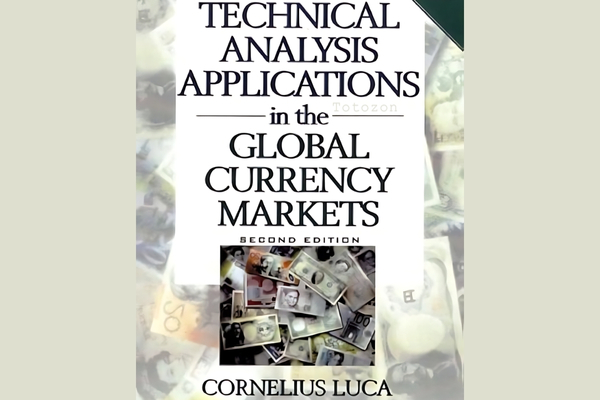 Technical Analysis Applications in the Global Currency Markets (2nd Ed.) with Cornelius Luca
1 × $6.00
Technical Analysis Applications in the Global Currency Markets (2nd Ed.) with Cornelius Luca
1 × $6.00 -
×
 Quantum Stone Capital
1 × $15.00
Quantum Stone Capital
1 × $15.00 -
×
 Learn Before you Loose
1 × $6.00
Learn Before you Loose
1 × $6.00 -
×
 The Ultimate Forex Structure Course
1 × $31.00
The Ultimate Forex Structure Course
1 × $31.00 -
×
 AI For Traders with Trading Markets
1 × $31.00
AI For Traders with Trading Markets
1 × $31.00 -
×
 POS+ Hindi 30 Days Subscription with Surjeetkakkar
1 × $62.00
POS+ Hindi 30 Days Subscription with Surjeetkakkar
1 × $62.00 -
×
 New Market Mavericks with Geoff Cutmore
1 × $6.00
New Market Mavericks with Geoff Cutmore
1 × $6.00 -
×
 Mastering Collar Trades Pro with Vince Vora - TradingWins
1 × $6.00
Mastering Collar Trades Pro with Vince Vora - TradingWins
1 × $6.00 -
×
 Sacredscience - Sepharial Arcana – Rubber
1 × $6.00
Sacredscience - Sepharial Arcana – Rubber
1 × $6.00 -
×
 Gold Nuggets for Stock and Commodity Traders with George Bayer
1 × $6.00
Gold Nuggets for Stock and Commodity Traders with George Bayer
1 × $6.00 -
×
 Math Trading Course 2023
1 × $34.00
Math Trading Course 2023
1 × $34.00 -
×
 Oportunities in Forex Calendar Trading Patterns with Anduril Analytics
1 × $6.00
Oportunities in Forex Calendar Trading Patterns with Anduril Analytics
1 × $6.00 -
×
 Stock Market Investing for Financial Independence & Retiring Early with Amon & Christina
1 × $15.00
Stock Market Investing for Financial Independence & Retiring Early with Amon & Christina
1 × $15.00 -
×
 The Handbook of Risk with Ben Warwick
1 × $6.00
The Handbook of Risk with Ben Warwick
1 × $6.00 -
×
 The Great Divergence: China, Europe, and the Making of the Modern World Economy with Kenneth Pomeranz
1 × $6.00
The Great Divergence: China, Europe, and the Making of the Modern World Economy with Kenneth Pomeranz
1 × $6.00 -
×
 How To Trade Like a Pro, Not a Hobby with Jason Bond
1 × $62.00
How To Trade Like a Pro, Not a Hobby with Jason Bond
1 × $62.00 -
×
 Project Manager’s Spotlight on Risk Management with Kim Heldman
1 × $5.00
Project Manager’s Spotlight on Risk Management with Kim Heldman
1 × $5.00 -
×
 Selective Forex Trading with Don Snellgrove
1 × $6.00
Selective Forex Trading with Don Snellgrove
1 × $6.00 -
×
 Beginner's Guide to Ratio Butterflys Class with Don Kaufman
1 × $6.00
Beginner's Guide to Ratio Butterflys Class with Don Kaufman
1 × $6.00 -
×
 SQX Mentorship with Tip Toe Hippo
1 × $23.00
SQX Mentorship with Tip Toe Hippo
1 × $23.00 -
×
 Options 201: Vertical and Calendar Spread Essentials 5 Part Class with Don Kaufman On Demand Replay
1 × $6.00
Options 201: Vertical and Calendar Spread Essentials 5 Part Class with Don Kaufman On Demand Replay
1 × $6.00 -
×
 Sang Lucci Master Course 2021 with Sang Lucci
1 × $6.00
Sang Lucci Master Course 2021 with Sang Lucci
1 × $6.00 -
×
 Traders Workshop – Forex Full Course with Jason Stapleton
1 × $6.00
Traders Workshop – Forex Full Course with Jason Stapleton
1 × $6.00 -
×
 Systems Trading for Spread Betting: An end-to-end guide for developing spread betting systems with Gary Ford
1 × $6.00
Systems Trading for Spread Betting: An end-to-end guide for developing spread betting systems with Gary Ford
1 × $6.00 -
×
 Technical Analysis 201: From Chart Setups to Trading Execution Methodology Class with Jeff Bierman
1 × $6.00
Technical Analysis 201: From Chart Setups to Trading Execution Methodology Class with Jeff Bierman
1 × $6.00 -
×
 Market Neutral Strategies with Bruce I.Jacobs & Kenneth N.Levy
1 × $6.00
Market Neutral Strategies with Bruce I.Jacobs & Kenneth N.Levy
1 × $6.00 -
×
 Intra-day Trading Strategies. Proven Steps to Trading Profits
1 × $6.00
Intra-day Trading Strategies. Proven Steps to Trading Profits
1 × $6.00 -
×
 Butterfly and Condor Workshop with Aeromir
1 × $15.00
Butterfly and Condor Workshop with Aeromir
1 × $15.00 -
×
 Kaizen On-Demand By Candle Charts
1 × $6.00
Kaizen On-Demand By Candle Charts
1 × $6.00 -
×
 The Illustrated Guide to Technical Analysis Signals and Phrases with Constance Brown
1 × $6.00
The Illustrated Guide to Technical Analysis Signals and Phrases with Constance Brown
1 × $6.00 -
×
 Altucher’s Top 1% Advisory Newsletter 2016 with James Altucher
1 × $6.00
Altucher’s Top 1% Advisory Newsletter 2016 with James Altucher
1 × $6.00 -
×
 Advanced Forex Mastery Course with Alpha Forex Global
1 × $5.00
Advanced Forex Mastery Course with Alpha Forex Global
1 × $5.00 -
×
 The Indices Orderflow Masterclass with The Forex Scalpers
1 × $23.00
The Indices Orderflow Masterclass with The Forex Scalpers
1 × $23.00 -
×
 Jeffrey Kennedy’s Package ( Discount 25% )
1 × $31.00
Jeffrey Kennedy’s Package ( Discount 25% )
1 × $31.00 -
×
 WickOrTreat Trading Course with WickOrTreat
1 × $6.00
WickOrTreat Trading Course with WickOrTreat
1 × $6.00 -
×
 Trading Short TermSame Day Trades Sep 2023 with Dan Sheridan & Mark Fenton - Sheridan Options Mentoring
1 × $31.00
Trading Short TermSame Day Trades Sep 2023 with Dan Sheridan & Mark Fenton - Sheridan Options Mentoring
1 × $31.00 -
×
 Dividend Key Home Study Course with Hubb Financial
1 × $6.00
Dividend Key Home Study Course with Hubb Financial
1 × $6.00 -
×
 Blueprint to Extreme Reversals with Aiman Almansoori - Trading Terminal
1 × $8.00
Blueprint to Extreme Reversals with Aiman Almansoori - Trading Terminal
1 × $8.00 -
×
 Winning with Value Charts with Dave Stendahl
1 × $6.00
Winning with Value Charts with Dave Stendahl
1 × $6.00 -
×
 Speculating with Futures and Traditional Commodities Part II (Liverpool Group) - Noble DraKoln
1 × $6.00
Speculating with Futures and Traditional Commodities Part II (Liverpool Group) - Noble DraKoln
1 × $6.00 -
×
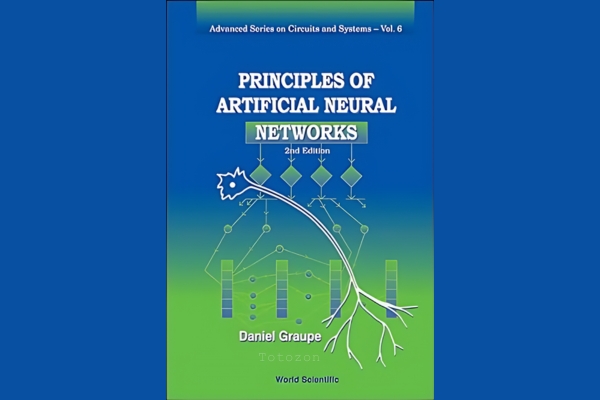 Principles of Artificial Neural Networks (2nd Ed.) with Daniel Graupe
1 × $6.00
Principles of Artificial Neural Networks (2nd Ed.) with Daniel Graupe
1 × $6.00 -
×
 DAY TRADING COURSE 2018
1 × $6.00
DAY TRADING COURSE 2018
1 × $6.00 -
×
 Survive and Thrive in Extreme Volatility Class with Don Kaufman
1 × $6.00
Survive and Thrive in Extreme Volatility Class with Don Kaufman
1 × $6.00 -
×
 How To Read The Market Professionally with TradeSmart
1 × $27.00
How To Read The Market Professionally with TradeSmart
1 × $27.00 -
×
 The Orderflows Trade Opportunities Encyclopedia with Michael Valtos
1 × $8.00
The Orderflows Trade Opportunities Encyclopedia with Michael Valtos
1 × $8.00 -
×
 Market Energy Trader with Top Trade Tools
1 × $5.00
Market Energy Trader with Top Trade Tools
1 × $5.00 -
×
 Super CD Companion for Metastock with Martin Pring
1 × $6.00
Super CD Companion for Metastock with Martin Pring
1 × $6.00 -
×
 Tradingconceptsinc - Calendar Spreads
1 × $23.00
Tradingconceptsinc - Calendar Spreads
1 × $23.00 -
×
 Fibonacci Trading Course - Money Management & Trend Analysis
1 × $6.00
Fibonacci Trading Course - Money Management & Trend Analysis
1 × $6.00 -
×
 Master Trader Course
1 × $23.00
Master Trader Course
1 × $23.00 -
×
 Qualitative - Financial Statement Analysis with Sandesh Banger
1 × $5.00
Qualitative - Financial Statement Analysis with Sandesh Banger
1 × $5.00 -
×
 Price Action Manual (2nd Ed.) with Bruce Gilmore
1 × $6.00
Price Action Manual (2nd Ed.) with Bruce Gilmore
1 × $6.00 -
×
 The Practical Application of Fibonacci Analysis to Investment Markets
1 × $6.00
The Practical Application of Fibonacci Analysis to Investment Markets
1 × $6.00 -
×
 Money Attraction Bootcamp - Video + Audio + Workbook by Greg Habstritt
1 × $6.00
Money Attraction Bootcamp - Video + Audio + Workbook by Greg Habstritt
1 × $6.00 -
×
 Secret $100k Meeting with Russell Brunson
1 × $6.00
Secret $100k Meeting with Russell Brunson
1 × $6.00 -
×
 Patterns of Speculation with Bertrand M.Roehner
1 × $6.00
Patterns of Speculation with Bertrand M.Roehner
1 × $6.00 -
×
 High Probability Trading Using Elliott Wave And Fibonacci Analysis withVic Patel - Forex Training Group
1 × $10.00
High Probability Trading Using Elliott Wave And Fibonacci Analysis withVic Patel - Forex Training Group
1 × $10.00

Create Your Own Hedge Fund with Mark Wolfinger
$6.00
File Size: Coming soon!
Delivery Time: 1–12 hours
Media Type: Online Course
Content Proof: Watch Here!
You may check content proof of “Create Your Own Hedge Fund with Mark Wolfinger” below:

Create Your Own Hedge Fund with Mark Wolfinger
Introduction to Hedge Funds
Hedge funds represent a powerful investment vehicle for generating high returns by leveraging various strategies. For those who aspire to create their own hedge fund, Mark Wolfinger, a renowned options trader and educator, provides invaluable guidance. This article will delve into the steps and strategies needed to establish and run a successful hedge fund.
Who is Mark Wolfinger?
Renowned Options Trader and Educator
Mark Wolfinger is a veteran options trader and author with decades of experience in the financial markets. His insights and teachings have helped many traders understand the complexities of options trading.
Educational Contributions
Wolfinger has authored several books and conducted numerous seminars, focusing on options trading strategies. His expertise makes him a valuable resource for anyone looking to create their own hedge fund.
Understanding Hedge Funds
What is a Hedge Fund?
A hedge fund is a pooled investment fund that employs various strategies to earn active returns for its investors. Hedge funds can invest in a wide array of assets and employ techniques such as leverage, derivatives, and short selling.
Key Characteristics
- Flexible Strategies: Can use a wide range of investment strategies.
- Accredited Investors: Typically open to accredited investors with substantial net worth.
- Performance Fees: Managers often earn a percentage of the profits.
Why Create a Hedge Fund?
Creating a hedge fund allows you to leverage your investment expertise to generate significant returns, attract capital from investors, and gain professional recognition.
Steps to Create Your Own Hedge Fund
Step 1: Develop a Strategy
Your hedge fund’s strategy is its foundation. It defines how you will invest and manage risk.
Types of Strategies
- Long/Short Equity: Buying undervalued stocks and shorting overvalued ones.
- Market Neutral: Balancing long and short positions to limit market exposure.
- Global Macro: Capitalizing on macroeconomic trends through various asset classes.
- Event-Driven: Investing based on events like mergers, acquisitions, or bankruptcies.
Step 2: Create a Business Plan
A detailed business plan outlines your hedge fund’s strategy, target market, and operational framework.
Components of a Business Plan
- Executive Summary: Overview of your hedge fund’s objectives and strategy.
- Investment Strategy: Detailed explanation of your trading strategies and risk management techniques.
- Market Analysis: Research on your target market and competitive landscape.
- Operations Plan: Details on fund structure, legal considerations, and operational logistics.
Step 3: Legal and Regulatory Considerations
Hedge funds are subject to various legal and regulatory requirements.
Key Legal Steps
- Form a Legal Entity: Typically, a limited partnership (LP) or limited liability company (LLC).
- Register with the SEC: If managing more than $150 million, registration with the Securities and Exchange Commission is required.
- Compliance: Adhere to regulations such as the Investment Advisers Act of 1940 and Anti-Money Laundering (AML) rules.
Step 4: Raise Capital
Attracting capital is crucial for the success of your hedge fund.
Strategies for Raising Capital
- Pitch Deck: Create a compelling pitch deck highlighting your strategy, team, and past performance.
- Networking: Leverage personal and professional networks to find potential investors.
- Marketing: Use marketing strategies such as seminars, webinars, and digital marketing to attract investors.
Step 5: Establish Operations
Setting up the operational infrastructure is essential for the smooth functioning of your hedge fund.
Operational Considerations
- Prime Brokerage: Partner with a prime broker for trading and financing needs.
- Technology: Implement trading platforms, risk management systems, and back-office software.
- Personnel: Hire key personnel such as analysts, traders, and compliance officers.
Strategies for Hedge Fund Success
Risk Management
Effective risk management is crucial for protecting your capital and ensuring long-term success.
Risk Management Techniques
- Diversification: Spread investments across various asset classes and strategies.
- Hedging: Use derivatives and other instruments to hedge against market risks.
- Stop-Loss Orders: Set stop-loss orders to limit potential losses.
Performance Measurement
Tracking and measuring performance helps in assessing the success of your strategies.
Key Performance Metrics
- Alpha: Measures the fund’s performance relative to a benchmark.
- Beta: Assesses the fund’s sensitivity to market movements.
- Sharpe Ratio: Evaluates risk-adjusted returns.
Continuous Learning and Adaptation
The financial markets are dynamic, requiring continuous learning and adaptation.
Strategies for Continuous Improvement
- Education: Regularly attend seminars, workshops, and courses.
- Research: Stay updated with market trends and new investment strategies.
- Feedback: Seek feedback from investors and peers to improve your strategies.
Common Challenges and Solutions
Regulatory Compliance
Navigating the regulatory landscape can be challenging.
Solution
Hire experienced legal counsel and compliance officers to ensure adherence to all regulations.
Investor Relations
Maintaining strong relationships with investors is crucial for raising and retaining capital.
Solution
Communicate regularly with investors, providing transparent updates on fund performance and strategy adjustments.
Market Volatility
Market volatility can pose significant risks to your hedge fund’s performance.
Solution
Implement robust risk management techniques and diversify your investment strategies.
Conclusion
Creating your own hedge fund with guidance from Mark Wolfinger is an achievable goal with the right strategy, planning, and execution. By understanding the intricacies of hedge fund operations, developing a solid business plan, adhering to legal requirements, and implementing effective risk management, you can establish a successful hedge fund. Continuous learning and adaptation are key to staying competitive in the ever-evolving financial markets.
FAQs
1. What is a hedge fund?
A hedge fund is a pooled investment fund that employs various strategies to earn active returns for its investors, often using leverage, derivatives, and short selling.
2. Why should I consider creating a hedge fund?
Creating a hedge fund allows you to leverage your investment expertise, attract capital, and generate significant returns while gaining professional recognition.
3. What are the key steps to creating a hedge fund?
Key steps include developing a strategy, creating a business plan, addressing legal and regulatory requirements, raising capital, and establishing operations.
4. How important is risk management in a hedge fund?
Risk management is crucial for protecting capital and ensuring long-term success. It involves diversification, hedging, and setting stop-loss orders.
5. What strategies can help in raising capital for a hedge fund?
Strategies include creating a compelling pitch deck, leveraging networks, and using marketing strategies such as seminars and digital marketing to attract investors.
Be the first to review “Create Your Own Hedge Fund with Mark Wolfinger”
You must be logged in to post a review.
Related products

Original price was: $1,800.00.$54.00Current price is: $54.00.

Forex Trading
Original price was: $125.00.$17.00Current price is: $17.00.

Forex Trading
Original price was: $239.00.$8.00Current price is: $8.00.
Original price was: $299.00.$8.00Current price is: $8.00.

Original price was: $999.00.$5.00Current price is: $5.00.

Original price was: $310.00.$23.00Current price is: $23.00.

Original price was: $1,849.00.$15.00Current price is: $15.00.

Forex Trading
Original price was: $499.00.$15.00Current price is: $15.00.

Forex Trading
Original price was: $2,000.00.$23.00Current price is: $23.00.

Original price was: $799.00.$15.00Current price is: $15.00.
Forex Trading
Original price was: $2,995.00.$31.00Current price is: $31.00.

Original price was: $700.00.$39.00Current price is: $39.00.
Forex Trading
Original price was: $2,997.00.$23.00Current price is: $23.00.
Forex Trading
Original price was: $397.00.$31.00Current price is: $31.00.

Original price was: $139.00.$23.00Current price is: $23.00.

Forex Trading
Original price was: $249.00.$15.00Current price is: $15.00.

Forex Trading
Quantamentals – The Next Great Forefront Of Trading and Investing with Trading Markets
Original price was: $1,495.00.$8.00Current price is: $8.00.
Forex Trading
Original price was: $4,997.00.$27.00Current price is: $27.00.

Original price was: $895.00.$15.00Current price is: $15.00.

Forex Trading
The Complete Guide to Multiple Time Frame Analysis & Reading Price Action with Aiman Almansoori
Original price was: $1,399.00.$13.00Current price is: $13.00.

Reviews
There are no reviews yet.