
-
×
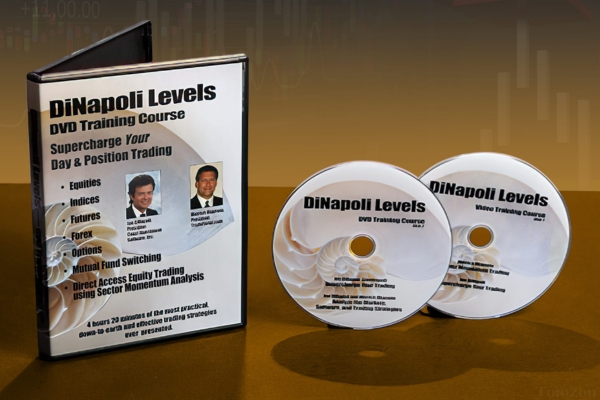 DiNapoli Levels Training Course with Joe DiNapoli & Merrick Okamoto
1 × $6.00
DiNapoli Levels Training Course with Joe DiNapoli & Merrick Okamoto
1 × $6.00 -
×
 How to Value & Sell your Business with Andrew Heslop
1 × $6.00
How to Value & Sell your Business with Andrew Heslop
1 × $6.00 -
×
 6-2-4 Winning Strategies & Systems with Jack Bernstein
1 × $6.00
6-2-4 Winning Strategies & Systems with Jack Bernstein
1 × $6.00 -
×
 Matrix Spread Options Trading Course with Base Camp Trading
1 × $31.00
Matrix Spread Options Trading Course with Base Camp Trading
1 × $31.00 -
×
 Day Trading Options Guide PDF with Matt Diamond
1 × $23.00
Day Trading Options Guide PDF with Matt Diamond
1 × $23.00 -
×
 San Jose Options - Iron Condor & Butterfly Options Trading Videos
1 × $15.00
San Jose Options - Iron Condor & Butterfly Options Trading Videos
1 × $15.00 -
×
 7 Commandments of Stock Investing with Gene Marcial
1 × $6.00
7 Commandments of Stock Investing with Gene Marcial
1 × $6.00 -
×
 Best of the Best: Collars with Amy Meissner & Scott Ruble
1 × $15.00
Best of the Best: Collars with Amy Meissner & Scott Ruble
1 × $15.00 -
×
 Self-Mastery Course with Steven Cruz
1 × $62.00
Self-Mastery Course with Steven Cruz
1 × $62.00 -
×
 Trading From Your Gut with Curtis Faith
1 × $6.00
Trading From Your Gut with Curtis Faith
1 × $6.00 -
×
 How I Quit my Job & Turned 6k into Half Million Trading Commodities with Bob Buran
1 × $4.00
How I Quit my Job & Turned 6k into Half Million Trading Commodities with Bob Buran
1 × $4.00 -
×
 The A14 Weekly Option Strategy Workshop with Amy Meissner
1 × $23.00
The A14 Weekly Option Strategy Workshop with Amy Meissner
1 × $23.00 -
×
 Advanced Options Concepts - Probability, Greeks, Simulation
1 × $6.00
Advanced Options Concepts - Probability, Greeks, Simulation
1 × $6.00 -
×
 Fibonacci Analysis with Constance Brown
1 × $6.00
Fibonacci Analysis with Constance Brown
1 × $6.00 -
×
 The Logical Trader: Applying a Method to the Madness with Mark Fisher
1 × $6.00
The Logical Trader: Applying a Method to the Madness with Mark Fisher
1 × $6.00 -
×
 How To Create Your Own Trading Strategy with Simon Klein - Trade Smart
1 × $5.00
How To Create Your Own Trading Strategy with Simon Klein - Trade Smart
1 × $5.00 -
×
 DaVinci FX Course
1 × $6.00
DaVinci FX Course
1 × $6.00 -
×
 Options Trading & Ultimate MasterClass With Tyrone Abela - FX Evolution
1 × $54.00
Options Trading & Ultimate MasterClass With Tyrone Abela - FX Evolution
1 × $54.00 -
×
 The Orderflows Trade Opportunities Encyclopedia with Michael Valtos
1 × $8.00
The Orderflows Trade Opportunities Encyclopedia with Michael Valtos
1 × $8.00 -
×
 7 DAY INTENSIVE ONLINE TRADER TRAINING PROGRAMME with The Trading Framework
1 × $15.00
7 DAY INTENSIVE ONLINE TRADER TRAINING PROGRAMME with The Trading Framework
1 × $15.00 -
×
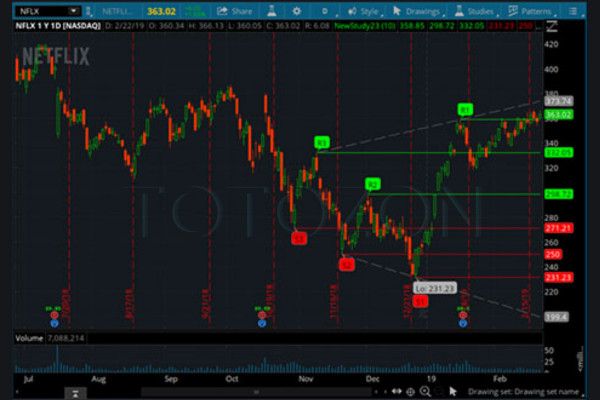 MQ Gravity Lines with Base Camp Trading
1 × $54.00
MQ Gravity Lines with Base Camp Trading
1 × $54.00 -
×
 Rounded Bottom Breakout Multimedia Course
1 × $31.00
Rounded Bottom Breakout Multimedia Course
1 × $31.00 -
×
 Candlestick and Pivot Point Trading Triggers with John Person
1 × $6.00
Candlestick and Pivot Point Trading Triggers with John Person
1 × $6.00 -
×
 How To Read The Market Professionally with TradeSmart
1 × $27.00
How To Read The Market Professionally with TradeSmart
1 × $27.00 -
×
 White Phoenix’s The Smart (Money) Approach to Trading with Jayson Casper
1 × $39.00
White Phoenix’s The Smart (Money) Approach to Trading with Jayson Casper
1 × $39.00 -
×
 Technical Trading: System and Design Testing Class with Jeff Bierman
1 × $6.00
Technical Trading: System and Design Testing Class with Jeff Bierman
1 × $6.00 -
×
 Ambush Trading Method on Wheat & Corn with Marco Mayer
1 × $4.00
Ambush Trading Method on Wheat & Corn with Marco Mayer
1 × $4.00 -
×
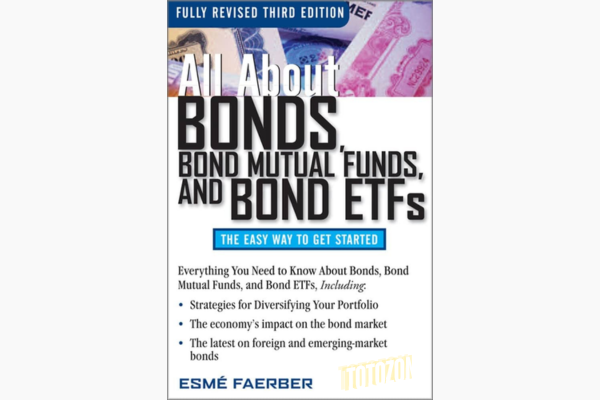 All About Bonds, Bond Mutual Funds & Bond ETFs (3rd Ed.) with Esme Faerber
1 × $6.00
All About Bonds, Bond Mutual Funds & Bond ETFs (3rd Ed.) with Esme Faerber
1 × $6.00 -
×
 Order flow self-study training program with iMFtracker
1 × $10.00
Order flow self-study training program with iMFtracker
1 × $10.00 -
×
 Alexander Elder Full Courses Package
1 × $6.00
Alexander Elder Full Courses Package
1 × $6.00 -
×
 Simpler Traders - Ultimate Guide to Debit Spreads (PREMIUM)
1 × $39.00
Simpler Traders - Ultimate Guide to Debit Spreads (PREMIUM)
1 × $39.00 -
×
 The Ten Most Powerful Option Trading Secrets with Bernie Schaeffer
1 × $6.00
The Ten Most Powerful Option Trading Secrets with Bernie Schaeffer
1 × $6.00 -
×
 How Stocks Work with David L.Scott
1 × $6.00
How Stocks Work with David L.Scott
1 × $6.00 -
×
 How To Invest Better
1 × $6.00
How To Invest Better
1 × $6.00 -
×
 Quantitative Business Valuation with Jay Abrams
1 × $6.00
Quantitative Business Valuation with Jay Abrams
1 × $6.00 -
×
 Module I - Foundation with FX MindShift
1 × $6.00
Module I - Foundation with FX MindShift
1 × $6.00 -
×
 How to Buy Stocks Before They Skyrocket
1 × $6.00
How to Buy Stocks Before They Skyrocket
1 × $6.00 -
×
 LARGE CAP MOMENTUM STRATEGY with Nick Radge
1 × $179.00
LARGE CAP MOMENTUM STRATEGY with Nick Radge
1 × $179.00 -
×
 Weekly Options Boot Camp with Price Headley
1 × $15.00
Weekly Options Boot Camp with Price Headley
1 × $15.00 -
×
 Marder Videos Reports 2019 with Kevin Marder
1 × $34.00
Marder Videos Reports 2019 with Kevin Marder
1 × $34.00 -
×
 Inner Circle Trader
1 × $6.00
Inner Circle Trader
1 × $6.00 -
×
 Exchange-Traded Derivatives with Erik Banks
1 × $6.00
Exchange-Traded Derivatives with Erik Banks
1 × $6.00 -
×
 Option Alpha Signals
1 × $15.00
Option Alpha Signals
1 × $15.00 -
×
 Commodities Rising: The Reality Behind the Hype and How To Really Profit in the Commodities Market - Jeffrey Christian
1 × $6.00
Commodities Rising: The Reality Behind the Hype and How To Really Profit in the Commodities Market - Jeffrey Christian
1 × $6.00 -
×
 Profitable Strategies with Gemify Academy
1 × $10.00
Profitable Strategies with Gemify Academy
1 × $10.00 -
×
 Crypto Trading Cyber Security for Bitcoin & Altcoin Holders with Zlatin Georgiev
1 × $5.00
Crypto Trading Cyber Security for Bitcoin & Altcoin Holders with Zlatin Georgiev
1 × $5.00 -
×
 Investing Online for Dummies (5th Edition) with Kathleen Sindell
1 × $6.00
Investing Online for Dummies (5th Edition) with Kathleen Sindell
1 × $6.00 -
×
 Sang Lucci Master Course 2021 with Sang Lucci
1 × $6.00
Sang Lucci Master Course 2021 with Sang Lucci
1 × $6.00 -
×
 The Orderflow Masterclass with PrimeTrading
1 × $17.00
The Orderflow Masterclass with PrimeTrading
1 × $17.00

Crash Profits Make Money When Stocks Sink and Soar with Martin D.Weiss
$6.00
File Size: Coming soon!
Delivery Time: 1–12 hours
Media Type: Online Course
Content Proof: Watch Here!
You may check content proof of “Crash Profits Make Money When Stocks Sink and Soar with Martin D.Weiss” below:

Crash Profits: Make Money When Stocks Sink and Soar with Martin D. Weiss
Introduction to Crash Profits
Market volatility can be daunting, but with the right strategies, it can also be highly profitable. Martin D. Weiss, a renowned financial analyst and author, provides insights into how investors can make money during both market crashes and surges. This article explores Weiss’s strategies for profiting in volatile markets, offering practical advice for investors looking to capitalize on stock market fluctuations.
Who is Martin D. Weiss?
Financial Analyst and Author
Martin D. Weiss is a respected figure in the financial industry, known for his accurate market predictions and investment strategies. He has authored several books and founded Weiss Ratings, an independent rating agency.
Contributions to Investment Strategies
Weiss’s expertise lies in identifying market trends and providing actionable advice for investors. His strategies focus on risk management and capitalizing on market opportunities, regardless of market direction.
Understanding Market Volatility
What is Market Volatility?
Market volatility refers to the rapid and significant price movements in the stock market. These fluctuations can be triggered by economic events, geopolitical tensions, or changes in market sentiment.
Types of Market Volatility
- Implied Volatility: Reflects market expectations of future volatility.
- Historical Volatility: Measures past price fluctuations.
Why Embrace Volatility?
Volatility presents opportunities for investors to buy low and sell high. By understanding market dynamics, investors can turn market turbulence into profit.
Strategies for Making Money When Stocks Sink
Short Selling
Short selling involves borrowing shares and selling them with the intention of buying them back at a lower price.
Steps to Short Sell
- Borrow Shares: From a broker.
- Sell the Shares: At the current market price.
- Buy Back Shares: When the price drops.
- Return Shares: To the broker and pocket the difference.
Buying Put Options
Put options give the holder the right to sell a stock at a predetermined price, allowing investors to profit from falling stock prices.
Benefits of Put Options
- Limited Risk: The maximum loss is limited to the premium paid.
- Leverage: Small investments can yield significant returns.
Inverse ETFs
Inverse ETFs are designed to move in the opposite direction of their underlying index. They provide an easy way to profit from market declines.
Advantages of Inverse ETFs
- No Margin Requirements: Unlike short selling.
- Simple to Trade: Like regular ETFs.
Strategies for Making Money When Stocks Soar
Buying Call Options
Call options give the holder the right to buy a stock at a predetermined price, allowing investors to profit from rising stock prices.
Benefits of Call Options
- Limited Risk: The maximum loss is the premium paid.
- High Potential Returns: Leverage can amplify gains.
Leveraged ETFs
Leveraged ETFs aim to deliver multiples of the daily performance of their underlying index.
Advantages of Leveraged ETFs
- Enhanced Returns: Magnify gains in a rising market.
- Ease of Use: Trade like regular ETFs.
Momentum Trading
Momentum trading involves buying stocks that are trending upwards and selling them before they peak.
Key Indicators for Momentum Trading
- Relative Strength Index (RSI)
- Moving Average Convergence Divergence (MACD)
- Volume Trends
Risk Management Techniques
Diversification
Spread investments across various asset classes to mitigate risk.
Benefits of Diversification
- Reduces Volatility: Balances risk across different investments.
- Protects Capital: Minimizes potential losses.
Stop-Loss Orders
Set predetermined price levels to exit trades and limit losses.
How to Set Stop-Loss Orders
- Determine Risk Tolerance: Decide the maximum loss you are willing to accept.
- Set the Order: Place the stop-loss order at the chosen price level.
Hedging
Use financial instruments to offset potential losses.
Common Hedging Strategies
- Options: Buy puts or calls to hedge stock positions.
- Futures: Lock in prices for commodities or indexes.
Implementing Weiss’s Strategies
Case Study: Profiting in a Down Market
An investor following Weiss’s strategies could have short-sold a stock expected to decline, bought put options for protection, and used inverse ETFs to profit from the overall market downturn.
Case Study: Capitalizing on a Bull Market
Conversely, an investor could have bought call options, invested in leveraged ETFs, and engaged in momentum trading during a market uptrend, amplifying gains as stock prices soared.
Common Mistakes to Avoid
Overtrading
Frequent trading can lead to high transaction costs and lower returns.
Solution: Trade Strategically
Focus on high-probability setups and avoid impulsive trades.
Ignoring Risk Management
Failing to implement risk management can result in significant losses.
Solution: Always Use Stop-Losses
Incorporate stop-loss orders and hedging strategies in your trading plan.
Following the Crowd
Blindly following market trends without proper analysis can be detrimental.
Solution: Conduct Independent Research
Base your trades on thorough research and analysis.
Conclusion
Martin D. Weiss’s strategies for making money in both rising and falling markets provide a comprehensive approach to navigating market volatility. By employing techniques like short selling, options trading, and using inverse and leveraged ETFs, investors can profit from market fluctuations while managing risks effectively. Embracing volatility with a well-defined strategy can turn market turbulence into profitable opportunities.
FAQs
1. What is short selling and how does it work?
Short selling involves borrowing shares to sell them at the current price, then buying them back at a lower price to return to the lender, profiting from the price difference.
2. What are put and call options?
Put options give the right to sell a stock at a predetermined price, while call options give the right to buy a stock at a predetermined price.
3. How can inverse ETFs be used to profit from market declines?
Inverse ETFs are designed to move in the opposite direction of their underlying index, allowing investors to profit when the market declines.
4. Why is risk management important in trading?
Risk management protects your capital and minimizes potential losses, ensuring long-term success in trading.
5. How can investors avoid common trading mistakes?
Avoid overtrading, always use risk management strategies like stop-loss orders, and conduct independent research to make informed trading decisions.
Be the first to review “Crash Profits Make Money When Stocks Sink and Soar with Martin D.Weiss”
You must be logged in to post a review.
Related products
Original price was: $497.00.$31.00Current price is: $31.00.

Forex Trading
Original price was: $550.00.$5.00Current price is: $5.00.

Original price was: $999.00.$5.00Current price is: $5.00.

Forex Trading
Original price was: $500.00.$5.00Current price is: $5.00.

Forex Trading
Original price was: $799.00.$15.00Current price is: $15.00.
Original price was: $1,800.00.$54.00Current price is: $54.00.
Forex Trading
Original price was: $125.00.$17.00Current price is: $17.00.

Forex Trading
Original price was: $249.00.$15.00Current price is: $15.00.

Forex Trading
Original price was: $2,995.00.$31.00Current price is: $31.00.

Original price was: $4,995.00.$15.00Current price is: $15.00.

Forex Trading
Original price was: $850.00.$23.00Current price is: $23.00.

Original price was: $1,849.00.$15.00Current price is: $15.00.

Original price was: $695.00.$41.00Current price is: $41.00.

Forex Trading
Original price was: $397.00.$31.00Current price is: $31.00.

Original price was: $497.00.$11.00Current price is: $11.00.
Forex Trading
Original price was: $1,898.00.$10.00Current price is: $10.00.
Original price was: $700.00.$39.00Current price is: $39.00.

Original price was: $649.00.$20.00Current price is: $20.00.
Original price was: $799.00.$15.00Current price is: $15.00.

Forex Trading
Original price was: $797.00.$10.00Current price is: $10.00.

Reviews
There are no reviews yet.