
-
×
 Master Moving Averages - Profit Multiplying Techniques with Nick Santiago - InTheMoneyStocks
1 × $54.00
Master Moving Averages - Profit Multiplying Techniques with Nick Santiago - InTheMoneyStocks
1 × $54.00 -
×
 Sea Lanes & Pipelines with Bernard D.Cole
1 × $6.00
Sea Lanes & Pipelines with Bernard D.Cole
1 × $6.00 -
×
 SQX Mentorship with Tip Toe Hippo
1 × $23.00
SQX Mentorship with Tip Toe Hippo
1 × $23.00 -
×
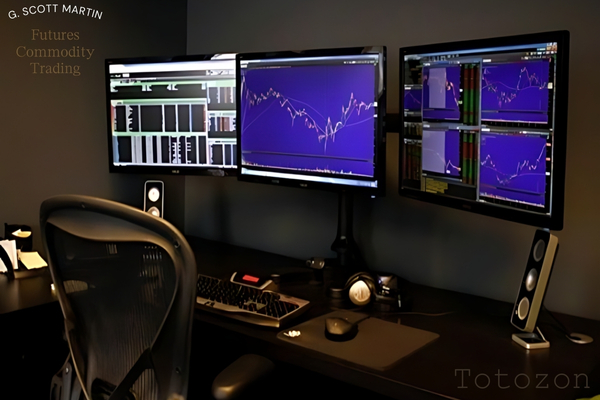 Futures Commodity Trading with G. Scott Martin
1 × $6.00
Futures Commodity Trading with G. Scott Martin
1 × $6.00 -
×
 An Ultimate Guide to Successful Investing with Trading Tuitions
1 × $23.00
An Ultimate Guide to Successful Investing with Trading Tuitions
1 × $23.00 -
×
 Mind Over Markets
1 × $6.00
Mind Over Markets
1 × $6.00 -
×
 Ultimate Trading Course with Dodgy's Dungeon
1 × $8.00
Ultimate Trading Course with Dodgy's Dungeon
1 × $8.00 -
×
 The Orderflow Masterclass with PrimeTrading
1 × $17.00
The Orderflow Masterclass with PrimeTrading
1 × $17.00 -
×
 Cotton Trading Manual with Terry Townsend
1 × $6.00
Cotton Trading Manual with Terry Townsend
1 × $6.00 -
×
 Options Education FULL Course 30+ Hours with Macrohedged
1 × $23.00
Options Education FULL Course 30+ Hours with Macrohedged
1 × $23.00 -
×
 White Phoenix’s The Smart (Money) Approach to Trading with Jayson Casper
1 × $39.00
White Phoenix’s The Smart (Money) Approach to Trading with Jayson Casper
1 × $39.00 -
×
 Yarimi University Course
1 × $56.00
Yarimi University Course
1 × $56.00 -
×
 The Best Option Trading Course with David Jaffee - Best Stock Strategy
1 × $15.00
The Best Option Trading Course with David Jaffee - Best Stock Strategy
1 × $15.00 -
×
 Investment Performance Measurement with Bruce Feibel
1 × $6.00
Investment Performance Measurement with Bruce Feibel
1 × $6.00 -
×
 Math Trading Course 2023
1 × $34.00
Math Trading Course 2023
1 × $34.00 -
×
 Forex Project Advanced Course with Tyler Crowell
1 × $5.00
Forex Project Advanced Course with Tyler Crowell
1 × $5.00 -
×
 Safety in the Market. Smarter Starter Pack 1st Edition
1 × $6.00
Safety in the Market. Smarter Starter Pack 1st Edition
1 × $6.00 -
×
 Trading Options Effectively with Paul Forchione
1 × $4.00
Trading Options Effectively with Paul Forchione
1 × $4.00 -
×
 The Any Hour Trading System with Markets Mastered
1 × $6.00
The Any Hour Trading System with Markets Mastered
1 × $6.00 -
×
 Gann Trade Real Time with Larry B.Jacobs
1 × $6.00
Gann Trade Real Time with Larry B.Jacobs
1 × $6.00 -
×
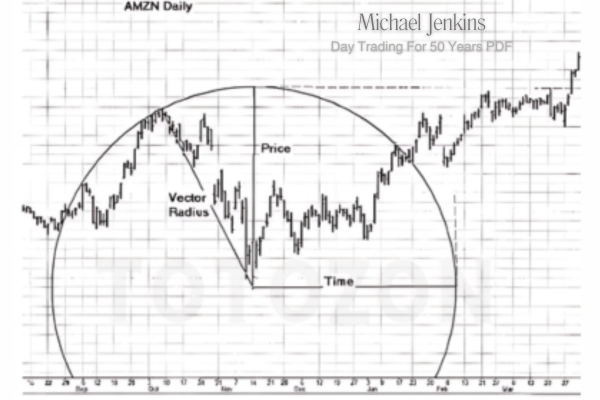 Day Trading For 50 Years PDF with Michael Jenkins
1 × $6.00
Day Trading For 50 Years PDF with Michael Jenkins
1 × $6.00 -
×
 A Trader's Guide to Self-Discipline: Proven Techniques to Improve Trading Profits
1 × $6.00
A Trader's Guide to Self-Discipline: Proven Techniques to Improve Trading Profits
1 × $6.00 -
×
 Investment Leadership & Portfolio Management with Brian Singer
1 × $6.00
Investment Leadership & Portfolio Management with Brian Singer
1 × $6.00 -
×
 The Naked Eye: Raw Data Analytics with Edgar Torres - Raw Data Analytics
1 × $8.00
The Naked Eye: Raw Data Analytics with Edgar Torres - Raw Data Analytics
1 × $8.00 -
×
 Guidelines for Analysis and Establishing a Trading Plan with Charles Drummond
1 × $6.00
Guidelines for Analysis and Establishing a Trading Plan with Charles Drummond
1 × $6.00 -
×
 Million Dollar Stock Market Idea with Larry Williams
1 × $6.00
Million Dollar Stock Market Idea with Larry Williams
1 × $6.00 -
×
 Developing Profitable Systems from Discretionary to Mechanical with Fred Shutzman
1 × $6.00
Developing Profitable Systems from Discretionary to Mechanical with Fred Shutzman
1 × $6.00 -
×
 Futures & Options for Dummies with Joe Duarte
1 × $6.00
Futures & Options for Dummies with Joe Duarte
1 × $6.00 -
×
 How To Become StressFree Trader with Jason Starzec
1 × $4.00
How To Become StressFree Trader with Jason Starzec
1 × $4.00 -
×
 Mergers & Acquisitions From A to Z with Andrew J.Sherman
1 × $6.00
Mergers & Acquisitions From A to Z with Andrew J.Sherman
1 × $6.00 -
×
 AI For Traders with Trading Markets
1 × $31.00
AI For Traders with Trading Markets
1 × $31.00 -
×
 Bond Market Course with The Macro Compass
1 × $15.00
Bond Market Course with The Macro Compass
1 × $15.00 -
×
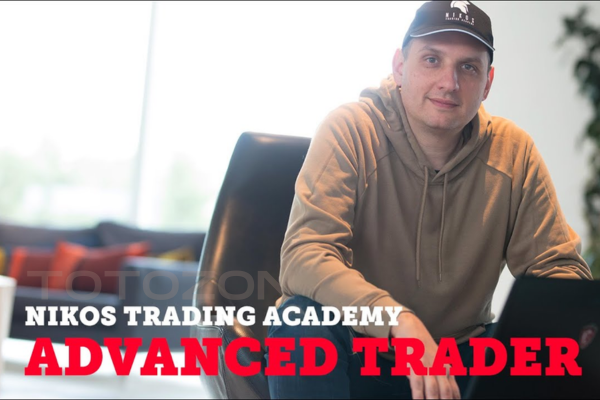 Advanced Trader with Nikos Trading Academy
1 × $5.00
Advanced Trader with Nikos Trading Academy
1 × $5.00 -
×
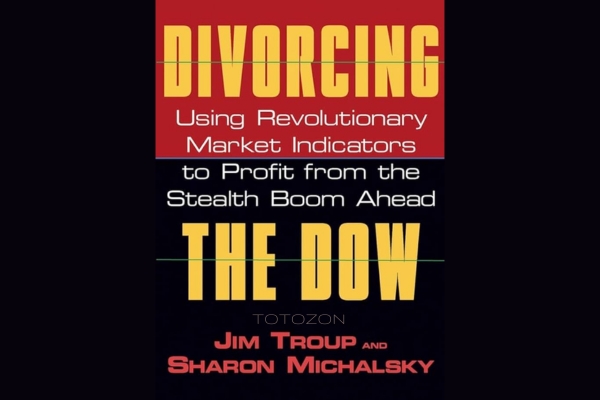 Divorcing the Dow: Using Revolutionary Market Indicators to Profit from the Stealth Boom Ahead - Jim Troup & Sharon Michalsky
1 × $6.00
Divorcing the Dow: Using Revolutionary Market Indicators to Profit from the Stealth Boom Ahead - Jim Troup & Sharon Michalsky
1 × $6.00 -
×
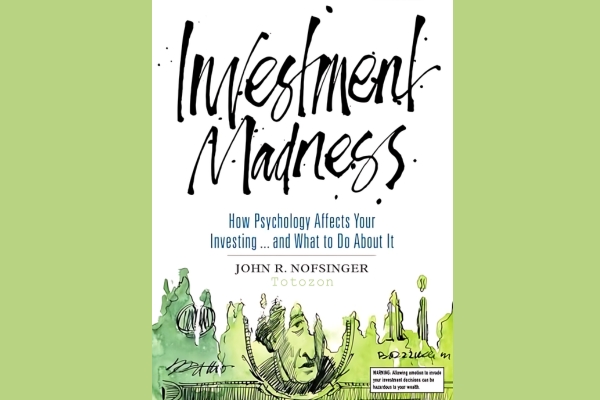 Investment Madness with John Nofsinger
1 × $6.00
Investment Madness with John Nofsinger
1 × $6.00 -
×
 A Working Man's Forex Position Trading System 2010 with Alan Benefield
1 × $6.00
A Working Man's Forex Position Trading System 2010 with Alan Benefield
1 × $6.00 -
×
 Futures Trading Secrets Home Study Course 2008 with Bill McCready
1 × $6.00
Futures Trading Secrets Home Study Course 2008 with Bill McCready
1 × $6.00 -
×
 Day One Trader with John Sussex
1 × $6.00
Day One Trader with John Sussex
1 × $6.00 -
×
 Trading Short TermSame Day Trades Sep 2023 with Dan Sheridan & Mark Fenton - Sheridan Options Mentoring
1 × $31.00
Trading Short TermSame Day Trades Sep 2023 with Dan Sheridan & Mark Fenton - Sheridan Options Mentoring
1 × $31.00 -
×
 Quantamentals - The Next Great Forefront Of Trading and Investing with Trading Markets
1 × $8.00
Quantamentals - The Next Great Forefront Of Trading and Investing with Trading Markets
1 × $8.00 -
×
 0 DTE Options Trading Workshop with Aeromir Corporation
1 × $15.00
0 DTE Options Trading Workshop with Aeromir Corporation
1 × $15.00 -
×
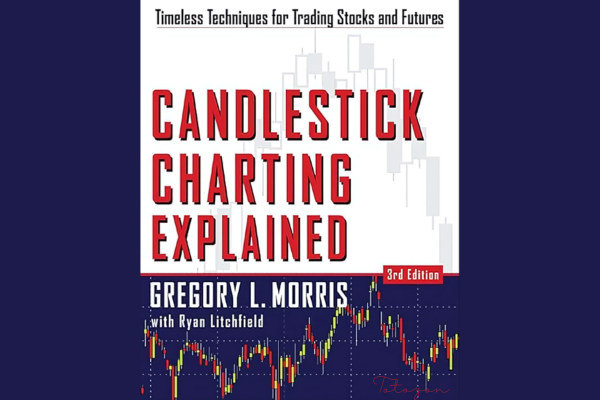 Candlestick Charting Explained with Greg Morris
1 × $8.00
Candlestick Charting Explained with Greg Morris
1 × $8.00 -
×
 Algo Trading Masterclass with Ali Casey - StatOasis
1 × $23.00
Algo Trading Masterclass with Ali Casey - StatOasis
1 × $23.00 -
×
 3 Short Selling Strategies - Trading Strategy Bundles – Quantified Strategies
1 × $39.00
3 Short Selling Strategies - Trading Strategy Bundles – Quantified Strategies
1 × $39.00 -
×
 Academy of Financial Trading Foundation Trading Programme Webinar
1 × $6.00
Academy of Financial Trading Foundation Trading Programme Webinar
1 × $6.00 -
×
 Essentials in Quantitative Trading QT01 By HangukQuant's
1 × $23.00
Essentials in Quantitative Trading QT01 By HangukQuant's
1 × $23.00 -
×
 Advanced Spread Trading with Guy Bower - MasterClass Trader
1 × $15.00
Advanced Spread Trading with Guy Bower - MasterClass Trader
1 × $15.00 -
×
 Options Trading & Ultimate MasterClass With Tyrone Abela - FX Evolution
1 × $54.00
Options Trading & Ultimate MasterClass With Tyrone Abela - FX Evolution
1 × $54.00 -
×
 Matrix Spread Options Trading Course with Base Camp Trading
1 × $31.00
Matrix Spread Options Trading Course with Base Camp Trading
1 × $31.00 -
×
 Master The Markets 2.0 with French Trader
1 × $6.00
Master The Markets 2.0 with French Trader
1 × $6.00

Crash Profits Make Money When Stocks Sink and Soar with Martin D.Weiss
$6.00
File Size: Coming soon!
Delivery Time: 1–12 hours
Media Type: Online Course
Content Proof: Watch Here!
You may check content proof of “Crash Profits Make Money When Stocks Sink and Soar with Martin D.Weiss” below:

Crash Profits: Make Money When Stocks Sink and Soar with Martin D. Weiss
Introduction to Crash Profits
Market volatility can be daunting, but with the right strategies, it can also be highly profitable. Martin D. Weiss, a renowned financial analyst and author, provides insights into how investors can make money during both market crashes and surges. This article explores Weiss’s strategies for profiting in volatile markets, offering practical advice for investors looking to capitalize on stock market fluctuations.
Who is Martin D. Weiss?
Financial Analyst and Author
Martin D. Weiss is a respected figure in the financial industry, known for his accurate market predictions and investment strategies. He has authored several books and founded Weiss Ratings, an independent rating agency.
Contributions to Investment Strategies
Weiss’s expertise lies in identifying market trends and providing actionable advice for investors. His strategies focus on risk management and capitalizing on market opportunities, regardless of market direction.
Understanding Market Volatility
What is Market Volatility?
Market volatility refers to the rapid and significant price movements in the stock market. These fluctuations can be triggered by economic events, geopolitical tensions, or changes in market sentiment.
Types of Market Volatility
- Implied Volatility: Reflects market expectations of future volatility.
- Historical Volatility: Measures past price fluctuations.
Why Embrace Volatility?
Volatility presents opportunities for investors to buy low and sell high. By understanding market dynamics, investors can turn market turbulence into profit.
Strategies for Making Money When Stocks Sink
Short Selling
Short selling involves borrowing shares and selling them with the intention of buying them back at a lower price.
Steps to Short Sell
- Borrow Shares: From a broker.
- Sell the Shares: At the current market price.
- Buy Back Shares: When the price drops.
- Return Shares: To the broker and pocket the difference.
Buying Put Options
Put options give the holder the right to sell a stock at a predetermined price, allowing investors to profit from falling stock prices.
Benefits of Put Options
- Limited Risk: The maximum loss is limited to the premium paid.
- Leverage: Small investments can yield significant returns.
Inverse ETFs
Inverse ETFs are designed to move in the opposite direction of their underlying index. They provide an easy way to profit from market declines.
Advantages of Inverse ETFs
- No Margin Requirements: Unlike short selling.
- Simple to Trade: Like regular ETFs.
Strategies for Making Money When Stocks Soar
Buying Call Options
Call options give the holder the right to buy a stock at a predetermined price, allowing investors to profit from rising stock prices.
Benefits of Call Options
- Limited Risk: The maximum loss is the premium paid.
- High Potential Returns: Leverage can amplify gains.
Leveraged ETFs
Leveraged ETFs aim to deliver multiples of the daily performance of their underlying index.
Advantages of Leveraged ETFs
- Enhanced Returns: Magnify gains in a rising market.
- Ease of Use: Trade like regular ETFs.
Momentum Trading
Momentum trading involves buying stocks that are trending upwards and selling them before they peak.
Key Indicators for Momentum Trading
- Relative Strength Index (RSI)
- Moving Average Convergence Divergence (MACD)
- Volume Trends
Risk Management Techniques
Diversification
Spread investments across various asset classes to mitigate risk.
Benefits of Diversification
- Reduces Volatility: Balances risk across different investments.
- Protects Capital: Minimizes potential losses.
Stop-Loss Orders
Set predetermined price levels to exit trades and limit losses.
How to Set Stop-Loss Orders
- Determine Risk Tolerance: Decide the maximum loss you are willing to accept.
- Set the Order: Place the stop-loss order at the chosen price level.
Hedging
Use financial instruments to offset potential losses.
Common Hedging Strategies
- Options: Buy puts or calls to hedge stock positions.
- Futures: Lock in prices for commodities or indexes.
Implementing Weiss’s Strategies
Case Study: Profiting in a Down Market
An investor following Weiss’s strategies could have short-sold a stock expected to decline, bought put options for protection, and used inverse ETFs to profit from the overall market downturn.
Case Study: Capitalizing on a Bull Market
Conversely, an investor could have bought call options, invested in leveraged ETFs, and engaged in momentum trading during a market uptrend, amplifying gains as stock prices soared.
Common Mistakes to Avoid
Overtrading
Frequent trading can lead to high transaction costs and lower returns.
Solution: Trade Strategically
Focus on high-probability setups and avoid impulsive trades.
Ignoring Risk Management
Failing to implement risk management can result in significant losses.
Solution: Always Use Stop-Losses
Incorporate stop-loss orders and hedging strategies in your trading plan.
Following the Crowd
Blindly following market trends without proper analysis can be detrimental.
Solution: Conduct Independent Research
Base your trades on thorough research and analysis.
Conclusion
Martin D. Weiss’s strategies for making money in both rising and falling markets provide a comprehensive approach to navigating market volatility. By employing techniques like short selling, options trading, and using inverse and leveraged ETFs, investors can profit from market fluctuations while managing risks effectively. Embracing volatility with a well-defined strategy can turn market turbulence into profitable opportunities.
FAQs
1. What is short selling and how does it work?
Short selling involves borrowing shares to sell them at the current price, then buying them back at a lower price to return to the lender, profiting from the price difference.
2. What are put and call options?
Put options give the right to sell a stock at a predetermined price, while call options give the right to buy a stock at a predetermined price.
3. How can inverse ETFs be used to profit from market declines?
Inverse ETFs are designed to move in the opposite direction of their underlying index, allowing investors to profit when the market declines.
4. Why is risk management important in trading?
Risk management protects your capital and minimizes potential losses, ensuring long-term success in trading.
5. How can investors avoid common trading mistakes?
Avoid overtrading, always use risk management strategies like stop-loss orders, and conduct independent research to make informed trading decisions.
Be the first to review “Crash Profits Make Money When Stocks Sink and Soar with Martin D.Weiss”
You must be logged in to post a review.
Related products

Forex Trading
Original price was: $249.00.$15.00Current price is: $15.00.
Forex Trading
Original price was: $397.00.$31.00Current price is: $31.00.

Forex Trading
Original price was: $4,997.00.$27.00Current price is: $27.00.
Original price was: $1,849.00.$15.00Current price is: $15.00.

Original price was: $310.00.$23.00Current price is: $23.00.

Original price was: $1,200.00.$23.00Current price is: $23.00.

Forex Trading
Original price was: $500.00.$5.00Current price is: $5.00.
Original price was: $497.00.$31.00Current price is: $31.00.

Original price was: $997.00.$13.00Current price is: $13.00.

Forex Trading
Original price was: $1,898.00.$10.00Current price is: $10.00.

Forex Trading
Original price was: $697.00.$5.00Current price is: $5.00.

Forex Trading
Original price was: $799.00.$15.00Current price is: $15.00.

Forex Trading
Original price was: $1,098.00.$39.00Current price is: $39.00.

Original price was: $139.00.$23.00Current price is: $23.00.

Forex Trading
The Complete Guide to Multiple Time Frame Analysis & Reading Price Action with Aiman Almansoori
Original price was: $1,399.00.$13.00Current price is: $13.00.
Forex Trading
Original price was: $499.00.$15.00Current price is: $15.00.
Forex Trading
Quantamentals – The Next Great Forefront Of Trading and Investing with Trading Markets
Original price was: $1,495.00.$8.00Current price is: $8.00.
Forex Trading
Original price was: $999.00.$15.00Current price is: $15.00.

Original price was: $649.00.$20.00Current price is: $20.00.
Original price was: $700.00.$39.00Current price is: $39.00.
Reviews
There are no reviews yet.