
-
×
 Butterfly and Condor Workshop with Aeromir
1 × $15.00
Butterfly and Condor Workshop with Aeromir
1 × $15.00 -
×
 ABCs of Trading and Tech Analysis (Online Investor Expo, Las Vegas 2000) with Tom Bierovic
1 × $6.00
ABCs of Trading and Tech Analysis (Online Investor Expo, Las Vegas 2000) with Tom Bierovic
1 × $6.00 -
×
 Price Action Trader Training
1 × $6.00
Price Action Trader Training
1 × $6.00 -
×
 Investing in 401k Plans with Cliffsnotes
1 × $6.00
Investing in 401k Plans with Cliffsnotes
1 × $6.00 -
×
 Volatility Trading with Fractal Flow Pro
1 × $15.00
Volatility Trading with Fractal Flow Pro
1 × $15.00 -
×
 9-Pack of TOS Indicators
1 × $6.00
9-Pack of TOS Indicators
1 × $6.00 -
×
 5 Day Program with Dimitri Wallace - Gold Minds Global
1 × $6.00
5 Day Program with Dimitri Wallace - Gold Minds Global
1 × $6.00 -
×
 Forty Cents for Financial Freedom with Darlene Nelson
1 × $6.00
Forty Cents for Financial Freedom with Darlene Nelson
1 × $6.00 -
×
 A-Z Course with InvestiTrade Academy
1 × $5.00
A-Z Course with InvestiTrade Academy
1 × $5.00 -
×
 RSD - Alex’s Natural Instinct Method Manifesto
1 × $6.00
RSD - Alex’s Natural Instinct Method Manifesto
1 × $6.00 -
×
 Essentials Of Payroll Management & Accounting with Steven M.Bragg
1 × $6.00
Essentials Of Payroll Management & Accounting with Steven M.Bragg
1 × $6.00 -
×
 Blueprint to Extreme Reversals with Aiman Almansoori - Trading Terminal
1 × $8.00
Blueprint to Extreme Reversals with Aiman Almansoori - Trading Terminal
1 × $8.00 -
×
 CFA Core Video on Quantitative Finance with Connel Fullenkamp
1 × $6.00
CFA Core Video on Quantitative Finance with Connel Fullenkamp
1 × $6.00 -
×
 Volume Profile Video Course with Trader Dale
1 × $8.00
Volume Profile Video Course with Trader Dale
1 × $8.00 -
×
 The House Always Wins with jasonbondpicks
1 × $6.00
The House Always Wins with jasonbondpicks
1 × $6.00 -
×
 Selective Forex Trading with Don Snellgrove
1 × $6.00
Selective Forex Trading with Don Snellgrove
1 × $6.00 -
×
 The Mathematics of Technical Analysis with Clifford Sherry
1 × $6.00
The Mathematics of Technical Analysis with Clifford Sherry
1 × $6.00 -
×
![Strike Zone Trading - Forex Course [81 Videos (MP4) + 96 Software files (EXEEX4MQ4CHRWNDTPL) + 17 DOCS (TXTCSVXLSXPDF) + Images (PNGJPGGIF)]](https://www.totozon.com/wp-content/uploads/2024/05/Strike-Zone-Trading-Forex-Course-81-Videos-MP4-96-Software-files-EXEEX4MQ4CHRWNDTPL-17-DOCS-TXTCSVXLSXPDF-Images-PNGJPGGIF.jpg) Strike Zone Trading - Forex Course [81 Videos (MP4) + 96 Software files (EXE/EX4/MQ4/CHR/WND/TPL) + 17 DOCS (TXT/CSV/XLSX/PDF) + Images (PNG/JPG/GIF)]
1 × $6.00
Strike Zone Trading - Forex Course [81 Videos (MP4) + 96 Software files (EXE/EX4/MQ4/CHR/WND/TPL) + 17 DOCS (TXT/CSV/XLSX/PDF) + Images (PNG/JPG/GIF)]
1 × $6.00 -
×
 TradeSafe Mechanical Trading System, Course, and Coaching
1 × $85.00
TradeSafe Mechanical Trading System, Course, and Coaching
1 × $85.00 -
×
 Essentials in Quantitative Trading QT01 By HangukQuant's
1 × $23.00
Essentials in Quantitative Trading QT01 By HangukQuant's
1 × $23.00 -
×
 SQX Mentorship with Tip Toe Hippo
1 × $23.00
SQX Mentorship with Tip Toe Hippo
1 × $23.00 -
×
 International Mergers & Acquisitions Activity Since 1990 with Greg Gregoriou & Luc Renneboog
1 × $6.00
International Mergers & Acquisitions Activity Since 1990 with Greg Gregoriou & Luc Renneboog
1 × $6.00 -
×
 The 10%ers with Trader Mike
1 × $5.00
The 10%ers with Trader Mike
1 × $5.00 -
×
 How to Pick Hot Reverse Merger Penny Stocks with John Lux
1 × $5.00
How to Pick Hot Reverse Merger Penny Stocks with John Lux
1 × $5.00 -
×
 Technical Analysis for Short-Term Traders
1 × $6.00
Technical Analysis for Short-Term Traders
1 × $6.00 -
×
 Natural Language Processing in Trading with Dr. Terry Benzschawel
1 × $31.00
Natural Language Processing in Trading with Dr. Terry Benzschawel
1 × $31.00 -
×
 How to Find the Most Profitable Stocks with Mubarak Shah
1 × $6.00
How to Find the Most Profitable Stocks with Mubarak Shah
1 × $6.00 -
×
 Investing Classroom 2022 with Danny Devan
1 × $15.00
Investing Classroom 2022 with Danny Devan
1 × $15.00 -
×
 Futures Trading (German)
1 × $6.00
Futures Trading (German)
1 × $6.00 -
×
 The A14 Weekly Option Strategy Workshop with Amy Meissner
1 × $23.00
The A14 Weekly Option Strategy Workshop with Amy Meissner
1 × $23.00 -
×
 Squeeze the Markets with Markay Latimer
1 × $6.00
Squeeze the Markets with Markay Latimer
1 × $6.00 -
×
 Forex in Five Full Time Strategies for Part Time Traders (fxstreet.com) - Raghee Horner
1 × $6.00
Forex in Five Full Time Strategies for Part Time Traders (fxstreet.com) - Raghee Horner
1 × $6.00 -
×
 All About Mutual Funds with Bruce Jacobs
1 × $6.00
All About Mutual Funds with Bruce Jacobs
1 × $6.00 -
×
 Advanced Price Action Course with ZenFX
1 × $5.00
Advanced Price Action Course with ZenFX
1 × $5.00 -
×
 Scalp Strategy and Flipping Small Accounts with Opes Trading Group
1 × $5.00
Scalp Strategy and Flipping Small Accounts with Opes Trading Group
1 × $5.00 -
×
 7 Things You MUST Know about Forex Candlesticks
1 × $4.00
7 Things You MUST Know about Forex Candlesticks
1 × $4.00 -
×
 Chart Pattern Profits
1 × $6.00
Chart Pattern Profits
1 × $6.00 -
×
 Pit Bull with Martin Schwartz
1 × $6.00
Pit Bull with Martin Schwartz
1 × $6.00 -
×
 Bitcoin Mastery: The Ultimate Program To A 6 Figure Cryptocurrency Income with Ryan Hildreth
1 × $23.00
Bitcoin Mastery: The Ultimate Program To A 6 Figure Cryptocurrency Income with Ryan Hildreth
1 × $23.00 -
×
 Master Trader with InvestingSimple
1 × $15.00
Master Trader with InvestingSimple
1 × $15.00 -
×
 How to Use Gann Techniques to Implement a Trading System
1 × $6.00
How to Use Gann Techniques to Implement a Trading System
1 × $6.00 -
×
 ALGO™ Online Retail - Version 2.9
1 × $155.00
ALGO™ Online Retail - Version 2.9
1 × $155.00 -
×
 Proven Swing Trading Strat & Multiple Time Frame Analysis - Robert Krausz & Thom Hartle
1 × $6.00
Proven Swing Trading Strat & Multiple Time Frame Analysis - Robert Krausz & Thom Hartle
1 × $6.00 -
×
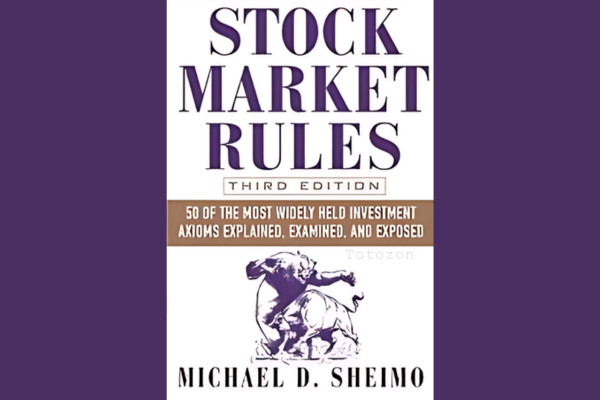 Stock Market Rules (3rd Ed.) with Michael Sheimo
1 × $6.00
Stock Market Rules (3rd Ed.) with Michael Sheimo
1 × $6.00 -
×
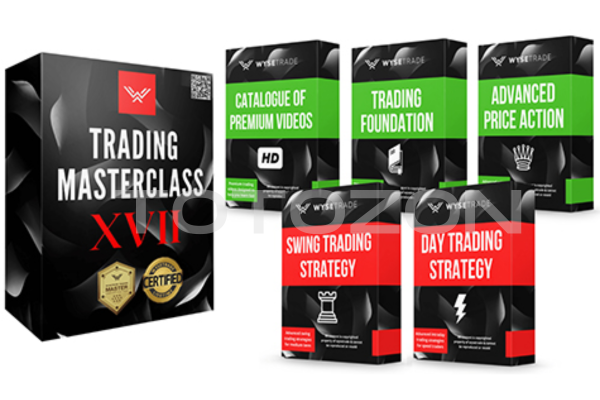 Trading Masterclass XVII with Wysetrade
1 × $6.00
Trading Masterclass XVII with Wysetrade
1 × $6.00 -
×
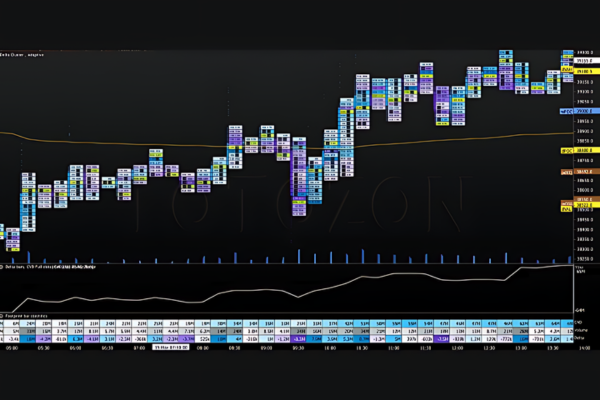 Advanced Trading Course - Footprint Charts, Market Profile & TPO with Jayson Casper
1 × $31.00
Advanced Trading Course - Footprint Charts, Market Profile & TPO with Jayson Casper
1 × $31.00 -
×
 The Trader’s Book of Volume with Mark Leibovit
1 × $6.00
The Trader’s Book of Volume with Mark Leibovit
1 × $6.00 -
×
 The Best Option Trading Course with David Jaffee - Best Stock Strategy
1 × $15.00
The Best Option Trading Course with David Jaffee - Best Stock Strategy
1 × $15.00 -
×
 Options Bootcamp with Sid Woolfolk
1 × $6.00
Options Bootcamp with Sid Woolfolk
1 × $6.00 -
×
 Trade with a Day Job USA v2010 with Markets Mastered
1 × $6.00
Trade with a Day Job USA v2010 with Markets Mastered
1 × $6.00 -
×
 Pristine - Trading the Pristine Method 2
1 × $6.00
Pristine - Trading the Pristine Method 2
1 × $6.00 -
×
 Professional Trader Course
1 × $5.00
Professional Trader Course
1 × $5.00 -
×
 Currency Trading Seminar with Peter Bain
1 × $6.00
Currency Trading Seminar with Peter Bain
1 × $6.00 -
×
 Precise Planetary Timing for Stock Trading
1 × $6.00
Precise Planetary Timing for Stock Trading
1 × $6.00 -
×
 Academy of Financial Trading Foundation Trading Programme Webinar
1 × $6.00
Academy of Financial Trading Foundation Trading Programme Webinar
1 × $6.00 -
×
 Alexander Elder Full Courses Package
1 × $6.00
Alexander Elder Full Courses Package
1 × $6.00 -
×
 All About Technical Analysis with Constance Brown
1 × $6.00
All About Technical Analysis with Constance Brown
1 × $6.00 -
×
 All Candlestick Patterns Tested And Ranked with Quantified Strategies
1 × $8.00
All Candlestick Patterns Tested And Ranked with Quantified Strategies
1 × $8.00 -
×
 Bond Market Course with The Macro Compass
1 × $15.00
Bond Market Course with The Macro Compass
1 × $15.00 -
×
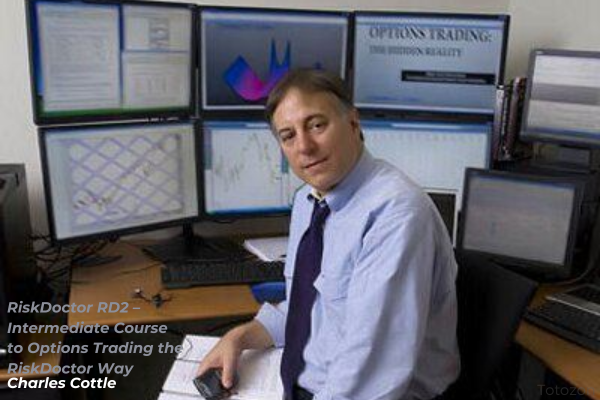 RiskDoctor RD2 – Intermediate Course to Options Trading the RiskDoctor Way - Charles Cottle
1 × $6.00
RiskDoctor RD2 – Intermediate Course to Options Trading the RiskDoctor Way - Charles Cottle
1 × $6.00 -
×
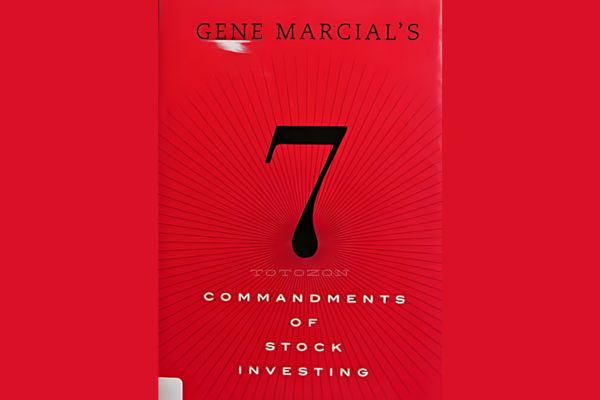 7 Commandments of Stock Investing with Gene Marcial
1 × $6.00
7 Commandments of Stock Investing with Gene Marcial
1 × $6.00 -
×
 Market Structure Matters with Haim Bodek
1 × $62.00
Market Structure Matters with Haim Bodek
1 × $62.00 -
×
 Andy’s EMini Bar – 60 Min System
1 × $6.00
Andy’s EMini Bar – 60 Min System
1 × $6.00 -
×
 Crypto Trading Academy with Cheeky Investor - Aussie Day Trader
1 × $13.00
Crypto Trading Academy with Cheeky Investor - Aussie Day Trader
1 × $13.00

Crash Profits Make Money When Stocks Sink and Soar with Martin D.Weiss
$6.00
File Size: Coming soon!
Delivery Time: 1–12 hours
Media Type: Online Course
Content Proof: Watch Here!
You may check content proof of “Crash Profits Make Money When Stocks Sink and Soar with Martin D.Weiss” below:

Crash Profits: Make Money When Stocks Sink and Soar with Martin D. Weiss
Introduction to Crash Profits
Market volatility can be daunting, but with the right strategies, it can also be highly profitable. Martin D. Weiss, a renowned financial analyst and author, provides insights into how investors can make money during both market crashes and surges. This article explores Weiss’s strategies for profiting in volatile markets, offering practical advice for investors looking to capitalize on stock market fluctuations.
Who is Martin D. Weiss?
Financial Analyst and Author
Martin D. Weiss is a respected figure in the financial industry, known for his accurate market predictions and investment strategies. He has authored several books and founded Weiss Ratings, an independent rating agency.
Contributions to Investment Strategies
Weiss’s expertise lies in identifying market trends and providing actionable advice for investors. His strategies focus on risk management and capitalizing on market opportunities, regardless of market direction.
Understanding Market Volatility
What is Market Volatility?
Market volatility refers to the rapid and significant price movements in the stock market. These fluctuations can be triggered by economic events, geopolitical tensions, or changes in market sentiment.
Types of Market Volatility
- Implied Volatility: Reflects market expectations of future volatility.
- Historical Volatility: Measures past price fluctuations.
Why Embrace Volatility?
Volatility presents opportunities for investors to buy low and sell high. By understanding market dynamics, investors can turn market turbulence into profit.
Strategies for Making Money When Stocks Sink
Short Selling
Short selling involves borrowing shares and selling them with the intention of buying them back at a lower price.
Steps to Short Sell
- Borrow Shares: From a broker.
- Sell the Shares: At the current market price.
- Buy Back Shares: When the price drops.
- Return Shares: To the broker and pocket the difference.
Buying Put Options
Put options give the holder the right to sell a stock at a predetermined price, allowing investors to profit from falling stock prices.
Benefits of Put Options
- Limited Risk: The maximum loss is limited to the premium paid.
- Leverage: Small investments can yield significant returns.
Inverse ETFs
Inverse ETFs are designed to move in the opposite direction of their underlying index. They provide an easy way to profit from market declines.
Advantages of Inverse ETFs
- No Margin Requirements: Unlike short selling.
- Simple to Trade: Like regular ETFs.
Strategies for Making Money When Stocks Soar
Buying Call Options
Call options give the holder the right to buy a stock at a predetermined price, allowing investors to profit from rising stock prices.
Benefits of Call Options
- Limited Risk: The maximum loss is the premium paid.
- High Potential Returns: Leverage can amplify gains.
Leveraged ETFs
Leveraged ETFs aim to deliver multiples of the daily performance of their underlying index.
Advantages of Leveraged ETFs
- Enhanced Returns: Magnify gains in a rising market.
- Ease of Use: Trade like regular ETFs.
Momentum Trading
Momentum trading involves buying stocks that are trending upwards and selling them before they peak.
Key Indicators for Momentum Trading
- Relative Strength Index (RSI)
- Moving Average Convergence Divergence (MACD)
- Volume Trends
Risk Management Techniques
Diversification
Spread investments across various asset classes to mitigate risk.
Benefits of Diversification
- Reduces Volatility: Balances risk across different investments.
- Protects Capital: Minimizes potential losses.
Stop-Loss Orders
Set predetermined price levels to exit trades and limit losses.
How to Set Stop-Loss Orders
- Determine Risk Tolerance: Decide the maximum loss you are willing to accept.
- Set the Order: Place the stop-loss order at the chosen price level.
Hedging
Use financial instruments to offset potential losses.
Common Hedging Strategies
- Options: Buy puts or calls to hedge stock positions.
- Futures: Lock in prices for commodities or indexes.
Implementing Weiss’s Strategies
Case Study: Profiting in a Down Market
An investor following Weiss’s strategies could have short-sold a stock expected to decline, bought put options for protection, and used inverse ETFs to profit from the overall market downturn.
Case Study: Capitalizing on a Bull Market
Conversely, an investor could have bought call options, invested in leveraged ETFs, and engaged in momentum trading during a market uptrend, amplifying gains as stock prices soared.
Common Mistakes to Avoid
Overtrading
Frequent trading can lead to high transaction costs and lower returns.
Solution: Trade Strategically
Focus on high-probability setups and avoid impulsive trades.
Ignoring Risk Management
Failing to implement risk management can result in significant losses.
Solution: Always Use Stop-Losses
Incorporate stop-loss orders and hedging strategies in your trading plan.
Following the Crowd
Blindly following market trends without proper analysis can be detrimental.
Solution: Conduct Independent Research
Base your trades on thorough research and analysis.
Conclusion
Martin D. Weiss’s strategies for making money in both rising and falling markets provide a comprehensive approach to navigating market volatility. By employing techniques like short selling, options trading, and using inverse and leveraged ETFs, investors can profit from market fluctuations while managing risks effectively. Embracing volatility with a well-defined strategy can turn market turbulence into profitable opportunities.
FAQs
1. What is short selling and how does it work?
Short selling involves borrowing shares to sell them at the current price, then buying them back at a lower price to return to the lender, profiting from the price difference.
2. What are put and call options?
Put options give the right to sell a stock at a predetermined price, while call options give the right to buy a stock at a predetermined price.
3. How can inverse ETFs be used to profit from market declines?
Inverse ETFs are designed to move in the opposite direction of their underlying index, allowing investors to profit when the market declines.
4. Why is risk management important in trading?
Risk management protects your capital and minimizes potential losses, ensuring long-term success in trading.
5. How can investors avoid common trading mistakes?
Avoid overtrading, always use risk management strategies like stop-loss orders, and conduct independent research to make informed trading decisions.
Be the first to review “Crash Profits Make Money When Stocks Sink and Soar with Martin D.Weiss”
You must be logged in to post a review.
Related products

Original price was: $450.00.$23.00Current price is: $23.00.

Original price was: $497.00.$31.00Current price is: $31.00.

Forex Trading
The Complete Guide to Multiple Time Frame Analysis & Reading Price Action with Aiman Almansoori
Original price was: $1,399.00.$13.00Current price is: $13.00.
Original price was: $1,849.00.$15.00Current price is: $15.00.
Original price was: $999.00.$5.00Current price is: $5.00.

Original price was: $139.00.$23.00Current price is: $23.00.

Original price was: $2,120.00.$15.00Current price is: $15.00.

Forex Trading
Original price was: $797.00.$10.00Current price is: $10.00.

Forex Trading
Original price was: $550.00.$5.00Current price is: $5.00.

Original price was: $197.00.$5.00Current price is: $5.00.

Original price was: $997.00.$8.00Current price is: $8.00.
Forex Trading
Original price was: $499.00.$15.00Current price is: $15.00.

Original price was: $895.00.$15.00Current price is: $15.00.
Original price was: $310.00.$23.00Current price is: $23.00.

Forex Trading
Original price was: $4,997.00.$27.00Current price is: $27.00.

Original price was: $695.00.$41.00Current price is: $41.00.

Forex Trading
Original price was: $697.00.$5.00Current price is: $5.00.

Original price was: $1,200.00.$23.00Current price is: $23.00.

Forex Trading
Original price was: $1,098.00.$39.00Current price is: $39.00.

Original price was: $700.00.$39.00Current price is: $39.00.

Reviews
There are no reviews yet.