
-
×
 Increase Your Net Worth In 2 Hours A Week with Jerremy Newsome - Real Life Trading
1 × $17.00
Increase Your Net Worth In 2 Hours A Week with Jerremy Newsome - Real Life Trading
1 × $17.00 -
×
 FXStreet Unrecorded Webinars Sept & Oct, 2011 with Sam Seiden
1 × $6.00
FXStreet Unrecorded Webinars Sept & Oct, 2011 with Sam Seiden
1 × $6.00 -
×
 How to Trade a Vertical Market
1 × $93.00
How to Trade a Vertical Market
1 × $93.00 -
×
 Trading Natural Resources in a Volatile Market with Kevin Kerr
1 × $6.00
Trading Natural Resources in a Volatile Market with Kevin Kerr
1 × $6.00 -
×
 Futures Spreads Crash Course with Base Camp Trading
1 × $54.00
Futures Spreads Crash Course with Base Camp Trading
1 × $54.00 -
×
 Neural Networks in the Capital Markets with Apostolos Paul Refenes
1 × $6.00
Neural Networks in the Capital Markets with Apostolos Paul Refenes
1 × $6.00 -
×
 Investing Online with Benton E.Gup
1 × $6.00
Investing Online with Benton E.Gup
1 × $6.00 -
×
 Annual Forecast Reports - Forecast 2023 with Larry Williams
1 × $8.00
Annual Forecast Reports - Forecast 2023 with Larry Williams
1 × $8.00 -
×
 How Do You See Risk? A Guide to Evaluating & Applying Technical Volatility Indicators class with Theotrade
1 × $4.00
How Do You See Risk? A Guide to Evaluating & Applying Technical Volatility Indicators class with Theotrade
1 × $4.00 -
×
 Small Account Options Trading Workshop Package with Doc Severson
1 × $6.00
Small Account Options Trading Workshop Package with Doc Severson
1 × $6.00 -
×
 Tornado Trend Trading System with John Bartlett
1 × $6.00
Tornado Trend Trading System with John Bartlett
1 × $6.00 -
×
 Rich in America: Secrets to Creating and Preserving Wealth with Jeffrey Maurer
1 × $6.00
Rich in America: Secrets to Creating and Preserving Wealth with Jeffrey Maurer
1 × $6.00 -
×
 Global Product with John Stark
1 × $6.00
Global Product with John Stark
1 × $6.00 -
×
 The Handbook of Chaos Control with H.G.Schuster
1 × $6.00
The Handbook of Chaos Control with H.G.Schuster
1 × $6.00 -
×
 Path to Profits By Scott Redler - T3 Live
1 × $6.00
Path to Profits By Scott Redler - T3 Live
1 × $6.00 -
×
 Alternative Beta Strategies & Hedge Fund Replication with Lars Jaeger & Jeffrey Pease
1 × $6.00
Alternative Beta Strategies & Hedge Fund Replication with Lars Jaeger & Jeffrey Pease
1 × $6.00 -
×
 Passages To Profitability: A Comprehensive Guide To Channel Trading with Professor Jeff Bierman, CMT
1 × $6.00
Passages To Profitability: A Comprehensive Guide To Channel Trading with Professor Jeff Bierman, CMT
1 × $6.00 -
×
 Four Dimensional Stock Market Structures & Cycles with Bradley Cowan
1 × $6.00
Four Dimensional Stock Market Structures & Cycles with Bradley Cowan
1 × $6.00 -
×
 Crypto Trading Academy with Cheeky Investor - Aussie Day Trader
1 × $13.00
Crypto Trading Academy with Cheeky Investor - Aussie Day Trader
1 × $13.00 -
×
 Fundamental Analysis with CA Rachana Ranade
1 × $5.00
Fundamental Analysis with CA Rachana Ranade
1 × $5.00 -
×
 AllStreet Investing - Master the Market LEVEL 2 - DAYTRADING
1 × $23.00
AllStreet Investing - Master the Market LEVEL 2 - DAYTRADING
1 × $23.00 -
×
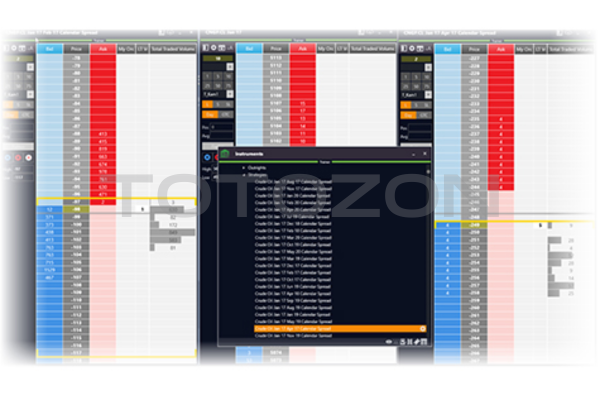 Futures Spread Trading Intro Course with Thetradingframework
1 × $6.00
Futures Spread Trading Intro Course with Thetradingframework
1 × $6.00 -
×
 Forex Trading Course with Mike Norman
1 × $17.00
Forex Trading Course with Mike Norman
1 × $17.00 -
×
 Steady Compounding Investing Academy Course with Steady Compounding
1 × $55.00
Steady Compounding Investing Academy Course with Steady Compounding
1 × $55.00 -
×
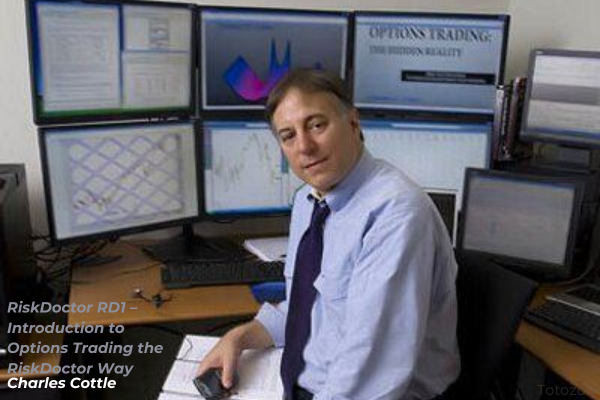 RiskDoctor RD1 – Introduction to Options Trading the RiskDoctor Way with Charles Cottle
1 × $6.00
RiskDoctor RD1 – Introduction to Options Trading the RiskDoctor Way with Charles Cottle
1 × $6.00 -
×
 Strategy, Value and Risk - The Real Options Approach with Jamie Rogers
1 × $6.00
Strategy, Value and Risk - The Real Options Approach with Jamie Rogers
1 × $6.00 -
×
 Better Trading with the Guppy Multiple Moving Average WorkBook with Daryl Guppy
1 × $6.00
Better Trading with the Guppy Multiple Moving Average WorkBook with Daryl Guppy
1 × $6.00 -
×
 Dynamic Time and Price Analysis of Market Trends with Bruce Gilmore
1 × $6.00
Dynamic Time and Price Analysis of Market Trends with Bruce Gilmore
1 × $6.00 -
×
 Get More Leads Quickly with Brittany Lynch
1 × $6.00
Get More Leads Quickly with Brittany Lynch
1 × $6.00 -
×
 Real-Time Course with Rich Swannell
1 × $6.00
Real-Time Course with Rich Swannell
1 × $6.00 -
×
 Investing in 401k Plans with Cliffsnotes
1 × $6.00
Investing in 401k Plans with Cliffsnotes
1 × $6.00 -
×
 Option Strategies with Courtney Smith
1 × $6.00
Option Strategies with Courtney Smith
1 × $6.00 -
×
 Secrets of a Winning Trader with Gareth Soloway
1 × $871.00
Secrets of a Winning Trader with Gareth Soloway
1 × $871.00 -
×
 Simple Cyclical Analysis with Stan Erlich
1 × $6.00
Simple Cyclical Analysis with Stan Erlich
1 × $6.00 -
×
 The 30-Day Cash Flow Blueprint with Andy Tanner
1 × $31.00
The 30-Day Cash Flow Blueprint with Andy Tanner
1 × $31.00 -
×
 The Market Maker’s Edge with Josh Lukeman
1 × $6.00
The Market Maker’s Edge with Josh Lukeman
1 × $6.00 -
×
 Simple Trade Strategies
1 × $31.00
Simple Trade Strategies
1 × $31.00 -
×
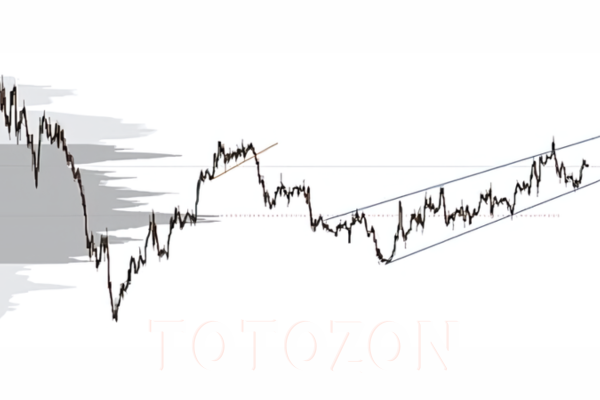 Complete Price Action, Volume Profile and Orderflow Trading Bundle with Price Action Volume Trader
1 × $78.00
Complete Price Action, Volume Profile and Orderflow Trading Bundle with Price Action Volume Trader
1 × $78.00 -
×
 The Deadly 7 Sins of Investing with Maury Fertig
1 × $6.00
The Deadly 7 Sins of Investing with Maury Fertig
1 × $6.00 -
×
 Advanced Forex Trading Momentum vs Reversals with Indicators Webinar - Mark Whistler
1 × $6.00
Advanced Forex Trading Momentum vs Reversals with Indicators Webinar - Mark Whistler
1 × $6.00 -
×
 Options Trading with Nick & Gareth - Nick Santiago & Gareth Soloway - InTheMoneyStocks
1 × $31.00
Options Trading with Nick & Gareth - Nick Santiago & Gareth Soloway - InTheMoneyStocks
1 × $31.00 -
×
 Create Your Own Hedge Fund with Mark Wolfinger
1 × $6.00
Create Your Own Hedge Fund with Mark Wolfinger
1 × $6.00 -
×
 Candlestick Charting Explained with Greg Morris
1 × $8.00
Candlestick Charting Explained with Greg Morris
1 × $8.00 -
×
 FX GOAT 3.0 (STRATEGIES) with FX GOAT FOREX TRADING ACADEMY
1 × $15.00
FX GOAT 3.0 (STRATEGIES) with FX GOAT FOREX TRADING ACADEMY
1 × $15.00 -
×
 Professional Approaches to Directional Option Trading with Option Pit
1 × $23.00
Professional Approaches to Directional Option Trading with Option Pit
1 × $23.00 -
×
 Trading For Busy People with Josias Kere
1 × $6.00
Trading For Busy People with Josias Kere
1 × $6.00 -
×
 How to Make Money with Real State Options with Thomas Lucier
1 × $6.00
How to Make Money with Real State Options with Thomas Lucier
1 × $6.00 -
×
 Quantifiable Edges Swing Trading Course with Quantifiable Edges
1 × $15.00
Quantifiable Edges Swing Trading Course with Quantifiable Edges
1 × $15.00 -
×
 Street-Smart Chart Reading – Volume 2 – Digging Deeper with Donald G.Worden
1 × $6.00
Street-Smart Chart Reading – Volume 2 – Digging Deeper with Donald G.Worden
1 × $6.00 -
×
 Profit Power Seminar
1 × $23.00
Profit Power Seminar
1 × $23.00 -
×
 Investing with LEAPS. What You Should Know About Long Term Investing with James Bittman
1 × $6.00
Investing with LEAPS. What You Should Know About Long Term Investing with James Bittman
1 × $6.00 -
×
 Swing Trading College IX 2010 with Larry Connors
1 × $15.00
Swing Trading College IX 2010 with Larry Connors
1 × $15.00 -
×
 Bond Market Course with The Macro Compass
1 × $15.00
Bond Market Course with The Macro Compass
1 × $15.00

Investing in Corporate Bonds and Credit Risk with Frank Hagenstein
Original price was: $173.00.$6.00Current price is: $6.00.
File Size: Coming soon!
Delivery Time: 1–12 hours
Media Type: Online Course
Content Proof: Watch Here!
You may check content proof of “Investing in Corporate Bonds and Credit Risk with Frank Hagenstein” below:

Investing in Corporate Bonds and Credit Risk with Frank Hagenstein
Investing in corporate bonds can be an attractive option for those seeking a balance between yield and risk. With insights from expert Frank Hagenstein, we explore the nuanced world of corporate bonds and credit risk. Let’s delve into what makes corporate bonds a compelling investment and how to mitigate associated risks.
Understanding Corporate Bonds
What Are Corporate Bonds?
Corporate bonds are debt securities issued by companies to raise capital. When you buy a bond, you are lending money to the issuing company in exchange for periodic interest payments and the return of the bond’s face value when it matures.
The Appeal of Corporate Bonds
Corporate bonds often offer higher returns compared to government bonds. This makes them an attractive option for investors looking for better income opportunities without venturing into high-risk assets.
The Role of Credit Risk
Defining Credit Risk
Credit risk refers to the possibility that a bond issuer will fail to make scheduled interest payments or repay the principal at maturity. Understanding this risk is crucial when investing in corporate bonds.
Assessing Credit Risk
Investors must evaluate the creditworthiness of the issuer, which can be influenced by factors like financial health, industry stability, and economic conditions. Credit ratings by agencies such as Moody’s, S&P, and Fitch provide a good starting point for this assessment.
Strategies for Mitigating Credit Risk
Diversification
Do not put all your eggs in one basket. Diversifying your bond investments across different sectors and ratings can reduce risk.
Quality Over Quantity
It may be tempting to chase high yields by buying bonds from less creditworthy issuers. However, investing in bonds with good credit ratings may lead to better risk-adjusted returns.
The Insights of Frank Hagenstein
Frank’s Approach to Bond Investing
Frank Hagenstein advises focusing on detailed credit analysis to uncover bonds that offer safety and satisfactory returns. His approach emphasizes not just the returns but also the quality of the issuer.
The Importance of Active Management
Hagenstein advocates for active management of bond portfolios, which involves adjusting holdings based on market conditions and emerging risks. This dynamic approach can help capitalize on opportunities while mitigating potential losses.
Current Trends in the Corporate Bond Market
Market Dynamics
The corporate bond market is influenced by economic factors like interest rates, inflation, and corporate earnings. Keeping a close eye on these can provide important clues about market movements.
Emerging Opportunities
With the changing economic landscape, certain sectors may present more lucrative bond-investing opportunities. Technology and green energy are currently among the more promising sectors.
How to Start Investing in Corporate Bonds
Getting Started
For those new to corporate bonds, starting with a bond fund or an ETF can be a wise choice. These funds offer diversification and are managed by professionals like Hagenstein.
Consider Your Investment Goals
Align your bond investments with your overall financial goals. Whether you’re seeking stability, income, or growth, there’s likely a corporate bond strategy that fits your needs.
Conclusion
Investing in corporate bonds offers a unique blend of potential rewards and risks. By understanding and managing credit risk, and following expert advice from professionals like Frank Hagenstein, investors can enhance their portfolios while maintaining a level of safety. Remember, thoughtful selection and strategic management are key to successful bond investing.
FAQs
- What is the minimum investment for corporate bonds?
Typically, corporate bonds require a minimum investment of $1,000, but this can vary depending on the bond and the platform used for purchasing.
2. Are corporate bonds suitable for all investors?
Corporate bonds are suitable for investors looking for income and moderate risk. However, one should assess personal risk tolerance and investment objectives before investing.
3. How does inflation affect corporate bonds?
Inflation can erode the purchasing power of the fixed returns provided by bonds, making them less attractive during high inflation periods.
4. Can I lose money by investing in corporate bonds?
Yes, if the issuer defaults or if bond prices decline due to rising interest rates or deteriorating credit conditions, investors can lose money.
5. What are the best resources for researching corporate bonds?
Resources like the Financial Industry Regulatory Authority (FINRA), bond funds’ prospectuses, and financial news websites offer valuable information for bond investors.
Be the first to review “Investing in Corporate Bonds and Credit Risk with Frank Hagenstein”
You must be logged in to post a review.
Related products

Forex Trading
Original price was: $999.00.$15.00Current price is: $15.00.

Forex Trading
Original price was: $797.00.$10.00Current price is: $10.00.

Forex Trading
Original price was: $500.00.$5.00Current price is: $5.00.

Original price was: $450.00.$23.00Current price is: $23.00.

Forex Trading
Original price was: $799.00.$15.00Current price is: $15.00.

Original price was: $497.00.$31.00Current price is: $31.00.

Forex Trading
Original price was: $397.00.$31.00Current price is: $31.00.

Forex Trading
Original price was: $1,098.00.$39.00Current price is: $39.00.

Original price was: $1,200.00.$23.00Current price is: $23.00.

Original price was: $497.00.$11.00Current price is: $11.00.

Forex Trading
Original price was: $249.00.$15.00Current price is: $15.00.

Original price was: $999.00.$5.00Current price is: $5.00.

Forex Trading
The Complete Guide to Multiple Time Frame Analysis & Reading Price Action with Aiman Almansoori
Original price was: $1,399.00.$13.00Current price is: $13.00.

Original price was: $139.00.$23.00Current price is: $23.00.

Forex Trading
Quantamentals – The Next Great Forefront Of Trading and Investing with Trading Markets
Original price was: $1,495.00.$8.00Current price is: $8.00.
Original price was: $997.00.$13.00Current price is: $13.00.

Original price was: $695.00.$41.00Current price is: $41.00.

Original price was: $2,120.00.$15.00Current price is: $15.00.

Original price was: $197.00.$5.00Current price is: $5.00.

Forex Trading
Original price was: $550.00.$5.00Current price is: $5.00.

Reviews
There are no reviews yet.