
-
×
 Options Trading & Ultimate MasterClass With Tyrone Abela - FX Evolution
1 × $54.00
Options Trading & Ultimate MasterClass With Tyrone Abela - FX Evolution
1 × $54.00 -
×
 Advanced Spread Trading with Guy Bower - MasterClass Trader
1 × $15.00
Advanced Spread Trading with Guy Bower - MasterClass Trader
1 × $15.00 -
×
 Crystal Ball Pack PLUS bonus Live Trade By Pat Mitchell - Trick Trades
1 × $20.00
Crystal Ball Pack PLUS bonus Live Trade By Pat Mitchell - Trick Trades
1 × $20.00 -
×
 SQX Mentorship with Tip Toe Hippo
1 × $23.00
SQX Mentorship with Tip Toe Hippo
1 × $23.00 -
×
 White Phoenix’s The Smart (Money) Approach to Trading with Jayson Casper
1 × $39.00
White Phoenix’s The Smart (Money) Approach to Trading with Jayson Casper
1 × $39.00 -
×
 Crypto Trading Academy with Cheeky Investor - Aussie Day Trader
1 × $13.00
Crypto Trading Academy with Cheeky Investor - Aussie Day Trader
1 × $13.00 -
×
 W. D Gann 's Square Of 9 Applied To Modern Markets with Sean Avidar - Hexatrade350
1 × $23.00
W. D Gann 's Square Of 9 Applied To Modern Markets with Sean Avidar - Hexatrade350
1 × $23.00 -
×
 Deep Dive Butterfly Trading Strategy Class with SJG Trades
1 × $41.00
Deep Dive Butterfly Trading Strategy Class with SJG Trades
1 × $41.00 -
×
 A New Look at Exit Strategies with Charles LeBeau
1 × $6.00
A New Look at Exit Strategies with Charles LeBeau
1 × $6.00 -
×
 The Orderflows Trade Opportunities Encyclopedia with Michael Valtos
1 × $8.00
The Orderflows Trade Opportunities Encyclopedia with Michael Valtos
1 × $8.00 -
×
 Order flow self-study training program with iMFtracker
1 × $10.00
Order flow self-study training program with iMFtracker
1 × $10.00 -
×
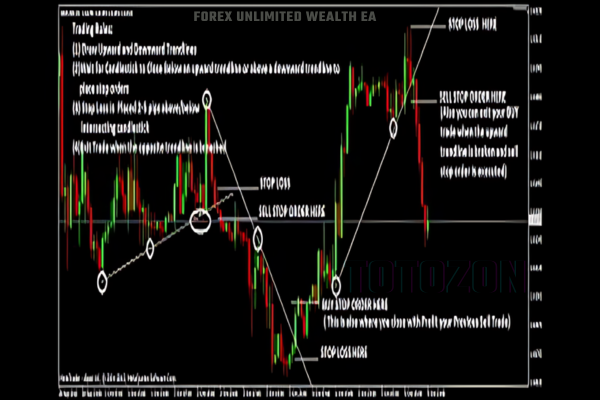 FOREX UNLIMITED WEALTH EA
1 × $6.00
FOREX UNLIMITED WEALTH EA
1 × $6.00 -
×
 Compass Trading System with Right Line Trading
1 × $39.00
Compass Trading System with Right Line Trading
1 × $39.00 -
×
 The A14 Weekly Option Strategy Workshop with Amy Meissner
1 × $23.00
The A14 Weekly Option Strategy Workshop with Amy Meissner
1 × $23.00 -
×
 WondaFX Signature Strategy with WondaFX
1 × $5.00
WondaFX Signature Strategy with WondaFX
1 × $5.00 -
×
 $20 – 52k 20 pips a day challange with Rafał Zuchowicz - TopMasterTrader
1 × $5.00
$20 – 52k 20 pips a day challange with Rafał Zuchowicz - TopMasterTrader
1 × $5.00 -
×
 Ultimate Trading Course with Dodgy's Dungeon
1 × $8.00
Ultimate Trading Course with Dodgy's Dungeon
1 × $8.00 -
×
 The Orderflow Masterclass with PrimeTrading
1 × $17.00
The Orderflow Masterclass with PrimeTrading
1 × $17.00 -
×
 Home Run Options Trading Course with Dave Aquino - Base Camp Trading
1 × $11.00
Home Run Options Trading Course with Dave Aquino - Base Camp Trading
1 × $11.00 -
×
 The Indices Orderflow Masterclass with The Forex Scalpers
1 × $23.00
The Indices Orderflow Masterclass with The Forex Scalpers
1 × $23.00 -
×
 AI For Traders with Trading Markets
1 × $31.00
AI For Traders with Trading Markets
1 × $31.00 -
×
 Scalp Strategy and Flipping Small Accounts with Opes Trading Group
1 × $5.00
Scalp Strategy and Flipping Small Accounts with Opes Trading Group
1 × $5.00 -
×
 ICT Prodigy Trading Course – $650K in Payouts with Alex Solignani
1 × $15.00
ICT Prodigy Trading Course – $650K in Payouts with Alex Solignani
1 × $15.00 -
×
 Essentials in Quantitative Trading QT01 By HangukQuant's
1 × $23.00
Essentials in Quantitative Trading QT01 By HangukQuant's
1 × $23.00 -
×
 TRADING NFX Course with Andrew NFX
1 × $5.00
TRADING NFX Course with Andrew NFX
1 × $5.00 -
×
 Quantamentals - The Next Great Forefront Of Trading and Investing with Trading Markets
1 × $8.00
Quantamentals - The Next Great Forefront Of Trading and Investing with Trading Markets
1 × $8.00 -
×
 Algo Trading Masterclass with Ali Casey - StatOasis
1 × $23.00
Algo Trading Masterclass with Ali Casey - StatOasis
1 × $23.00 -
×
 Trading Short TermSame Day Trades Sep 2023 with Dan Sheridan & Mark Fenton - Sheridan Options Mentoring
1 × $31.00
Trading Short TermSame Day Trades Sep 2023 with Dan Sheridan & Mark Fenton - Sheridan Options Mentoring
1 × $31.00 -
×
 The Prop Trading Code with Brannigan Barrett - Axia Futures
1 × $23.00
The Prop Trading Code with Brannigan Barrett - Axia Futures
1 × $23.00

Charting Made Easy with John J.Murphy
$6.00
File Size: Coming soon!
Delivery Time: 1–12 hours
Media Type: Online Course
Content Proof: Watch Here!
You may check content proof of “Charting Made Easy with John J.Murphy” below:

Charting Made Easy with John J. Murphy
Navigating the complex world of trading can be daunting, but with the right tools and knowledge, it becomes significantly more manageable. John J. Murphy, a renowned expert in technical analysis, provides invaluable insights in his book “Charting Made Easy.” This article delves into the principles and techniques outlined by Murphy, making charting accessible for traders of all levels.
Understanding the Basics of Charting
What is Charting?
Charting is the process of plotting market data on a graph to identify trends, patterns, and potential trading opportunities. It is a fundamental aspect of technical analysis.
Importance of Charting in Trading
Charting helps traders visualize market movements, making it easier to predict future price actions. It serves as a guide for making informed trading decisions.
Key Types of Charts
Line Charts
Line charts connect the closing prices of an asset over a specific period, providing a clear view of the overall trend.
Bar Charts
Bar charts display the open, high, low, and close prices for each period, offering more detailed information about price movements.
Candlestick Charts
Candlestick charts, originating from Japan, provide a visual representation of price movements, highlighting the difference between opening and closing prices.
Essential Chart Patterns
Head and Shoulders
The head and shoulders pattern is a reversal pattern that signals a potential change in trend direction.
Double Tops and Bottoms
These patterns indicate a possible trend reversal, with double tops suggesting a bearish reversal and double bottoms a bullish reversal.
Triangles
Triangles are continuation patterns that indicate a period of consolidation before the trend resumes.
Using Technical Indicators
Moving Averages
Moving averages smooth out price data to identify trends. Common types include simple moving averages (SMA) and exponential moving averages (EMA).
Relative Strength Index (RSI)
The RSI measures the speed and change of price movements, helping identify overbought or oversold conditions.
Bollinger Bands
Bollinger Bands consist of a moving average and two standard deviations, indicating market volatility and potential price reversals.
Practical Application of Charting Techniques
Setting Up Your Charts
Use a reliable charting platform like MetaTrader, TradingView, or ThinkorSwim. Ensure your charts are clean and free from clutter.
Identifying Trends
Look for higher highs and higher lows in an uptrend, and lower highs and lower lows in a downtrend.
Recognizing Patterns
Use chart patterns to anticipate future price movements. Confirm these patterns with technical indicators for better accuracy.
Entry and Exit Points
Determine entry and exit points based on chart patterns and technical indicators. Use stop-loss orders to manage risk.
Advanced Charting Techniques
Multiple Time Frame Analysis
Analyzing multiple time frames helps traders understand the broader market context and refine their entry and exit points.
Volume Analysis
Volume analysis involves examining trading volume to confirm trends and patterns. High volume often indicates strong trends.
Fibonacci Retracements
Fibonacci retracements identify potential support and resistance levels, helping traders make better trading decisions.
Benefits of Charting
Improved Decision Making
Charting provides a visual representation of market data, making it easier to make informed trading decisions.
Enhanced Market Understanding
By studying charts, traders gain a deeper understanding of market behavior and trends.
Better Risk Management
Charting helps identify potential entry and exit points, allowing for more precise risk management.
Common Charting Mistakes to Avoid
Overcomplicating Charts
Avoid cluttering your charts with too many indicators. Focus on the most relevant ones.
Ignoring Market Context
Always consider the broader market context when analyzing charts. Patterns and indicators should not be used in isolation.
Failing to Adapt
Markets are dynamic. Continuously update your charting techniques to adapt to changing market conditions.
Conclusion
“Charting Made Easy” by John J. Murphy simplifies the complex world of technical analysis, making it accessible to traders at all levels. By mastering the basics of charting, understanding key patterns and indicators, and applying practical techniques, you can enhance your trading performance. Remember, continuous learning and adaptation are crucial to success in the ever-changing financial markets.
FAQs
1. What is the primary benefit of charting in trading?
Charting provides a visual representation of market data, aiding in the identification of trends and patterns for informed decision-making.
2. Which chart type is best for beginners?
Line charts are the simplest and best for beginners, providing a clear view of the overall trend.
3. How do technical indicators complement chart patterns?
Technical indicators confirm chart patterns, increasing the accuracy of trading signals.
4. Can charting be used for all financial markets?
Yes, charting techniques can be applied to various markets, including stocks, forex, commodities, and cryptocurrencies.
5. How often should I update my charting techniques?
Regularly update your techniques to adapt to changing market conditions and ensure continued success.
Be the first to review “Charting Made Easy with John J.Murphy”
You must be logged in to post a review.
Related products
Original price was: $700.00.$39.00Current price is: $39.00.
Forex Trading
Original price was: $1,898.00.$10.00Current price is: $10.00.
Forex Trading
Original price was: $2,995.00.$31.00Current price is: $31.00.

Original price was: $497.00.$31.00Current price is: $31.00.
Original price was: $695.00.$41.00Current price is: $41.00.
Forex Trading
Original price was: $550.00.$5.00Current price is: $5.00.

Original price was: $997.00.$8.00Current price is: $8.00.
Original price was: $450.00.$23.00Current price is: $23.00.
Original price was: $310.00.$23.00Current price is: $23.00.
Original price was: $649.00.$20.00Current price is: $20.00.
Original price was: $299.00.$8.00Current price is: $8.00.
Forex Trading
Original price was: $125.00.$17.00Current price is: $17.00.

Original price was: $4,995.00.$15.00Current price is: $15.00.

Forex Trading
Original price was: $799.00.$15.00Current price is: $15.00.
Original price was: $139.00.$23.00Current price is: $23.00.
Original price was: $1,200.00.$23.00Current price is: $23.00.
Forex Trading
Original price was: $1,098.00.$39.00Current price is: $39.00.
Forex Trading
Original price was: $239.00.$8.00Current price is: $8.00.
Original price was: $997.00.$13.00Current price is: $13.00.
Forex Trading
Original price was: $2,997.00.$23.00Current price is: $23.00.

Reviews
There are no reviews yet.