
-
×
 Quant Edge Online Home Study Course with T3 Live
1 × $39.00
Quant Edge Online Home Study Course with T3 Live
1 × $39.00 -
×
 Scalpathon by Trading Research Group
1 × $23.00
Scalpathon by Trading Research Group
1 × $23.00 -
×
 Theotrade - Essential Skills for Consistency in Trading Class
1 × $15.00
Theotrade - Essential Skills for Consistency in Trading Class
1 × $15.00 -
×
 Short Term Accelerated Returns Workshop (Video) with Nick Van Nice
1 × $6.00
Short Term Accelerated Returns Workshop (Video) with Nick Van Nice
1 × $6.00 -
×
 USDX Trading Course with Jared Martinez - MTI
1 × $6.00
USDX Trading Course with Jared Martinez - MTI
1 × $6.00 -
×
 FX Video Course with Geri Trader
1 × $5.00
FX Video Course with Geri Trader
1 × $5.00 -
×
 Double Your Capital In 30 Days(2016) with GFA Flips
1 × $5.00
Double Your Capital In 30 Days(2016) with GFA Flips
1 × $5.00 -
×
 Stock Market 101 with Sabrina Peterson
1 × $4.00
Stock Market 101 with Sabrina Peterson
1 × $4.00 -
×
 Applied Portfolio Management with Catherine Shenoy
1 × $6.00
Applied Portfolio Management with Catherine Shenoy
1 × $6.00 -
×
 Set & Forget Complete 2021
1 × $13.00
Set & Forget Complete 2021
1 × $13.00 -
×
 Activedaytrader - 3 Important Ways to Manage Your Options Position
1 × $15.00
Activedaytrader - 3 Important Ways to Manage Your Options Position
1 × $15.00 -
×
 Restore Soul Fragments (Advanced) by Spirituality Zone
1 × $15.40
Restore Soul Fragments (Advanced) by Spirituality Zone
1 × $15.40 -
×
 The Poor Man’s Gamma Scalp
1 × $54.00
The Poor Man’s Gamma Scalp
1 × $54.00 -
×
 The Complete Idiots Guide to Investing in Internet Stocks with Kenneth Little
1 × $6.00
The Complete Idiots Guide to Investing in Internet Stocks with Kenneth Little
1 × $6.00 -
×
 Chaos and order in the Capital Markets with Edgar E.Peters
1 × $6.00
Chaos and order in the Capital Markets with Edgar E.Peters
1 × $6.00 -
×
 CFA Level 2 - Examination Book Afternoon Section (1999)
1 × $6.00
CFA Level 2 - Examination Book Afternoon Section (1999)
1 × $6.00 -
×
 Beat the Odds in Forex Trading: How to Identify and Profit from High Percentage Market Patterns with Igor Toshchakov
1 × $6.00
Beat the Odds in Forex Trading: How to Identify and Profit from High Percentage Market Patterns with Igor Toshchakov
1 × $6.00 -
×
 SQX Mentorship with Tip Toe Hippo
1 × $23.00
SQX Mentorship with Tip Toe Hippo
1 × $23.00 -
×
 Commitments of Traders : Strategies for Tracking the Market and Trading Profitably with Floyd Upperman
1 × $6.00
Commitments of Traders : Strategies for Tracking the Market and Trading Profitably with Floyd Upperman
1 × $6.00 -
×
 Timing is Everything with Robert M.Barnes
1 × $6.00
Timing is Everything with Robert M.Barnes
1 × $6.00 -
×
 Options Made Easy with Optionpit
1 × $62.00
Options Made Easy with Optionpit
1 × $62.00 -
×
 Planting Landmines for Explosive Profits with Dave Slingshot
1 × $6.00
Planting Landmines for Explosive Profits with Dave Slingshot
1 × $6.00 -
×
 Breakthroughs in Technical Analysis: New Thinking From the World's Top Minds (1st Edition) with David Keller
1 × $6.00
Breakthroughs in Technical Analysis: New Thinking From the World's Top Minds (1st Edition) with David Keller
1 × $6.00 -
×
 Advances in International Investments: Traditional and Alternative Approaches with Hung-Gay Fung, Xiaoqing Eleanor Xu & Jot Yau
1 × $6.00
Advances in International Investments: Traditional and Alternative Approaches with Hung-Gay Fung, Xiaoqing Eleanor Xu & Jot Yau
1 × $6.00 -
×
 Bitcoin Mastery: The Ultimate Program To A 6 Figure Cryptocurrency Income with Ryan Hildreth
1 × $23.00
Bitcoin Mastery: The Ultimate Program To A 6 Figure Cryptocurrency Income with Ryan Hildreth
1 × $23.00 -
×
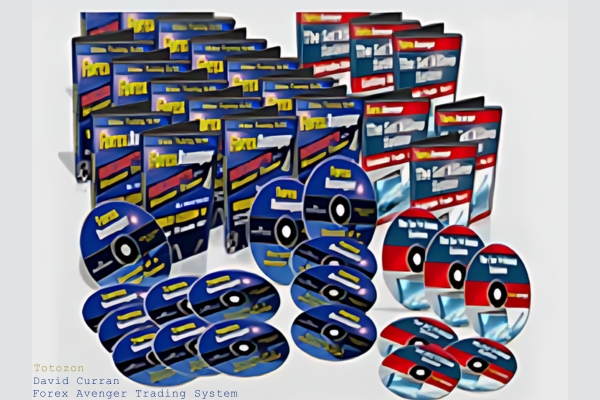 Forex Avenger Trading System with David Curran
1 × $6.00
Forex Avenger Trading System with David Curran
1 × $6.00 -
×
 Falcon FX Pro
1 × $31.00
Falcon FX Pro
1 × $31.00 -
×
 Candlestick - Training Videos (Videos 1.2 GB)
1 × $15.00
Candlestick - Training Videos (Videos 1.2 GB)
1 × $15.00 -
×
 The Naked Eye: Raw Data Analytics with Edgar Torres - Raw Data Analytics
1 × $8.00
The Naked Eye: Raw Data Analytics with Edgar Torres - Raw Data Analytics
1 × $8.00 -
×
 Trading The Hobbs Triple Crown Strategy with Derrik Hobbs
1 × $6.00
Trading The Hobbs Triple Crown Strategy with Derrik Hobbs
1 × $6.00 -
×
 The Prop Trading Code with Brannigan Barrett - Axia Futures
1 × $23.00
The Prop Trading Code with Brannigan Barrett - Axia Futures
1 × $23.00
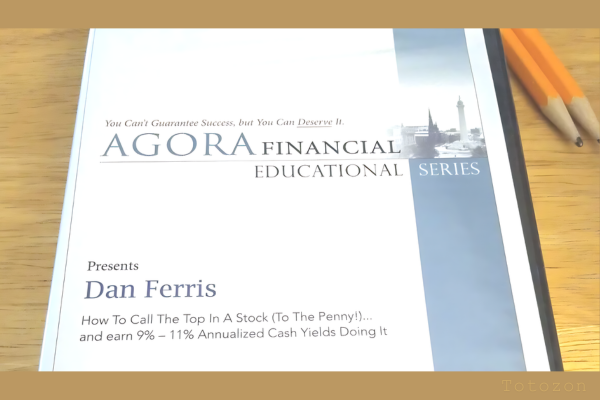
How to Call the Top in a Stock (To the Penny!) and Earn 9-11% Annualized Cash Yields Doing It with Dan Ferris
$6.00
File Size: Coming soon!
Delivery Time: 1–12 hours
Media Type: Online Course
Content Proof: Watch Here!
You may check content proof of “How to Call the Top in a Stock (To the Penny!) and Earn 9-11% Annualized Cash Yields Doing It with Dan Ferris” below:

How to Call the Top in a Stock (To the Penny!) and Earn 9-11% Annualized Cash Yields Doing It with Dan Ferris
Predicting the exact top of a stock price and earning substantial cash yields might seem like an elusive goal for many investors. However, with the right strategies and guidance, it is achievable. Dan Ferris, a seasoned financial expert, provides insightful techniques to help investors master this skill. In this article, we will explore how to call the top in a stock and earn 9-11% annualized cash yields using Dan Ferris’ proven methods.
Introduction
Who is Dan Ferris?
Dan Ferris is a respected financial analyst and editor of the Extreme Value newsletter. With years of experience in stock market analysis and investment strategies, he is known for his ability to identify high-value investment opportunities.
Why Aim to Call the Top?
Identifying the top of a stock allows investors to maximize profits and avoid potential losses from subsequent declines. This strategy, when executed correctly, can significantly enhance portfolio returns.
Understanding Stock Tops
What is a Stock Top?
A stock top is the highest price point that a stock reaches before it starts to decline. Recognizing this point is crucial for selling at the optimal time.
Indicators of a Stock Top
Technical Indicators
Technical analysis involves studying price charts and patterns. Common indicators include moving averages, relative strength index (RSI), and Bollinger Bands.
Fundamental Indicators
Fundamental analysis focuses on a company’s financial health. Key metrics include earnings reports, price-to-earnings (P/E) ratios, and revenue growth.
Dan Ferris’ Strategies for Calling the Top
Technical Analysis Techniques
Moving Averages
Moving averages smooth out price data to identify trends. Ferris recommends using both short-term and long-term moving averages to spot potential tops.
Relative Strength Index (RSI)
RSI measures the speed and change of price movements. An RSI above 70 often indicates that a stock is overbought and may be nearing its top.
Fundamental Analysis Techniques
Earnings Reports
Earnings reports provide insights into a company’s profitability. Significant earnings beats or misses can signal potential tops.
Price-to-Earnings Ratio (P/E)
A high P/E ratio may indicate that a stock is overvalued. Ferris suggests monitoring P/E ratios relative to industry averages.
Combining Technical and Fundamental Analysis
Why Combine Both Analyses?
Using both technical and fundamental analyses provides a comprehensive view of a stock’s potential top. This dual approach reduces the risk of relying on a single method.
Example of Combined Analysis
Ferris often uses a combination of moving averages and P/E ratios to identify stock tops. For instance, a stock with a high P/E ratio and an RSI above 70 could be approaching its top.
Earning 9-11% Annualized Cash Yields
Dividend Stocks
High-Yield Dividends
Investing in high-yield dividend stocks can generate consistent cash flow. Ferris recommends focusing on companies with a history of stable and increasing dividends.
Dividend Reinvestment
Reinvesting dividends can enhance overall returns. This strategy allows investors to purchase more shares and benefit from compounding.
Selling Covered Calls
What are Covered Calls?
Selling covered calls involves writing call options on stocks you already own. This strategy generates income through option premiums.
Benefits of Covered Calls
Covered calls provide additional income and can enhance overall yields, especially in a flat or mildly bullish market.
Utilizing Real Estate Investment Trusts (REITs)
Understanding REITs
REITs are companies that own and operate income-generating real estate. They are required to distribute a significant portion of their earnings as dividends.
High-Yield Opportunities in REITs
Investing in high-yield REITs can provide steady cash flow. Ferris suggests looking for REITs with strong portfolios and consistent dividend payments.
Risk Management
Diversification
Why Diversify?
Diversification reduces risk by spreading investments across various assets. Ferris emphasizes the importance of not putting all your eggs in one basket.
How to Diversify
Invest in a mix of stocks, bonds, REITs, and other assets. This strategy helps protect your portfolio from significant losses.
Setting Stop-Loss Orders
What are Stop-Loss Orders?
Stop-loss orders automatically sell a stock when it reaches a certain price. This technique helps limit potential losses.
Implementing Stop-Loss Orders
Ferris advises setting stop-loss orders at strategic points to protect gains and minimize losses.
Practical Application of Strategies
Step-by-Step Guide
- Identify Potential Tops: Use a combination of technical and fundamental analyses.
- Invest in High-Yield Assets: Focus on dividend stocks, REITs, and covered calls.
- Manage Risks: Diversify your portfolio and set stop-loss orders.
Real-World Examples
Ferris provides case studies in his newsletter, demonstrating how these strategies have successfully called tops and generated high yields.
Conclusion
Why Follow Dan Ferris’ Methods?
Dan Ferris’ methods offer a well-rounded approach to calling stock tops and earning substantial cash yields. His strategies are based on years of experience and proven results.
FAQs
1. What is the primary goal of calling a stock top?
The primary goal is to maximize profits by selling at the highest price before the stock begins to decline.
2. How do technical indicators help in identifying stock tops?
Technical indicators, such as moving averages and RSI, help identify overbought conditions and potential reversal points.
3. What are covered calls, and how do they generate income?
Covered calls involve writing call options on stocks you own, generating income through option premiums.
4. Why is diversification important in managing a portfolio?
Diversification reduces risk by spreading investments across various assets, protecting the portfolio from significant losses.
5. How can high-yield REITs contribute to annualized cash yields?
High-yield REITs provide consistent dividend payments, contributing to steady cash flow and overall portfolio yields.
Be the first to review “How to Call the Top in a Stock (To the Penny!) and Earn 9-11% Annualized Cash Yields Doing It with Dan Ferris”
You must be logged in to post a review.
Related products

Original price was: $1,800.00.$54.00Current price is: $54.00.

Forex Trading
Original price was: $499.00.$15.00Current price is: $15.00.

Forex Trading
Original price was: $799.00.$15.00Current price is: $15.00.

Forex Trading
Original price was: $550.00.$5.00Current price is: $5.00.

Forex Trading
Original price was: $1,898.00.$10.00Current price is: $10.00.

Original price was: $497.00.$11.00Current price is: $11.00.
Forex Trading
Original price was: $2,997.00.$23.00Current price is: $23.00.

Original price was: $649.00.$20.00Current price is: $20.00.

Original price was: $695.00.$41.00Current price is: $41.00.

Original price was: $1,849.00.$15.00Current price is: $15.00.

Original price was: $997.00.$13.00Current price is: $13.00.

Original price was: $999.00.$5.00Current price is: $5.00.

Original price was: $299.00.$8.00Current price is: $8.00.

Original price was: $450.00.$23.00Current price is: $23.00.

Original price was: $310.00.$23.00Current price is: $23.00.
Original price was: $1,200.00.$23.00Current price is: $23.00.
Original price was: $997.00.$8.00Current price is: $8.00.

Forex Trading
The Complete Guide to Multiple Time Frame Analysis & Reading Price Action with Aiman Almansoori
Original price was: $1,399.00.$13.00Current price is: $13.00.

Forex Trading
Original price was: $697.00.$5.00Current price is: $5.00.

Original price was: $2,120.00.$15.00Current price is: $15.00.
Reviews
There are no reviews yet.