
-
×
 Acclimation Course with Base Camp Trading
1 × $10.00
Acclimation Course with Base Camp Trading
1 × $10.00 -
×
 Swing Trading (Italian) with Guiuseppe Migliorino
1 × $6.00
Swing Trading (Italian) with Guiuseppe Migliorino
1 × $6.00 -
×
 AI For Traders with Trading Markets
1 × $31.00
AI For Traders with Trading Markets
1 × $31.00 -
×
 7 Days Options Masters Course with John Carter
1 × $54.00
7 Days Options Masters Course with John Carter
1 × $54.00 -
×
 Quantitative Trading Strategies (1st Edition) with Lars Kestner
1 × $6.00
Quantitative Trading Strategies (1st Edition) with Lars Kestner
1 × $6.00 -
×
 Trading Options Effectively with Paul Forchione
1 × $4.00
Trading Options Effectively with Paul Forchione
1 × $4.00 -
×
 Knowing Where the Energy is Coming From with Charles Drummond
1 × $6.00
Knowing Where the Energy is Coming From with Charles Drummond
1 × $6.00 -
×
 Trading Hub 4.0 with Mr. Khan
1 × $27.00
Trading Hub 4.0 with Mr. Khan
1 × $27.00 -
×
 High Reward Low Risk Forex Trading with Jarratt Davis and Vic Noble
1 × $6.00
High Reward Low Risk Forex Trading with Jarratt Davis and Vic Noble
1 × $6.00 -
×
 Sun Tzu and the Art of War for Traders with Dean Lundell
1 × $6.00
Sun Tzu and the Art of War for Traders with Dean Lundell
1 × $6.00 -
×
 How to Pick Hot Reverse Merger Penny Stocks with John Lux
1 × $5.00
How to Pick Hot Reverse Merger Penny Stocks with John Lux
1 × $5.00 -
×
 FXStreet Unrecorded Webinars Sept & Oct, 2011 with Sam Seiden
1 × $6.00
FXStreet Unrecorded Webinars Sept & Oct, 2011 with Sam Seiden
1 × $6.00 -
×
 Dan Sheridan Delta Force
1 × $6.00
Dan Sheridan Delta Force
1 × $6.00 -
×
 The Naked Eye: Raw Data Analytics with Edgar Torres - Raw Data Analytics
1 × $8.00
The Naked Eye: Raw Data Analytics with Edgar Torres - Raw Data Analytics
1 × $8.00 -
×
 Forecast 2024 Clarification with Larry Williams
1 × $15.00
Forecast 2024 Clarification with Larry Williams
1 × $15.00 -
×
 TraderSumo Academy Course
1 × $13.00
TraderSumo Academy Course
1 × $13.00 -
×
 How to Analyze Multifamily Investment Opportunities with Symon He & Brandon Young
1 × $6.00
How to Analyze Multifamily Investment Opportunities with Symon He & Brandon Young
1 × $6.00 -
×
 The Trading Vault with Anne-Marie Baiynd
1 × $54.00
The Trading Vault with Anne-Marie Baiynd
1 × $54.00 -
×
 Generative AI for Asset Managers Workshop Recording with Ernest Chan
1 × $55.00
Generative AI for Asset Managers Workshop Recording with Ernest Chan
1 × $55.00 -
×
 Amibroker CBT Intensive Course with Matt Radtke
1 × $31.00
Amibroker CBT Intensive Course with Matt Radtke
1 × $31.00 -
×
 Asset Prices, Booms & Recessions (2nd Ed.) with Willi Semmler
1 × $6.00
Asset Prices, Booms & Recessions (2nd Ed.) with Willi Semmler
1 × $6.00 -
×
 Advanced Spread Trading with Guy Bower - MasterClass Trader
1 × $15.00
Advanced Spread Trading with Guy Bower - MasterClass Trader
1 × $15.00 -
×
 Essentials in Quantitative Trading QT01 By HangukQuant's
1 × $23.00
Essentials in Quantitative Trading QT01 By HangukQuant's
1 × $23.00 -
×
 TRADING NFX Course with Andrew NFX
1 × $5.00
TRADING NFX Course with Andrew NFX
1 × $5.00 -
×
 The Orderflow Masterclass with PrimeTrading
1 × $17.00
The Orderflow Masterclass with PrimeTrading
1 × $17.00 -
×
 Hedge Fund Market Wizards: How Winning Traders Win with Jack Schwager
1 × $6.00
Hedge Fund Market Wizards: How Winning Traders Win with Jack Schwager
1 × $6.00 -
×
 Professional Swing Trading College with Steven Primo
1 × $15.00
Professional Swing Trading College with Steven Primo
1 × $15.00 -
×
 Basic Options Course Cash Flow. Diversification. Flexibility with Michael Drew
1 × $6.00
Basic Options Course Cash Flow. Diversification. Flexibility with Michael Drew
1 × $6.00 -
×
 Home Run Options Trading Course with Dave Aquino - Base Camp Trading
1 × $11.00
Home Run Options Trading Course with Dave Aquino - Base Camp Trading
1 × $11.00 -
×
 Investing In Fixer-Uppers 2003 with Jay DeCima
1 × $6.00
Investing In Fixer-Uppers 2003 with Jay DeCima
1 × $6.00 -
×
 The Trading Blueprint with Brad Goh - The Trading Geek
1 × $5.00
The Trading Blueprint with Brad Goh - The Trading Geek
1 × $5.00 -
×
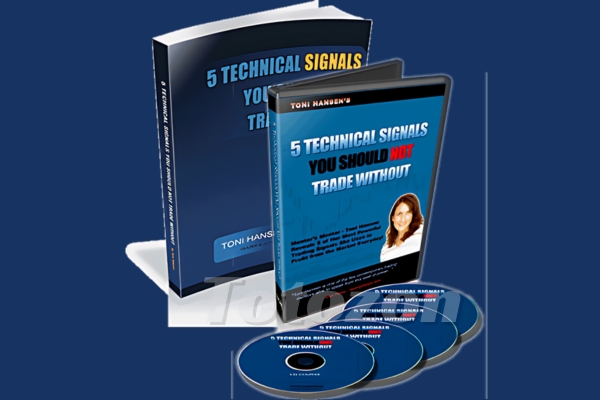 5 Technical Signals You Should Not Trade Without (4 CDs) with Toni Hansen
1 × $6.00
5 Technical Signals You Should Not Trade Without (4 CDs) with Toni Hansen
1 × $6.00 -
×
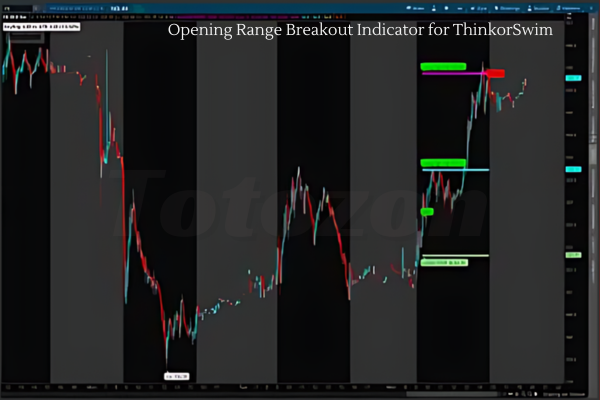 Opening Range Breakout Indicator for ThinkorSwim
1 × $6.00
Opening Range Breakout Indicator for ThinkorSwim
1 × $6.00 -
×
 Psychology of the Stock Market (1912) with G.C.Selden
1 × $6.00
Psychology of the Stock Market (1912) with G.C.Selden
1 × $6.00 -
×
 White Phoenix’s The Smart (Money) Approach to Trading with Jayson Casper
1 × $39.00
White Phoenix’s The Smart (Money) Approach to Trading with Jayson Casper
1 × $39.00 -
×
 Candlestick & Pivot Point Strategies with John L.Person
1 × $6.00
Candlestick & Pivot Point Strategies with John L.Person
1 × $6.00 -
×
 Advanced Management Strategies - Home Study with Pristine Capital
1 × $27.00
Advanced Management Strategies - Home Study with Pristine Capital
1 × $27.00 -
×
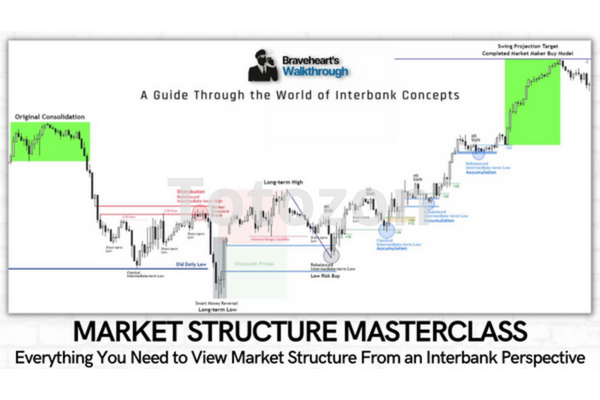 Market Structure Masterclass with Braveheart Trading
1 × $5.00
Market Structure Masterclass with Braveheart Trading
1 × $5.00 -
×
 The A14 Weekly Option Strategy Workshop with Amy Meissner
1 × $23.00
The A14 Weekly Option Strategy Workshop with Amy Meissner
1 × $23.00 -
×
 The Loyalty Effect with Frederick Reichheld
1 × $6.00
The Loyalty Effect with Frederick Reichheld
1 × $6.00 -
×
 Dynamic Time Cycles with Peter Eliades
1 × $6.00
Dynamic Time Cycles with Peter Eliades
1 × $6.00 -
×
 Candle Charting Essentials & Beyond Volume 1 & 2 with Steve Nison - Candle Charts
1 × $15.00
Candle Charting Essentials & Beyond Volume 1 & 2 with Steve Nison - Candle Charts
1 × $15.00 -
×
 Professional Trader Course
1 × $5.00
Professional Trader Course
1 × $5.00 -
×
 Discounted Cash Flow Valuation: Spot Undervalued Stocks Fast with Jari Roomer
1 × $6.00
Discounted Cash Flow Valuation: Spot Undervalued Stocks Fast with Jari Roomer
1 × $6.00 -
×
 Fundamentals of Futures & Options Markets (4th Ed.)
1 × $6.00
Fundamentals of Futures & Options Markets (4th Ed.)
1 × $6.00 -
×
 The Logical Trader: Applying a Method to the Madness with Mark Fisher
1 × $6.00
The Logical Trader: Applying a Method to the Madness with Mark Fisher
1 × $6.00 -
×
 Pattern Recognition: A Fundamental Introduction to Japanese Candlestick Charting Techniques Class with Jeff Bierman
1 × $6.00
Pattern Recognition: A Fundamental Introduction to Japanese Candlestick Charting Techniques Class with Jeff Bierman
1 × $6.00 -
×
 Forex Strategy Master
1 × $31.00
Forex Strategy Master
1 × $31.00 -
×
 Options Trading & Ultimate MasterClass With Tyrone Abela - FX Evolution
1 × $54.00
Options Trading & Ultimate MasterClass With Tyrone Abela - FX Evolution
1 × $54.00 -
×
 Investment Illusions with Martin S.Fridson
1 × $6.00
Investment Illusions with Martin S.Fridson
1 × $6.00 -
×
 Neural Networks in the Capital Markets with Apostolos Paul Refenes
1 × $6.00
Neural Networks in the Capital Markets with Apostolos Paul Refenes
1 × $6.00 -
×
 Trading 3SMA System with Hector DeVille
1 × $6.00
Trading 3SMA System with Hector DeVille
1 × $6.00 -
×
 Order flow self-study training program with iMFtracker
1 × $10.00
Order flow self-study training program with iMFtracker
1 × $10.00 -
×
 Precision Pattern Trading with Daryl Guppy
1 × $6.00
Precision Pattern Trading with Daryl Guppy
1 × $6.00 -
×
 Deep Dive Butterfly Trading Strategy Class with SJG Trades
1 × $41.00
Deep Dive Butterfly Trading Strategy Class with SJG Trades
1 × $41.00

Pristine – Dan Gibby – Mastering Breakouts & Breakdowns
$6.00
File Size: Cooming soon!
Delivery Time: 1–12 hours
Media Type: Online Course
Pristine – Dan Gibby – Mastering Breakouts & Breakdowns
Introduction to Trading Breakouts and Breakdowns
Trading breakouts and breakdowns are powerful strategies used by traders to capitalize on significant price movements. In the Pristine method taught by Dan Gibby, mastering these techniques can greatly enhance a trader’s ability to profit from market volatility.
Understanding Breakouts
A breakout occurs when the price of a stock or other asset moves outside a defined support or resistance area with increased volume.
Key Features of a Successful Breakout
- Volume Increase: Confirms the strength of the breakout.
- Support and Resistance: Clear understanding of these levels is crucial.
Understanding Breakdowns
Conversely, a breakdown happens when the price falls below a support level, often with increasing volume indicating a strong move.
Characteristics of Effective Breakdowns
- Volume Surge: Indicates selling pressure.
- Market Sentiment: Often influenced by broader market conditions.
Preparing for Breakouts and Breakdowns
Technical Analysis Essentials
Utilizing technical analysis tools is crucial to identifying potential breakouts or breakdowns before they happen.
Important Technical Indicators
- Moving Averages
- Bollinger Bands
- Volume Indicators
The Role of Chart Patterns
Chart patterns play a significant role in predicting price movements.
Common Chart Patterns for Breakouts/Breakdowns
- Triangles
- Head and Shoulders
- Flags and Pennants
Strategies for Trading Breakouts
Strategy 1: Trading on Volume Surges
Capitalizing on the increase in volume can help confirm the breakout’s legitimacy.
Execution Tips
- Look for a Sustained Volume Increase: Ensures the breakout is not a false signal.
- Set Appropriate Stop-Losses: To manage potential risks.
Strategy 2: Using Resistance and Support Flips
Once a breakout happens, the old resistance level often becomes new support and vice versa.
How to Trade Using Flips
- Entry Points: When the price tests the flipped level.
- Exit Strategy: When the price fails to sustain above/below the flipped level.
Managing Risks in Breakout/Breakdown Trading
Setting Stop-Losses
Proper stop-loss placement is crucial to managing risks in breakout and breakdown scenarios.
Tips for Stop-Loss Placement
- Percentage Method: Based on a specific percentage from the entry point.
- Volatility Method: Based on the asset’s volatility.
Assessing Trade Viability
Not all potential breakouts or breakdowns are worth trading. Assessment of risk and potential reward is essential.
Criteria for Viability
- Risk-Reward Ratio
- Market Conditions
Advanced Techniques for Experienced Traders
Leveraging Fibonacci Retracements
Fibonacci tools can help identify potential reversal points during breakouts or breakdowns.
Implementation of Fibonacci
- Identify Significant Price Points: To place Fibonacci levels.
- Combine with Other Indicators: For increased accuracy.
Psychological Aspects of Trading
The psychological readiness to execute on breakout and breakdown strategies is often as important as the strategy itself.
Building a Trader’s Mindset
- Patience for the Right Set-Up
- Discipline to Follow the Plan
Conclusion
Mastering the art of trading breakouts and breakdowns requires a deep understanding of market mechanics, a keen eye for technical analysis, and an unwavering discipline in risk management. Dan Gibby’s approach within the Pristine trading education framework equips traders with the tools necessary for success in these high-stakes trading strategies.
Frequently Asked Questions
- What is a breakout in trading?
A breakout refers to a price movement beyond a defined resistance or support level, typically accompanied by high volume.
2. How do I identify a potential breakout?
Look for tight consolidations, increased volume, and relevant chart patterns that suggest a potential price movement.
3. What is the difference between a breakout and a breakdown?
A breakout occurs when prices move upward past a resistance level, while a breakdown happens when prices fall through a support level.
4. How important is volume in trading breakouts?
Volume is a critical confirmatory factor in breakouts; higher volume indicates stronger commitment from the market to the price move.
5. Can Fibonacci retracements help with breakout trading?
Yes, Fibonacci retracements can provide additional insight into potential reversal or continuation levels during price movements.
Be the first to review “Pristine – Dan Gibby – Mastering Breakouts & Breakdowns”
You must be logged in to post a review.
Related products

Original price was: $649.00.$20.00Current price is: $20.00.

Forex Trading
Quantamentals – The Next Great Forefront Of Trading and Investing with Trading Markets
Original price was: $1,495.00.$8.00Current price is: $8.00.

Original price was: $2,120.00.$15.00Current price is: $15.00.

Original price was: $497.00.$31.00Current price is: $31.00.
Original price was: $700.00.$39.00Current price is: $39.00.
Forex Trading
Original price was: $1,898.00.$10.00Current price is: $10.00.

Original price was: $799.00.$15.00Current price is: $15.00.

Forex Trading
Original price was: $797.00.$10.00Current price is: $10.00.

Original price was: $1,200.00.$23.00Current price is: $23.00.
Original price was: $695.00.$41.00Current price is: $41.00.

Original price was: $999.00.$5.00Current price is: $5.00.

Forex Trading
Original price was: $397.00.$31.00Current price is: $31.00.

Forex Trading
Original price was: $1,098.00.$39.00Current price is: $39.00.

Forex Trading
Original price was: $999.00.$15.00Current price is: $15.00.
Forex Trading
Original price was: $2,995.00.$31.00Current price is: $31.00.

Original price was: $299.00.$8.00Current price is: $8.00.
Forex Trading
Original price was: $500.00.$5.00Current price is: $5.00.

Original price was: $197.00.$5.00Current price is: $5.00.
Forex Trading
Original price was: $850.00.$23.00Current price is: $23.00.
Forex Trading
Original price was: $249.00.$15.00Current price is: $15.00.

Reviews
There are no reviews yet.