
-
×
 You can be a Stock Market Genious with Joel Greenblaat
1 × $6.00
You can be a Stock Market Genious with Joel Greenblaat
1 × $6.00 -
×
 Sure Fire Forex Trading with Mark McRae
1 × $6.00
Sure Fire Forex Trading with Mark McRae
1 × $6.00 -
×
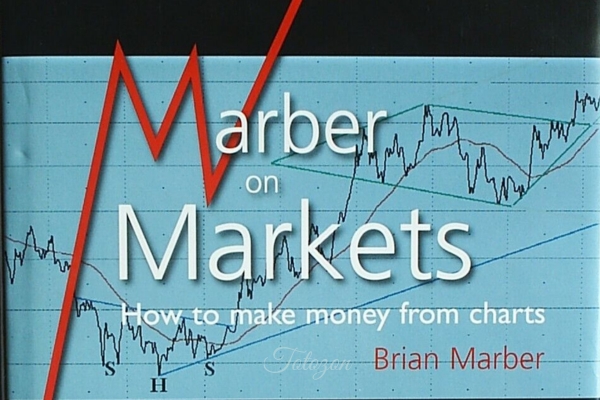 Marber on Markets – How to Make Money from Charts with Brian Marber
1 × $6.00
Marber on Markets – How to Make Money from Charts with Brian Marber
1 × $6.00 -
×
 Grand Slam Options
1 × $23.00
Grand Slam Options
1 × $23.00 -
×
 Optionpit - Mastering Iron Condors and Butterflies
1 × $15.00
Optionpit - Mastering Iron Condors and Butterflies
1 × $15.00 -
×
 Learn Before you Loose
1 × $6.00
Learn Before you Loose
1 × $6.00 -
×
 SWING TRADING WITH CONFIDENCE
1 × $31.00
SWING TRADING WITH CONFIDENCE
1 × $31.00 -
×
 Learn To Trade with Tori Trades
1 × $8.00
Learn To Trade with Tori Trades
1 × $8.00 -
×
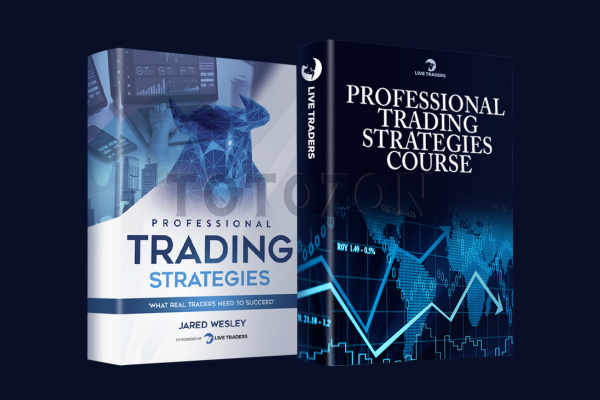 Professional Trading Strategies 2023 with Jared Wesley - Live Traders
1 × $5.00
Professional Trading Strategies 2023 with Jared Wesley - Live Traders
1 × $5.00 -
×
 Wysetrade Forex Masterclass 3.0
1 × $6.00
Wysetrade Forex Masterclass 3.0
1 × $6.00 -
×
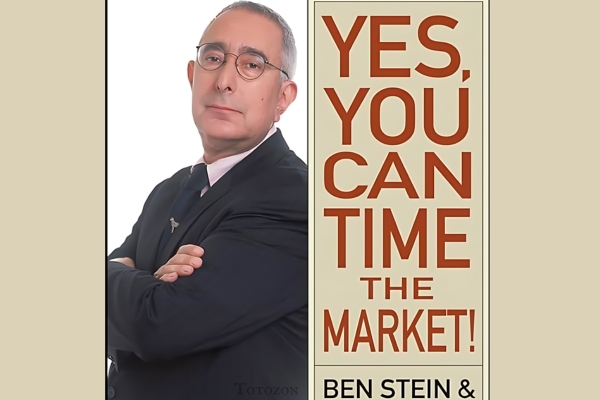 Yes You Can Time the Market! with Ben Stein
1 × $6.00
Yes You Can Time the Market! with Ben Stein
1 × $6.00 -
×
 PowerWave Trading with Dar Wong
1 × $4.00
PowerWave Trading with Dar Wong
1 × $4.00 -
×
 CNBC 24-7 Trading with Barbara Rockefeller
1 × $6.00
CNBC 24-7 Trading with Barbara Rockefeller
1 × $6.00 -
×
 Reedstrader 101: Mechanical Trading Strategy Workshop - REEDSTRADER
1 × $31.00
Reedstrader 101: Mechanical Trading Strategy Workshop - REEDSTRADER
1 × $31.00 -
×
 Forex Income Engine Course 2008 - 6 CDs + Manual
1 × $6.00
Forex Income Engine Course 2008 - 6 CDs + Manual
1 × $6.00 -
×
 The Best Option Trading Course with David Jaffee - Best Stock Strategy
1 × $15.00
The Best Option Trading Course with David Jaffee - Best Stock Strategy
1 × $15.00 -
×
 RiskDoctor RD1 – Introduction to Options Trading the RiskDoctor Way with Charles Cottle
1 × $6.00
RiskDoctor RD1 – Introduction to Options Trading the RiskDoctor Way with Charles Cottle
1 × $6.00 -
×
 Forex Commander Package by Amin Sadak
1 × $6.00
Forex Commander Package by Amin Sadak
1 × $6.00 -
×
 Tracking & Kalman Filtering Made Easy with Eli Brookner
1 × $6.00
Tracking & Kalman Filtering Made Easy with Eli Brookner
1 × $6.00 -
×
 Pristine - Dan Gibby – Market Preparation Trading Gaps & Trading the Open
1 × $6.00
Pristine - Dan Gibby – Market Preparation Trading Gaps & Trading the Open
1 × $6.00 -
×
 KASH-FX JOURNAL
1 × $10.00
KASH-FX JOURNAL
1 × $10.00 -
×
 Rich Jerk Program
1 × $15.00
Rich Jerk Program
1 × $15.00 -
×
 Wyckoff simplified from Michael Z
1 × $6.00
Wyckoff simplified from Michael Z
1 × $6.00 -
×
 Option Strategies with Courtney Smith
1 × $6.00
Option Strategies with Courtney Smith
1 × $6.00 -
×
 Gimme My Money Back with Ali Velshi
1 × $6.00
Gimme My Money Back with Ali Velshi
1 × $6.00 -
×
 Super Conference 2020 - Premier Coaching Package with Vince Vora
1 × $109.00
Super Conference 2020 - Premier Coaching Package with Vince Vora
1 × $109.00 -
×
 The Orderflows Trade Opportunities Encyclopedia with Michael Valtos
1 × $8.00
The Orderflows Trade Opportunities Encyclopedia with Michael Valtos
1 × $8.00 -
×
 Project Manager’s Spotlight on Risk Management with Kim Heldman
1 × $5.00
Project Manager’s Spotlight on Risk Management with Kim Heldman
1 × $5.00 -
×
 FX GOAT CURRENCIES COURSE 2.0
1 × $13.00
FX GOAT CURRENCIES COURSE 2.0
1 × $13.00 -
×
 Mind Over Markets
1 × $6.00
Mind Over Markets
1 × $6.00 -
×
 Complete Trading System with Segma Singh
1 × $6.00
Complete Trading System with Segma Singh
1 × $6.00 -
×
 Pay me in Stock Options with Carol Curtis
1 × $6.00
Pay me in Stock Options with Carol Curtis
1 × $6.00 -
×
 How to Make Money with Real State Options with Thomas Lucier
1 × $6.00
How to Make Money with Real State Options with Thomas Lucier
1 × $6.00 -
×
 Yield Farming MasterClass Course (2022) with Boss Financial
1 × $5.00
Yield Farming MasterClass Course (2022) with Boss Financial
1 × $5.00 -
×
 How You Can Identify Turning Points Using Fibonacci
1 × $6.00
How You Can Identify Turning Points Using Fibonacci
1 × $6.00 -
×
 Seasonality. Systems, Strategies & Signals
1 × $6.00
Seasonality. Systems, Strategies & Signals
1 × $6.00 -
×
 Rule Based Price Action with Trader Divergent
1 × $5.00
Rule Based Price Action with Trader Divergent
1 × $5.00 -
×
 Self-Managed Trading with Stochastics By George Lane
1 × $4.00
Self-Managed Trading with Stochastics By George Lane
1 × $4.00 -
×
 Get More Leads Quickly with Brittany Lynch
1 × $6.00
Get More Leads Quickly with Brittany Lynch
1 × $6.00 -
×
 Generate Weekly Income by Trend-Trading Stocks Intraday Class with Corey Rosenbloom
1 × $6.00
Generate Weekly Income by Trend-Trading Stocks Intraday Class with Corey Rosenbloom
1 × $6.00 -
×
 Play to Win with David La Piana & Michaela Hayes
1 × $6.00
Play to Win with David La Piana & Michaela Hayes
1 × $6.00 -
×
 Fundamentals of the Securities Industry with William A.Rini
1 × $6.00
Fundamentals of the Securities Industry with William A.Rini
1 × $6.00 -
×
 Forex Trading with Ed Ponsi
1 × $6.00
Forex Trading with Ed Ponsi
1 × $6.00 -
×
 MAM EA (Unlocked) with Christopher Wilson
1 × $6.00
MAM EA (Unlocked) with Christopher Wilson
1 × $6.00 -
×
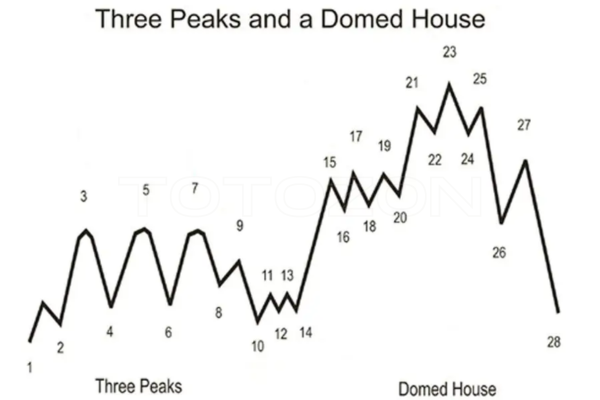 George Lindays. 3 Peaks and the Domed House Revised with Barclay T.Leib
1 × $6.00
George Lindays. 3 Peaks and the Domed House Revised with Barclay T.Leib
1 × $6.00 -
×
 Galactic Trader Seminar
1 × $15.00
Galactic Trader Seminar
1 × $15.00 -
×
 AI For Traders with Trading Markets
1 × $31.00
AI For Traders with Trading Markets
1 × $31.00 -
×
 My General Counsel™
1 × $23.00
My General Counsel™
1 × $23.00 -
×
 Option Profits Success System
1 × $54.00
Option Profits Success System
1 × $54.00 -
×
 ICT Trading Models with The Prop Trader
1 × $5.00
ICT Trading Models with The Prop Trader
1 × $5.00 -
×
 Options Trading Workshop On Demand with Affordable Financial Education
1 × $69.00
Options Trading Workshop On Demand with Affordable Financial Education
1 × $69.00 -
×
 How to avoid the GAP
1 × $6.00
How to avoid the GAP
1 × $6.00 -
×
 Quantitative Trading Systems (1st Edition) with Howard Bandy
1 × $6.00
Quantitative Trading Systems (1st Edition) with Howard Bandy
1 × $6.00 -
×
 Forex Income Engine 1.0 with Bill Poulos
1 × $6.00
Forex Income Engine 1.0 with Bill Poulos
1 × $6.00 -
×
 Zanzibar System for the EuroFx with Joe Ross
1 × $4.00
Zanzibar System for the EuroFx with Joe Ross
1 × $4.00 -
×
 High Rollers Mega Course Bundle - 13 Market Moves
1 × $39.00
High Rollers Mega Course Bundle - 13 Market Moves
1 × $39.00 -
×
 Ron Wagner – Creating a Profitable Trading & Investing Plan. 6 Key Components with Pristine
1 × $4.00
Ron Wagner – Creating a Profitable Trading & Investing Plan. 6 Key Components with Pristine
1 × $4.00 -
×
 Introduction to Probability with Charles M.Grinstead, J.Laurie Snell
1 × $6.00
Introduction to Probability with Charles M.Grinstead, J.Laurie Snell
1 × $6.00 -
×
 Enhancing Trader Performance with Brett Steenbarger
1 × $6.00
Enhancing Trader Performance with Brett Steenbarger
1 × $6.00 -
×
 How To Trade Fundamental News Release 2022 with Patrick Muke
1 × $6.00
How To Trade Fundamental News Release 2022 with Patrick Muke
1 × $6.00 -
×
 How to Trade Stock Options Course
1 × $6.00
How to Trade Stock Options Course
1 × $6.00 -
×
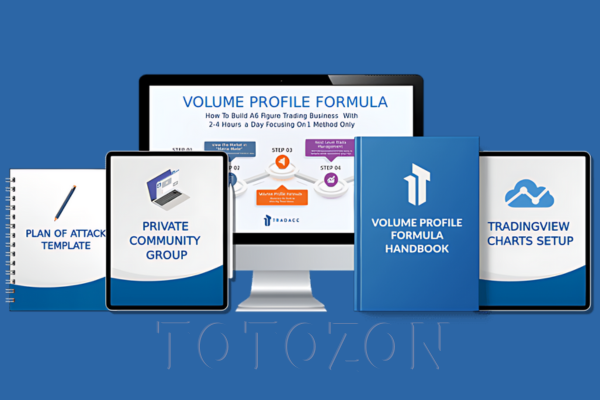 Volume Profile Formula with Aaron Korbs
1 × $5.00
Volume Profile Formula with Aaron Korbs
1 × $5.00 -
×
 Myths of the Free Market with Kenneth Friedman
1 × $6.00
Myths of the Free Market with Kenneth Friedman
1 × $6.00 -
×
 Market Magic: Riding the Greatest Bull Market of the Century with Louise Yamada
1 × $6.00
Market Magic: Riding the Greatest Bull Market of the Century with Louise Yamada
1 × $6.00 -
×
 War Room Psychology Vol.3 with Trick Trades
1 × $23.00
War Room Psychology Vol.3 with Trick Trades
1 × $23.00 -
×
 RSI Unleashed Class: Building a Comprehensive Trading Framework
1 × $54.00
RSI Unleashed Class: Building a Comprehensive Trading Framework
1 × $54.00 -
×
 Offensive & Defensive Strengths of Stocks, Groups & Sectors Gary Anderson
1 × $6.00
Offensive & Defensive Strengths of Stocks, Groups & Sectors Gary Anderson
1 × $6.00 -
×
 Options Academy Elevate with Simon Ree - Tao of Trading
1 × $109.00
Options Academy Elevate with Simon Ree - Tao of Trading
1 × $109.00 -
×
 WondaFX Signature Strategy with WondaFX
1 × $5.00
WondaFX Signature Strategy with WondaFX
1 × $5.00 -
×
 Secrets of Trading GBP, JPY, and CHF By Boris Schlossberg and Kathy Lien - Bkforex
1 × $6.00
Secrets of Trading GBP, JPY, and CHF By Boris Schlossberg and Kathy Lien - Bkforex
1 × $6.00 -
×
 Momentum Explained
1 × $6.00
Momentum Explained
1 × $6.00 -
×
 Futures Trading Secrets Home Study Course 2004 with Bill McCready
1 × $7.00
Futures Trading Secrets Home Study Course 2004 with Bill McCready
1 × $7.00 -
×
 Bond Market Course with The Macro Compass
1 × $15.00
Bond Market Course with The Macro Compass
1 × $15.00
Bollinger Bands Trading Strategies That Work
$6.00
File Size: Coming soon!
Delivery Time: 1–12 hours
Media Type: Online Course
Bollinger Bands Trading Strategies That Work
Understanding Bollinger Bands
Bollinger Bands, created by John Bollinger, are one of the most versatile and effective tools in a trader’s arsenal. These bands consist of a middle band (usually a 20-day simple moving average), an upper band (2 standard deviations above the middle band), and a lower band (2 standard deviations below the middle band). They help traders identify overbought and oversold conditions in the market.
How Bollinger Bands Work
The Concept of Volatility
Volatility is a key aspect of Bollinger Bands. The bands expand and contract based on market volatility. When the market is volatile, the bands widen, and when the market is stable, they contract. This behavior makes Bollinger Bands an excellent indicator for anticipating price movements.
The Middle Band
The middle band, which is typically a 20-day simple moving average, serves as the baseline for the upper and lower bands. It represents the average price over a specific period and helps in identifying the overall trend.
The Upper and Lower Bands
The upper and lower bands are set at 2 standard deviations away from the middle band. These bands act as dynamic support and resistance levels, which help traders make informed decisions.
Bollinger Bands Trading Strategies
Strategy 1: Bollinger Bounce
What is the Bollinger Bounce?
The Bollinger Bounce strategy relies on the concept that prices tend to revert to the mean. When the price touches the upper or lower band, it often bounces back towards the middle band.
How to Trade the Bollinger Bounce
- Identify the Touch: Wait for the price to touch the upper or lower band.
- Confirm the Bounce: Look for a reversal candlestick pattern to confirm the bounce.
- Enter the Trade: Enter the trade once the bounce is confirmed, aiming for the middle band as the target.
Strategy 2: Bollinger Squeeze
What is the Bollinger Squeeze?
The Bollinger Squeeze occurs when the bands contract, indicating low volatility. This situation often precedes a significant price movement, making it a great setup for breakout trades.
How to Trade the Bollinger Squeeze
- Identify the Squeeze: Look for the bands to contract tightly.
- Confirm the Breakout: Use additional indicators like the Relative Strength Index (RSI) to confirm the breakout direction.
- Enter the Trade: Enter the trade in the direction of the breakout, placing stop-loss orders just outside the bands.
Strategy 3: Riding the Bands
What is Riding the Bands?
Riding the Bands involves trading with the trend, where the price stays close to the upper or lower band for an extended period.
How to Trade by Riding the Bands
- Identify the Trend: Use the middle band to determine the trend direction.
- Confirm the Trend: Ensure the price consistently touches the upper or lower band without significant pullbacks.
- Enter the Trade: Enter the trade in the direction of the trend, using the opposite band as a trailing stop.
Strategy 4: Bollinger Band Breakouts
What are Bollinger Band Breakouts?
Breakouts occur when the price moves outside the bands, indicating a strong directional movement.
How to Trade Bollinger Band Breakouts
- Identify the Breakout: Look for the price to close outside the bands.
- Confirm the Strength: Use volume indicators to confirm the strength of the breakout.
- Enter the Trade: Enter the trade in the direction of the breakout, setting stop-loss orders within the bands.
Combining Bollinger Bands with Other Indicators
Relative Strength Index (RSI)
Combining Bollinger Bands with the RSI can enhance the reliability of trading signals. The RSI helps confirm overbought or oversold conditions, providing additional context for Bollinger Band signals.
Moving Averages
Using moving averages alongside Bollinger Bands can help in identifying the overall trend. For example, a 50-day moving average can be used to confirm long-term trends.
Volume Indicators
Volume indicators, such as the On-Balance Volume (OBV), can confirm the strength of breakouts and bounces, making them valuable tools in conjunction with Bollinger Bands.
Risk Management in Bollinger Bands Trading
Setting Stop-Loss Orders
Stop-loss orders are crucial in Bollinger Bands trading to manage risk effectively. Place stop-loss orders just outside the bands to minimize losses in case of false signals.
Position Sizing
Proper position sizing ensures that you do not risk too much on a single trade. Use a fixed percentage of your trading capital for each trade to manage risk effectively.
Regular Review and Adjustment
Regularly review your trading strategy and adjust the parameters of the Bollinger Bands to suit changing market conditions. This ongoing adjustment helps in maintaining the effectiveness of the strategy.
Conclusion
Bollinger Bands Trading Strategies are powerful tools for both novice and experienced traders. By understanding the principles behind Bollinger Bands and implementing these strategies, you can enhance your trading performance and achieve consistent results. Remember to combine Bollinger Bands with other indicators, practice risk management, and stay disciplined in your trading approach.
FAQs
What are Bollinger Bands?
Bollinger Bands are a technical analysis tool that consists of a middle band (usually a 20-day simple moving average) and two outer bands set at 2 standard deviations away from the middle band. They help identify overbought and oversold conditions.
How do Bollinger Bands help in trading?
Bollinger Bands help in identifying volatility and potential price reversals. They provide dynamic support and resistance levels, making them useful for various trading strategies.
What is the Bollinger Bounce strategy?
The Bollinger Bounce strategy involves trading based on the idea that prices tend to revert to the mean. When the price touches the upper or lower band, it often bounces back towards the middle band.
Can Bollinger Bands be used with other indicators?
Yes, Bollinger Bands can be combined with indicators like the Relative Strength Index (RSI), moving averages, and volume indicators to enhance the reliability of trading signals.
What is the Bollinger Squeeze?
The Bollinger Squeeze occurs when the bands contract, indicating low volatility. This situation often precedes a significant price movement, making it a great setup for breakout trades.
Be the first to review “Bollinger Bands Trading Strategies That Work”
You must be logged in to post a review.
Related products
Original price was: $1,849.00.$15.00Current price is: $15.00.

Forex Trading
Original price was: $4,997.00.$27.00Current price is: $27.00.

Original price was: $799.00.$15.00Current price is: $15.00.

Forex Trading
The Complete Guide to Multiple Time Frame Analysis & Reading Price Action with Aiman Almansoori
Original price was: $1,399.00.$13.00Current price is: $13.00.

Forex Trading
Original price was: $799.00.$15.00Current price is: $15.00.

Forex Trading
Original price was: $397.00.$31.00Current price is: $31.00.

Original price was: $497.00.$31.00Current price is: $31.00.

Original price was: $2,120.00.$15.00Current price is: $15.00.

Forex Trading
Original price was: $239.00.$8.00Current price is: $8.00.

Original price was: $197.00.$5.00Current price is: $5.00.

Forex Trading
Original price was: $697.00.$5.00Current price is: $5.00.

Forex Trading
Quantamentals – The Next Great Forefront Of Trading and Investing with Trading Markets
Original price was: $1,495.00.$8.00Current price is: $8.00.

Forex Trading
Original price was: $2,997.00.$23.00Current price is: $23.00.

Original price was: $139.00.$23.00Current price is: $23.00.

Original price was: $4,995.00.$15.00Current price is: $15.00.

Original price was: $1,200.00.$23.00Current price is: $23.00.

Original price was: $1,800.00.$54.00Current price is: $54.00.

Forex Trading
Original price was: $999.00.$15.00Current price is: $15.00.
Forex Trading
Original price was: $2,995.00.$31.00Current price is: $31.00.

Original price was: $999.00.$5.00Current price is: $5.00.
Reviews
There are no reviews yet.