
-
×
 Order Flow Mastery Course with OrderFlowForex
1 × $6.00
Order Flow Mastery Course with OrderFlowForex
1 × $6.00 -
×
 Crypto Trading Academy with Cheeky Investor - Aussie Day Trader
1 × $13.00
Crypto Trading Academy with Cheeky Investor - Aussie Day Trader
1 × $13.00 -
×
 The Blueprint for Successful Stock Trading with Jeff Tompkins
1 × $6.00
The Blueprint for Successful Stock Trading with Jeff Tompkins
1 × $6.00 -
×
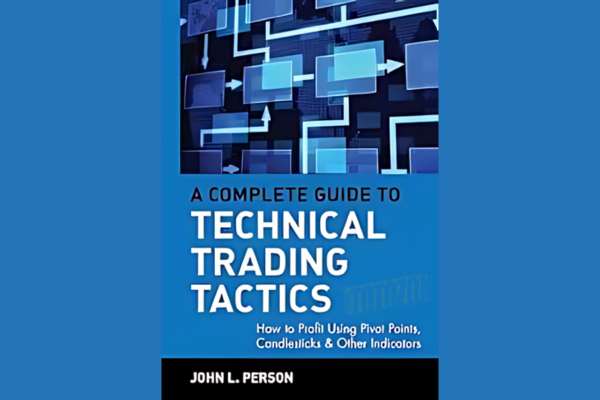 A Complete Guide to Technical Trading Tactics with John Person
1 × $6.00
A Complete Guide to Technical Trading Tactics with John Person
1 × $6.00 -
×
 Technical Analysis & The Nasdaq with Alan Rich
1 × $6.00
Technical Analysis & The Nasdaq with Alan Rich
1 × $6.00 -
×
 TREND/REV BLOCK AND EA FOREX SYSTEM (No MT4 Indicator) with IFXSuccess
1 × $69.00
TREND/REV BLOCK AND EA FOREX SYSTEM (No MT4 Indicator) with IFXSuccess
1 × $69.00 -
×
 Stock Selection Course with Dave Landry
1 × $6.00
Stock Selection Course with Dave Landry
1 × $6.00 -
×
 Trade The Price Action with Thomas Wood (Valuecharts)
1 × $15.00
Trade The Price Action with Thomas Wood (Valuecharts)
1 × $15.00 -
×
 Gold & Silver Profit System with Bill Poulos
1 × $6.00
Gold & Silver Profit System with Bill Poulos
1 × $6.00 -
×
 TradeCraft: Your Path to Peak Performance Trading By Adam Grimes
1 × $15.00
TradeCraft: Your Path to Peak Performance Trading By Adam Grimes
1 × $15.00 -
×
 Trading Psychology, Day-trading & Swing Trading with Alexander Elder
1 × $31.00
Trading Psychology, Day-trading & Swing Trading with Alexander Elder
1 × $31.00 -
×
 Quantamentals - The Next Great Forefront Of Trading and Investing with Trading Markets
1 × $8.00
Quantamentals - The Next Great Forefront Of Trading and Investing with Trading Markets
1 × $8.00 -
×
 Fundamentals of Algorithmic Trading
1 × $23.00
Fundamentals of Algorithmic Trading
1 × $23.00 -
×
 XLT - Forex Trading Course
1 × $6.00
XLT - Forex Trading Course
1 × $6.00 -
×
 The SPX 35-40 Day Delta Neutral Unbalanced Butterfly with Sheridan Options Mentoring
1 × $15.00
The SPX 35-40 Day Delta Neutral Unbalanced Butterfly with Sheridan Options Mentoring
1 × $15.00 -
×
 TRADING NFX Course with Andrew NFX
1 × $5.00
TRADING NFX Course with Andrew NFX
1 × $5.00 -
×
 Lifespan Investing with Clifford Pistolese
1 × $6.00
Lifespan Investing with Clifford Pistolese
1 × $6.00 -
×
 How to Day Trade Micro Eminis with Dr Stoxx
1 × $5.00
How to Day Trade Micro Eminis with Dr Stoxx
1 × $5.00 -
×
 Intelligent Futures Trading (chickgoslin.com)
1 × $6.00
Intelligent Futures Trading (chickgoslin.com)
1 × $6.00 -
×
 Stochastics for the Serious Traders with George Lane
1 × $4.00
Stochastics for the Serious Traders with George Lane
1 × $4.00 -
×
 Wealth, War & Wisdom with Barton Biggs
1 × $6.00
Wealth, War & Wisdom with Barton Biggs
1 × $6.00 -
×
 NORMAN HALLETT SIMPLE TRADING PLANS
1 × $31.00
NORMAN HALLETT SIMPLE TRADING PLANS
1 × $31.00 -
×
 All About Technical Analysis with Constance Brown
1 × $6.00
All About Technical Analysis with Constance Brown
1 × $6.00 -
×
 The Practical Guide to Wall Street with Matthew Tagliani
1 × $6.00
The Practical Guide to Wall Street with Matthew Tagliani
1 × $6.00 -
×
 Home Run Options Trading Course with Dave Aquino - Base Camp Trading
1 × $11.00
Home Run Options Trading Course with Dave Aquino - Base Camp Trading
1 × $11.00 -
×
 VXX Made Easy By Option Pit
1 × $62.00
VXX Made Easy By Option Pit
1 × $62.00 -
×
 Mechanical Timing Systems. The Key to Consistent Profits & Sharper Trading with Nelson Freeburg
1 × $6.00
Mechanical Timing Systems. The Key to Consistent Profits & Sharper Trading with Nelson Freeburg
1 × $6.00 -
×
 The Art of Trading Covered Writes [1 video (AVI)]
1 × $15.00
The Art of Trading Covered Writes [1 video (AVI)]
1 × $15.00 -
×
 The Prop Trading Code with Brannigan Barrett - Axia Futures
1 × $23.00
The Prop Trading Code with Brannigan Barrett - Axia Futures
1 × $23.00 -
×
 Exclusive Footprint and Market Profile with Adam Set
1 × $5.00
Exclusive Footprint and Market Profile with Adam Set
1 × $5.00 -
×
 TechnicalGodsFX Advanced Forex Education
1 × $7.00
TechnicalGodsFX Advanced Forex Education
1 × $7.00 -
×
 Butterfly and Condor Workshop with Aeromir
1 × $15.00
Butterfly and Condor Workshop with Aeromir
1 × $15.00 -
×
 Trading The Nasdaq Seminar with Alan Rich
1 × $6.00
Trading The Nasdaq Seminar with Alan Rich
1 × $6.00 -
×
 Forex Millionaire Course with Willis University
1 × $6.00
Forex Millionaire Course with Willis University
1 × $6.00 -
×
 Zanzibar System for the EuroFx with Joe Ross
1 × $4.00
Zanzibar System for the EuroFx with Joe Ross
1 × $4.00 -
×
 Spread Trading Webinar
1 × $6.00
Spread Trading Webinar
1 × $6.00 -
×
 Reverse Engineering Deals on Wall Street with Microsoft Excel with Keith Allman
1 × $6.00
Reverse Engineering Deals on Wall Street with Microsoft Excel with Keith Allman
1 × $6.00 -
×
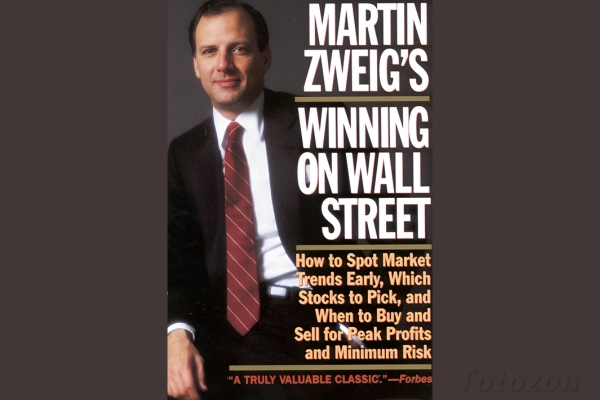 Winning on Wall Street (Updated & Revised Ed.) with Martin Zweig
1 × $6.00
Winning on Wall Street (Updated & Revised Ed.) with Martin Zweig
1 × $6.00 -
×
 How To Read The Market Professionally with TradeSmart
1 × $27.00
How To Read The Market Professionally with TradeSmart
1 × $27.00 -
×
 Simple Sector Trading Strategies with John Murphy
1 × $6.00
Simple Sector Trading Strategies with John Murphy
1 × $6.00 -
×
 Freedom Trading Course with Financial Freedom Trading
1 × $15.00
Freedom Trading Course with Financial Freedom Trading
1 × $15.00 -
×
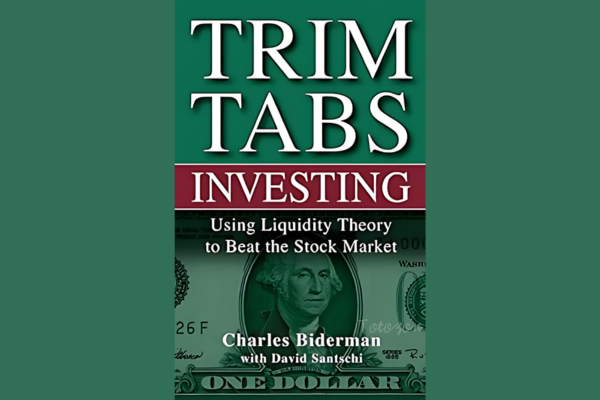 TrimTabs Investing with Charles Biderman & David Santschi
1 × $6.00
TrimTabs Investing with Charles Biderman & David Santschi
1 × $6.00 -
×
 Joshua ICT ChartLab 2023
1 × $5.00
Joshua ICT ChartLab 2023
1 × $5.00 -
×
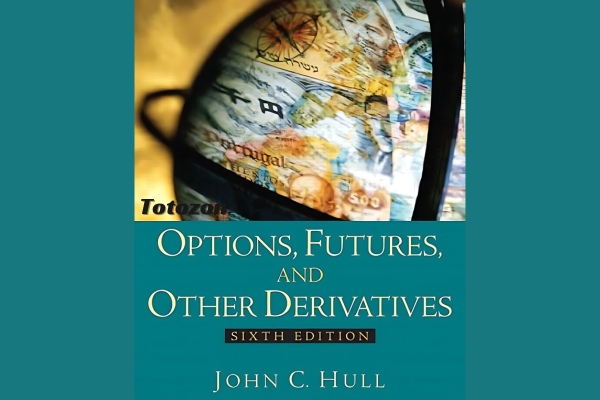 Options, Futures & Other Derivatives (6th Ed.)
1 × $6.00
Options, Futures & Other Derivatives (6th Ed.)
1 × $6.00 -
×
 Ultimate Day Trading Program with Maroun4x
1 × $5.00
Ultimate Day Trading Program with Maroun4x
1 × $5.00 -
×
 ICT Prodigy Trading Course – $650K in Payouts with Alex Solignani
1 × $15.00
ICT Prodigy Trading Course – $650K in Payouts with Alex Solignani
1 × $15.00 -
×
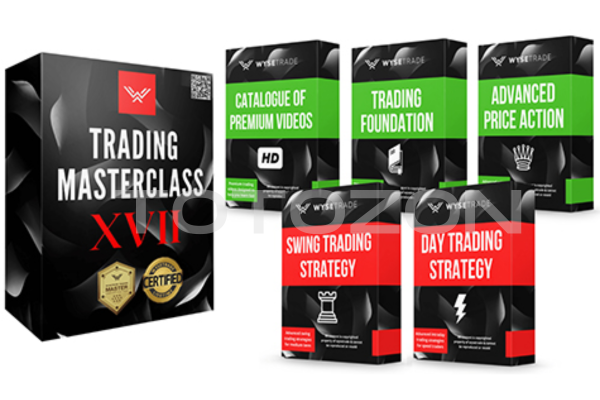 Trading Masterclass XVII with Wysetrade
1 × $6.00
Trading Masterclass XVII with Wysetrade
1 × $6.00 -
×
 Forex EURUSD Trader Live Training (2012)
1 × $6.00
Forex EURUSD Trader Live Training (2012)
1 × $6.00 -
×
 Shecantrade – Day Trading Options
1 × $23.00
Shecantrade – Day Trading Options
1 × $23.00 -
×
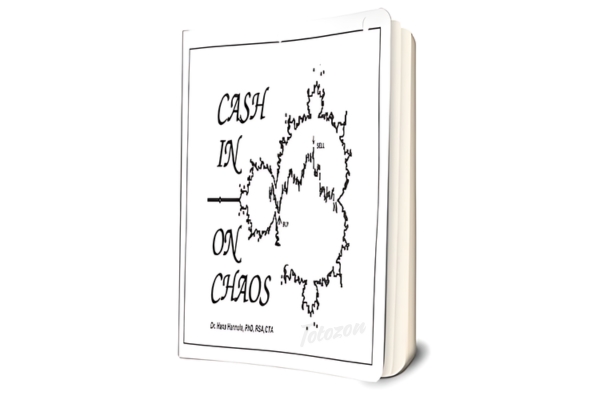 The Chaos Course. Cash in on Chaos with Hans Hannula
1 × $6.00
The Chaos Course. Cash in on Chaos with Hans Hannula
1 × $6.00 -
×
 Trading Options for Dummies with George Fontanills
1 × $6.00
Trading Options for Dummies with George Fontanills
1 × $6.00 -
×
 VintagEducation - The Fast Track Forex Bootcamp
1 × $6.00
VintagEducation - The Fast Track Forex Bootcamp
1 × $6.00 -
×
 STERLING SUHR’S ADVANCED FOREX BANK TRADING COURSE (DAYTRADING FOREX LIVE COURSE) 2017
1 × $15.00
STERLING SUHR’S ADVANCED FOREX BANK TRADING COURSE (DAYTRADING FOREX LIVE COURSE) 2017
1 × $15.00 -
×
 Managing By The Greeks (6 Classes) Sept 2010 [9 Videos(mp4) 11 docs(pdf)] by Dan Sheridan
1 × $6.00
Managing By The Greeks (6 Classes) Sept 2010 [9 Videos(mp4) 11 docs(pdf)] by Dan Sheridan
1 × $6.00 -
×
 Profiting From Forex
1 × $15.00
Profiting From Forex
1 × $15.00 -
×
 Secret Day - Swing Trading Strategy For Stock, Forex, Crypto with Value Stocks
1 × $5.00
Secret Day - Swing Trading Strategy For Stock, Forex, Crypto with Value Stocks
1 × $5.00 -
×
 Ocean’s CPA Force (Ebook)
1 × $6.00
Ocean’s CPA Force (Ebook)
1 × $6.00 -
×
 Futures Masterclass with Market Flow Trader
1 × $17.00
Futures Masterclass with Market Flow Trader
1 × $17.00 -
×
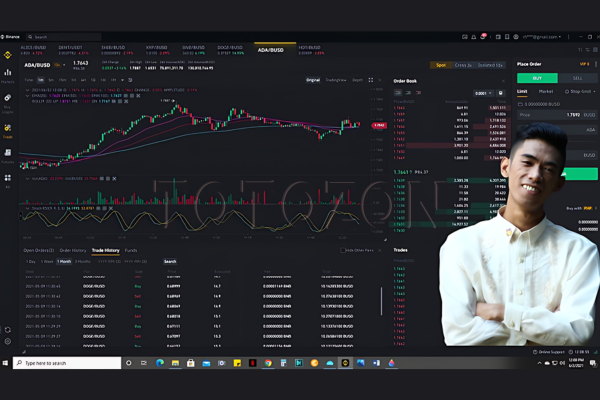 Binance Trading Bots Passive Income with Rhodnnie Jessnor Austria
1 × $5.00
Binance Trading Bots Passive Income with Rhodnnie Jessnor Austria
1 × $5.00 -
×
 Trading the Moves - Consistent Gains in All Markets with Ed Downs
1 × $6.00
Trading the Moves - Consistent Gains in All Markets with Ed Downs
1 × $6.00 -
×
 ASFX Beginner Training Course & VIP Chat with ASFX Day Trading
1 × $31.00
ASFX Beginner Training Course & VIP Chat with ASFX Day Trading
1 × $31.00 -
×
 Andy’s EMini Bar – 60 Min System
1 × $6.00
Andy’s EMini Bar – 60 Min System
1 × $6.00 -
×
 W. D Gann 's Square Of 9 Applied To Modern Markets with Sean Avidar - Hexatrade350
1 × $23.00
W. D Gann 's Square Of 9 Applied To Modern Markets with Sean Avidar - Hexatrade350
1 × $23.00
Bollinger Bands Trading Strategies That Work
$6.00
File Size: Coming soon!
Delivery Time: 1–12 hours
Media Type: Online Course
Bollinger Bands Trading Strategies That Work
Understanding Bollinger Bands
Bollinger Bands, created by John Bollinger, are one of the most versatile and effective tools in a trader’s arsenal. These bands consist of a middle band (usually a 20-day simple moving average), an upper band (2 standard deviations above the middle band), and a lower band (2 standard deviations below the middle band). They help traders identify overbought and oversold conditions in the market.
How Bollinger Bands Work
The Concept of Volatility
Volatility is a key aspect of Bollinger Bands. The bands expand and contract based on market volatility. When the market is volatile, the bands widen, and when the market is stable, they contract. This behavior makes Bollinger Bands an excellent indicator for anticipating price movements.
The Middle Band
The middle band, which is typically a 20-day simple moving average, serves as the baseline for the upper and lower bands. It represents the average price over a specific period and helps in identifying the overall trend.
The Upper and Lower Bands
The upper and lower bands are set at 2 standard deviations away from the middle band. These bands act as dynamic support and resistance levels, which help traders make informed decisions.
Bollinger Bands Trading Strategies
Strategy 1: Bollinger Bounce
What is the Bollinger Bounce?
The Bollinger Bounce strategy relies on the concept that prices tend to revert to the mean. When the price touches the upper or lower band, it often bounces back towards the middle band.
How to Trade the Bollinger Bounce
- Identify the Touch: Wait for the price to touch the upper or lower band.
- Confirm the Bounce: Look for a reversal candlestick pattern to confirm the bounce.
- Enter the Trade: Enter the trade once the bounce is confirmed, aiming for the middle band as the target.
Strategy 2: Bollinger Squeeze
What is the Bollinger Squeeze?
The Bollinger Squeeze occurs when the bands contract, indicating low volatility. This situation often precedes a significant price movement, making it a great setup for breakout trades.
How to Trade the Bollinger Squeeze
- Identify the Squeeze: Look for the bands to contract tightly.
- Confirm the Breakout: Use additional indicators like the Relative Strength Index (RSI) to confirm the breakout direction.
- Enter the Trade: Enter the trade in the direction of the breakout, placing stop-loss orders just outside the bands.
Strategy 3: Riding the Bands
What is Riding the Bands?
Riding the Bands involves trading with the trend, where the price stays close to the upper or lower band for an extended period.
How to Trade by Riding the Bands
- Identify the Trend: Use the middle band to determine the trend direction.
- Confirm the Trend: Ensure the price consistently touches the upper or lower band without significant pullbacks.
- Enter the Trade: Enter the trade in the direction of the trend, using the opposite band as a trailing stop.
Strategy 4: Bollinger Band Breakouts
What are Bollinger Band Breakouts?
Breakouts occur when the price moves outside the bands, indicating a strong directional movement.
How to Trade Bollinger Band Breakouts
- Identify the Breakout: Look for the price to close outside the bands.
- Confirm the Strength: Use volume indicators to confirm the strength of the breakout.
- Enter the Trade: Enter the trade in the direction of the breakout, setting stop-loss orders within the bands.
Combining Bollinger Bands with Other Indicators
Relative Strength Index (RSI)
Combining Bollinger Bands with the RSI can enhance the reliability of trading signals. The RSI helps confirm overbought or oversold conditions, providing additional context for Bollinger Band signals.
Moving Averages
Using moving averages alongside Bollinger Bands can help in identifying the overall trend. For example, a 50-day moving average can be used to confirm long-term trends.
Volume Indicators
Volume indicators, such as the On-Balance Volume (OBV), can confirm the strength of breakouts and bounces, making them valuable tools in conjunction with Bollinger Bands.
Risk Management in Bollinger Bands Trading
Setting Stop-Loss Orders
Stop-loss orders are crucial in Bollinger Bands trading to manage risk effectively. Place stop-loss orders just outside the bands to minimize losses in case of false signals.
Position Sizing
Proper position sizing ensures that you do not risk too much on a single trade. Use a fixed percentage of your trading capital for each trade to manage risk effectively.
Regular Review and Adjustment
Regularly review your trading strategy and adjust the parameters of the Bollinger Bands to suit changing market conditions. This ongoing adjustment helps in maintaining the effectiveness of the strategy.
Conclusion
Bollinger Bands Trading Strategies are powerful tools for both novice and experienced traders. By understanding the principles behind Bollinger Bands and implementing these strategies, you can enhance your trading performance and achieve consistent results. Remember to combine Bollinger Bands with other indicators, practice risk management, and stay disciplined in your trading approach.
FAQs
What are Bollinger Bands?
Bollinger Bands are a technical analysis tool that consists of a middle band (usually a 20-day simple moving average) and two outer bands set at 2 standard deviations away from the middle band. They help identify overbought and oversold conditions.
How do Bollinger Bands help in trading?
Bollinger Bands help in identifying volatility and potential price reversals. They provide dynamic support and resistance levels, making them useful for various trading strategies.
What is the Bollinger Bounce strategy?
The Bollinger Bounce strategy involves trading based on the idea that prices tend to revert to the mean. When the price touches the upper or lower band, it often bounces back towards the middle band.
Can Bollinger Bands be used with other indicators?
Yes, Bollinger Bands can be combined with indicators like the Relative Strength Index (RSI), moving averages, and volume indicators to enhance the reliability of trading signals.
What is the Bollinger Squeeze?
The Bollinger Squeeze occurs when the bands contract, indicating low volatility. This situation often precedes a significant price movement, making it a great setup for breakout trades.
Be the first to review “Bollinger Bands Trading Strategies That Work”
You must be logged in to post a review.
Related products

Original price was: $1,849.00.$15.00Current price is: $15.00.

Forex Trading
Original price was: $125.00.$17.00Current price is: $17.00.

Forex Trading
The Complete Guide to Multiple Time Frame Analysis & Reading Price Action with Aiman Almansoori
Original price was: $1,399.00.$13.00Current price is: $13.00.
Original price was: $2,120.00.$15.00Current price is: $15.00.
Forex Trading
Quantamentals – The Next Great Forefront Of Trading and Investing with Trading Markets
Original price was: $1,495.00.$8.00Current price is: $8.00.

Original price was: $299.00.$8.00Current price is: $8.00.

Original price was: $649.00.$20.00Current price is: $20.00.

Forex Trading
Original price was: $1,898.00.$10.00Current price is: $10.00.

Forex Trading
Original price was: $499.00.$15.00Current price is: $15.00.

Original price was: $310.00.$23.00Current price is: $23.00.

Forex Trading
Original price was: $1,098.00.$39.00Current price is: $39.00.

Forex Trading
Original price was: $397.00.$31.00Current price is: $31.00.

Forex Trading
Original price was: $999.00.$15.00Current price is: $15.00.

Original price was: $999.00.$5.00Current price is: $5.00.
Forex Trading
Original price was: $4,997.00.$27.00Current price is: $27.00.
Original price was: $1,200.00.$23.00Current price is: $23.00.

Forex Trading
Original price was: $239.00.$8.00Current price is: $8.00.

Original price was: $1,800.00.$54.00Current price is: $54.00.

Forex Trading
Original price was: $697.00.$5.00Current price is: $5.00.
Original price was: $997.00.$13.00Current price is: $13.00.
Reviews
There are no reviews yet.