
-
×
 Rockwell Trading - Money Management - 2 DVDs
1 × $6.00
Rockwell Trading - Money Management - 2 DVDs
1 × $6.00 -
×
 RSI Unleashed Class: Building a Comprehensive Trading Framework
1 × $54.00
RSI Unleashed Class: Building a Comprehensive Trading Framework
1 × $54.00 -
×
 A Traders Astrological Almanac (2001 – 2006) with Jeanne Long
1 × $6.00
A Traders Astrological Almanac (2001 – 2006) with Jeanne Long
1 × $6.00 -
×
 Original Charting 1936 with W.D.Gann
1 × $6.00
Original Charting 1936 with W.D.Gann
1 × $6.00 -
×
 Technical Analysis Package with Martin Pring
1 × $4.00
Technical Analysis Package with Martin Pring
1 × $4.00 -
×
 High Probability Option Trading - Seasonal Straddles
1 × $6.00
High Probability Option Trading - Seasonal Straddles
1 × $6.00 -
×
 CFA Pro Qbank 2007 & 2008 with Schweser
1 × $6.00
CFA Pro Qbank 2007 & 2008 with Schweser
1 × $6.00 -
×
 Bond Markets, Analysis and Strategies with Frank Fabozzi
1 × $6.00
Bond Markets, Analysis and Strategies with Frank Fabozzi
1 × $6.00 -
×
 Trade What You See, Not What You Believe with Larry Pesavento
1 × $6.00
Trade What You See, Not What You Believe with Larry Pesavento
1 × $6.00 -
×
 Contrarian Trading Class with Jeff Bierman
1 × $6.00
Contrarian Trading Class with Jeff Bierman
1 × $6.00 -
×
 Breakouts with Feibel Trading
1 × $5.00
Breakouts with Feibel Trading
1 × $5.00 -
×
 With All Odds Forex System I & II with Barry Thornton
1 × $6.00
With All Odds Forex System I & II with Barry Thornton
1 × $6.00 -
×
 7 Commandments of Stock Investing with Gene Marcial
1 × $6.00
7 Commandments of Stock Investing with Gene Marcial
1 × $6.00 -
×
 FXjake Daily Trader Program
1 × $31.00
FXjake Daily Trader Program
1 × $31.00 -
×
 Market Fluidity
1 × $6.00
Market Fluidity
1 × $6.00 -
×
 Profiting With Forex: The Most Effective Tools and Techniques for Trading Currencies - John Jagerson & Wade Hansen
1 × $6.00
Profiting With Forex: The Most Effective Tools and Techniques for Trading Currencies - John Jagerson & Wade Hansen
1 × $6.00 -
×
 The Indices Orderflow Masterclass with The Forex Scalpers
1 × $23.00
The Indices Orderflow Masterclass with The Forex Scalpers
1 × $23.00 -
×
 How to Find the Most Profitable Stocks with Mubarak Shah
1 × $6.00
How to Find the Most Profitable Stocks with Mubarak Shah
1 × $6.00 -
×
 Matrix Spread Options Trading Course with Base Camp Trading
1 × $31.00
Matrix Spread Options Trading Course with Base Camp Trading
1 × $31.00 -
×
 Staying Out of Trouble Trading Currency with Channels - Barbara Rockefeller
1 × $6.00
Staying Out of Trouble Trading Currency with Channels - Barbara Rockefeller
1 × $6.00 -
×
 Reality Based Trading with Matt Petrallia - Trading Equilibrium
1 × $17.00
Reality Based Trading with Matt Petrallia - Trading Equilibrium
1 × $17.00 -
×
 A Day In The Life Of A Forex Trader with Vic Noble & Shirley Hudson
1 × $23.00
A Day In The Life Of A Forex Trader with Vic Noble & Shirley Hudson
1 × $23.00 -
×
 All About Stock Market Strategies: The Easy Way To Get Started (All About Series) with David Brown
1 × $6.00
All About Stock Market Strategies: The Easy Way To Get Started (All About Series) with David Brown
1 × $6.00 -
×
 3_8’s to Wealth (Audio 84 MB+ WorkBooks) with Darlene Nelson
1 × $6.00
3_8’s to Wealth (Audio 84 MB+ WorkBooks) with Darlene Nelson
1 × $6.00 -
×
 The Trading Blueprint with Brad Goh - The Trading Geek
1 × $5.00
The Trading Blueprint with Brad Goh - The Trading Geek
1 × $5.00 -
×
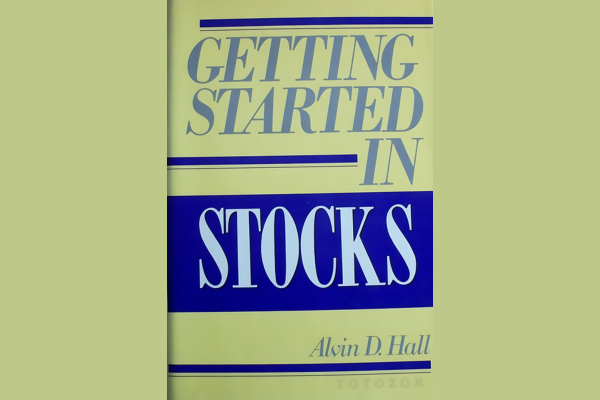 Getting Started in Stocks with Alvin D.Hall
1 × $6.00
Getting Started in Stocks with Alvin D.Hall
1 × $6.00 -
×
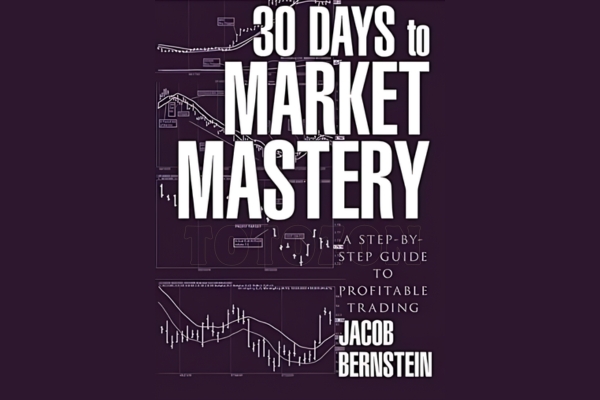 30 Days to Market Mastery: A Step-by-Step Guide to Profitable Trading with Jack Bernstein
1 × $6.00
30 Days to Market Mastery: A Step-by-Step Guide to Profitable Trading with Jack Bernstein
1 × $6.00 -
×
 Mark Sebastian – Gamma Trading Class
1 × $6.00
Mark Sebastian – Gamma Trading Class
1 × $6.00 -
×
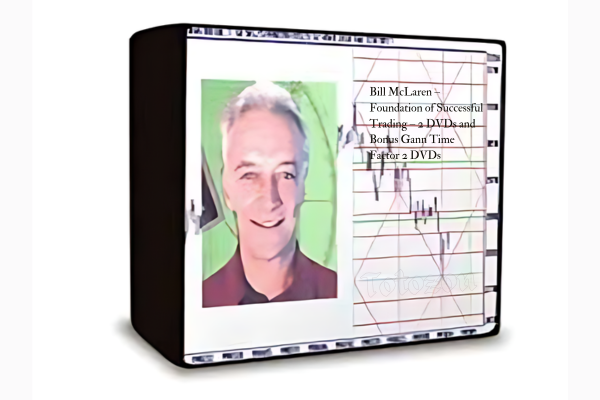 Foundation of Successful Trading - 2 DVDs and Bonus Gann Time Factor 2 DVDs
1 × $31.00
Foundation of Successful Trading - 2 DVDs and Bonus Gann Time Factor 2 DVDs
1 × $31.00 -
×
 How To Read The Trend (Recorded Session) with TradeSmart
1 × $31.00
How To Read The Trend (Recorded Session) with TradeSmart
1 × $31.00 -
×
 The Random Character of Interest Rates with Joseph Murphy
1 × $6.00
The Random Character of Interest Rates with Joseph Murphy
1 × $6.00 -
×
 Capital Flows and Crises with Barry Eichengreen
1 × $6.00
Capital Flows and Crises with Barry Eichengreen
1 × $6.00 -
×
 MTA - Technically Speaking Newsletters
1 × $6.00
MTA - Technically Speaking Newsletters
1 × $6.00 -
×
 How to Profit in Gold with Jonathan Spall
1 × $6.00
How to Profit in Gold with Jonathan Spall
1 × $6.00 -
×
 The Best Option Trading Course with David Jaffee - Best Stock Strategy
1 × $15.00
The Best Option Trading Course with David Jaffee - Best Stock Strategy
1 × $15.00 -
×
 Expert Option Trading Course with David Vallieres & Tim Warren
1 × $23.00
Expert Option Trading Course with David Vallieres & Tim Warren
1 × $23.00 -
×
 MTI - Basics UTP
1 × $6.00
MTI - Basics UTP
1 × $6.00 -
×
 Market Makers Method Forex Trading with Nick Nechanicky
1 × $5.00
Market Makers Method Forex Trading with Nick Nechanicky
1 × $5.00 -
×
 Developing & Implementing Pattern-Based Trading Systems with Tushar S.Chande
1 × $6.00
Developing & Implementing Pattern-Based Trading Systems with Tushar S.Chande
1 × $6.00 -
×
 Sovereign Man Confidential
1 × $6.00
Sovereign Man Confidential
1 × $6.00 -
×
 Sang Lucci Master Course 2021 with Sang Lucci
1 × $6.00
Sang Lucci Master Course 2021 with Sang Lucci
1 × $6.00 -
×
 How To Read The Market Professionally with TradeSmart
1 × $27.00
How To Read The Market Professionally with TradeSmart
1 × $27.00 -
×
 Learn how to trade Volatility 75 Index Technical Analysis with Patrick Muke
1 × $6.00
Learn how to trade Volatility 75 Index Technical Analysis with Patrick Muke
1 × $6.00 -
×
 How to Make Money with Real State Options with Thomas Lucier
1 × $6.00
How to Make Money with Real State Options with Thomas Lucier
1 × $6.00 -
×
 Complete Portfolio and Stock Comparison Spreadsheet with Joseph Hogue
1 × $6.00
Complete Portfolio and Stock Comparison Spreadsheet with Joseph Hogue
1 × $6.00 -
×
 The Triple Bottom Line
1 × $6.00
The Triple Bottom Line
1 × $6.00 -
×
 Directional Calendars in 2023 with Dan Sheridan & Mark Fenton - Sheridan Options Mentoring
1 × $85.00
Directional Calendars in 2023 with Dan Sheridan & Mark Fenton - Sheridan Options Mentoring
1 × $85.00 -
×
 San Jose Options - Iron Condor & Butterfly Options Trading Videos
1 × $15.00
San Jose Options - Iron Condor & Butterfly Options Trading Videos
1 × $15.00 -
×
 TenfoldFX Academy Course with Kenneth John
1 × $17.00
TenfoldFX Academy Course with Kenneth John
1 × $17.00 -
×
 Optionpit - Mastering Iron Condors and Butterflies
1 × $15.00
Optionpit - Mastering Iron Condors and Butterflies
1 × $15.00 -
×
 Spartan Renko 2.0 Workshop 2017
1 × $23.00
Spartan Renko 2.0 Workshop 2017
1 × $23.00 -
×
 Quantifiable Edges - 3 Course Bundle
1 × $31.00
Quantifiable Edges - 3 Course Bundle
1 × $31.00 -
×
 Scalp Strategy and Flipping Small Accounts with Opes Trading Group
1 × $5.00
Scalp Strategy and Flipping Small Accounts with Opes Trading Group
1 × $5.00
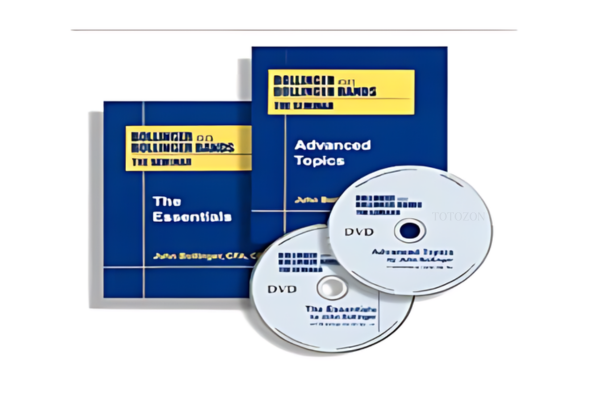
John Bollinger on Bollinger Bands
Original price was: $350.00.$6.00Current price is: $6.00.
File Size: Coming soon!
Delivery Time: 1–12 hours
Media Type: Online Course
John Bollinger on Bollinger Bands
Bollinger Bands are one of the most popular and versatile tools used in technical analysis, created by financial analyst John Bollinger. These bands help traders understand price volatility and identify potential trading opportunities. This article explores the concept of Bollinger Bands, their application in trading, and insights from John Bollinger himself.
Introduction to Bollinger Bands
What Are Bollinger Bands?
Bollinger Bands consist of a middle band (usually a simple moving average), and two outer bands that represent the standard deviation above and below the moving average. These bands adjust themselves based on market volatility.
Who Is John Bollinger?
John Bollinger is a renowned financial analyst and the creator of Bollinger Bands. He introduced this concept in the 1980s, and it has since become a staple in the toolkit of traders worldwide.
How Bollinger Bands Work
1. The Middle Band
The middle band is typically a 20-day simple moving average (SMA) that tracks the average price over the last 20 days.
2. The Upper and Lower Bands
The upper and lower bands are usually set two standard deviations away from the middle band, representing the price range within which the asset is expected to trade.
3. Volatility Measurement
Bollinger Bands expand and contract based on market volatility. Wider bands indicate higher volatility, while narrower bands suggest lower volatility.
Key Principles of Bollinger Bands
1. Price Envelopes
Bollinger Bands act as dynamic price envelopes, providing a relative definition of high and low prices.
2. Trend Identification
Traders use Bollinger Bands to identify trends and potential reversals. When prices touch the upper band, the asset might be overbought, and when they touch the lower band, it might be oversold.
3. Volatility Insight
The width of the bands provides insights into market volatility, helping traders gauge the strength of price movements.
Trading Strategies Using Bollinger Bands
1. Bollinger Bounce
This strategy is based on the idea that prices tend to return to the middle band. Traders buy when the price touches the lower band and sell when it touches the upper band.
2. Bollinger Squeeze
A squeeze occurs when the bands come close together, indicating low volatility and potential for a breakout. Traders watch for price movements outside the bands to signal the start of a new trend.
3. Riding the Bands
In a strong trend, prices can “ride the bands.” Traders follow the trend by entering trades in the direction of the trend when prices consistently touch the upper or lower band.
4. Double Bottoms and Tops
Bollinger Bands can help identify double bottoms and tops, which are potential reversal patterns. Look for price divergence at the bands to confirm these patterns.
5. Divergence
Divergence between price movement and the bands can signal weakening trends and potential reversals. Traders use this to anticipate changes in market direction.
How to Implement Bollinger Bands in Your Trading
1. Setting Up Bollinger Bands
Most trading platforms include Bollinger Bands as a standard indicator. Set the middle band to a 20-day SMA and the outer bands to two standard deviations from the SMA.
2. Choosing Timeframes
Bollinger Bands can be used on various timeframes, from minutes to months. Choose the timeframe that best suits your trading style.
3. Combining with Other Indicators
Enhance the effectiveness of Bollinger Bands by combining them with other indicators like the Relative Strength Index (RSI), Moving Average Convergence Divergence (MACD), or volume indicators.
4. Backtesting Strategies
Before trading with real money, backtest your Bollinger Band strategies using historical data to understand their performance and refine your approach.
5. Monitoring and Adjusting
Regularly monitor your trades and adjust your strategies as needed based on market conditions and performance reviews.
Common Mistakes to Avoid
1. Overtrading
Avoid making too many trades based on Bollinger Band signals alone. Use them as part of a broader trading strategy.
2. Ignoring Market Context
Always consider the broader market context and avoid relying solely on Bollinger Bands for trading decisions.
3. Misinterpreting Signals
Ensure you understand the signals Bollinger Bands provide and don’t misinterpret price touches on the bands as automatic buy or sell signals.
4. Neglecting Risk Management
Implement proper risk management practices, including stop-loss and take-profit levels, to protect your capital.
5. Failing to Adapt
Market conditions change, and so should your strategies. Be flexible and willing to adapt your use of Bollinger Bands as needed.
Advanced Tips for Bollinger Bands
1. Using Multiple Timeframes
Analyze Bollinger Bands on multiple timeframes to gain a broader perspective on market trends and potential reversals.
2. Incorporating Volume Analysis
Combine Bollinger Bands with volume analysis to confirm breakouts and trend strength.
3. Adjusting Band Settings
Experiment with different settings for the moving average and standard deviations to find the configuration that works best for your trading style.
4. Understanding Bandwidth
The bandwidth (difference between the upper and lower bands) can provide additional insights into market conditions and potential trading opportunities.
5. Staying Updated with Market News
Stay informed about market news and events that can impact volatility and influence Bollinger Band signals.
John Bollinger’s Insights
1. Flexibility and Adaptability
John Bollinger emphasizes the importance of flexibility and adaptability in trading. He advises traders to adjust their strategies based on changing market conditions.
2. Combining with Fundamentals
While Bollinger Bands are a technical tool, combining them with fundamental analysis can provide a more comprehensive view of the market.
3. Continuous Learning
Bollinger advocates for continuous learning and staying updated with new techniques and strategies to improve trading performance.
4. Avoiding Over-Reliance
Bollinger cautions against over-reliance on any single indicator. He recommends using Bollinger Bands as part of a broader trading system.
5. Practical Application
Bollinger encourages traders to practice and refine their use of Bollinger Bands through backtesting and real-time application.
Conclusion
Bollinger Bands are a versatile and powerful tool for traders looking to understand market volatility and identify potential trading opportunities. By following the principles and strategies outlined in this article, you can effectively incorporate Bollinger Bands into your trading system and trade with confidence.
Commonly Asked Questions:
- Business Model Innovation: Accept the truth of a legitimate business! Our strategy is organising a group buy in which participants share the costs. We use these cash to acquire popular courses from sale pages and make them available to people with limited financial resources. Despite the authors’ worries, our clients love the cost and accessibility we give.
- The Legal Environment: Yes or No The legality of our activity is ambiguous. While we don’t have specific permission from the course authors to resell the material, there is a technicality at work. The author did not specify any limits on resale when purchasing the course. This legal intricacy is both an opportunity for us and a boon for individuals looking for low-cost access.
- Quality Control: Uncovering the Truth
Getting to the heart of the issue – quality. Purchasing the course straight from the sale page guarantees that all documents and resources are the same as those obtained through traditional channels.
However, we distinguish ourselves by going beyond personal research and resale. It is crucial to note that we are not the official course providers, which means that the following premium services are not included in our package:
- There are no scheduled coaching calls or sessions with the author.
- Access to the author’s private Facebook group or web portal is not permitted.
- No access to the author’s private membership forum.
- There is no direct email support available from the author or their team.
We operate independently, with the goal of bridging the pricing gap without the extra services provided by official course channels. Your comprehension of our distinct approach is much appreciated.
Be the first to review “John Bollinger on Bollinger Bands”
You must be logged in to post a review.
Related products

Original price was: $1,200.00.$23.00Current price is: $23.00.

Forex Trading
Original price was: $499.00.$15.00Current price is: $15.00.

Forex Trading
Quantamentals – The Next Great Forefront Of Trading and Investing with Trading Markets
Original price was: $1,495.00.$8.00Current price is: $8.00.

Forex Trading
Original price was: $1,098.00.$39.00Current price is: $39.00.

Forex Trading
Original price was: $797.00.$10.00Current price is: $10.00.

Original price was: $497.00.$11.00Current price is: $11.00.
Original price was: $497.00.$31.00Current price is: $31.00.
Original price was: $999.00.$5.00Current price is: $5.00.

Original price was: $799.00.$15.00Current price is: $15.00.
Original price was: $450.00.$23.00Current price is: $23.00.

Forex Trading
Original price was: $500.00.$5.00Current price is: $5.00.

Forex Trading
Original price was: $550.00.$5.00Current price is: $5.00.

Forex Trading
Original price was: $999.00.$15.00Current price is: $15.00.

Forex Trading
Original price was: $799.00.$15.00Current price is: $15.00.

Forex Trading
Original price was: $2,995.00.$31.00Current price is: $31.00.

Forex Trading
Original price was: $239.00.$8.00Current price is: $8.00.

Original price was: $700.00.$39.00Current price is: $39.00.
Forex Trading
Original price was: $4,997.00.$27.00Current price is: $27.00.

Original price was: $299.00.$8.00Current price is: $8.00.

Original price was: $997.00.$8.00Current price is: $8.00.
Reviews
There are no reviews yet.