
-
×
 Dan Sheridan Delta Force
1 × $6.00
Dan Sheridan Delta Force
1 × $6.00 -
×
 Millionaire Traders with Kathy Lien & Boris Schlossberg
1 × $6.00
Millionaire Traders with Kathy Lien & Boris Schlossberg
1 × $6.00 -
×
 Slapped by the Invisible Hand: The Panic of 2007 with Gary Gorton
1 × $6.00
Slapped by the Invisible Hand: The Panic of 2007 with Gary Gorton
1 × $6.00 -
×
 The Hedge Bundle - SpotGamma Academy with Imran Lakha
1 × $8.00
The Hedge Bundle - SpotGamma Academy with Imran Lakha
1 × $8.00 -
×
 The Handbook of Pairs Trading with Douglas Ehrman
1 × $6.00
The Handbook of Pairs Trading with Douglas Ehrman
1 × $6.00 -
×
 Trade with a Day Job USA v2010 with Markets Mastered
1 × $6.00
Trade with a Day Job USA v2010 with Markets Mastered
1 × $6.00 -
×
 The Volatility Course Workbook: Step-by-Step Exercises to Help You Master The Volatility Course - George Fontanills & Tom Gentile
1 × $6.00
The Volatility Course Workbook: Step-by-Step Exercises to Help You Master The Volatility Course - George Fontanills & Tom Gentile
1 × $6.00 -
×
 CBOT Seminar on Market Profile (101 & 102) with Alex Benjamin
1 × $6.00
CBOT Seminar on Market Profile (101 & 102) with Alex Benjamin
1 × $6.00 -
×
 The Delphi Scalper 4 (delphiscalper.com) with Jason Fielder
1 × $6.00
The Delphi Scalper 4 (delphiscalper.com) with Jason Fielder
1 × $6.00 -
×
 Futures & Options from A to Z with Russell Wassendorf
1 × $6.00
Futures & Options from A to Z with Russell Wassendorf
1 × $6.00 -
×
 The Orderflow Masterclass with PrimeTrading
1 × $17.00
The Orderflow Masterclass with PrimeTrading
1 × $17.00 -
×
 Quantamentals - The Next Great Forefront Of Trading and Investing with Trading Markets
1 × $8.00
Quantamentals - The Next Great Forefront Of Trading and Investing with Trading Markets
1 × $8.00 -
×
 Elliott Wave Street Course with Juan Maldonado
1 × $17.00
Elliott Wave Street Course with Juan Maldonado
1 × $17.00 -
×
 CFA Level 2 - Examination Book Afternoon Section (1999)
1 × $6.00
CFA Level 2 - Examination Book Afternoon Section (1999)
1 × $6.00 -
×
 Trading MoneyTides & Chaos in the Stock Market with Hans Hannula
1 × $6.00
Trading MoneyTides & Chaos in the Stock Market with Hans Hannula
1 × $6.00 -
×
 A Seminar On Ocean Theory Home Study Trading Course with Pat Raffalovich
1 × $6.00
A Seminar On Ocean Theory Home Study Trading Course with Pat Raffalovich
1 × $6.00 -
×
 Flex EA Correlated Hedge V1.02
1 × $6.00
Flex EA Correlated Hedge V1.02
1 × $6.00 -
×
 Stock Trading Wizard
1 × $6.00
Stock Trading Wizard
1 × $6.00 -
×
 The Indices Orderflow Masterclass with The Forex Scalpers
1 × $23.00
The Indices Orderflow Masterclass with The Forex Scalpers
1 × $23.00 -
×
 George Wollsten: Expert Stock and Grain Trader with George Bayer
1 × $6.00
George Wollsten: Expert Stock and Grain Trader with George Bayer
1 × $6.00 -
×
 5-Step-Trading Stocks II - Avoid Common Trading Mistakes - Online Course (April 2014)
1 × $23.00
5-Step-Trading Stocks II - Avoid Common Trading Mistakes - Online Course (April 2014)
1 × $23.00 -
×
 TradingMind Course with Jack Bernstein
1 × $6.00
TradingMind Course with Jack Bernstein
1 × $6.00 -
×
 Supply and Demand 2023 with Willy Jay
1 × $5.00
Supply and Demand 2023 with Willy Jay
1 × $5.00 -
×
 High Rollers Mega Course Bundle - 13 Market Moves
1 × $39.00
High Rollers Mega Course Bundle - 13 Market Moves
1 × $39.00 -
×
 Advanced AmiBroker Coding with Matt Radtke & Connors Research
1 × $23.00
Advanced AmiBroker Coding with Matt Radtke & Connors Research
1 × $23.00 -
×
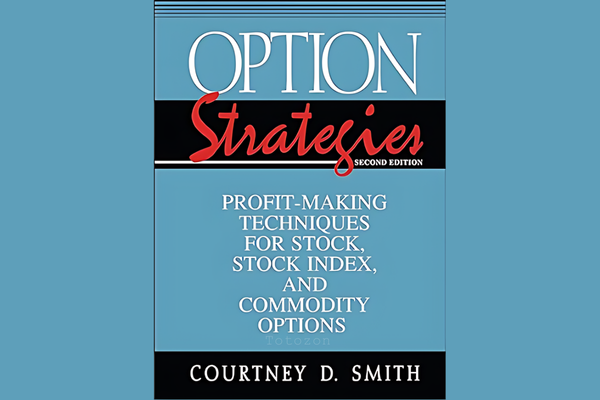 Option Strategies with Courtney Smith
1 × $6.00
Option Strategies with Courtney Smith
1 × $6.00 -
×
 Advanced Forex Patterns with Vic Noble & Darko Ali
1 × $39.00
Advanced Forex Patterns with Vic Noble & Darko Ali
1 × $39.00 -
×
 Small Account Options Trading Workshop Package with Doc Severson
1 × $6.00
Small Account Options Trading Workshop Package with Doc Severson
1 × $6.00 -
×
 Advanced Spread Trading with Guy Bower - MasterClass Trader
1 × $15.00
Advanced Spread Trading with Guy Bower - MasterClass Trader
1 × $15.00 -
×
 Trading Mindset, and Three Steps To Profitable Trading with Bruce Banks
1 × $6.00
Trading Mindset, and Three Steps To Profitable Trading with Bruce Banks
1 × $6.00 -
×
 Trading Strategies with Larry Sanders
1 × $6.00
Trading Strategies with Larry Sanders
1 × $6.00 -
×
 The Handbook of Chaos Control with H.G.Schuster
1 × $6.00
The Handbook of Chaos Control with H.G.Schuster
1 × $6.00 -
×
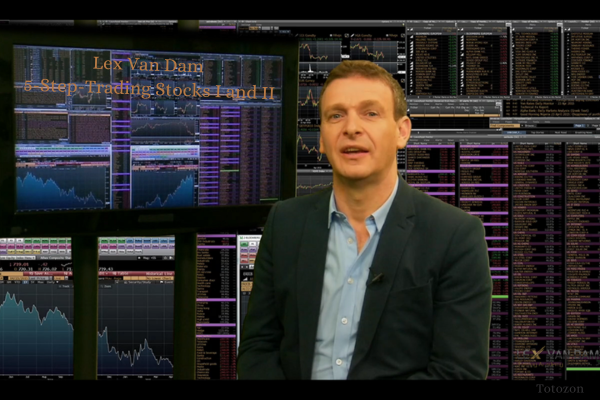 5-Step-Trading Stocks I and II with Lex Van Dam
1 × $4.00
5-Step-Trading Stocks I and II with Lex Van Dam
1 × $4.00 -
×
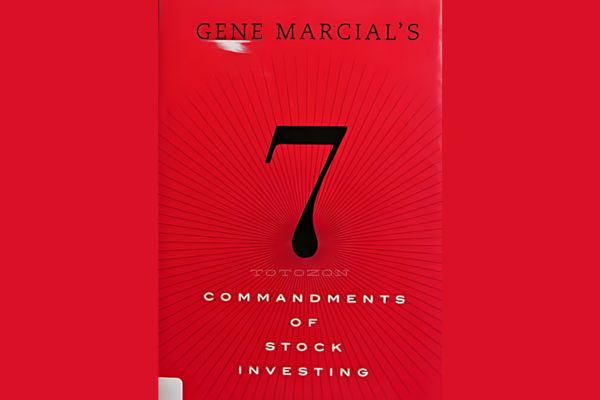 7 Commandments of Stock Investing with Gene Marcial
1 × $6.00
7 Commandments of Stock Investing with Gene Marcial
1 × $6.00 -
×
 Investment Performance Measurement with Bruce Feibel
1 × $6.00
Investment Performance Measurement with Bruce Feibel
1 × $6.00 -
×
 Rockwell Trading - Can You Make A Living Day Trading - 2 DVD
1 × $6.00
Rockwell Trading - Can You Make A Living Day Trading - 2 DVD
1 × $6.00 -
×
 Trading With Venus
1 × $31.00
Trading With Venus
1 × $31.00 -
×
 Scalping the Nasdaq Emini Futures Method (Includes Indicators) with Ryan Watts
1 × $4.00
Scalping the Nasdaq Emini Futures Method (Includes Indicators) with Ryan Watts
1 × $4.00 -
×
 A Bull in China with Jim Rogers
1 × $6.00
A Bull in China with Jim Rogers
1 × $6.00 -
×
 Forex Trading Course with Zack Kolundzic
1 × $6.00
Forex Trading Course with Zack Kolundzic
1 × $6.00 -
×
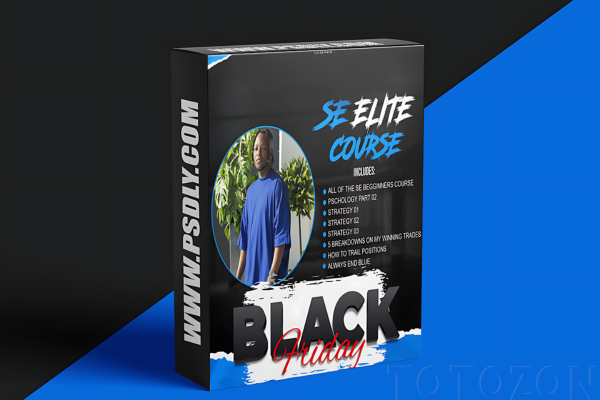 SE ELITE COURSE with SE TRADINGX
1 × $5.00
SE ELITE COURSE with SE TRADINGX
1 × $5.00 -
×
 FOREX MASTER TRADING COURSE with BKFOREX
1 × $5.00
FOREX MASTER TRADING COURSE with BKFOREX
1 × $5.00 -
×
 Forecast, Filings, & News with Jtrader
1 × $6.00
Forecast, Filings, & News with Jtrader
1 × $6.00 -
×
 WickOrTreat Trading Course with WickOrTreat
1 × $6.00
WickOrTreat Trading Course with WickOrTreat
1 × $6.00 -
×
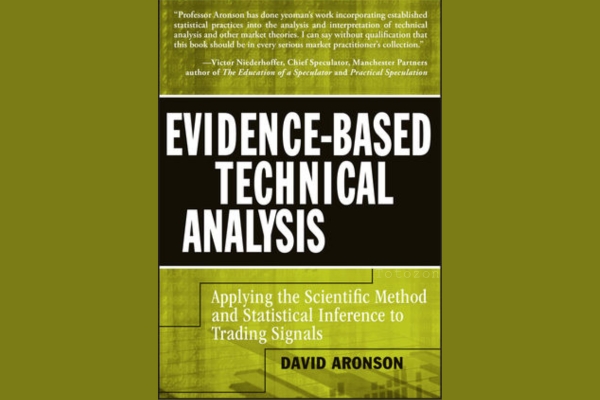 Evidence Based Technical Analysis with David Aronson
1 × $6.00
Evidence Based Technical Analysis with David Aronson
1 × $6.00 -
×
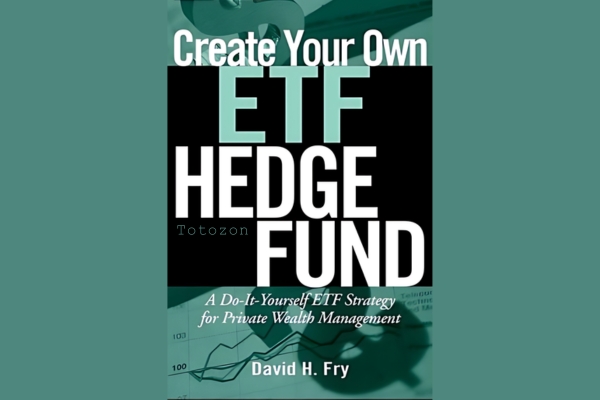 Create Your Own ETF Hedge Fund: A Do-It-Yourself ETF Strategy for Private Wealth Management with David Fry
1 × $6.00
Create Your Own ETF Hedge Fund: A Do-It-Yourself ETF Strategy for Private Wealth Management with David Fry
1 × $6.00 -
×
 Sell & Sell Short with Alexander Elder
1 × $6.00
Sell & Sell Short with Alexander Elder
1 × $6.00 -
×
 Century Capital Group Course with Dylan Forexia
1 × $6.00
Century Capital Group Course with Dylan Forexia
1 × $6.00 -
×
 Private Ephemeris 1941-1950
1 × $23.00
Private Ephemeris 1941-1950
1 × $23.00 -
×
 Trading for a Bright Future with Martin Cole
1 × $6.00
Trading for a Bright Future with Martin Cole
1 × $6.00 -
×
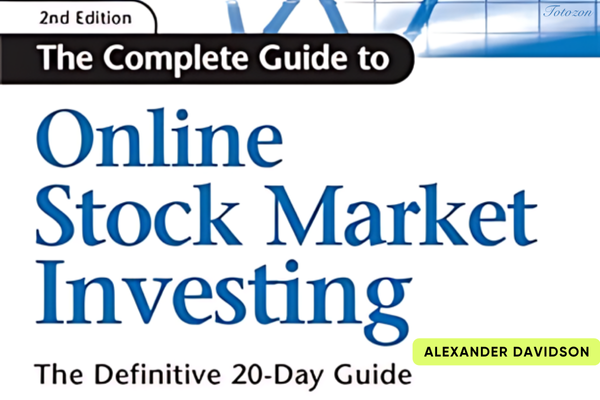 Complete Guide to Online Stock Market Investing (2nd Edition) with Alexander Davidson
1 × $6.00
Complete Guide to Online Stock Market Investing (2nd Edition) with Alexander Davidson
1 × $6.00 -
×
 Secrets of a Winning Trader with Gareth Soloway
1 × $871.00
Secrets of a Winning Trader with Gareth Soloway
1 × $871.00 -
×
 Cycles: What they are, what they mean, how to profit by them - Dick Stoken
1 × $6.00
Cycles: What they are, what they mean, how to profit by them - Dick Stoken
1 × $6.00 -
×
 Master The Art of Technical Analysis with Raul Gonzalez
1 × $31.00
Master The Art of Technical Analysis with Raul Gonzalez
1 × $31.00 -
×
 Options Academy Elevate with Simon Ree - Tao of Trading
1 × $109.00
Options Academy Elevate with Simon Ree - Tao of Trading
1 × $109.00 -
×
 Simpler Options - Insider’s Guide to Generating Income using Options Strategies Course (Oct 2014)
1 × $6.00
Simpler Options - Insider’s Guide to Generating Income using Options Strategies Course (Oct 2014)
1 × $6.00 -
×
 Bond Market Course with The Macro Compass
1 × $15.00
Bond Market Course with The Macro Compass
1 × $15.00
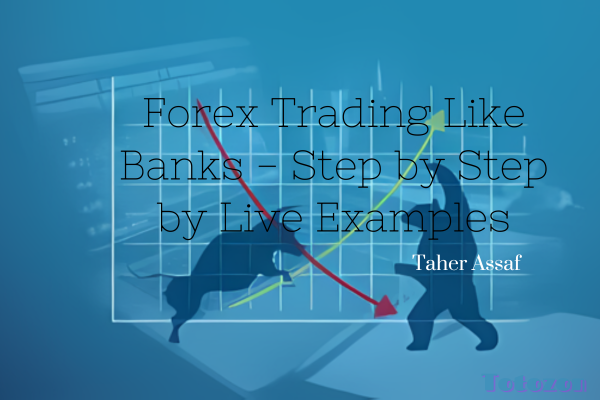
Forex Trading Like Banks – Step by Step by Live Examples with Taher Assaf
Original price was: $74.00.$6.00Current price is: $6.00.
File Size: 694.5 MB
Delivery Time: 1–12 hours
Media Type: Online Course
Content Proof: Watch Here!
You may check content proof of “Forex Trading Like Banks – Step by Step by Live Examples with Taher Assaf” below:
Forex Trading Like Banks – Step by Step by Live Examples with Taher Assaf
Introduction to Bank-Level Forex Trading
Forex trading can be a lucrative endeavor, but many retail traders struggle to achieve consistent success. However, understanding and adopting the strategies used by banks can significantly improve your trading outcomes. Taher Assaf, an experienced trader and educator, provides a comprehensive guide on Forex Trading Like Banks – Step by Step by Live Examples.
Who is Taher Assaf?
Experienced Forex Trader
Taher Assaf is a seasoned forex trader with years of experience in the financial markets. He is known for his ability to simplify complex trading concepts and his dedication to helping others succeed in forex trading.
Educational Contributions
Taher has created numerous educational resources, including courses, webinars, and articles, aimed at demystifying forex trading and making advanced strategies accessible to all traders.
Understanding Bank-Level Forex Trading
Market Makers
Banks act as market makers, providing liquidity to the forex market. This means they can influence market movements and often have a deeper understanding of market dynamics.
Trading Strategies
Banks use sophisticated trading strategies that involve large volumes, extensive market analysis, and advanced risk management techniques.
Step-by-Step Guide to Bank-Level Forex Trading
Step 1: Market Analysis
Fundamental Analysis
- Economic Indicators: Banks analyze economic indicators such as GDP, inflation, and employment rates to predict market movements.
- News Events: Keeping track of major news events and central bank announcements that can impact currency prices.
Technical Analysis
- Chart Patterns: Identifying patterns such as head and shoulders, double tops/bottoms, and triangles.
- Indicators: Using indicators like Moving Averages, RSI, and MACD to gauge market conditions.
Step 2: Identifying Key Levels
Support and Resistance
Banks identify key support and resistance levels to make informed trading decisions. These levels act as psychological barriers where the price tends to reverse.
Supply and Demand Zones
Understanding supply and demand zones helps in predicting price movements. Banks use these zones to enter and exit trades strategically.
Step 3: Executing Trades
Order Types
- Market Orders: Immediate execution at the current market price.
- Limit Orders: Execution at a specified price, ensuring better control over entry and exit points.
Position Sizing
Banks use precise position sizing to manage risk effectively. This involves calculating the optimal amount to trade based on account size and risk tolerance.
Step 4: Risk Management
Setting Stop-Loss and Take-Profit Levels
- Stop-Loss Orders: Protect against significant losses by automatically closing a position at a predetermined price.
- Take-Profit Orders: Lock in profits by closing a position once it reaches a desired profit level.
Hedging
Banks often hedge their positions to mitigate risk. This involves taking an opposite position in a related asset to offset potential losses.
Step 5: Monitoring and Adjusting Trades
Real-Time Monitoring
Banks continuously monitor their trades using advanced trading platforms that provide real-time data and analytics.
Adjusting Positions
Based on market conditions, banks adjust their positions to optimize outcomes. This may involve scaling in or out of trades or modifying stop-loss and take-profit levels.
Live Examples of Bank-Level Trading
Example 1: Trading the EUR/USD Pair
Taher Assaf demonstrates a live trade on the EUR/USD pair, highlighting how banks analyze economic data, identify key levels, and execute trades with precision.
Example 2: Risk Management in Action
In another live example, Taher shows how banks manage risk during volatile market conditions, using hedging strategies and precise position sizing to protect their investments.
Technical Tools for Bank-Level Trading
Advanced Charting Software
Banks use sophisticated charting software to analyze market trends and identify trading opportunities.
Automated Trading Systems
Automated systems help banks execute trades with high speed and accuracy, ensuring they can capitalize on market movements instantly.
Data Feeds
Access to high-quality, real-time data feeds is crucial for making informed trading decisions.
Common Challenges and Solutions
Market Volatility
While volatility can present trading opportunities, it also increases risk. Banks use advanced risk management techniques to navigate volatile markets.
Information Overload
The sheer amount of data available can be overwhelming. Banks rely on specialized tools and teams to filter and analyze this information efficiently.
Benefits of Trading Like Banks
Consistency
By adopting bank-level strategies, traders can achieve more consistent results, reducing the impact of market fluctuations on their portfolios.
Risk Management
Banks are experts in risk management. Learning their techniques helps individual traders protect their capital more effectively.
Market Insights
Understanding how banks view and analyze the market provides valuable insights that can enhance trading performance.
Educational Resources by Taher Assaf
Courses and Webinars
Taher offers a range of courses and webinars that delve deeper into bank-level trading strategies and techniques.
Books and Articles
His books and articles provide a wealth of knowledge, covering various aspects of forex trading from basic concepts to advanced strategies.
Conclusion
Forex Trading Like Banks – Step by Step by Live Examples with Taher Assaf provides a detailed guide to adopting the strategies used by banks to succeed in the forex market. By following these steps and leveraging the insights and tools used by financial institutions, traders can enhance their trading performance and achieve greater success.
Frequently Asked Questions
1. What is bank-level forex trading?
Bank-level forex trading involves using the strategies and techniques employed by banks and large financial institutions to trade in the forex market.
2. Who is Taher Assaf?
Taher Assaf is an experienced forex trader and educator known for his ability to simplify complex trading concepts and help traders succeed.
3. How can I start trading like banks?
Begin by studying bank-level strategies, such as those outlined by Taher Assaf, and applying them to your trading. Focus on market analysis, risk management, and using advanced tools.
4. What are key technical indicators used in bank-level trading?
Key indicators include Moving Averages, RSI, MACD, and Fibonacci retracements. These help in identifying trends, momentum, and potential reversal points.
5. Where can I learn more about bank-level trading strategies?
Explore educational resources such as courses, webinars, books, and articles by experts like Taher Assaf to deepen your understanding of bank-level trading.
Be the first to review “Forex Trading Like Banks – Step by Step by Live Examples with Taher Assaf”
You must be logged in to post a review.
Related products

Forex Trading
Original price was: $2,997.00.$23.00Current price is: $23.00.

Original price was: $700.00.$39.00Current price is: $39.00.

Forex Trading
Original price was: $397.00.$31.00Current price is: $31.00.

Original price was: $649.00.$20.00Current price is: $20.00.

Original price was: $997.00.$13.00Current price is: $13.00.

Original price was: $299.00.$8.00Current price is: $8.00.

Forex Trading
Original price was: $239.00.$8.00Current price is: $8.00.

Original price was: $997.00.$8.00Current price is: $8.00.

Original price was: $497.00.$11.00Current price is: $11.00.

Forex Trading
Original price was: $500.00.$5.00Current price is: $5.00.

Forex Trading
Original price was: $2,995.00.$31.00Current price is: $31.00.

Original price was: $695.00.$41.00Current price is: $41.00.

Forex Trading
Original price was: $2,000.00.$23.00Current price is: $23.00.
Forex Trading
Original price was: $499.00.$15.00Current price is: $15.00.

Forex Trading
Original price was: $1,898.00.$10.00Current price is: $10.00.
Original price was: $895.00.$15.00Current price is: $15.00.

Forex Trading
Original price was: $550.00.$5.00Current price is: $5.00.

Forex Trading
Original price was: $1,098.00.$39.00Current price is: $39.00.

Forex Trading
Original price was: $4,997.00.$27.00Current price is: $27.00.

Original price was: $197.00.$5.00Current price is: $5.00.
Reviews
There are no reviews yet.