
-
×
 Essentials in Quantitative Trading QT01 By HangukQuant's
1 × $23.00
Essentials in Quantitative Trading QT01 By HangukQuant's
1 × $23.00 -
×
 Ultimate Trading Course with Dodgy's Dungeon
1 × $8.00
Ultimate Trading Course with Dodgy's Dungeon
1 × $8.00 -
×
 Compass Trading System with Right Line Trading
1 × $39.00
Compass Trading System with Right Line Trading
1 × $39.00 -
×
 Best of the Best: Collars with Amy Meissner & Scott Ruble
1 × $15.00
Best of the Best: Collars with Amy Meissner & Scott Ruble
1 × $15.00 -
×
 High Probability Trading Using Elliott Wave And Fibonacci Analysis withVic Patel - Forex Training Group
1 × $10.00
High Probability Trading Using Elliott Wave And Fibonacci Analysis withVic Patel - Forex Training Group
1 × $10.00 -
×
 Bond Market Course with The Macro Compass
1 × $15.00
Bond Market Course with The Macro Compass
1 × $15.00 -
×
 The Complete Guide to Multiple Time Frame Analysis & Reading Price Action with Aiman Almansoori
1 × $13.00
The Complete Guide to Multiple Time Frame Analysis & Reading Price Action with Aiman Almansoori
1 × $13.00 -
×
 Crypto Trading Academy with Cheeky Investor - Aussie Day Trader
1 × $13.00
Crypto Trading Academy with Cheeky Investor - Aussie Day Trader
1 × $13.00
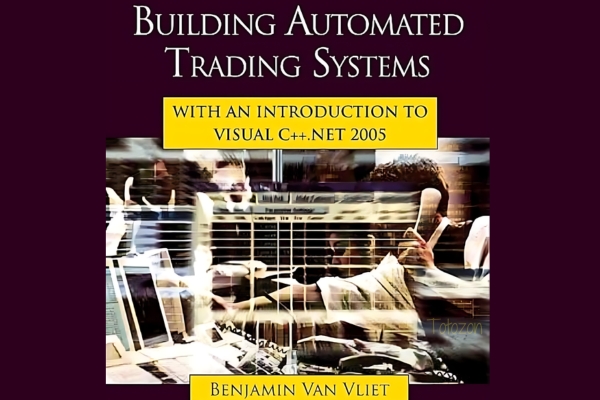
Building Automated Trading Systems C++.NET with Benjamin Van Vliet
$6.00
File Size: Coming soon!
Delivery Time: 1–12 hours
Media Type: Online Course
Content Proof: Watch Here!
You may check content proof of “Building Automated Trading Systems C++.NET with Benjamin Van Vliet” below:

Building Automated Trading Systems with C++.NET: Insights from Benjamin Van Vliet
Introduction to Automated Trading Systems
In the realm of financial trading, efficiency and speed are paramount. Automated trading systems (ATS) using C++.NET, guided by experts like Benjamin Van Vliet, offer both. These systems allow traders to execute orders at a pace no human can match.
Who is Benjamin Van Vliet?
Expertise in Financial Engineering
Benjamin Van Vliet is a leading figure in the field of financial technology, particularly known for his work in developing automated trading systems using C++.NET.
Contributions to Financial Technology
His contributions include teaching, authoring influential texts, and developing software that has reshaped how trading is conducted in the digital age.
The Basics of C++.NET for Trading
Understanding C++.NET
C++.NET blends the robustness of C++ with the versatility of the .NET framework, making it ideal for building complex trading systems.
Why Use C++.NET for ATS?
The platform offers unparalleled performance and control, crucial for the demands of modern trading algorithms.
Designing an Automated Trading System
System Architecture
Overview of the essential components of an ATS, from data handling to order execution.
Developing the Algorithm
Steps to translate trading strategies into code, ensuring they are both efficient and effective.
Key Components of ATS
Data Management
How to handle vast amounts of data in real-time, a critical capability for any ATS.
Signal Generation
Techniques for generating buy or sell signals based on analytical models.
Integrating with Trading Platforms
APIs and Connectivity
Exploring how C++.NET interfaces with trading platforms via APIs to execute trades and manage orders.
Real-Time Execution
Ensuring that the system can execute orders in real-time with minimal latency.
Testing and Optimization
Backtesting
Why backtesting your system against historical data is vital before going live.
Optimization Techniques
Methods to fine-tune performance, from adjusting parameters to enhancing computational efficiency.
Risk Management in ATS
Identifying Potential Risks
Discussion on the various risks involved with automated trading and how to mitigate them.
Automated Risk Controls
Implementing automated checks and balances to protect against market volatility and other risks.
Deploying Your Automated Trading System
Going Live
Preparations and precautions to consider when taking your ATS from a testing environment to live markets.
Maintenance and Updates
Ongoing maintenance practices to ensure the system remains effective as market conditions change.
The Future of Automated Trading
Trends and Innovations
Insights into future developments in ATS technology and how traders can stay ahead.
Benjamin Van Vliet’s Predictions
What the future holds for ATS according to Benjamin Van Vliet.
Ethical Considerations
The Ethics of Automated Trading
Navigating the moral implications of using systems that can dramatically alter market dynamics.
Conclusion
Building an automated trading system using C++.NET, with guidance from experts like Benjamin Van Vliet, offers traders a significant technological edge. These systems not only enhance trading efficiency but also open new possibilities in financial strategy and execution.
Frequently Asked Questions:
- What is the first step in building an ATS using C++.NET?
- The first step is understanding the fundamentals of C++.NET and the specific requirements of your trading strategy.
- How important is backtesting for an ATS?
- Backtesting is crucial as it helps verify the effectiveness of the trading strategy without risking actual capital.
- Can ATS handle high-frequency trading?
- Yes, ATS built with C++.NET are well-suited for high-frequency trading due to their processing power and speed.
- What are the main risks associated with ATS?
- Key risks include software errors, overfitting models, and unexpected market conditions impacting the system’s performance.
- How often should an ATS be updated?
- Regular updates are necessary to adapt to new market conditions, incorporate additional data, or refine algorithms.
Be the first to review “Building Automated Trading Systems C++.NET with Benjamin Van Vliet”
You must be logged in to post a review.
Related products

Original price was: $895.00.$15.00Current price is: $15.00.

Original price was: $497.00.$31.00Current price is: $31.00.

Forex Trading
Original price was: $249.00.$15.00Current price is: $15.00.

Forex Trading
Original price was: $4,997.00.$27.00Current price is: $27.00.
Original price was: $799.00.$15.00Current price is: $15.00.

Original price was: $700.00.$39.00Current price is: $39.00.

Original price was: $450.00.$23.00Current price is: $23.00.
Forex Trading
Original price was: $499.00.$15.00Current price is: $15.00.

Original price was: $1,849.00.$15.00Current price is: $15.00.

Original price was: $695.00.$41.00Current price is: $41.00.

Forex Trading
Original price was: $999.00.$15.00Current price is: $15.00.

Original price was: $497.00.$11.00Current price is: $11.00.

Forex Trading
Original price was: $550.00.$5.00Current price is: $5.00.

Forex Trading
Quantamentals – The Next Great Forefront Of Trading and Investing with Trading Markets
Original price was: $1,495.00.$8.00Current price is: $8.00.
Forex Trading
The Complete Guide to Multiple Time Frame Analysis & Reading Price Action with Aiman Almansoori
Original price was: $1,399.00.$13.00Current price is: $13.00.

Original price was: $1,200.00.$23.00Current price is: $23.00.
Forex Trading
Original price was: $1,098.00.$39.00Current price is: $39.00.
Forex Trading
Original price was: $850.00.$23.00Current price is: $23.00.

Original price was: $997.00.$8.00Current price is: $8.00.

Original price was: $999.00.$5.00Current price is: $5.00.
Reviews
There are no reviews yet.