
-
×
 Master The Art of Technical Analysis with Raul Gonzalez
1 × $31.00
Master The Art of Technical Analysis with Raul Gonzalez
1 × $31.00 -
×
 All Access Online Trading Course with Steve Luke
1 × $6.00
All Access Online Trading Course with Steve Luke
1 × $6.00 -
×
 Opening Price Principle: Best Kept Secret on Wall Street - Larry Pesavento & Peggy MacKay
1 × $6.00
Opening Price Principle: Best Kept Secret on Wall Street - Larry Pesavento & Peggy MacKay
1 × $6.00 -
×
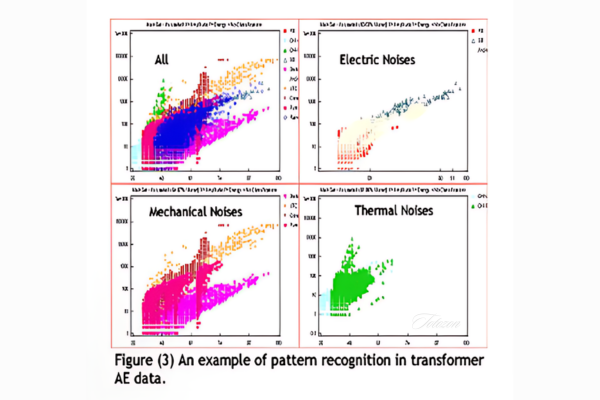 Advanced Pattern Recognition with John Cameron
1 × $23.00
Advanced Pattern Recognition with John Cameron
1 × $23.00 -
×
 An Ultimate Guide to Successful Investing with Trading Tuitions
1 × $23.00
An Ultimate Guide to Successful Investing with Trading Tuitions
1 × $23.00 -
×
 Quantifiable Edges – Gold Subscription with Rob Hanna
1 × $54.00
Quantifiable Edges – Gold Subscription with Rob Hanna
1 × $54.00 -
×
 T3 Live - The Simple Art of Trading
1 × $31.00
T3 Live - The Simple Art of Trading
1 × $31.00 -
×
 Wyckoff Unleashed Official Online Course (2018) with Wyckoffsmi
1 × $23.00
Wyckoff Unleashed Official Online Course (2018) with Wyckoffsmi
1 × $23.00 -
×
 Day Trading and Swing Trading Futures with Price Action by Humberto Malaspina
1 × $5.00
Day Trading and Swing Trading Futures with Price Action by Humberto Malaspina
1 × $5.00 -
×
 Natural Squares Calculator with Lambert-Gann Educators
1 × $6.00
Natural Squares Calculator with Lambert-Gann Educators
1 × $6.00 -
×
 Complete Day Trading Course with The Trading Floor
1 × $13.00
Complete Day Trading Course with The Trading Floor
1 × $13.00 -
×
 Sequence Trading Course with Kevin Haggerty
1 × $4.00
Sequence Trading Course with Kevin Haggerty
1 × $4.00 -
×
 ICT Prodigy Trading Course – $650K in Payouts with Alex Solignani
1 × $15.00
ICT Prodigy Trading Course – $650K in Payouts with Alex Solignani
1 × $15.00 -
×
 Advanced Trading Course with DovyFX
1 × $5.00
Advanced Trading Course with DovyFX
1 × $5.00 -
×
 Harnessing Explosive Market Turns - 3 DVD with Jeff Greenblatt
1 × $6.00
Harnessing Explosive Market Turns - 3 DVD with Jeff Greenblatt
1 × $6.00 -
×
 Art & Science of Trend Trading Class with Jeff Bierman
1 × $6.00
Art & Science of Trend Trading Class with Jeff Bierman
1 × $6.00 -
×
 Big Boy Volume Spread Analysis + Advanced Price Action Mastery Course with Kai Sheng Chew
1 × $15.00
Big Boy Volume Spread Analysis + Advanced Price Action Mastery Course with Kai Sheng Chew
1 × $15.00 -
×
 WondaFX Signature Strategy with WondaFX
1 × $5.00
WondaFX Signature Strategy with WondaFX
1 × $5.00 -
×
 A Day In The Life Of A Forex Trader with Vic Noble & Shirley Hudson
1 × $23.00
A Day In The Life Of A Forex Trader with Vic Noble & Shirley Hudson
1 × $23.00 -
×
 Pricing of Bond Options with Detlef Repplinger
1 × $6.00
Pricing of Bond Options with Detlef Repplinger
1 × $6.00 -
×
 ProfileTraders - Advanced Market Profile (May 2014)
1 × $6.00
ProfileTraders - Advanced Market Profile (May 2014)
1 × $6.00 -
×
 Futures Spreads Crash Course with Base Camp Trading
1 × $54.00
Futures Spreads Crash Course with Base Camp Trading
1 × $54.00 -
×
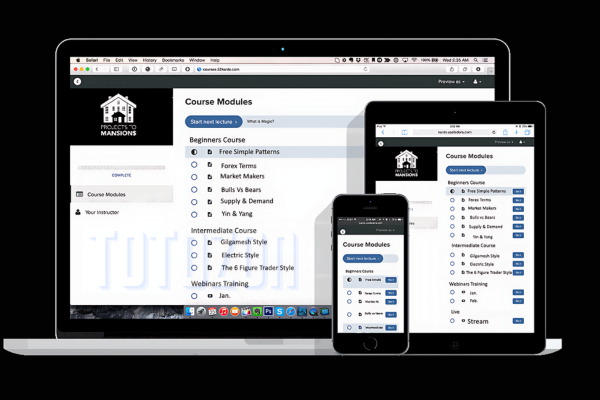 7 Figures Forex Course
1 × $15.00
7 Figures Forex Course
1 × $15.00 -
×
 The Reducing Risk and Maximizing Returns Blueprint (Atomic Hedge Strategy) with Don Kaufman
1 × $6.00
The Reducing Risk and Maximizing Returns Blueprint (Atomic Hedge Strategy) with Don Kaufman
1 × $6.00 -
×
 Trading with Wave59 with Earik Beann
1 × $6.00
Trading with Wave59 with Earik Beann
1 × $6.00 -
×
 Vertex Investing Course
1 × $6.00
Vertex Investing Course
1 × $6.00 -
×
 The Indices Orderflow Masterclass with The Forex Scalpers
1 × $23.00
The Indices Orderflow Masterclass with The Forex Scalpers
1 × $23.00 -
×
 Adx Mastery Complete Course
1 × $6.00
Adx Mastery Complete Course
1 × $6.00 -
×
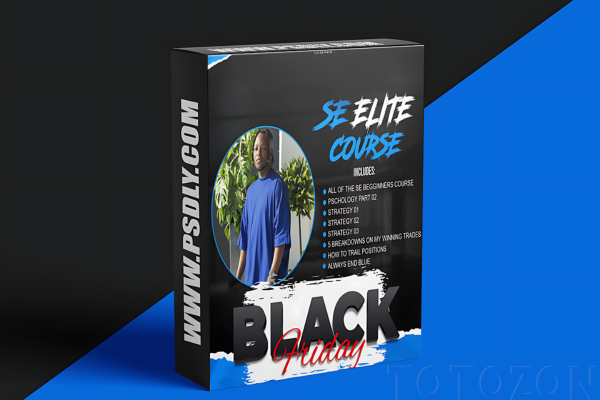 SE ELITE COURSE with SE TRADINGX
1 × $5.00
SE ELITE COURSE with SE TRADINGX
1 × $5.00 -
×
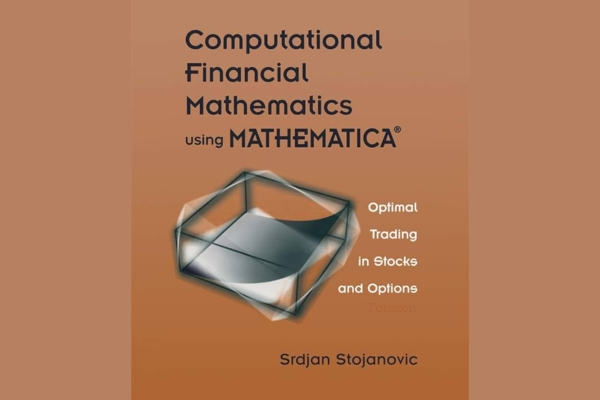 Computational Financial Mathematics with Mathematica
1 × $6.00
Computational Financial Mathematics with Mathematica
1 × $6.00 -
×
 Essentials Of Payroll Management & Accounting with Steven M.Bragg
1 × $6.00
Essentials Of Payroll Management & Accounting with Steven M.Bragg
1 × $6.00 -
×
 Trading with MORE Special Set-ups - Recorded Webinar
1 × $15.00
Trading with MORE Special Set-ups - Recorded Webinar
1 × $15.00 -
×
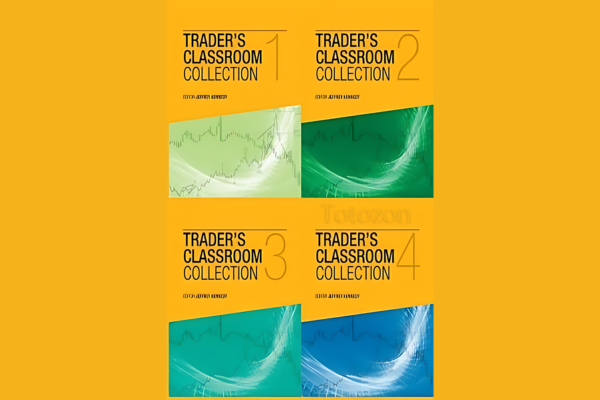 Traders Classroom Collection Volume 1-4 with Jeffrey Kennedy
1 × $15.00
Traders Classroom Collection Volume 1-4 with Jeffrey Kennedy
1 × $15.00 -
×
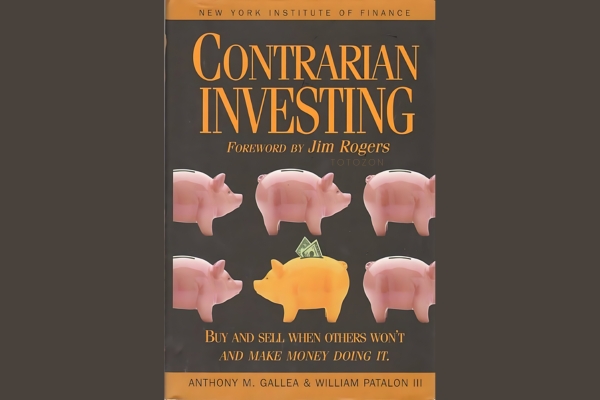 Contrarian Investing with Anthony M.Gallea, William Patalon
1 × $6.00
Contrarian Investing with Anthony M.Gallea, William Patalon
1 × $6.00 -
×
 A Conservative Plan to Make $3K Monthly on $25K with Dan Sheridan – Sheridan Options Mentoring
1 × $23.00
A Conservative Plan to Make $3K Monthly on $25K with Dan Sheridan – Sheridan Options Mentoring
1 × $23.00 -
×
 Bond Market Course with The Macro Compass
1 × $15.00
Bond Market Course with The Macro Compass
1 × $15.00 -
×
 Advanced Forex Mastery Course with Alpha Forex Global
1 × $5.00
Advanced Forex Mastery Course with Alpha Forex Global
1 × $5.00 -
×
 Street-Smart Chart Reading – Volume 2 – Digging Deeper with Donald G.Worden
1 × $6.00
Street-Smart Chart Reading – Volume 2 – Digging Deeper with Donald G.Worden
1 × $6.00 -
×
 Alternative Beta Strategies & Hedge Fund Replication with Lars Jaeger & Jeffrey Pease
1 × $6.00
Alternative Beta Strategies & Hedge Fund Replication with Lars Jaeger & Jeffrey Pease
1 × $6.00 -
×
 8 Strategies for Day Trading
1 × $31.00
8 Strategies for Day Trading
1 × $31.00 -
×
 Algo Trading Masterclass with Ali Casey - StatOasis
1 × $23.00
Algo Trading Masterclass with Ali Casey - StatOasis
1 × $23.00 -
×
 Smart Money Trading Course with Prosperity Academy
1 × $5.00
Smart Money Trading Course with Prosperity Academy
1 × $5.00 -
×
 Scalp Strategy and Flipping Small Accounts with Opes Trading Group
1 × $5.00
Scalp Strategy and Flipping Small Accounts with Opes Trading Group
1 × $5.00 -
×
 Home Run Options Trading Course with Dave Aquino - Base Camp Trading
1 × $11.00
Home Run Options Trading Course with Dave Aquino - Base Camp Trading
1 × $11.00 -
×
 The Market Matrix
1 × $6.00
The Market Matrix
1 × $6.00 -
×
 Trading Against the Crowd with John Summa
1 × $6.00
Trading Against the Crowd with John Summa
1 × $6.00 -
×
 Equity Valuation for Analysts and Investors: A Unique Stock Valuation Tool for Financial Statement Analysis and Model-Building with James Kelleher
1 × $6.00
Equity Valuation for Analysts and Investors: A Unique Stock Valuation Tool for Financial Statement Analysis and Model-Building with James Kelleher
1 × $6.00 -
×
 Investment Performance Measurement with Bruce Feibel
1 × $6.00
Investment Performance Measurement with Bruce Feibel
1 × $6.00 -
×
 Advanced Strategies for Option Trading Success with James Bittman
1 × $6.00
Advanced Strategies for Option Trading Success with James Bittman
1 × $6.00 -
×
 The Complete Guide to Multiple Time Frame Analysis & Reading Price Action with Aiman Almansoori
1 × $13.00
The Complete Guide to Multiple Time Frame Analysis & Reading Price Action with Aiman Almansoori
1 × $13.00 -
×
 Advanced Trading Strategies
1 × $31.00
Advanced Trading Strategies
1 × $31.00 -
×
 Order flow self-study training program with iMFtracker
1 × $10.00
Order flow self-study training program with iMFtracker
1 × $10.00

Asset Allocation for the Individual Investor with CFA Institute
$6.00
File Size: Coming soon!
Delivery Time: 1–12 hours
Media Type: Online Course
Content Proof: Watch Here!
You may check content proof of “Asset Allocation for the Individual Investor with CFA Institute” below:

Asset Allocation for the Individual Investor with CFA Institute
Navigating the complex world of investing can be daunting for individual investors. Understanding asset allocation is crucial in achieving long-term financial goals. This article, guided by principles from the CFA Institute, delves into strategies that individual investors can employ to optimize their investment portfolios.
Understanding Asset Allocation
What is Asset Allocation?
Asset allocation involves distributing your investments across various asset categories—such as stocks, bonds, and cash—to balance risk and reward according to your investment goals, risk tolerance, and investment horizon.
Why is Asset Allocation Important?
It’s the key to managing risk while maximizing returns over the long term. Diversification across different assets can reduce the volatility of your portfolio and increase the probability of achieving your financial goals.
Principles of Asset Allocation
Risk vs. Reward
Understanding the trade-off between risk and reward is fundamental. Higher risks are usually associated with higher potential returns.
Investment Horizon
Your investment timeline influences your asset allocation. Longer horizons typically allow more risk (e.g., more stocks than bonds).
Financial Goals
Align your asset allocation with your financial objectives. Whether it’s retirement, buying a home, or funding education, each goal might require a different allocation strategy.
Asset Allocation Strategies
Strategic Asset Allocation
This long-term approach sets target allocations and periodically rebalances the portfolio back to these targets as market movements may cause drifts.
Tactical Asset Allocation
This approach allows for taking advantage of short-term opportunities in the market by temporarily deviating from normal asset allocation.
Dynamic Asset Allocation
A more flexible approach where the allocation is continuously adjusted based on market conditions or new information.
CFA Institute Insights on Asset Allocation
Best Practices
The CFA Institute provides guidelines and methodologies for effective asset allocation that are rooted in rigorous research and industry expertise.
Tools and Resources
Access to tools like portfolio simulators and risk analyzers can help individual investors make informed decisions.
Implementing an Asset Allocation Strategy
Start with a Financial Plan
Outline your financial situation, goals, and constraints as the first step in crafting your asset allocation strategy.
Consult with Professionals
Consider seeking advice from financial advisors who can provide personalized insights and strategies.
Regularly Review and Rebalance
Ensure your investment portfolio remains aligned with your goals by regularly reviewing and rebalancing.
Challenges in Asset Allocation
Market Volatility
Understanding how to navigate the market’s ups and downs is crucial for maintaining an effective asset allocation.
Emotional Investing
Avoid making investment decisions based on emotions. Stick to your strategy despite market fluctuations.
Technological Advances in Asset Allocation
Robo-Advisors
Leveraging technology, robo-advisors offer automated, algorithm-driven financial planning services with little to no human supervision.
Big Data and AI
These technologies are increasingly being used to predict market trends and optimize asset allocation decisions.
Conclusion
Asset allocation is a vital component of investment success for individual investors. By understanding and applying the principles laid out by the CFA Institute, investors can create a balanced portfolio that aligns with their financial goals and risk tolerance.
Frequently Asked Questions:
- How often should I rebalance my portfolio?
- It’s generally recommended to review and potentially rebalance your portfolio annually or after significant market fluctuations.
- Can asset allocation guarantee investment success?
- While asset allocation can’t guarantee success, it significantly improves the odds by diversifying risk.
- Should young investors be more aggressive in their asset allocation?
- Typically, yes. Younger investors often have a longer time horizon, allowing them to recover from higher-risk investments.
- How do I determine my risk tolerance?
- Consider factors like your financial situation, investment goals, and emotional capacity to handle market volatility.
- What role do robo-advisors play in asset allocation?
- Robo-advisors can provide automated asset allocation services based on your risk profile and goals, often at a lower cost than traditional advisors.
Be the first to review “Asset Allocation for the Individual Investor with CFA Institute”
You must be logged in to post a review.
Related products
Forex Trading
The Complete Guide to Multiple Time Frame Analysis & Reading Price Action with Aiman Almansoori
Original price was: $1,399.00.$13.00Current price is: $13.00.
Forex Trading
Original price was: $499.00.$15.00Current price is: $15.00.
Original price was: $450.00.$23.00Current price is: $23.00.

Original price was: $649.00.$20.00Current price is: $20.00.

Forex Trading
Quantamentals – The Next Great Forefront Of Trading and Investing with Trading Markets
Original price was: $1,495.00.$8.00Current price is: $8.00.

Original price was: $4,995.00.$15.00Current price is: $15.00.

Forex Trading
Original price was: $799.00.$15.00Current price is: $15.00.

Forex Trading
Original price was: $2,995.00.$31.00Current price is: $31.00.

Forex Trading
Original price was: $2,997.00.$23.00Current price is: $23.00.
Original price was: $497.00.$11.00Current price is: $11.00.

Original price was: $700.00.$39.00Current price is: $39.00.

Original price was: $799.00.$15.00Current price is: $15.00.
Original price was: $999.00.$5.00Current price is: $5.00.

Original price was: $1,849.00.$15.00Current price is: $15.00.
Forex Trading
Original price was: $550.00.$5.00Current price is: $5.00.

Forex Trading
Original price was: $249.00.$15.00Current price is: $15.00.

Forex Trading
Original price was: $797.00.$10.00Current price is: $10.00.

Original price was: $1,800.00.$54.00Current price is: $54.00.

Forex Trading
Original price was: $125.00.$17.00Current price is: $17.00.

Original price was: $1,200.00.$23.00Current price is: $23.00.

Reviews
There are no reviews yet.