
-
×
 T.A.M.E. Home Study Course with Doug Sutton
1 × $6.00
T.A.M.E. Home Study Course with Doug Sutton
1 × $6.00 -
×
 Create Your Own ETF Hedge Fund: A Do-It-Yourself ETF Strategy for Private Wealth Management with David Fry
1 × $6.00
Create Your Own ETF Hedge Fund: A Do-It-Yourself ETF Strategy for Private Wealth Management with David Fry
1 × $6.00 -
×
 Planetary Economic Forecasting with Bill Meridian
1 × $6.00
Planetary Economic Forecasting with Bill Meridian
1 × $6.00 -
×
 Proven Chart Patterns: Key Indicators for Success in Today’s Markets with Chris Manning
1 × $6.00
Proven Chart Patterns: Key Indicators for Success in Today’s Markets with Chris Manning
1 × $6.00 -
×
 Futures Trading Secrets Home Study with Bill McCready
1 × $6.00
Futures Trading Secrets Home Study with Bill McCready
1 × $6.00 -
×
 Technical Analysis 101: A Comprehensive Guide to Becoming a Better Trader Class with Jeff Bierman
1 × $6.00
Technical Analysis 101: A Comprehensive Guide to Becoming a Better Trader Class with Jeff Bierman
1 × $6.00 -
×
 Sniper Day Trading Workshop DVD course
1 × $23.00
Sniper Day Trading Workshop DVD course
1 × $23.00 -
×
 Sure Fire Forex Trading with Mark McRae
1 × $6.00
Sure Fire Forex Trading with Mark McRae
1 × $6.00 -
×
 Fixed Income Securities (2nd Ed.) with Bruce Tuckman
1 × $10.00
Fixed Income Securities (2nd Ed.) with Bruce Tuckman
1 × $10.00 -
×
 How To Win 97% Of Your Options Trader with Jeff Tompkins
1 × $6.00
How To Win 97% Of Your Options Trader with Jeff Tompkins
1 × $6.00 -
×
 Electronic Day Traders' Secrets: Learn From the Best of the Best DayTraders with Burton Friedfertig
1 × $6.00
Electronic Day Traders' Secrets: Learn From the Best of the Best DayTraders with Burton Friedfertig
1 × $6.00 -
×
 Sacredscience - Raphael – Book of Fate
1 × $6.00
Sacredscience - Raphael – Book of Fate
1 × $6.00 -
×
 RSI Basic with Andrew Cardwell
1 × $54.00
RSI Basic with Andrew Cardwell
1 × $54.00 -
×
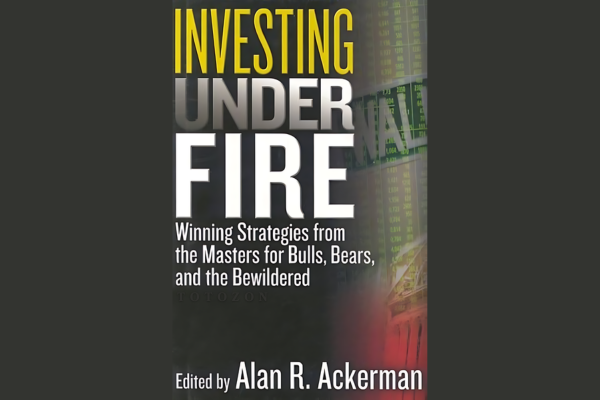 Investing Under Fire with Alan R.Ackerman
1 × $6.00
Investing Under Fire with Alan R.Ackerman
1 × $6.00 -
×
 F.A.M.E. Home Study Course with Doug Sutton
1 × $6.00
F.A.M.E. Home Study Course with Doug Sutton
1 × $6.00 -
×
 Trading a Living Thing (Article) with David Bowden
1 × $6.00
Trading a Living Thing (Article) with David Bowden
1 × $6.00 -
×
 Investor’s Guide to Charting By Alistair Blair
1 × $6.00
Investor’s Guide to Charting By Alistair Blair
1 × $6.00 -
×
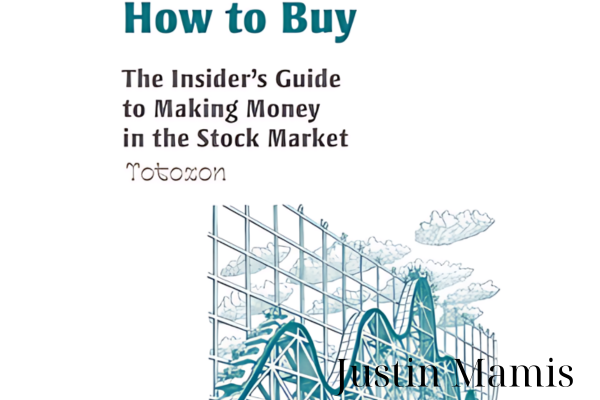 How To Buy with Justin Mamis
1 × $6.00
How To Buy with Justin Mamis
1 × $6.00 -
×
 The Orderflow Masterclass with PrimeTrading
1 × $17.00
The Orderflow Masterclass with PrimeTrading
1 × $17.00 -
×
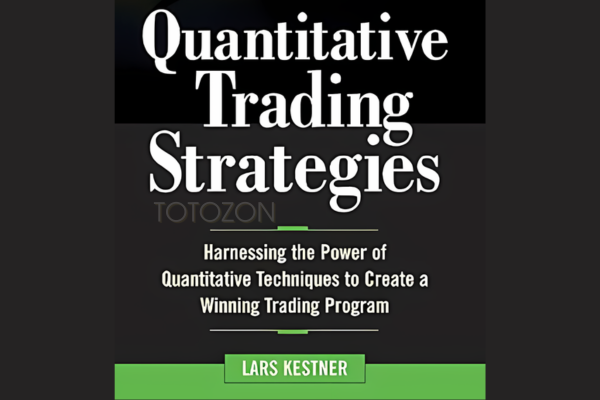 Quantitative Trading Strategies (1st Edition) with Lars Kestner
1 × $6.00
Quantitative Trading Strategies (1st Edition) with Lars Kestner
1 × $6.00 -
×
 T3 Live - The Simple Art of Trading
1 × $31.00
T3 Live - The Simple Art of Trading
1 × $31.00 -
×
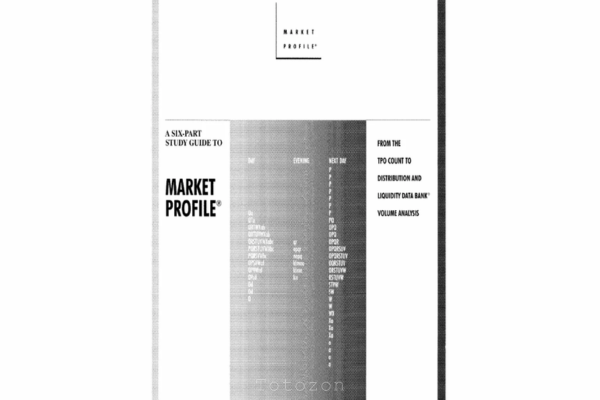 Sixpart Study Guide to Market Profile
1 × $6.00
Sixpart Study Guide to Market Profile
1 × $6.00 -
×
 The Day Trading ES Futures Blueprint Class with Corey Rosenbloom
1 × $6.00
The Day Trading ES Futures Blueprint Class with Corey Rosenbloom
1 × $6.00 -
×
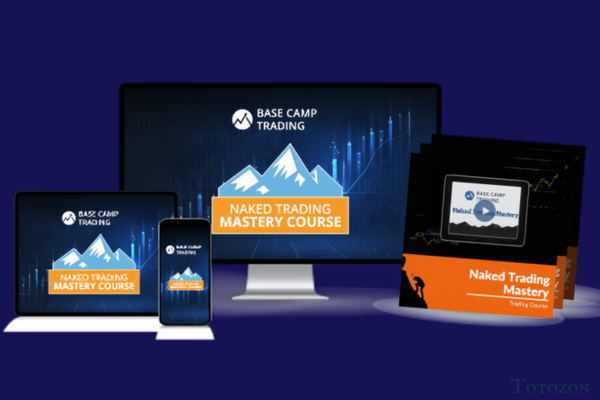 Naked Trading Mastery
1 × $39.00
Naked Trading Mastery
1 × $39.00 -
×
 Inefficient Markets with Andrei Shleifer
1 × $6.00
Inefficient Markets with Andrei Shleifer
1 × $6.00 -
×
 Algo Trading Masterclass with Ali Casey - StatOasis
1 × $23.00
Algo Trading Masterclass with Ali Casey - StatOasis
1 × $23.00 -
×
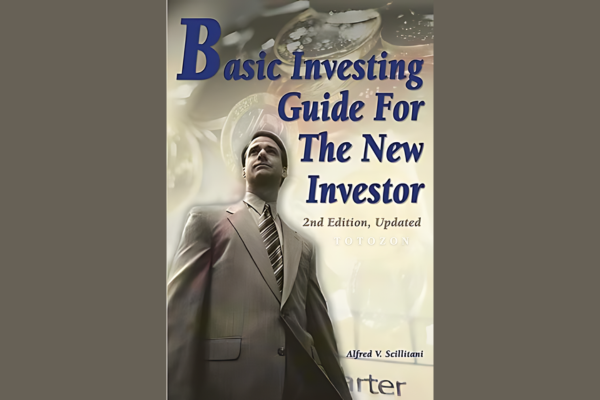 Investing Guide For New Investor with Alfred Scillitani
1 × $6.00
Investing Guide For New Investor with Alfred Scillitani
1 × $6.00 -
×
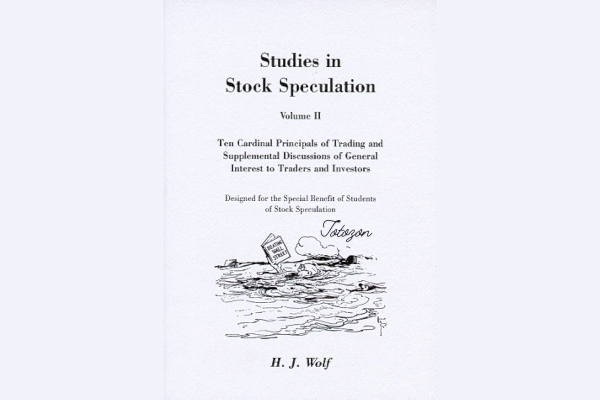 Studies in Stock Speculation (Volume I & II) with H.J.Wolf
1 × $6.00
Studies in Stock Speculation (Volume I & II) with H.J.Wolf
1 × $6.00 -
×
 Get 95% Win Rate With The Triple Candy Method - Eden
1 × $5.00
Get 95% Win Rate With The Triple Candy Method - Eden
1 × $5.00 -
×
 Emini, Forex, Stock Course COMPLETE Series Recorded Seminar 2009 - 49 Modules in 3 DVDs (SpecialistTrading.com)
1 × $78.00
Emini, Forex, Stock Course COMPLETE Series Recorded Seminar 2009 - 49 Modules in 3 DVDs (SpecialistTrading.com)
1 × $78.00 -
×
 Psychology of the Stock Market (1912) with G.C.Selden
1 × $6.00
Psychology of the Stock Market (1912) with G.C.Selden
1 × $6.00 -
×
 How to Trade Diagonal Triangles. Superior Risk Reward Trade Setups
1 × $6.00
How to Trade Diagonal Triangles. Superior Risk Reward Trade Setups
1 × $6.00 -
×
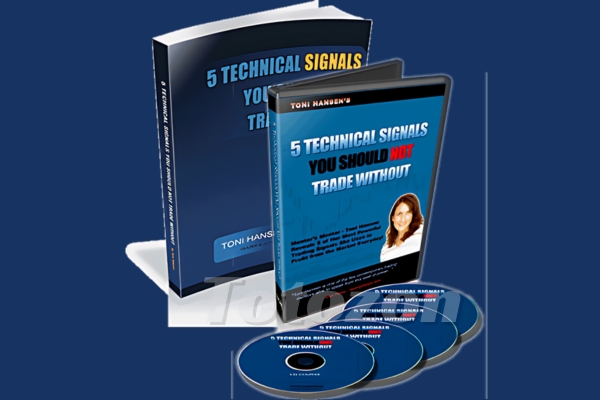 5 Technical Signals You Should Not Trade Without (4 CDs) with Toni Hansen
1 × $6.00
5 Technical Signals You Should Not Trade Without (4 CDs) with Toni Hansen
1 × $6.00 -
×
 Master Time Factor & Forecasting with Mathematical Rules
1 × $6.00
Master Time Factor & Forecasting with Mathematical Rules
1 × $6.00 -
×
 5-Step-Trading Stocks I and II with Lex Van Dam
1 × $4.00
5-Step-Trading Stocks I and II with Lex Van Dam
1 × $4.00 -
×
 THE ART OF ADJUSTING IN 2017
1 × $6.00
THE ART OF ADJUSTING IN 2017
1 × $6.00 -
×
 TRADING NFX Course with Andrew NFX
1 × $5.00
TRADING NFX Course with Andrew NFX
1 × $5.00

Stock Market Trading Systems with Gerald Appel
$6.00
File Size: Coming soon!
Delivery Time: 1–12 hours
Media Type: Online Course
Content Proof: Watch Here!
You may check content proof of “Stock Market Trading Systems with Gerald Appel” below:

Stock Market Trading Systems By Gerald Appel
Introduction: Revolutionizing Trading with Systems
In the intricate world of stock market trading, systems designed by experts like Gerald Appel stand out as beacons of innovation and efficiency. These systems are not just tools; they are comprehensive strategies that empower traders to navigate the markets with confidence and precision.
Understanding Trading Systems
What Are Trading Systems?
At their core, trading systems are structured approaches to buying and selling securities that rely on predefined rules and criteria. They are designed to remove emotional biases and provide a methodical way to engage with the markets.
The Role of Automation
Many of Gerald Appel’s systems incorporate automated elements, allowing traders to execute trades at optimal times without manual intervention.
Gerald Appel’s Philosophy on Stock Trading
Predictive vs. Reactive Trading
Appel advocates for a predictive approach, utilizing indicators and models to anticipate market moves rather than reacting to them post-facto.
The Importance of Consistency
One of the key benefits of using a trading system is consistency. By adhering to a predefined set of rules, traders can avoid the pitfalls of sporadic and emotionally driven decisions.
Core Components of Appel’s Trading Systems
The MACD Indicator
Foundation of Appel’s Strategy
The Moving Average Convergence Divergence (MACD) indicator is perhaps the most famous of Appel’s contributions. It helps traders identify trend reversals and momentum.
Configuring the MACD
- Fast Line: Short-term moving average, sensitive to price movements.
- Slow Line: Long-term moving average, provides a smoother market perspective.
- Signal Line: The average of the two, indicating buy or sell signals based on the crossover.
Signal Generation and Execution
Understanding when and how to act on these signals is crucial for effective trading.
Implementing Appel’s Systems
Setting Up Your Trading Platform
Modern trading platforms can be set to automatically recognize and respond to signals from systems like those developed by Appel.
Backtesting for Confidence
Before going live, Appel recommends backtesting any system with historical data to ensure its effectiveness under various market conditions.
Advantages of Using Trading Systems
Emotion-Free Trading
Systems take the emotion out of trading decisions, leading to more disciplined and consistent results.
Efficiency and Speed
Automated systems can process data and execute trades more quickly than manual trading.
Real-World Application
Day Trading with Precision
Active traders find these systems particularly beneficial for managing multiple quick transactions daily.
Long-Term Investment Strategies
These systems are also adaptable for long-term strategies, helping to identify and execute strategic entry and exit points over time.
Challenges and Considerations
The Need for Ongoing Adjustment
No system is perfect. Regular updates and adjustments are necessary to align with changing market dynamics.
Understanding Limitations
While powerful, these systems should be part of a broader investment strategy that considers fundamental analysis and market sentiment.
Conclusion: Enhancing Your Trading Toolkit
Gerald Appel’s stock market trading systems offer a robust framework for both novice and experienced traders. By integrating these systems into your trading strategy, you can enhance your ability to make informed decisions in the stock market.

FAQs
1. How can I start using Gerald Appel’s trading systems?
Begin by familiarizing yourself with the basics of technical analysis and the specific indicators Appel popularized, like MACD.
2. Are these systems suitable for all market conditions?
While highly adaptable, no system is infallible. It’s crucial to understand when a system may not perform as expected and why.
3. What is the biggest advantage of using automated trading systems?
The primary advantage is the elimination of emotional and psychological biases from trading decisions.
4. How often should I update the parameters of a trading system?
This depends on market volatility and personal trading results, but reviewing settings quarterly or bi-annually is a good practice.
5. Can beginners use these systems effectively?
Yes, with proper education and backtesting, beginners can effectively use these systems to guide their trading decisions.
Be the first to review “Stock Market Trading Systems with Gerald Appel”
You must be logged in to post a review.
Related products

Original price was: $2,120.00.$15.00Current price is: $15.00.

Forex Trading
Original price was: $697.00.$5.00Current price is: $5.00.

Forex Trading
Original price was: $999.00.$15.00Current price is: $15.00.

Original price was: $497.00.$31.00Current price is: $31.00.

Forex Trading
Original price was: $799.00.$15.00Current price is: $15.00.

Forex Trading
Original price was: $4,997.00.$27.00Current price is: $27.00.

Forex Trading
Original price was: $550.00.$5.00Current price is: $5.00.

Forex Trading
Original price was: $1,898.00.$10.00Current price is: $10.00.

Original price was: $895.00.$15.00Current price is: $15.00.

Forex Trading
Original price was: $1,098.00.$39.00Current price is: $39.00.

Original price was: $4,995.00.$15.00Current price is: $15.00.

Original price was: $310.00.$23.00Current price is: $23.00.

Original price was: $997.00.$13.00Current price is: $13.00.

Original price was: $1,200.00.$23.00Current price is: $23.00.

Original price was: $649.00.$20.00Current price is: $20.00.

Original price was: $997.00.$8.00Current price is: $8.00.

Forex Trading
Original price was: $499.00.$15.00Current price is: $15.00.

Original price was: $1,849.00.$15.00Current price is: $15.00.

Forex Trading
Original price was: $797.00.$10.00Current price is: $10.00.

Original price was: $497.00.$11.00Current price is: $11.00.

Reviews
There are no reviews yet.