
-
×
 Sovereign Man Confidential
1 × $6.00
Sovereign Man Confidential
1 × $6.00 -
×
 The Ticker Investment Digest Articles
1 × $6.00
The Ticker Investment Digest Articles
1 × $6.00 -
×
 Profit Generating System with Brian Williams
1 × $6.00
Profit Generating System with Brian Williams
1 × $6.00 -
×
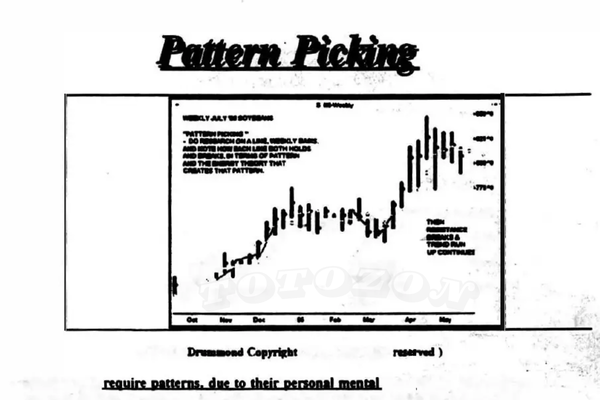 Pattern Picking with Charles Drummond
1 × $6.00
Pattern Picking with Charles Drummond
1 × $6.00 -
×
 Secrets of the Darvas Trading System
1 × $6.00
Secrets of the Darvas Trading System
1 × $6.00 -
×
 The TC2000 Masterclass Course with Sasha Evdakov - Rise2learn
1 × $23.00
The TC2000 Masterclass Course with Sasha Evdakov - Rise2learn
1 × $23.00 -
×
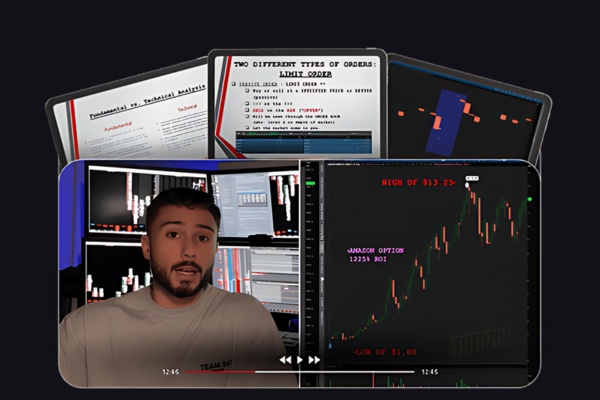 A-Z Course with InvestiTrade Academy
1 × $5.00
A-Z Course with InvestiTrade Academy
1 × $5.00 -
×
 Quantum Stone Capital
1 × $15.00
Quantum Stone Capital
1 × $15.00 -
×
 Big Boy Volume Spread Analysis + Advanced Price Action Mastery Course with Kai Sheng Chew
1 × $15.00
Big Boy Volume Spread Analysis + Advanced Price Action Mastery Course with Kai Sheng Chew
1 × $15.00 -
×
 Marder Videos Reports 2019-2022 with Kevin Marder
1 × $104.00
Marder Videos Reports 2019-2022 with Kevin Marder
1 × $104.00 -
×
 Geometric Angles Applied To Modern Markets with Sean Avidar
1 × $39.00
Geometric Angles Applied To Modern Markets with Sean Avidar
1 × $39.00 -
×
 Mastertrader – Mastering Swing Trading
1 × $31.00
Mastertrader – Mastering Swing Trading
1 × $31.00 -
×
 Quantamentals - The Next Great Forefront Of Trading and Investing with Trading Markets
1 × $8.00
Quantamentals - The Next Great Forefront Of Trading and Investing with Trading Markets
1 × $8.00

Stock Market Trading Systems with Gerald Appel
$6.00
File Size: Coming soon!
Delivery Time: 1–12 hours
Media Type: Online Course
Content Proof: Watch Here!
You may check content proof of “Stock Market Trading Systems with Gerald Appel” below:

Stock Market Trading Systems By Gerald Appel
Introduction: Revolutionizing Trading with Systems
In the intricate world of stock market trading, systems designed by experts like Gerald Appel stand out as beacons of innovation and efficiency. These systems are not just tools; they are comprehensive strategies that empower traders to navigate the markets with confidence and precision.
Understanding Trading Systems
What Are Trading Systems?
At their core, trading systems are structured approaches to buying and selling securities that rely on predefined rules and criteria. They are designed to remove emotional biases and provide a methodical way to engage with the markets.
The Role of Automation
Many of Gerald Appel’s systems incorporate automated elements, allowing traders to execute trades at optimal times without manual intervention.
Gerald Appel’s Philosophy on Stock Trading
Predictive vs. Reactive Trading
Appel advocates for a predictive approach, utilizing indicators and models to anticipate market moves rather than reacting to them post-facto.
The Importance of Consistency
One of the key benefits of using a trading system is consistency. By adhering to a predefined set of rules, traders can avoid the pitfalls of sporadic and emotionally driven decisions.
Core Components of Appel’s Trading Systems
The MACD Indicator
Foundation of Appel’s Strategy
The Moving Average Convergence Divergence (MACD) indicator is perhaps the most famous of Appel’s contributions. It helps traders identify trend reversals and momentum.
Configuring the MACD
- Fast Line: Short-term moving average, sensitive to price movements.
- Slow Line: Long-term moving average, provides a smoother market perspective.
- Signal Line: The average of the two, indicating buy or sell signals based on the crossover.
Signal Generation and Execution
Understanding when and how to act on these signals is crucial for effective trading.
Implementing Appel’s Systems
Setting Up Your Trading Platform
Modern trading platforms can be set to automatically recognize and respond to signals from systems like those developed by Appel.
Backtesting for Confidence
Before going live, Appel recommends backtesting any system with historical data to ensure its effectiveness under various market conditions.
Advantages of Using Trading Systems
Emotion-Free Trading
Systems take the emotion out of trading decisions, leading to more disciplined and consistent results.
Efficiency and Speed
Automated systems can process data and execute trades more quickly than manual trading.
Real-World Application
Day Trading with Precision
Active traders find these systems particularly beneficial for managing multiple quick transactions daily.
Long-Term Investment Strategies
These systems are also adaptable for long-term strategies, helping to identify and execute strategic entry and exit points over time.
Challenges and Considerations
The Need for Ongoing Adjustment
No system is perfect. Regular updates and adjustments are necessary to align with changing market dynamics.
Understanding Limitations
While powerful, these systems should be part of a broader investment strategy that considers fundamental analysis and market sentiment.
Conclusion: Enhancing Your Trading Toolkit
Gerald Appel’s stock market trading systems offer a robust framework for both novice and experienced traders. By integrating these systems into your trading strategy, you can enhance your ability to make informed decisions in the stock market.

FAQs
1. How can I start using Gerald Appel’s trading systems?
Begin by familiarizing yourself with the basics of technical analysis and the specific indicators Appel popularized, like MACD.
2. Are these systems suitable for all market conditions?
While highly adaptable, no system is infallible. It’s crucial to understand when a system may not perform as expected and why.
3. What is the biggest advantage of using automated trading systems?
The primary advantage is the elimination of emotional and psychological biases from trading decisions.
4. How often should I update the parameters of a trading system?
This depends on market volatility and personal trading results, but reviewing settings quarterly or bi-annually is a good practice.
5. Can beginners use these systems effectively?
Yes, with proper education and backtesting, beginners can effectively use these systems to guide their trading decisions.
Be the first to review “Stock Market Trading Systems with Gerald Appel”
You must be logged in to post a review.
Related products

Original price was: $299.00.$8.00Current price is: $8.00.

Forex Trading
Original price was: $999.00.$15.00Current price is: $15.00.

Original price was: $139.00.$23.00Current price is: $23.00.

Forex Trading
Original price was: $799.00.$15.00Current price is: $15.00.

Forex Trading
Original price was: $249.00.$15.00Current price is: $15.00.
Forex Trading
Quantamentals – The Next Great Forefront Of Trading and Investing with Trading Markets
Original price was: $1,495.00.$8.00Current price is: $8.00.

Forex Trading
Original price was: $2,997.00.$23.00Current price is: $23.00.

Forex Trading
Original price was: $2,995.00.$31.00Current price is: $31.00.

Forex Trading
Original price was: $4,997.00.$27.00Current price is: $27.00.

Forex Trading
Original price was: $697.00.$5.00Current price is: $5.00.

Original price was: $799.00.$15.00Current price is: $15.00.

Forex Trading
Original price was: $2,000.00.$23.00Current price is: $23.00.

Original price was: $497.00.$31.00Current price is: $31.00.

Original price was: $695.00.$41.00Current price is: $41.00.

Original price was: $997.00.$13.00Current price is: $13.00.

Original price was: $649.00.$20.00Current price is: $20.00.

Original price was: $700.00.$39.00Current price is: $39.00.

Forex Trading
Original price was: $1,098.00.$39.00Current price is: $39.00.

Original price was: $310.00.$23.00Current price is: $23.00.

Forex Trading
Original price was: $797.00.$10.00Current price is: $10.00.

Reviews
There are no reviews yet.