
-
×
 Trading Spreads and Seasonals (tradingeducators.com)
1 × $6.00
Trading Spreads and Seasonals (tradingeducators.com)
1 × $6.00 -
×
 Options Wizardry from A to Z (Video 2.80 GB) with Don Fishback
1 × $6.00
Options Wizardry from A to Z (Video 2.80 GB) with Don Fishback
1 × $6.00 -
×
 Compass Trading System with Right Line Trading
1 × $39.00
Compass Trading System with Right Line Trading
1 × $39.00 -
×
 Pristine Seminar - Options Trading the Pristine Way
1 × $6.00
Pristine Seminar - Options Trading the Pristine Way
1 × $6.00 -
×
 RiskDoctor RD1 – Introduction to Options Trading the RiskDoctor Way with Charles Cottle
1 × $6.00
RiskDoctor RD1 – Introduction to Options Trading the RiskDoctor Way with Charles Cottle
1 × $6.00 -
×
 MTPredictor Education Video 10 Gb
1 × $23.00
MTPredictor Education Video 10 Gb
1 × $23.00 -
×
 Harmonic Vibrations with Larry Pesavento
1 × $6.00
Harmonic Vibrations with Larry Pesavento
1 × $6.00 -
×
 D5 Render Course with Nuno Silva
1 × $27.00
D5 Render Course with Nuno Silva
1 × $27.00 -
×
 Measuring Market Risk (2nd Edition) with Kevin Dowd
1 × $6.00
Measuring Market Risk (2nd Edition) with Kevin Dowd
1 × $6.00 -
×
 Scalp Strategy and Flipping Small Accounts with Opes Trading Group
1 × $5.00
Scalp Strategy and Flipping Small Accounts with Opes Trading Group
1 × $5.00 -
×
 War Room Technicals Vol. 3 with Trick Trades
1 × $6.00
War Room Technicals Vol. 3 with Trick Trades
1 × $6.00 -
×
 High Probability Option Trading - Seasonal Straddles
1 × $6.00
High Probability Option Trading - Seasonal Straddles
1 × $6.00 -
×
 Selling Options For A Living Class with Don Kaufman
1 × $6.00
Selling Options For A Living Class with Don Kaufman
1 × $6.00 -
×
 MTA Master Trader Academy with Junior Charles
1 × $5.00
MTA Master Trader Academy with Junior Charles
1 × $5.00 -
×
 Master Traders: Strategies for Superior Returns from Today's Top Traders with Fari Hamzei & Steve Shobin
1 × $6.00
Master Traders: Strategies for Superior Returns from Today's Top Traders with Fari Hamzei & Steve Shobin
1 × $6.00 -
×
 Analysis & Interpretation in Qualitative Market Research with Gill Ereaut
1 × $6.00
Analysis & Interpretation in Qualitative Market Research with Gill Ereaut
1 × $6.00 -
×
 Naked Trading Mastery
1 × $39.00
Naked Trading Mastery
1 × $39.00 -
×
 A Complete Guide to Technical Trading Tactics with John Person
1 × $6.00
A Complete Guide to Technical Trading Tactics with John Person
1 × $6.00 -
×
 Dan Sheridan Delta Force
1 × $6.00
Dan Sheridan Delta Force
1 × $6.00 -
×
 Quantamentals - The Next Great Forefront Of Trading and Investing with Trading Markets
1 × $8.00
Quantamentals - The Next Great Forefront Of Trading and Investing with Trading Markets
1 × $8.00 -
×
 A Comparison of Twelve Technical Trading Systems with Louis Lukac
1 × $6.00
A Comparison of Twelve Technical Trading Systems with Louis Lukac
1 × $6.00 -
×
 Larry Connors Professional Day Trading for Success Program
1 × $62.00
Larry Connors Professional Day Trading for Success Program
1 × $62.00 -
×
 Most Woke Trading Methods with Hunter FX
1 × $5.00
Most Woke Trading Methods with Hunter FX
1 × $5.00 -
×
 A Trader's Guide to Self-Discipline: Proven Techniques to Improve Trading Profits
1 × $6.00
A Trader's Guide to Self-Discipline: Proven Techniques to Improve Trading Profits
1 × $6.00 -
×
 Advanced Fibonacci Trading with Neal Hughes
1 × $6.00
Advanced Fibonacci Trading with Neal Hughes
1 × $6.00 -
×
 B.O.S.S (Break Out Scalping Strategy) with Lee Scholfield
1 × $6.00
B.O.S.S (Break Out Scalping Strategy) with Lee Scholfield
1 × $6.00 -
×
 Deep Dive Butterfly Trading Strategy Class with SJG Trades
1 × $41.00
Deep Dive Butterfly Trading Strategy Class with SJG Trades
1 × $41.00 -
×
 Pattern Trader Pro with ForexStore
1 × $6.00
Pattern Trader Pro with ForexStore
1 × $6.00 -
×
 Rockwell Trading - Money Management - 2 DVDs
1 × $6.00
Rockwell Trading - Money Management - 2 DVDs
1 × $6.00 -
×
 ICT – Inner Circle Trader 2020 Weekly Review
1 × $20.00
ICT – Inner Circle Trader 2020 Weekly Review
1 × $20.00 -
×
 Penny Stock Mastery
1 × $31.00
Penny Stock Mastery
1 × $31.00 -
×
 Sixpart Study Guide to Market Profile
1 × $6.00
Sixpart Study Guide to Market Profile
1 × $6.00 -
×
 Sacredscience - W.F.Whitehead – Occultism Simplified
1 × $6.00
Sacredscience - W.F.Whitehead – Occultism Simplified
1 × $6.00 -
×
 Stock Market–Swing Trading Strategies for Wall Street with Bill Wermin
1 × $6.00
Stock Market–Swing Trading Strategies for Wall Street with Bill Wermin
1 × $6.00 -
×
 Shawn Sharma Mentorship Program
1 × $34.00
Shawn Sharma Mentorship Program
1 × $34.00 -
×
 Simple Cyclical Analysis with Stan Erlich
1 × $6.00
Simple Cyclical Analysis with Stan Erlich
1 × $6.00 -
×
 Advanced Course with Dimitri Wallace - Gold Minds Global
1 × $6.00
Advanced Course with Dimitri Wallace - Gold Minds Global
1 × $6.00 -
×
 How to Make the Stock Market Make Money For You with Ted Warren
1 × $6.00
How to Make the Stock Market Make Money For You with Ted Warren
1 × $6.00 -
×
 Power Charting - Robert’s Indicator Webinar
1 × $6.00
Power Charting - Robert’s Indicator Webinar
1 × $6.00 -
×
 Magical Forex Trading System
1 × $6.00
Magical Forex Trading System
1 × $6.00 -
×
 5-Step-Trading Stocks II - Avoid Common Trading Mistakes - Online Course (April 2014)
1 × $23.00
5-Step-Trading Stocks II - Avoid Common Trading Mistakes - Online Course (April 2014)
1 × $23.00 -
×
 Rob’s 6 Day 21 Set-up Course with Rob Hoffman
1 × $85.00
Rob’s 6 Day 21 Set-up Course with Rob Hoffman
1 × $85.00 -
×
 Forex Trading using Intermarket Analysis with Louis Mendelsohn
1 × $6.00
Forex Trading using Intermarket Analysis with Louis Mendelsohn
1 × $6.00 -
×
 FX Money Mentor Academy with KobenFX
1 × $6.00
FX Money Mentor Academy with KobenFX
1 × $6.00 -
×
 Real Options in Practice with Marion A.Brach
1 × $6.00
Real Options in Practice with Marion A.Brach
1 × $6.00 -
×
 Module I - Foundation with FX MindShift
1 × $6.00
Module I - Foundation with FX MindShift
1 × $6.00 -
×
 Top 20 VSA Principles & How to Trade Them
1 × $31.00
Top 20 VSA Principles & How to Trade Them
1 × $31.00 -
×
 The Best Option Trading Course with David Jaffee - Best Stock Strategy
1 × $15.00
The Best Option Trading Course with David Jaffee - Best Stock Strategy
1 × $15.00 -
×
 Sacredscience - Edward Johndro – Collected Articles
1 × $6.00
Sacredscience - Edward Johndro – Collected Articles
1 × $6.00 -
×
 Fast Start Barter System with Bob Meyer
1 × $31.00
Fast Start Barter System with Bob Meyer
1 × $31.00 -
×
 Advanced Calculus with Applications in Statistics
1 × $6.00
Advanced Calculus with Applications in Statistics
1 × $6.00 -
×
 Modern Portfolio Theory and Investment Analysis (7th Edition) with Edwin Elton, Martin Gruber, Stephen Brown & William Goetzmann
1 × $6.00
Modern Portfolio Theory and Investment Analysis (7th Edition) with Edwin Elton, Martin Gruber, Stephen Brown & William Goetzmann
1 × $6.00 -
×
 Advanced Trading Course with DovyFX
1 × $5.00
Advanced Trading Course with DovyFX
1 × $5.00 -
×
 Forecasting Profits Using Price & Time with Ed Gately
1 × $6.00
Forecasting Profits Using Price & Time with Ed Gately
1 × $6.00 -
×
 Traders Workshop – Forex Full Course with Jason Stapleton
1 × $6.00
Traders Workshop – Forex Full Course with Jason Stapleton
1 × $6.00 -
×
 Triple Squeeze Indicator TOS
1 × $6.00
Triple Squeeze Indicator TOS
1 × $6.00 -
×
 Forex Trading Strategies Modules 1-3 Complete Set with Blake Young - Shadow Trader
1 × $54.00
Forex Trading Strategies Modules 1-3 Complete Set with Blake Young - Shadow Trader
1 × $54.00 -
×
 Gap Trading for Stock and Options Traders with Damon Verial
1 × $6.00
Gap Trading for Stock and Options Traders with Damon Verial
1 × $6.00 -
×
 Options, Futures & Other Derivatives (5th Ed.)
1 × $6.00
Options, Futures & Other Derivatives (5th Ed.)
1 × $6.00 -
×
 Master Trader Technical Strategies with Greg Capra - Master Trader
1 × $5.00
Master Trader Technical Strategies with Greg Capra - Master Trader
1 × $5.00 -
×
 Options Trading with Adam Grimes - MarketLife
1 × $5.00
Options Trading with Adam Grimes - MarketLife
1 × $5.00 -
×
 TradeCraft: Your Path to Peak Performance Trading By Adam Grimes
1 × $15.00
TradeCraft: Your Path to Peak Performance Trading By Adam Grimes
1 × $15.00 -
×
 Scalping Master Course with Dayonetraders
1 × $6.00
Scalping Master Course with Dayonetraders
1 × $6.00 -
×
 Pristine - Trading the Pristine Method 2
1 × $6.00
Pristine - Trading the Pristine Method 2
1 × $6.00 -
×
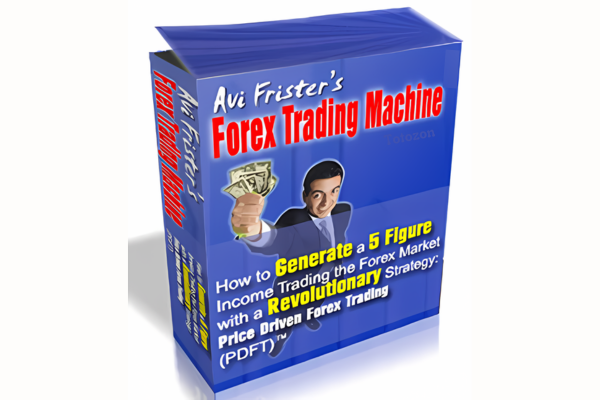 PDFT (Price Driven Forex Trading) Course with Avi Frister
1 × $6.00
PDFT (Price Driven Forex Trading) Course with Avi Frister
1 × $6.00 -
×
 A Bull in China with Jim Rogers
1 × $6.00
A Bull in China with Jim Rogers
1 × $6.00 -
×
 Alpesh Patel Indicator with Alpesh Patel
1 × $62.00
Alpesh Patel Indicator with Alpesh Patel
1 × $62.00 -
×
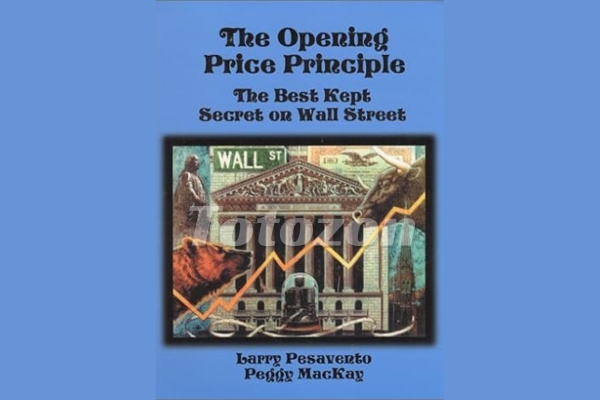 Opening Price Principle: Best Kept Secret on Wall Street - Larry Pesavento & Peggy MacKay
1 × $6.00
Opening Price Principle: Best Kept Secret on Wall Street - Larry Pesavento & Peggy MacKay
1 × $6.00 -
×
 Technical Trader Workshop with Jason Stapleton
1 × $5.00
Technical Trader Workshop with Jason Stapleton
1 × $5.00 -
×
 Market Fluidity
1 × $6.00
Market Fluidity
1 × $6.00 -
×
 Price Action Trading 101 By Steve Burns
1 × $15.00
Price Action Trading 101 By Steve Burns
1 × $15.00 -
×
 Relentless Trading Course Advanced with Ryan Relentless
1 × $5.00
Relentless Trading Course Advanced with Ryan Relentless
1 × $5.00 -
×
 Introduction to Macro Investing with Mike Singleton
1 × $31.00
Introduction to Macro Investing with Mike Singleton
1 × $31.00 -
×
 Pristine - Tom Willard – Creating The Ultimate Trading Psychology Using 3 Key Concepts
1 × $6.00
Pristine - Tom Willard – Creating The Ultimate Trading Psychology Using 3 Key Concepts
1 × $6.00 -
×
 Naked Trading Part 1 with Base Camp Trading
1 × $6.00
Naked Trading Part 1 with Base Camp Trading
1 × $6.00 -
×
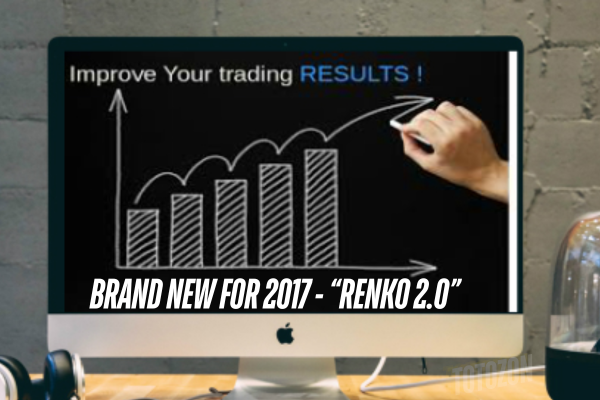 Brand new for 2017 - “Renko 2.0” with Nikos Mermigas & Jeff Wilde
1 × $23.00
Brand new for 2017 - “Renko 2.0” with Nikos Mermigas & Jeff Wilde
1 × $23.00 -
×
 No Bull Investing with Jack Bernstein
1 × $6.00
No Bull Investing with Jack Bernstein
1 × $6.00 -
×
 Precision Timing Your Options Trades Using Fibonacci with Trading Analysis
1 × $15.00
Precision Timing Your Options Trades Using Fibonacci with Trading Analysis
1 × $15.00 -
×
 Power Cycle Trading - Boot Camp for Swing Trading
1 × $6.00
Power Cycle Trading - Boot Camp for Swing Trading
1 × $6.00 -
×
 Forecast 2024 Clarification with Larry Williams
1 × $15.00
Forecast 2024 Clarification with Larry Williams
1 × $15.00 -
×
 Analysis Of Entry Signals (Technicals) with Joe Marwood
1 × $15.00
Analysis Of Entry Signals (Technicals) with Joe Marwood
1 × $15.00 -
×
 Trading a Living Thing (Article) with David Bowden
1 × $6.00
Trading a Living Thing (Article) with David Bowden
1 × $6.00 -
×
 Forex Trading Plan - Learn How To Set SMART Trading Goals! with Anas Abba & FXMindTrix Academy
1 × $6.00
Forex Trading Plan - Learn How To Set SMART Trading Goals! with Anas Abba & FXMindTrix Academy
1 × $6.00 -
×
 Market Controller Course with Controller FX
1 × $5.00
Market Controller Course with Controller FX
1 × $5.00 -
×
 Planetary Stock Trading with Bill Meridian
1 × $6.00
Planetary Stock Trading with Bill Meridian
1 × $6.00 -
×
 Reading & Understanding Charts with Andrew Baxter
1 × $6.00
Reading & Understanding Charts with Andrew Baxter
1 × $6.00 -
×
 All About Dividend Investing with Don Schreiber & Gary Stroik
1 × $6.00
All About Dividend Investing with Don Schreiber & Gary Stroik
1 × $6.00 -
×
 The Naked Eye: Raw Data Analytics with Edgar Torres - Raw Data Analytics
1 × $8.00
The Naked Eye: Raw Data Analytics with Edgar Torres - Raw Data Analytics
1 × $8.00 -
×
 TOP Momentum Bundle with Top Trade Tools
1 × $62.00
TOP Momentum Bundle with Top Trade Tools
1 × $62.00 -
×
 Predicting Next Weeks’s Range with Charles Drummond
1 × $6.00
Predicting Next Weeks’s Range with Charles Drummond
1 × $6.00 -
×
 The Indices Orderflow Masterclass with The Forex Scalpers
1 × $23.00
The Indices Orderflow Masterclass with The Forex Scalpers
1 × $23.00 -
×
 Forex Power Strategy Course with Jason Steele
1 × $6.00
Forex Power Strategy Course with Jason Steele
1 × $6.00 -
×
 Master Fibonacci, Symmetry & Consistent Profitable Trading with Day Trading Zones
1 × $23.00
Master Fibonacci, Symmetry & Consistent Profitable Trading with Day Trading Zones
1 × $23.00 -
×
 Simple Sector Trading Strategies with John Murphy
1 × $6.00
Simple Sector Trading Strategies with John Murphy
1 × $6.00 -
×
 Forex Trading Using Fibonacci & Elliott Wave with Todd Gordon
1 × $6.00
Forex Trading Using Fibonacci & Elliott Wave with Todd Gordon
1 × $6.00 -
×
 Boomer Quick Profits Day Trading Course
1 × $23.00
Boomer Quick Profits Day Trading Course
1 × $23.00

Alternative Assets and Strategic Allocation with John Abbink
Original price was: $51.00.$6.00Current price is: $6.00.
File Size: Coming soon!
Delivery Time: 1–12 hours
Media Type: Online Course
Alternative Assets and Strategic Allocation with John Abbink
Introduction to Alternative Assets
In the ever-evolving landscape of finance, alternative assets have gained significant traction among investors seeking diversification and higher returns. John Abbink, a seasoned expert in finance, delves into the intricacies of alternative assets and strategic allocation, offering valuable insights for modern investors.
Understanding Alternative Assets
What Are Alternative Assets?
Alternative assets are investments outside the traditional categories of stocks, bonds, and cash. These include real estate, private equity, hedge funds, commodities, and more. They offer unique opportunities and risks distinct from conventional investments.
Importance of Alternative Assets
Alternative assets are crucial for portfolio diversification. They often have low correlations with traditional assets, providing a hedge against market volatility and enhancing overall portfolio performance.
Key Types of Alternative Assets
Real Estate
Investing in real estate involves purchasing property for rental income or capital appreciation. Real estate can provide steady cash flow and act as a hedge against inflation.
Private Equity
Private equity involves investing in private companies or buyouts of public companies. These investments are typically illiquid but can offer substantial returns over time.
Hedge Funds
Hedge funds employ various strategies to earn active returns for their investors. These can include long-short equity, market neutral, and global macro strategies.
Commodities
Commodities such as gold, oil, and agricultural products can provide a hedge against inflation and diversify a portfolio due to their different performance dynamics compared to traditional assets.
Infrastructure
Infrastructure investments include assets like roads, bridges, and utilities. These investments can offer stable, long-term returns due to their essential nature and predictable cash flows.
The Role of Strategic Allocation
What is Strategic Allocation?
Strategic allocation is the long-term approach to determining the optimal mix of assets in a portfolio to achieve specific financial goals. It involves selecting a combination of asset classes that align with the investor’s risk tolerance, time horizon, and return objectives.
Importance of Strategic Allocation
Strategic allocation is critical because it helps investors balance risk and return. By strategically diversifying across various asset classes, investors can mitigate risk and capitalize on different market conditions.
Benefits of Including Alternative Assets
Diversification
Alternative assets can significantly diversify a portfolio, reducing overall risk by spreading investments across different asset classes with low correlations to each other.
Enhanced Returns
These assets often have the potential for higher returns compared to traditional investments, particularly in market environments where traditional assets underperform.
Risk Mitigation
By including alternative assets, investors can mitigate specific risks associated with traditional markets, such as equity market downturns or interest rate hikes.
Challenges of Alternative Assets
Illiquidity
Many alternative assets, like real estate and private equity, are not easily sold or exchanged for cash. This illiquidity can be a significant drawback for investors needing quick access to funds.
Complexity
Alternative assets often require more sophisticated knowledge and due diligence compared to traditional investments. Understanding these complexities is crucial for successful investing.
Higher Fees
Alternative investments, particularly hedge funds and private equity, can come with higher fees, which can eat into overall returns if not managed properly.
Strategic Allocation Techniques
Asset Allocation Models
Various models help investors determine the best allocation strategy, including the Markowitz efficient frontier, Black-Litterman model, and Monte Carlo simulations.
Risk Management
Effective risk management involves assessing the volatility and potential drawdowns of alternative assets within a portfolio. Tools such as Value at Risk (VaR) and stress testing are essential.
Rebalancing
Regularly rebalancing the portfolio ensures that the asset allocation remains aligned with the investor’s goals and risk tolerance. This process involves selling overperforming assets and buying underperforming ones.
Practical Steps for Implementing Alternative Assets
Define Investment Goals
Clearly define your financial goals, risk tolerance, and investment horizon before incorporating alternative assets into your portfolio.
Conduct Thorough Due Diligence
Perform detailed research and due diligence on alternative investments, including understanding their risk factors, historical performance, and fee structures.
Start Small
Begin with a small allocation to alternative assets and gradually increase exposure as you become more comfortable with these investments.
Monitor and Adjust
Continuously monitor the performance of your alternative investments and adjust your strategy as needed to align with changing market conditions and personal financial goals.
Case Studies of Successful Strategic Allocation
Endowment Funds
Many university endowment funds have successfully implemented alternative assets to achieve higher returns and lower volatility. For example, Yale’s endowment has a significant allocation to private equity and hedge funds.
Pension Funds
Pension funds often include alternative assets to meet their long-term liabilities and enhance returns. CalPERS, one of the largest pension funds, has substantial investments in real estate and private equity.
Conclusion
“Alternative Assets and Strategic Allocation with John Abbink” provides a comprehensive guide to incorporating alternative assets into a diversified portfolio. By understanding the benefits and challenges, and employing strategic allocation techniques, investors can enhance their portfolio’s performance and achieve their financial goals.
FAQs
What are alternative assets?
Alternative assets are investments outside traditional categories like stocks and bonds, including real estate, private equity, hedge funds, and commodities.
Why are alternative assets important?
They provide diversification, enhanced returns, and risk mitigation by having low correlations with traditional assets.
What is strategic allocation?
Strategic allocation involves determining the optimal mix of assets in a portfolio to achieve specific financial goals while balancing risk and return.
What are the challenges of investing in alternative assets?
Challenges include illiquidity, complexity, and higher fees compared to traditional investments.
How can I start investing in alternative assets?
Begin with a small allocation, conduct thorough due diligence, define your investment goals, and regularly monitor and adjust your portfolio.
Be the first to review “Alternative Assets and Strategic Allocation with John Abbink”
You must be logged in to post a review.
Related products

Original price was: $247.00.$28.00Current price is: $28.00.

Original price was: $509.00.$31.00Current price is: $31.00.

Original price was: $699.00.$6.00Current price is: $6.00.


Original price was: $597.00.$69.00Current price is: $69.00.


Original price was: $89.00.$6.00Current price is: $6.00.



Reviews
There are no reviews yet.