
-
×
 Bear Market Success Workshop with Base Camp Trading
1 × $15.00
Bear Market Success Workshop with Base Camp Trading
1 × $15.00 -
×
 YTC Price Action Trader
1 × $6.00
YTC Price Action Trader
1 × $6.00 -
×
 Beat the Market with Edward O.Thorp
1 × $6.00
Beat the Market with Edward O.Thorp
1 × $6.00 -
×
 Get More Leads Quickly with Brittany Lynch
1 × $6.00
Get More Leads Quickly with Brittany Lynch
1 × $6.00 -
×
 Market Analysis Companion for Metastock with Martin Pring
1 × $6.00
Market Analysis Companion for Metastock with Martin Pring
1 × $6.00 -
×
 When Buy Means Sell : An Investor's Guide to Investing When It Counts with Eric Shkolnik
1 × $6.00
When Buy Means Sell : An Investor's Guide to Investing When It Counts with Eric Shkolnik
1 × $6.00 -
×
 Ichimokutrade - Elliot Wave 101
1 × $15.00
Ichimokutrade - Elliot Wave 101
1 × $15.00 -
×
 Onyx Trade House
1 × $7.00
Onyx Trade House
1 × $7.00 -
×
 The Definitive Guide To Futures Trading (Volume II) with Larry Williams
1 × $6.00
The Definitive Guide To Futures Trading (Volume II) with Larry Williams
1 × $6.00 -
×
 The Best (Public) Trading Methods I’ve Found for Futures & Equities with Perry J.Kaufman
1 × $6.00
The Best (Public) Trading Methods I’ve Found for Futures & Equities with Perry J.Kaufman
1 × $6.00 -
×
 Getting Started in Value Investing with Charles Mizrahi
1 × $6.00
Getting Started in Value Investing with Charles Mizrahi
1 × $6.00 -
×
 Commodity Speculation for Beginners with Charles Huff, Barbara Marinacci
1 × $6.00
Commodity Speculation for Beginners with Charles Huff, Barbara Marinacci
1 × $6.00 -
×
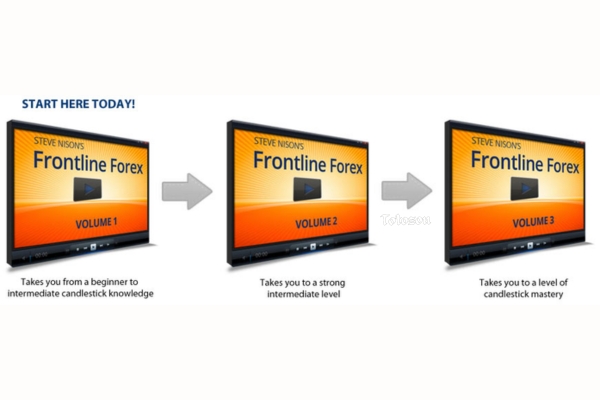 Frontline Forex Vol 1-3 with Steve Nison - Candle Charts
1 × $54.00
Frontline Forex Vol 1-3 with Steve Nison - Candle Charts
1 × $54.00 -
×
 How To Trade the Best Currency Pairs Using The Ichimoku Cloud with Alphashark
1 × $31.00
How To Trade the Best Currency Pairs Using The Ichimoku Cloud with Alphashark
1 × $31.00 -
×
 Advance Gap Trading with Master Trader
1 × $39.00
Advance Gap Trading with Master Trader
1 × $39.00 -
×
 Introduction To Market Turning Points Caused - The Demand & Supply Of Big Banks Institution - Golden Bridge Trading
1 × $6.00
Introduction To Market Turning Points Caused - The Demand & Supply Of Big Banks Institution - Golden Bridge Trading
1 × $6.00 -
×
 TRADING NFX Course with Andrew NFX
1 × $5.00
TRADING NFX Course with Andrew NFX
1 × $5.00 -
×
 WealthFRX Trading Mastery Course 2.0
1 × $5.00
WealthFRX Trading Mastery Course 2.0
1 × $5.00 -
×
 Geomagnetic Storms & Stock Markets (Article) with Anna Krivelyova, C.Robotti
1 × $6.00
Geomagnetic Storms & Stock Markets (Article) with Anna Krivelyova, C.Robotti
1 × $6.00 -
×
 Volatile Markets Made Easy: Trading Stocks and Options for Increased Profits with Guy Cohen
1 × $6.00
Volatile Markets Made Easy: Trading Stocks and Options for Increased Profits with Guy Cohen
1 × $6.00 -
×
 Wyckoff simplified from Michael Z
1 × $6.00
Wyckoff simplified from Michael Z
1 × $6.00 -
×
 Cwesi Forex Trading Bootcamp (Algo Trading)
1 × $13.00
Cwesi Forex Trading Bootcamp (Algo Trading)
1 × $13.00 -
×
 Theo Trade - 128 Course Bundle
1 × $93.00
Theo Trade - 128 Course Bundle
1 × $93.00 -
×
 ART Trading - Fine Tuning Your Money Management Skills & Controlling Your Trade Risk
1 × $15.00
ART Trading - Fine Tuning Your Money Management Skills & Controlling Your Trade Risk
1 × $15.00 -
×
 Winning – Zodiacal Timing Revised 1980 with Joyce Wehrman
1 × $6.00
Winning – Zodiacal Timing Revised 1980 with Joyce Wehrman
1 × $6.00 -
×
 Double Your Capital In 30 Days(2016) with GFA Flips
1 × $5.00
Double Your Capital In 30 Days(2016) with GFA Flips
1 × $5.00 -
×
 WondaFX Signature Strategy with WondaFX
1 × $5.00
WondaFX Signature Strategy with WondaFX
1 × $5.00 -
×
 The Orderflow Masterclass with PrimeTrading
1 × $17.00
The Orderflow Masterclass with PrimeTrading
1 × $17.00 -
×
 The Indices Orderflow Masterclass with The Forex Scalpers
1 × $23.00
The Indices Orderflow Masterclass with The Forex Scalpers
1 × $23.00 -
×
 Activedaytrader - Bond Trading Bootcamp
1 × $8.00
Activedaytrader - Bond Trading Bootcamp
1 × $8.00 -
×
 BTC Market Profile
1 × $34.00
BTC Market Profile
1 × $34.00 -
×
 AI For Traders with Trading Markets
1 × $31.00
AI For Traders with Trading Markets
1 × $31.00 -
×
 Online Forex University Course
1 × $10.00
Online Forex University Course
1 × $10.00 -
×
 The TrendAdvisor Guide to Breakthrough Profits with Chuck Dukas
1 × $6.00
The TrendAdvisor Guide to Breakthrough Profits with Chuck Dukas
1 × $6.00 -
×
 Pristine - Trading the Pristine Method 2
1 × $6.00
Pristine - Trading the Pristine Method 2
1 × $6.00 -
×
 The Best Option Trading Course with David Jaffee - Best Stock Strategy
1 × $15.00
The Best Option Trading Course with David Jaffee - Best Stock Strategy
1 × $15.00 -
×
 Bird Watch in Lion Country 2010 Ed with Dirk Du Toit
1 × $6.00
Bird Watch in Lion Country 2010 Ed with Dirk Du Toit
1 × $6.00 -
×
 Buy, Sell or Hold Manage Your Portfolio for Maximum Gain with Michaal Thomsett
1 × $6.00
Buy, Sell or Hold Manage Your Portfolio for Maximum Gain with Michaal Thomsett
1 × $6.00 -
×
 CyberTrading University – Advanced Stock Course
1 × $31.00
CyberTrading University – Advanced Stock Course
1 × $31.00 -
×
 Covered Calls Income Generation for Your Stocks With Don Kaufman
1 × $6.00
Covered Calls Income Generation for Your Stocks With Don Kaufman
1 × $6.00 -
×
 Best of the Best: Collars with Amy Meissner & Scott Ruble
1 × $15.00
Best of the Best: Collars with Amy Meissner & Scott Ruble
1 × $15.00 -
×
 Online Investing Hacks with Bonnie Biafore
1 × $6.00
Online Investing Hacks with Bonnie Biafore
1 × $6.00 -
×
 Power Income FUTURES Day Trading Course with Trade Out Loud
1 × $31.00
Power Income FUTURES Day Trading Course with Trade Out Loud
1 × $31.00 -
×
 Chart Your Way to Profits (2nd Ed.) with Tim Knight
1 × $6.00
Chart Your Way to Profits (2nd Ed.) with Tim Knight
1 × $6.00 -
×
 W. D Gann 's Square Of 9 Applied To Modern Markets with Sean Avidar - Hexatrade350
1 × $23.00
W. D Gann 's Square Of 9 Applied To Modern Markets with Sean Avidar - Hexatrade350
1 × $23.00 -
×
 Video Package
1 × $6.00
Video Package
1 × $6.00 -
×
 The Price Action Manual, 2nd Ed 2008 with Bryce Gilmore
1 × $4.00
The Price Action Manual, 2nd Ed 2008 with Bryce Gilmore
1 × $4.00 -
×
 Options for Begginers with Lucas Downey
1 × $6.00
Options for Begginers with Lucas Downey
1 × $6.00 -
×
 The Perfect Execution 1-Minute Strategy Course
1 × $6.00
The Perfect Execution 1-Minute Strategy Course
1 × $6.00 -
×
 White Phoenix’s The Smart (Money) Approach to Trading with Jayson Casper
1 × $39.00
White Phoenix’s The Smart (Money) Approach to Trading with Jayson Casper
1 × $39.00 -
×
 The Naked Eye: Raw Data Analytics with Edgar Torres - Raw Data Analytics
1 × $8.00
The Naked Eye: Raw Data Analytics with Edgar Torres - Raw Data Analytics
1 × $8.00 -
×
 Trading Plan with Andrew Baxter
1 × $6.00
Trading Plan with Andrew Baxter
1 × $6.00 -
×
 Intro to Options Trading with Real Life Trading
1 × $13.00
Intro to Options Trading with Real Life Trading
1 × $13.00 -
×
 Candle Charting Essentials & Beyond Volume 1 & 2 with Steve Nison - Candle Charts
1 × $15.00
Candle Charting Essentials & Beyond Volume 1 & 2 with Steve Nison - Candle Charts
1 × $15.00 -
×
 6 Dynamic Trader Real Time and End Of Day
1 × $39.00
6 Dynamic Trader Real Time and End Of Day
1 × $39.00 -
×
 Compass Trading System with Right Line Trading
1 × $39.00
Compass Trading System with Right Line Trading
1 × $39.00 -
×
 Claytrader - Risk vs Reward Trading
1 × $23.00
Claytrader - Risk vs Reward Trading
1 × $23.00 -
×
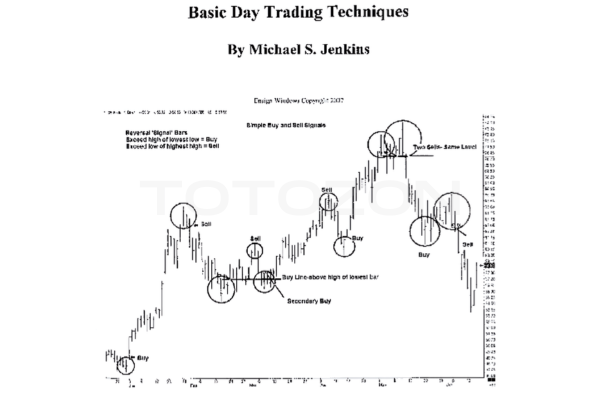 Basic Day Trading Techniques with Michael Jenkins
1 × $6.00
Basic Day Trading Techniques with Michael Jenkins
1 × $6.00 -
×
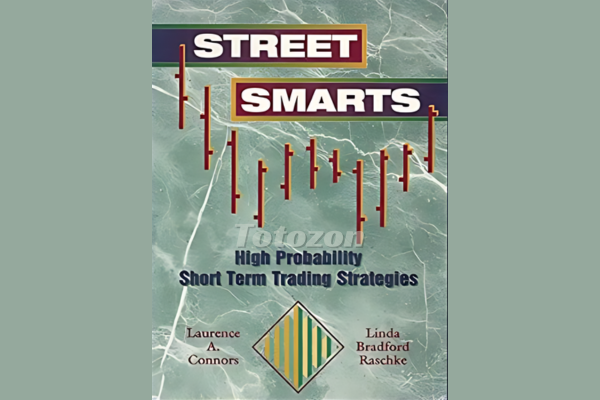 Street Smarts & TS Code with Larry Connors & Linda Bradford Rashcke
1 × $6.00
Street Smarts & TS Code with Larry Connors & Linda Bradford Rashcke
1 × $6.00

Alternative Assets and Strategic Allocation with John Abbink
Original price was: $51.00.$6.00Current price is: $6.00.
File Size: Coming soon!
Delivery Time: 1–12 hours
Media Type: Online Course
Alternative Assets and Strategic Allocation with John Abbink
Introduction to Alternative Assets
In the ever-evolving landscape of finance, alternative assets have gained significant traction among investors seeking diversification and higher returns. John Abbink, a seasoned expert in finance, delves into the intricacies of alternative assets and strategic allocation, offering valuable insights for modern investors.
Understanding Alternative Assets
What Are Alternative Assets?
Alternative assets are investments outside the traditional categories of stocks, bonds, and cash. These include real estate, private equity, hedge funds, commodities, and more. They offer unique opportunities and risks distinct from conventional investments.
Importance of Alternative Assets
Alternative assets are crucial for portfolio diversification. They often have low correlations with traditional assets, providing a hedge against market volatility and enhancing overall portfolio performance.
Key Types of Alternative Assets
Real Estate
Investing in real estate involves purchasing property for rental income or capital appreciation. Real estate can provide steady cash flow and act as a hedge against inflation.
Private Equity
Private equity involves investing in private companies or buyouts of public companies. These investments are typically illiquid but can offer substantial returns over time.
Hedge Funds
Hedge funds employ various strategies to earn active returns for their investors. These can include long-short equity, market neutral, and global macro strategies.
Commodities
Commodities such as gold, oil, and agricultural products can provide a hedge against inflation and diversify a portfolio due to their different performance dynamics compared to traditional assets.
Infrastructure
Infrastructure investments include assets like roads, bridges, and utilities. These investments can offer stable, long-term returns due to their essential nature and predictable cash flows.
The Role of Strategic Allocation
What is Strategic Allocation?
Strategic allocation is the long-term approach to determining the optimal mix of assets in a portfolio to achieve specific financial goals. It involves selecting a combination of asset classes that align with the investor’s risk tolerance, time horizon, and return objectives.
Importance of Strategic Allocation
Strategic allocation is critical because it helps investors balance risk and return. By strategically diversifying across various asset classes, investors can mitigate risk and capitalize on different market conditions.
Benefits of Including Alternative Assets
Diversification
Alternative assets can significantly diversify a portfolio, reducing overall risk by spreading investments across different asset classes with low correlations to each other.
Enhanced Returns
These assets often have the potential for higher returns compared to traditional investments, particularly in market environments where traditional assets underperform.
Risk Mitigation
By including alternative assets, investors can mitigate specific risks associated with traditional markets, such as equity market downturns or interest rate hikes.
Challenges of Alternative Assets
Illiquidity
Many alternative assets, like real estate and private equity, are not easily sold or exchanged for cash. This illiquidity can be a significant drawback for investors needing quick access to funds.
Complexity
Alternative assets often require more sophisticated knowledge and due diligence compared to traditional investments. Understanding these complexities is crucial for successful investing.
Higher Fees
Alternative investments, particularly hedge funds and private equity, can come with higher fees, which can eat into overall returns if not managed properly.
Strategic Allocation Techniques
Asset Allocation Models
Various models help investors determine the best allocation strategy, including the Markowitz efficient frontier, Black-Litterman model, and Monte Carlo simulations.
Risk Management
Effective risk management involves assessing the volatility and potential drawdowns of alternative assets within a portfolio. Tools such as Value at Risk (VaR) and stress testing are essential.
Rebalancing
Regularly rebalancing the portfolio ensures that the asset allocation remains aligned with the investor’s goals and risk tolerance. This process involves selling overperforming assets and buying underperforming ones.
Practical Steps for Implementing Alternative Assets
Define Investment Goals
Clearly define your financial goals, risk tolerance, and investment horizon before incorporating alternative assets into your portfolio.
Conduct Thorough Due Diligence
Perform detailed research and due diligence on alternative investments, including understanding their risk factors, historical performance, and fee structures.
Start Small
Begin with a small allocation to alternative assets and gradually increase exposure as you become more comfortable with these investments.
Monitor and Adjust
Continuously monitor the performance of your alternative investments and adjust your strategy as needed to align with changing market conditions and personal financial goals.
Case Studies of Successful Strategic Allocation
Endowment Funds
Many university endowment funds have successfully implemented alternative assets to achieve higher returns and lower volatility. For example, Yale’s endowment has a significant allocation to private equity and hedge funds.
Pension Funds
Pension funds often include alternative assets to meet their long-term liabilities and enhance returns. CalPERS, one of the largest pension funds, has substantial investments in real estate and private equity.
Conclusion
“Alternative Assets and Strategic Allocation with John Abbink” provides a comprehensive guide to incorporating alternative assets into a diversified portfolio. By understanding the benefits and challenges, and employing strategic allocation techniques, investors can enhance their portfolio’s performance and achieve their financial goals.
FAQs
What are alternative assets?
Alternative assets are investments outside traditional categories like stocks and bonds, including real estate, private equity, hedge funds, and commodities.
Why are alternative assets important?
They provide diversification, enhanced returns, and risk mitigation by having low correlations with traditional assets.
What is strategic allocation?
Strategic allocation involves determining the optimal mix of assets in a portfolio to achieve specific financial goals while balancing risk and return.
What are the challenges of investing in alternative assets?
Challenges include illiquidity, complexity, and higher fees compared to traditional investments.
How can I start investing in alternative assets?
Begin with a small allocation, conduct thorough due diligence, define your investment goals, and regularly monitor and adjust your portfolio.
Be the first to review “Alternative Assets and Strategic Allocation with John Abbink”
You must be logged in to post a review.
Related products



Original price was: $1,497.00.$15.00Current price is: $15.00.
Original price was: $24.00.$6.00Current price is: $6.00.
Original price was: $509.00.$31.00Current price is: $31.00.


Original price was: $72.00.$6.00Current price is: $6.00.


Original price was: $89.00.$6.00Current price is: $6.00.

Original price was: $249.00.$6.00Current price is: $6.00.

Original price was: $1,997.00.$78.00Current price is: $78.00.

Original price was: $597.00.$69.00Current price is: $69.00.

Reviews
There are no reviews yet.