
-
×
 Million Dollar Bond Strategies Video with Paul Judd
1 × $6.00
Million Dollar Bond Strategies Video with Paul Judd
1 × $6.00 -
×
 Sacredscience - Sepharial – Your Personal Diurnal Chart
1 × $6.00
Sacredscience - Sepharial – Your Personal Diurnal Chart
1 × $6.00 -
×
 The 3 Skills of Top Trading with Hank Pruden
1 × $6.00
The 3 Skills of Top Trading with Hank Pruden
1 × $6.00 -
×
 Day Trading Academy
1 × $54.00
Day Trading Academy
1 × $54.00 -
×
 News FX Strategy with Zain Agha
1 × $6.00
News FX Strategy with Zain Agha
1 × $6.00 -
×
 Foreign Exchange Option Pricing: A Practitioner's Guide with Iain Clark
1 × $6.00
Foreign Exchange Option Pricing: A Practitioner's Guide with Iain Clark
1 × $6.00 -
×
 Stock Market Wizards Interviews with America’s Top Stock Traders - Jack Schwager
1 × $6.00
Stock Market Wizards Interviews with America’s Top Stock Traders - Jack Schwager
1 × $6.00 -
×
 Growing Rich with Growth Stocks: Wall Street's Top Money Managers Reveal the 12 Rules for Investment Success - Kirk Kazanjian
1 × $6.00
Growing Rich with Growth Stocks: Wall Street's Top Money Managers Reveal the 12 Rules for Investment Success - Kirk Kazanjian
1 × $6.00 -
×
 Lessons 1-30 & Tradestation Code with Charles Drummond
1 × $6.00
Lessons 1-30 & Tradestation Code with Charles Drummond
1 × $6.00 -
×
 Developing the Psychological Trader’s Edge with Robin Dayne
1 × $6.00
Developing the Psychological Trader’s Edge with Robin Dayne
1 × $6.00 -
×
 TradeCraft: Your Path to Peak Performance Trading By Adam Grimes
1 × $15.00
TradeCraft: Your Path to Peak Performance Trading By Adam Grimes
1 × $15.00 -
×
 Managing Debt for Dummies with John Ventura
1 × $6.00
Managing Debt for Dummies with John Ventura
1 × $6.00 -
×
 The Best of the Professional Traders Journal: Options Trading and Volatility Trading with Larry Connors
1 × $6.00
The Best of the Professional Traders Journal: Options Trading and Volatility Trading with Larry Connors
1 × $6.00 -
×
 Gann Masters II with Hallikers Inc
1 × $6.00
Gann Masters II with Hallikers Inc
1 × $6.00 -
×
 Stonhill Forex 201 Advanced Course
1 × $5.00
Stonhill Forex 201 Advanced Course
1 × $5.00 -
×
 Onyx Platinum Trading Accelerator 2.0 with Nick Deflorio
1 × $6.00
Onyx Platinum Trading Accelerator 2.0 with Nick Deflorio
1 × $6.00 -
×
 The Gold Treasure Map: The Path to Buried Treasure Trading Gold with David Starr & Neil Yeager
1 × $6.00
The Gold Treasure Map: The Path to Buried Treasure Trading Gold with David Starr & Neil Yeager
1 × $6.00 -
×
 Mentfx Paid Mentoship (2021)
1 × $5.00
Mentfx Paid Mentoship (2021)
1 × $5.00 -
×
 Inside the Mind of Trader Stewie - Art of Trading
1 × $23.00
Inside the Mind of Trader Stewie - Art of Trading
1 × $23.00 -
×
 Market Magic: Riding the Greatest Bull Market of the Century with Louise Yamada
1 × $6.00
Market Magic: Riding the Greatest Bull Market of the Century with Louise Yamada
1 × $6.00 -
×
 Speculating with Futures and Traditional Commodities Part II (Liverpool Group) - Noble DraKoln
1 × $6.00
Speculating with Futures and Traditional Commodities Part II (Liverpool Group) - Noble DraKoln
1 × $6.00 -
×
 Paradox Forex Course
1 × $5.00
Paradox Forex Course
1 × $5.00 -
×
 Master Fibonacci, Symmetry & Consistent Profitable Trading with Day Trading Zones
1 × $23.00
Master Fibonacci, Symmetry & Consistent Profitable Trading with Day Trading Zones
1 × $23.00 -
×
 Forex Trading Plan - Learn How To Set SMART Trading Goals! with Anas Abba & FXMindTrix Academy
1 × $6.00
Forex Trading Plan - Learn How To Set SMART Trading Goals! with Anas Abba & FXMindTrix Academy
1 × $6.00 -
×
 Cheat Code Trading System
1 × $13.00
Cheat Code Trading System
1 × $13.00 -
×
 Learn About Trading Options From a Real Wallstreet Trader with Corey Halliday & Todd parker
1 × $6.00
Learn About Trading Options From a Real Wallstreet Trader with Corey Halliday & Todd parker
1 × $6.00 -
×
 ICT Trading Models with The Prop Trader
1 × $5.00
ICT Trading Models with The Prop Trader
1 × $5.00 -
×
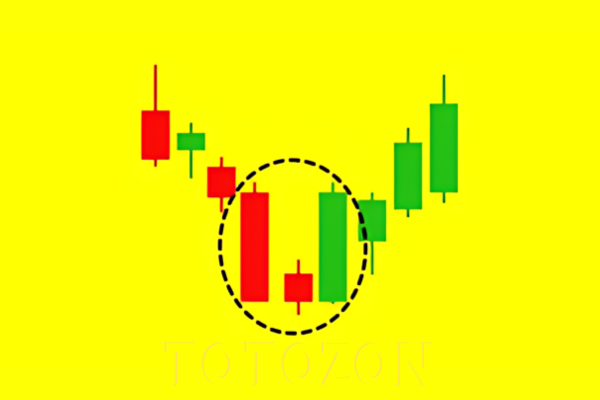 Level 1 - Japanese Candlesticks Trading Mastery Program with Rohit Musale & Rashmi Musale
1 × $5.00
Level 1 - Japanese Candlesticks Trading Mastery Program with Rohit Musale & Rashmi Musale
1 × $5.00 -
×
 Module 3 – Volume, Trendlines and Indicators
1 × $31.00
Module 3 – Volume, Trendlines and Indicators
1 × $31.00 -
×
 Evolved Trader with Mark Croock
1 × $69.00
Evolved Trader with Mark Croock
1 × $69.00 -
×
 Opening Bell Income Strategy with Todd Mitchell
1 × $54.00
Opening Bell Income Strategy with Todd Mitchell
1 × $54.00 -
×
 ETF Trading Strategies Revealed with David Vomund
1 × $6.00
ETF Trading Strategies Revealed with David Vomund
1 × $6.00 -
×
 Market Stalkers Level 3 - Intraday Trading University
1 × $8.00
Market Stalkers Level 3 - Intraday Trading University
1 × $8.00 -
×
 Mastering High Probability Chart Reading Methods with John Murphy
1 × $6.00
Mastering High Probability Chart Reading Methods with John Murphy
1 × $6.00 -
×
 Debt Capital Markets in China with Jian Gao
1 × $6.00
Debt Capital Markets in China with Jian Gao
1 × $6.00 -
×
 Info Product Mastery - Ron Douglas & Alice Seba
1 × $6.00
Info Product Mastery - Ron Douglas & Alice Seba
1 × $6.00 -
×
 Common Sense on Mutual Funds: Fully Updated 10th Anniversary Edition with John Bogle
1 × $6.00
Common Sense on Mutual Funds: Fully Updated 10th Anniversary Edition with John Bogle
1 × $6.00 -
×
 Order flow self-study training program with iMFtracker
1 × $10.00
Order flow self-study training program with iMFtracker
1 × $10.00 -
×
 Examination Morning Session – Essay (2003) with CFA Level 3
1 × $6.00
Examination Morning Session – Essay (2003) with CFA Level 3
1 × $6.00 -
×
 Mastering Momentum Gaps with Toni Hansen
1 × $6.00
Mastering Momentum Gaps with Toni Hansen
1 × $6.00 -
×
 Exchange Traded Funds & E-Mini Stock Index Futures with David Lerman
1 × $6.00
Exchange Traded Funds & E-Mini Stock Index Futures with David Lerman
1 × $6.00 -
×
 Lazy Gap Trader Course with David Frost
1 × $6.00
Lazy Gap Trader Course with David Frost
1 × $6.00 -
×
 New York Super Conference 2016 Videos
1 × $31.00
New York Super Conference 2016 Videos
1 × $31.00 -
×
 How to Spot Trading Opportunities
1 × $6.00
How to Spot Trading Opportunities
1 × $6.00 -
×
 Real Options Analysis: Tools and Techniques for Valuing Strategic Investments and Decisions - Johnathan Mun
1 × $6.00
Real Options Analysis: Tools and Techniques for Valuing Strategic Investments and Decisions - Johnathan Mun
1 × $6.00 -
×
 Day Trading MasterClass with Tyrone Abela - FX Evolution
1 × $139.00
Day Trading MasterClass with Tyrone Abela - FX Evolution
1 × $139.00 -
×
 Market Profile Video with FutexLive
1 × $6.00
Market Profile Video with FutexLive
1 × $6.00 -
×
 MAM EA (Unlocked) with Christopher Wilson
1 × $6.00
MAM EA (Unlocked) with Christopher Wilson
1 × $6.00 -
×
 Scalping Master Class with Day One Traders
1 × $5.00
Scalping Master Class with Day One Traders
1 × $5.00 -
×
 Naked Trading Mastery
1 × $39.00
Naked Trading Mastery
1 × $39.00 -
×
 MLT Divergence Indicator with Major League Trading
1 × $23.00
MLT Divergence Indicator with Major League Trading
1 × $23.00 -
×
 FasTrack Premium with Note Conference
1 × $78.00
FasTrack Premium with Note Conference
1 × $78.00 -
×
 Special Bootcamp with Smart Earners Academy
1 × $5.00
Special Bootcamp with Smart Earners Academy
1 × $5.00 -
×
 Secrets of the Trading Pros with Jack Bouroudjan & Terrence Duffy
1 × $6.00
Secrets of the Trading Pros with Jack Bouroudjan & Terrence Duffy
1 × $6.00 -
×
 Game Plan of a Winning Trader with Mike Podwojski & Vic Noble
1 × $6.00
Game Plan of a Winning Trader with Mike Podwojski & Vic Noble
1 × $6.00 -
×
 Forex & Fibonacci Day Trading Seminar - $695
1 × $6.00
Forex & Fibonacci Day Trading Seminar - $695
1 × $6.00 -
×
 Snapbacks CD
1 × $6.00
Snapbacks CD
1 × $6.00 -
×
 Master Stock Course
1 × $6.00
Master Stock Course
1 × $6.00 -
×
 Mathematical Problems in Image Processing with Charles E.Chidume
1 × $6.00
Mathematical Problems in Image Processing with Charles E.Chidume
1 × $6.00 -
×
 Objective Evaluation of Indicators with Constance Brown
1 × $6.00
Objective Evaluation of Indicators with Constance Brown
1 × $6.00 -
×
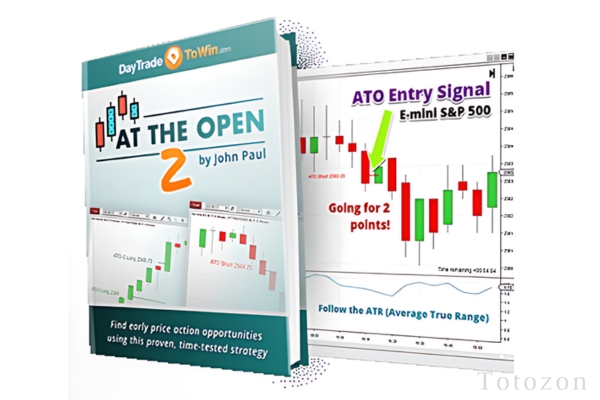 Day Trade to Win E-Course with John Paul
1 × $6.00
Day Trade to Win E-Course with John Paul
1 × $6.00 -
×
 How to Make Money Trading Stocks and Commodities with George R.Sranko
1 × $4.00
How to Make Money Trading Stocks and Commodities with George R.Sranko
1 × $4.00 -
×
 The Complete Lot Flipper System
1 × $6.00
The Complete Lot Flipper System
1 × $6.00 -
×
 Forex Strategy Master with Russ Horn
1 × $6.00
Forex Strategy Master with Russ Horn
1 × $6.00 -
×
 Ichimokutrade - Fibonacci 101
1 × $15.00
Ichimokutrade - Fibonacci 101
1 × $15.00 -
×
 Market Trader Forecasting Modeling Course
1 × $6.00
Market Trader Forecasting Modeling Course
1 × $6.00 -
×
 No BS Day Trading Basic Course
1 × $6.00
No BS Day Trading Basic Course
1 × $6.00 -
×
 Module 1 & 2 Swing Trading Forex and Financial Futures with Trader Dante
1 × $15.00
Module 1 & 2 Swing Trading Forex and Financial Futures with Trader Dante
1 × $15.00 -
×
 Krautgap By John Piper
1 × $6.00
Krautgap By John Piper
1 × $6.00 -
×
 Qualitative - Financial Statement Analysis with Sandesh Banger
1 × $5.00
Qualitative - Financial Statement Analysis with Sandesh Banger
1 × $5.00 -
×
 Momentum Signals Interactive Training Course 2010-2011
1 × $6.00
Momentum Signals Interactive Training Course 2010-2011
1 × $6.00 -
×
 Proven Swing Trading Strat & Multiple Time Frame Analysis - Robert Krausz & Thom Hartle
1 × $6.00
Proven Swing Trading Strat & Multiple Time Frame Analysis - Robert Krausz & Thom Hartle
1 × $6.00 -
×
 How to Profit in Gold with Jonathan Spall
1 × $6.00
How to Profit in Gold with Jonathan Spall
1 × $6.00 -
×
 Technical Trader Workshop with Jason Stapleton
1 × $5.00
Technical Trader Workshop with Jason Stapleton
1 × $5.00 -
×
 Learn Plan Profit – How To Trade Stocks
1 × $15.00
Learn Plan Profit – How To Trade Stocks
1 × $15.00 -
×
 Scientific Forex with Cristina Ciurea
1 × $6.00
Scientific Forex with Cristina Ciurea
1 × $6.00 -
×
 Outsmarting Wall Street (3rd Ed) with Daniel Alan Seiver
1 × $6.00
Outsmarting Wall Street (3rd Ed) with Daniel Alan Seiver
1 × $6.00 -
×
 The Methodology Revealed with Nick Santiago & Gareth Soloway - InTheMoneyStocks
1 × $209.00
The Methodology Revealed with Nick Santiago & Gareth Soloway - InTheMoneyStocks
1 × $209.00 -
×
 Naked Trading Part 1 with Base Camp Trading
1 × $6.00
Naked Trading Part 1 with Base Camp Trading
1 × $6.00 -
×
 The Apple Way with Jeffrey Cruikshank
1 × $6.00
The Apple Way with Jeffrey Cruikshank
1 × $6.00 -
×
 Market Maker Strategy Video Course with Fractal Flow Pro
1 × $6.00
Market Maker Strategy Video Course with Fractal Flow Pro
1 × $6.00 -
×
 Master Trader Course
1 × $23.00
Master Trader Course
1 × $23.00 -
×
 Harmonic Elliott Wave: The Case for Modification of R. N. Elliott's Impulsive Wave Structure with Ian Copsey
1 × $6.00
Harmonic Elliott Wave: The Case for Modification of R. N. Elliott's Impulsive Wave Structure with Ian Copsey
1 × $6.00 -
×
 Masterclass 3.0 with RockzFX Academy
1 × $6.00
Masterclass 3.0 with RockzFX Academy
1 × $6.00 -
×
 Stock Market–Swing Trading Strategies for Wall Street with Bill Wermin
1 × $6.00
Stock Market–Swing Trading Strategies for Wall Street with Bill Wermin
1 × $6.00 -
×
 How to Trade a Vertical Market
1 × $93.00
How to Trade a Vertical Market
1 × $93.00

Alternative Assets and Strategic Allocation with John Abbink
Original price was: $51.00.$6.00Current price is: $6.00.
File Size: Coming soon!
Delivery Time: 1–12 hours
Media Type: Online Course
Alternative Assets and Strategic Allocation with John Abbink
Introduction to Alternative Assets
In the ever-evolving landscape of finance, alternative assets have gained significant traction among investors seeking diversification and higher returns. John Abbink, a seasoned expert in finance, delves into the intricacies of alternative assets and strategic allocation, offering valuable insights for modern investors.
Understanding Alternative Assets
What Are Alternative Assets?
Alternative assets are investments outside the traditional categories of stocks, bonds, and cash. These include real estate, private equity, hedge funds, commodities, and more. They offer unique opportunities and risks distinct from conventional investments.
Importance of Alternative Assets
Alternative assets are crucial for portfolio diversification. They often have low correlations with traditional assets, providing a hedge against market volatility and enhancing overall portfolio performance.
Key Types of Alternative Assets
Real Estate
Investing in real estate involves purchasing property for rental income or capital appreciation. Real estate can provide steady cash flow and act as a hedge against inflation.
Private Equity
Private equity involves investing in private companies or buyouts of public companies. These investments are typically illiquid but can offer substantial returns over time.
Hedge Funds
Hedge funds employ various strategies to earn active returns for their investors. These can include long-short equity, market neutral, and global macro strategies.
Commodities
Commodities such as gold, oil, and agricultural products can provide a hedge against inflation and diversify a portfolio due to their different performance dynamics compared to traditional assets.
Infrastructure
Infrastructure investments include assets like roads, bridges, and utilities. These investments can offer stable, long-term returns due to their essential nature and predictable cash flows.
The Role of Strategic Allocation
What is Strategic Allocation?
Strategic allocation is the long-term approach to determining the optimal mix of assets in a portfolio to achieve specific financial goals. It involves selecting a combination of asset classes that align with the investor’s risk tolerance, time horizon, and return objectives.
Importance of Strategic Allocation
Strategic allocation is critical because it helps investors balance risk and return. By strategically diversifying across various asset classes, investors can mitigate risk and capitalize on different market conditions.
Benefits of Including Alternative Assets
Diversification
Alternative assets can significantly diversify a portfolio, reducing overall risk by spreading investments across different asset classes with low correlations to each other.
Enhanced Returns
These assets often have the potential for higher returns compared to traditional investments, particularly in market environments where traditional assets underperform.
Risk Mitigation
By including alternative assets, investors can mitigate specific risks associated with traditional markets, such as equity market downturns or interest rate hikes.
Challenges of Alternative Assets
Illiquidity
Many alternative assets, like real estate and private equity, are not easily sold or exchanged for cash. This illiquidity can be a significant drawback for investors needing quick access to funds.
Complexity
Alternative assets often require more sophisticated knowledge and due diligence compared to traditional investments. Understanding these complexities is crucial for successful investing.
Higher Fees
Alternative investments, particularly hedge funds and private equity, can come with higher fees, which can eat into overall returns if not managed properly.
Strategic Allocation Techniques
Asset Allocation Models
Various models help investors determine the best allocation strategy, including the Markowitz efficient frontier, Black-Litterman model, and Monte Carlo simulations.
Risk Management
Effective risk management involves assessing the volatility and potential drawdowns of alternative assets within a portfolio. Tools such as Value at Risk (VaR) and stress testing are essential.
Rebalancing
Regularly rebalancing the portfolio ensures that the asset allocation remains aligned with the investor’s goals and risk tolerance. This process involves selling overperforming assets and buying underperforming ones.
Practical Steps for Implementing Alternative Assets
Define Investment Goals
Clearly define your financial goals, risk tolerance, and investment horizon before incorporating alternative assets into your portfolio.
Conduct Thorough Due Diligence
Perform detailed research and due diligence on alternative investments, including understanding their risk factors, historical performance, and fee structures.
Start Small
Begin with a small allocation to alternative assets and gradually increase exposure as you become more comfortable with these investments.
Monitor and Adjust
Continuously monitor the performance of your alternative investments and adjust your strategy as needed to align with changing market conditions and personal financial goals.
Case Studies of Successful Strategic Allocation
Endowment Funds
Many university endowment funds have successfully implemented alternative assets to achieve higher returns and lower volatility. For example, Yale’s endowment has a significant allocation to private equity and hedge funds.
Pension Funds
Pension funds often include alternative assets to meet their long-term liabilities and enhance returns. CalPERS, one of the largest pension funds, has substantial investments in real estate and private equity.
Conclusion
“Alternative Assets and Strategic Allocation with John Abbink” provides a comprehensive guide to incorporating alternative assets into a diversified portfolio. By understanding the benefits and challenges, and employing strategic allocation techniques, investors can enhance their portfolio’s performance and achieve their financial goals.
FAQs
What are alternative assets?
Alternative assets are investments outside traditional categories like stocks and bonds, including real estate, private equity, hedge funds, and commodities.
Why are alternative assets important?
They provide diversification, enhanced returns, and risk mitigation by having low correlations with traditional assets.
What is strategic allocation?
Strategic allocation involves determining the optimal mix of assets in a portfolio to achieve specific financial goals while balancing risk and return.
What are the challenges of investing in alternative assets?
Challenges include illiquidity, complexity, and higher fees compared to traditional investments.
How can I start investing in alternative assets?
Begin with a small allocation, conduct thorough due diligence, define your investment goals, and regularly monitor and adjust your portfolio.
Be the first to review “Alternative Assets and Strategic Allocation with John Abbink”
You must be logged in to post a review.
Related products


Original price was: $247.00.$28.00Current price is: $28.00.

Original price was: $89.00.$6.00Current price is: $6.00.



Original price was: $399.00.$23.00Current price is: $23.00.

Original price was: $1,997.00.$78.00Current price is: $78.00.

Original price was: $297.00.$31.00Current price is: $31.00.
Original price was: $24.00.$6.00Current price is: $6.00.

Original price was: $699.00.$6.00Current price is: $6.00.

Original price was: $249.00.$6.00Current price is: $6.00.

Reviews
There are no reviews yet.