
-
×
 Project Gorilla
1 × $5.00
Project Gorilla
1 × $5.00 -
×
 Murrey Math Trading System Book with Murrey Math
1 × $6.00
Murrey Math Trading System Book with Murrey Math
1 × $6.00 -
×
 Profiting With Forex: The Most Effective Tools and Techniques for Trading Currencies - John Jagerson & Wade Hansen
1 × $6.00
Profiting With Forex: The Most Effective Tools and Techniques for Trading Currencies - John Jagerson & Wade Hansen
1 × $6.00 -
×
 Real-Time Course with Rich Swannell
1 × $6.00
Real-Time Course with Rich Swannell
1 × $6.00 -
×
 How to Make Money with Real State Options with Thomas Lucier
1 × $6.00
How to Make Money with Real State Options with Thomas Lucier
1 × $6.00 -
×
 Gannline. Total School Package
1 × $6.00
Gannline. Total School Package
1 × $6.00 -
×
 From Walden to Wall Street: Frontiers of Conservation Finance with James Levitt
1 × $6.00
From Walden to Wall Street: Frontiers of Conservation Finance with James Levitt
1 × $6.00 -
×
 Larry Connors Professional Day Trading for Success Program
1 × $62.00
Larry Connors Professional Day Trading for Success Program
1 × $62.00 -
×
 Secret Day - Swing Trading Strategy For Stock, Forex, Crypto with Value Stocks
1 × $5.00
Secret Day - Swing Trading Strategy For Stock, Forex, Crypto with Value Stocks
1 × $5.00 -
×
 Option Alpha Signals
1 × $15.00
Option Alpha Signals
1 × $15.00 -
×
 Market Controller Course with Controller FX
2 × $5.00
Market Controller Course with Controller FX
2 × $5.00 -
×
 LT Pulse and LT Trend/Ultra
1 × $23.00
LT Pulse and LT Trend/Ultra
1 × $23.00 -
×
 The Fx220 1 on 1 Mentoring Program
1 × $5.00
The Fx220 1 on 1 Mentoring Program
1 × $5.00 -
×
 Indicator Effectiveness Testing & System Creation with David Vomund
1 × $6.00
Indicator Effectiveness Testing & System Creation with David Vomund
1 × $6.00 -
×
 Getting Started in Stocks with Alvin D.Hall
1 × $6.00
Getting Started in Stocks with Alvin D.Hall
1 × $6.00 -
×
 Jason Bond Dvds for Traders (all 4 programs)
1 × $6.00
Jason Bond Dvds for Traders (all 4 programs)
1 × $6.00 -
×
 Prometheus Course with QuantProgram
1 × $13.00
Prometheus Course with QuantProgram
1 × $13.00 -
×
 The Best of the Professional Traders Journal: Options Trading and Volatility Trading with Larry Connors
1 × $6.00
The Best of the Professional Traders Journal: Options Trading and Volatility Trading with Larry Connors
1 × $6.00 -
×
 The Dark Side Of Valuation with Aswath Damodaran
1 × $6.00
The Dark Side Of Valuation with Aswath Damodaran
1 × $6.00 -
×
 MMfx Course August 2011 + MT4 Ind. Jan 2012
1 × $15.00
MMfx Course August 2011 + MT4 Ind. Jan 2012
1 × $15.00 -
×
 Options Education FULL Course 30+ Hours with Macrohedged
1 × $23.00
Options Education FULL Course 30+ Hours with Macrohedged
1 × $23.00 -
×
 The Insured Portfolio: Your Gateway to Stress-Free Global Investments with Erika Nolan, Marc-Andre Sola & Shannon Crouch
1 × $6.00
The Insured Portfolio: Your Gateway to Stress-Free Global Investments with Erika Nolan, Marc-Andre Sola & Shannon Crouch
1 × $6.00 -
×
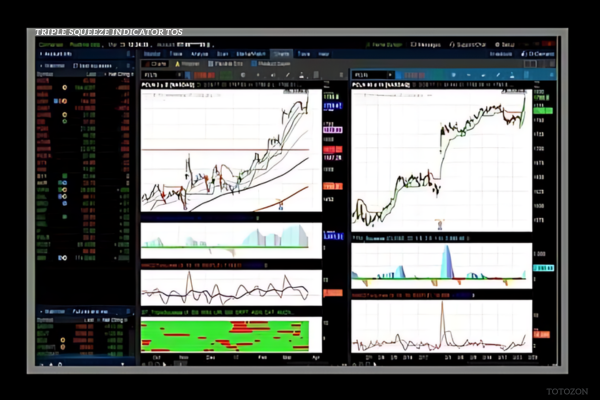 Triple Squeeze Indicator TOS
1 × $6.00
Triple Squeeze Indicator TOS
1 × $6.00 -
×
 We Fund Traders - The Whale Order
1 × $5.00
We Fund Traders - The Whale Order
1 × $5.00 -
×
 FOUS4 with Cameron Fous
1 × $5.00
FOUS4 with Cameron Fous
1 × $5.00 -
×
 The Complete Short Course on Ripple Cryptocurrency with Saad Hameed
1 × $5.00
The Complete Short Course on Ripple Cryptocurrency with Saad Hameed
1 × $5.00 -
×
 High Probability Option Trading - Seasonal Straddles
1 × $6.00
High Probability Option Trading - Seasonal Straddles
1 × $6.00 -
×
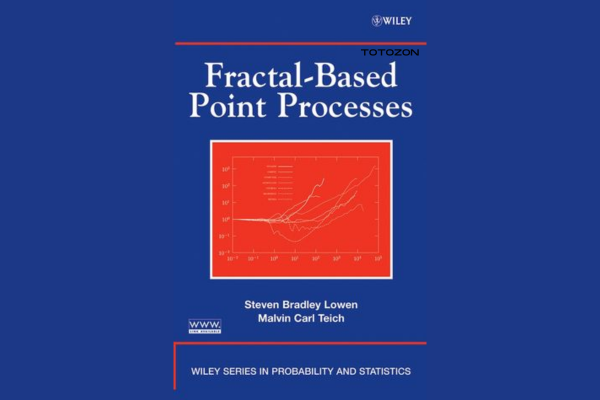 Fractal Based Point Processes with Steven Bradley Lowen & Malvin Carl Teich
1 × $6.00
Fractal Based Point Processes with Steven Bradley Lowen & Malvin Carl Teich
1 × $6.00 -
×
 Pristine - Dan Gibby – Mastering Breakouts & Breakdowns
1 × $6.00
Pristine - Dan Gibby – Mastering Breakouts & Breakdowns
1 × $6.00 -
×
 Main Online Course with FestX
1 × $5.00
Main Online Course with FestX
1 × $5.00 -
×
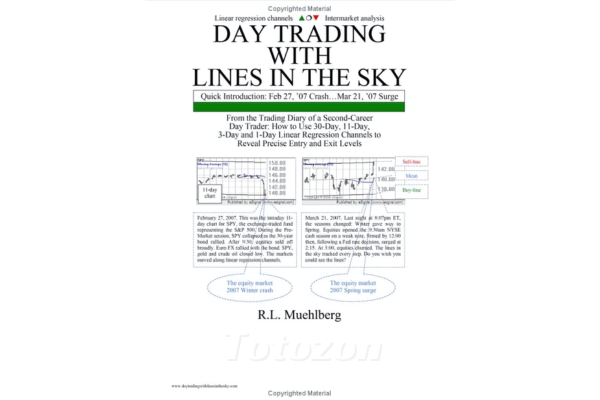 Day Trading with Lines in the Sky By R.L.Muehlberg
1 × $6.00
Day Trading with Lines in the Sky By R.L.Muehlberg
1 × $6.00 -
×
 Read The Market RTM Master Trader Course + Journals
1 × $5.00
Read The Market RTM Master Trader Course + Journals
1 × $5.00 -
×
 NodeTrader (+ open code) (Nov 2014)
1 × $6.00
NodeTrader (+ open code) (Nov 2014)
1 × $6.00 -
×
 Measuring & Controlling Interest Rate & Credit Risk (2nd Ed.) with Frank Fabozzi, Steven Mann & Moorad Choudhry
1 × $6.00
Measuring & Controlling Interest Rate & Credit Risk (2nd Ed.) with Frank Fabozzi, Steven Mann & Moorad Choudhry
1 × $6.00 -
×
 OilTradingAcademy - Oil Trading Academy Code 1 + 2 + 3 Video Course
1 × $6.00
OilTradingAcademy - Oil Trading Academy Code 1 + 2 + 3 Video Course
1 × $6.00 -
×
 Forex Patterns and Probabilities: Trading Strategies for Trending and Range-Bound Markets with Ed Ponsi
1 × $6.00
Forex Patterns and Probabilities: Trading Strategies for Trending and Range-Bound Markets with Ed Ponsi
1 × $6.00 -
×
 No BS Day Trading Basic Course
1 × $6.00
No BS Day Trading Basic Course
1 × $6.00 -
×
 Module II - Signature Trades with FX MindShift
1 × $6.00
Module II - Signature Trades with FX MindShift
1 × $6.00 -
×
 Exacttrading - Price Action Trader Course
1 × $15.00
Exacttrading - Price Action Trader Course
1 × $15.00 -
×
 Market Energy Trader with Top Trade Tools
1 × $5.00
Market Energy Trader with Top Trade Tools
1 × $5.00 -
×
 Mechanical Timing Systems. The Key to Consistent Profits & Sharper Trading with Nelson Freeburg
1 × $6.00
Mechanical Timing Systems. The Key to Consistent Profits & Sharper Trading with Nelson Freeburg
1 × $6.00 -
×
 Master Stock Course
1 × $6.00
Master Stock Course
1 × $6.00 -
×
 Forecast 2012 Report with Larry Williams
1 × $6.00
Forecast 2012 Report with Larry Williams
1 × $6.00 -
×
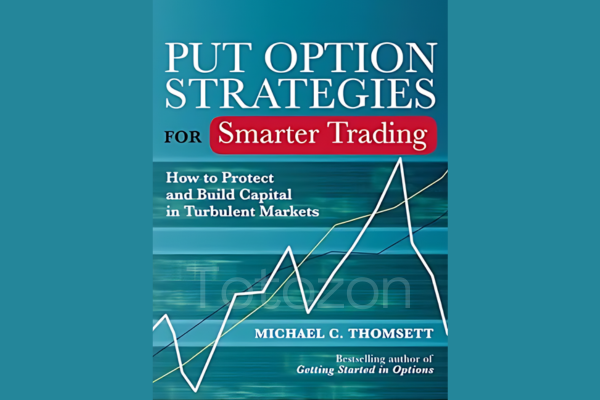 Put Option Strategies for Smarter Trading with Michael Thomsett
1 × $6.00
Put Option Strategies for Smarter Trading with Michael Thomsett
1 × $6.00 -
×
 Pristine - Cardinal Rules of Trading
1 × $6.00
Pristine - Cardinal Rules of Trading
1 × $6.00 -
×
 Market Gems Manual with Barbara J.Simon
1 × $6.00
Market Gems Manual with Barbara J.Simon
1 × $6.00 -
×
 Penny Stock Mastery
1 × $31.00
Penny Stock Mastery
1 × $31.00 -
×
 MambaFX - Bundle - Trading/Scalping
1 × $23.00
MambaFX - Bundle - Trading/Scalping
1 × $23.00 -
×
 Game-Maker Forex Trading System
1 × $6.00
Game-Maker Forex Trading System
1 × $6.00 -
×
 Perfect Strategy - SPX Daily Options Income with Peter Titus - Marwood Research
1 × $15.00
Perfect Strategy - SPX Daily Options Income with Peter Titus - Marwood Research
1 × $15.00 -
×
 Forex 360 Complete Course
1 × $6.00
Forex 360 Complete Course
1 × $6.00 -
×
 Does a Holy Grail Really Exist with John Hayden
1 × $6.00
Does a Holy Grail Really Exist with John Hayden
1 × $6.00 -
×
 Handbook on the Knowledge Economy with David Rooney
1 × $6.00
Handbook on the Knowledge Economy with David Rooney
1 × $6.00 -
×
 Full Members Area (Icludes 2006 Seminar & Webinars) with Tom Yeomans
1 × $6.00
Full Members Area (Icludes 2006 Seminar & Webinars) with Tom Yeomans
1 × $6.00 -
×
 Forex Trading Bootcamp For Traders & Investors (2020)
1 × $6.00
Forex Trading Bootcamp For Traders & Investors (2020)
1 × $6.00 -
×
 Fierce 10 with Mandi Rafsendjani
1 × $5.00
Fierce 10 with Mandi Rafsendjani
1 × $5.00 -
×
 Module I - Foundation with FX MindShift
1 × $6.00
Module I - Foundation with FX MindShift
1 × $6.00 -
×
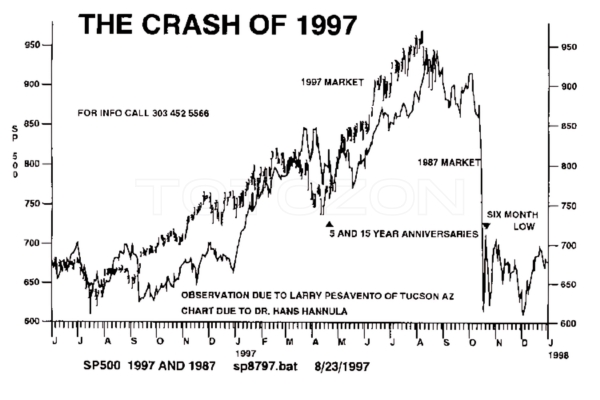 The Crash of 1997 (Article) with Hans Hannula
1 × $6.00
The Crash of 1997 (Article) with Hans Hannula
1 × $6.00 -
×
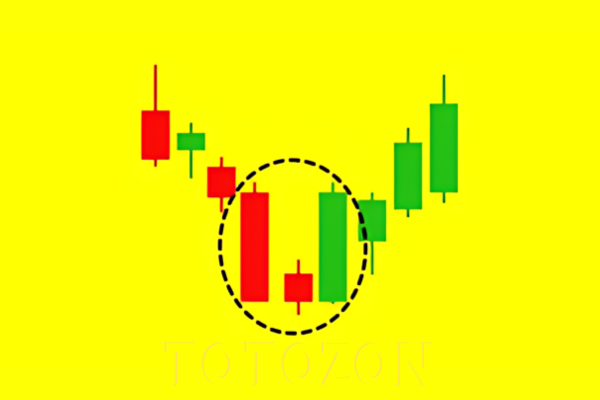 Level 1 - Japanese Candlesticks Trading Mastery Program with Rohit Musale & Rashmi Musale
1 × $5.00
Level 1 - Japanese Candlesticks Trading Mastery Program with Rohit Musale & Rashmi Musale
1 × $5.00 -
×
 Options University - Ron Ianieri – Options University Live Seminars
1 × $6.00
Options University - Ron Ianieri – Options University Live Seminars
1 × $6.00 -
×
 Quantifiable Edges - 3 Course Bundle
1 × $31.00
Quantifiable Edges - 3 Course Bundle
1 × $31.00 -
×
 Dynamic Trading Indicators with Mark W.Helweg, David C.Stendahl
1 × $6.00
Dynamic Trading Indicators with Mark W.Helweg, David C.Stendahl
1 × $6.00 -
×
 Precision Timing Your Options Trades Using Fibonacci with Trading Analysis
1 × $15.00
Precision Timing Your Options Trades Using Fibonacci with Trading Analysis
1 × $15.00 -
×
 Marus FX 2023
1 × $5.00
Marus FX 2023
1 × $5.00 -
×
 High Probability Patterns and Rule Based Trading with Jake Bernstein
1 × $6.00
High Probability Patterns and Rule Based Trading with Jake Bernstein
1 × $6.00 -
×
 How to Trade in Stocks
1 × $6.00
How to Trade in Stocks
1 × $6.00 -
×
 Investing in 401k Plans with Cliffsnotes
1 × $6.00
Investing in 401k Plans with Cliffsnotes
1 × $6.00 -
×
 Managing Debt for Dummies with John Ventura
1 × $6.00
Managing Debt for Dummies with John Ventura
1 × $6.00 -
×
 Forex Strategy Course with Angel Traders
1 × $6.00
Forex Strategy Course with Angel Traders
1 × $6.00 -
×
 Physicists on Wall Street and Other Essays on Science and Society with Jeremy Bernstein
1 × $6.00
Physicists on Wall Street and Other Essays on Science and Society with Jeremy Bernstein
1 × $6.00 -
×
 How to Trade a Vertical Market
1 × $93.00
How to Trade a Vertical Market
1 × $93.00

Alternative Assets and Strategic Allocation with John Abbink
Original price was: $51.00.$6.00Current price is: $6.00.
File Size: Coming soon!
Delivery Time: 1–12 hours
Media Type: Online Course
Alternative Assets and Strategic Allocation with John Abbink
Introduction to Alternative Assets
In the ever-evolving landscape of finance, alternative assets have gained significant traction among investors seeking diversification and higher returns. John Abbink, a seasoned expert in finance, delves into the intricacies of alternative assets and strategic allocation, offering valuable insights for modern investors.
Understanding Alternative Assets
What Are Alternative Assets?
Alternative assets are investments outside the traditional categories of stocks, bonds, and cash. These include real estate, private equity, hedge funds, commodities, and more. They offer unique opportunities and risks distinct from conventional investments.
Importance of Alternative Assets
Alternative assets are crucial for portfolio diversification. They often have low correlations with traditional assets, providing a hedge against market volatility and enhancing overall portfolio performance.
Key Types of Alternative Assets
Real Estate
Investing in real estate involves purchasing property for rental income or capital appreciation. Real estate can provide steady cash flow and act as a hedge against inflation.
Private Equity
Private equity involves investing in private companies or buyouts of public companies. These investments are typically illiquid but can offer substantial returns over time.
Hedge Funds
Hedge funds employ various strategies to earn active returns for their investors. These can include long-short equity, market neutral, and global macro strategies.
Commodities
Commodities such as gold, oil, and agricultural products can provide a hedge against inflation and diversify a portfolio due to their different performance dynamics compared to traditional assets.
Infrastructure
Infrastructure investments include assets like roads, bridges, and utilities. These investments can offer stable, long-term returns due to their essential nature and predictable cash flows.
The Role of Strategic Allocation
What is Strategic Allocation?
Strategic allocation is the long-term approach to determining the optimal mix of assets in a portfolio to achieve specific financial goals. It involves selecting a combination of asset classes that align with the investor’s risk tolerance, time horizon, and return objectives.
Importance of Strategic Allocation
Strategic allocation is critical because it helps investors balance risk and return. By strategically diversifying across various asset classes, investors can mitigate risk and capitalize on different market conditions.
Benefits of Including Alternative Assets
Diversification
Alternative assets can significantly diversify a portfolio, reducing overall risk by spreading investments across different asset classes with low correlations to each other.
Enhanced Returns
These assets often have the potential for higher returns compared to traditional investments, particularly in market environments where traditional assets underperform.
Risk Mitigation
By including alternative assets, investors can mitigate specific risks associated with traditional markets, such as equity market downturns or interest rate hikes.
Challenges of Alternative Assets
Illiquidity
Many alternative assets, like real estate and private equity, are not easily sold or exchanged for cash. This illiquidity can be a significant drawback for investors needing quick access to funds.
Complexity
Alternative assets often require more sophisticated knowledge and due diligence compared to traditional investments. Understanding these complexities is crucial for successful investing.
Higher Fees
Alternative investments, particularly hedge funds and private equity, can come with higher fees, which can eat into overall returns if not managed properly.
Strategic Allocation Techniques
Asset Allocation Models
Various models help investors determine the best allocation strategy, including the Markowitz efficient frontier, Black-Litterman model, and Monte Carlo simulations.
Risk Management
Effective risk management involves assessing the volatility and potential drawdowns of alternative assets within a portfolio. Tools such as Value at Risk (VaR) and stress testing are essential.
Rebalancing
Regularly rebalancing the portfolio ensures that the asset allocation remains aligned with the investor’s goals and risk tolerance. This process involves selling overperforming assets and buying underperforming ones.
Practical Steps for Implementing Alternative Assets
Define Investment Goals
Clearly define your financial goals, risk tolerance, and investment horizon before incorporating alternative assets into your portfolio.
Conduct Thorough Due Diligence
Perform detailed research and due diligence on alternative investments, including understanding their risk factors, historical performance, and fee structures.
Start Small
Begin with a small allocation to alternative assets and gradually increase exposure as you become more comfortable with these investments.
Monitor and Adjust
Continuously monitor the performance of your alternative investments and adjust your strategy as needed to align with changing market conditions and personal financial goals.
Case Studies of Successful Strategic Allocation
Endowment Funds
Many university endowment funds have successfully implemented alternative assets to achieve higher returns and lower volatility. For example, Yale’s endowment has a significant allocation to private equity and hedge funds.
Pension Funds
Pension funds often include alternative assets to meet their long-term liabilities and enhance returns. CalPERS, one of the largest pension funds, has substantial investments in real estate and private equity.
Conclusion
“Alternative Assets and Strategic Allocation with John Abbink” provides a comprehensive guide to incorporating alternative assets into a diversified portfolio. By understanding the benefits and challenges, and employing strategic allocation techniques, investors can enhance their portfolio’s performance and achieve their financial goals.
FAQs
What are alternative assets?
Alternative assets are investments outside traditional categories like stocks and bonds, including real estate, private equity, hedge funds, and commodities.
Why are alternative assets important?
They provide diversification, enhanced returns, and risk mitigation by having low correlations with traditional assets.
What is strategic allocation?
Strategic allocation involves determining the optimal mix of assets in a portfolio to achieve specific financial goals while balancing risk and return.
What are the challenges of investing in alternative assets?
Challenges include illiquidity, complexity, and higher fees compared to traditional investments.
How can I start investing in alternative assets?
Begin with a small allocation, conduct thorough due diligence, define your investment goals, and regularly monitor and adjust your portfolio.
Be the first to review “Alternative Assets and Strategic Allocation with John Abbink”
You must be logged in to post a review.
Related products

Original price was: $72.00.$6.00Current price is: $6.00.
Original price was: $997.00.$69.00Current price is: $69.00.


Original price was: $1,530.00.$272.00Current price is: $272.00.

Original price was: $297.00.$31.00Current price is: $31.00.
Original price was: $1,497.00.$15.00Current price is: $15.00.

Original price was: $247.00.$28.00Current price is: $28.00.
Original price was: $249.00.$6.00Current price is: $6.00.

Original price was: $597.00.$69.00Current price is: $69.00.

Original price was: $89.00.$6.00Current price is: $6.00.


Reviews
There are no reviews yet.