
-
×
 AI For Traders with Trading Markets
1 × $31.00
AI For Traders with Trading Markets
1 × $31.00 -
×
 Crypto Trading Academy with Cheeky Investor - Aussie Day Trader
1 × $13.00
Crypto Trading Academy with Cheeky Investor - Aussie Day Trader
1 × $13.00 -
×
 $20 – 52k 20 pips a day challange with Rafał Zuchowicz - TopMasterTrader
1 × $5.00
$20 – 52k 20 pips a day challange with Rafał Zuchowicz - TopMasterTrader
1 × $5.00 -
×
 Ultimate Trading Course with Dodgy's Dungeon
1 × $8.00
Ultimate Trading Course with Dodgy's Dungeon
1 × $8.00 -
×
 High Probability Trading Using Elliott Wave And Fibonacci Analysis withVic Patel - Forex Training Group
1 × $10.00
High Probability Trading Using Elliott Wave And Fibonacci Analysis withVic Patel - Forex Training Group
1 × $10.00 -
×
 ICT Prodigy Trading Course – $650K in Payouts with Alex Solignani
1 × $15.00
ICT Prodigy Trading Course – $650K in Payouts with Alex Solignani
1 × $15.00 -
×
 White Phoenix’s The Smart (Money) Approach to Trading with Jayson Casper
1 × $39.00
White Phoenix’s The Smart (Money) Approach to Trading with Jayson Casper
1 × $39.00 -
×
 Bond Market Course with The Macro Compass
1 × $15.00
Bond Market Course with The Macro Compass
1 × $15.00 -
×
 Technical Analysis & The Nasdaq with Alan Rich
1 × $6.00
Technical Analysis & The Nasdaq with Alan Rich
1 × $6.00 -
×
 Options Trading & Ultimate MasterClass With Tyrone Abela - FX Evolution
1 × $54.00
Options Trading & Ultimate MasterClass With Tyrone Abela - FX Evolution
1 × $54.00 -
×
 How To Read The Market Professionally with TradeSmart
1 × $27.00
How To Read The Market Professionally with TradeSmart
1 × $27.00 -
×
 The Orderflow Masterclass with PrimeTrading
1 × $17.00
The Orderflow Masterclass with PrimeTrading
1 × $17.00 -
×
 WondaFX Signature Strategy with WondaFX
1 × $5.00
WondaFX Signature Strategy with WondaFX
1 × $5.00 -
×
 The Orderflows Trade Opportunities Encyclopedia with Michael Valtos
1 × $8.00
The Orderflows Trade Opportunities Encyclopedia with Michael Valtos
1 × $8.00 -
×
 W. D Gann 's Square Of 9 Applied To Modern Markets with Sean Avidar - Hexatrade350
1 × $23.00
W. D Gann 's Square Of 9 Applied To Modern Markets with Sean Avidar - Hexatrade350
1 × $23.00 -
×
 Project Gorilla
1 × $5.00
Project Gorilla
1 × $5.00 -
×
 Stocks and Bonds with Elaine Scott
1 × $6.00
Stocks and Bonds with Elaine Scott
1 × $6.00 -
×
 Home Run Options Trading Course with Dave Aquino - Base Camp Trading
1 × $11.00
Home Run Options Trading Course with Dave Aquino - Base Camp Trading
1 × $11.00 -
×
 Order Flow Analytics
1 × $54.00
Order Flow Analytics
1 × $54.00 -
×
 The Prop Trading Code with Brannigan Barrett - Axia Futures
1 × $23.00
The Prop Trading Code with Brannigan Barrett - Axia Futures
1 × $23.00 -
×
 Forecast 2024 Clarification with Larry Williams
1 × $15.00
Forecast 2024 Clarification with Larry Williams
1 × $15.00 -
×
 SQX Mentorship with Tip Toe Hippo
1 × $23.00
SQX Mentorship with Tip Toe Hippo
1 × $23.00 -
×
 Day Trading MasterClass with Tyrone Abela - FX Evolution
1 × $139.00
Day Trading MasterClass with Tyrone Abela - FX Evolution
1 × $139.00 -
×
 Algo Trading Masterclass with Ali Casey - StatOasis
1 × $23.00
Algo Trading Masterclass with Ali Casey - StatOasis
1 × $23.00 -
×
 Scalp Strategy and Flipping Small Accounts with Opes Trading Group
1 × $5.00
Scalp Strategy and Flipping Small Accounts with Opes Trading Group
1 × $5.00 -
×
 Advanced Spread Trading with Guy Bower - MasterClass Trader
1 × $15.00
Advanced Spread Trading with Guy Bower - MasterClass Trader
1 × $15.00 -
×
 The A14 Weekly Option Strategy Workshop with Amy Meissner
1 × $23.00
The A14 Weekly Option Strategy Workshop with Amy Meissner
1 × $23.00 -
×
 Forex Master Method Evolution with Russ Horn
1 × $6.00
Forex Master Method Evolution with Russ Horn
1 × $6.00 -
×
 Stock Market–Swing Trading Strategies for Wall Street with Bill Wermin
1 × $6.00
Stock Market–Swing Trading Strategies for Wall Street with Bill Wermin
1 × $6.00 -
×
 The Trading Blueprint with Brad Goh - The Trading Geek
1 × $5.00
The Trading Blueprint with Brad Goh - The Trading Geek
1 × $5.00 -
×
 Day trading master class with BKForex
1 × $6.00
Day trading master class with BKForex
1 × $6.00 -
×
 Deep Dive Butterfly Trading Strategy Class with SJG Trades
1 × $41.00
Deep Dive Butterfly Trading Strategy Class with SJG Trades
1 × $41.00 -
×
 Inside the House of Money (2006) with Steven Drobny
1 × $6.00
Inside the House of Money (2006) with Steven Drobny
1 × $6.00 -
×
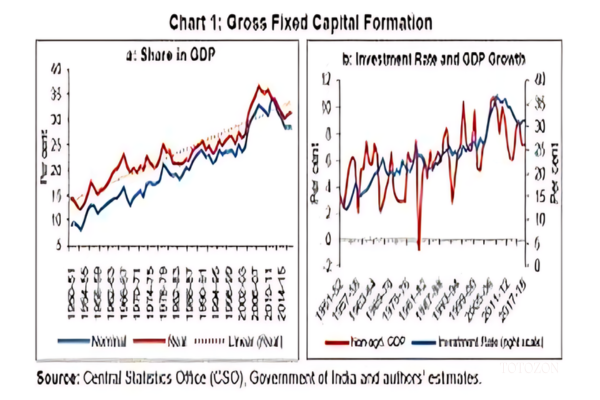 Indian Time Cycles and Market Forecasting with Barry William Rosen
1 × $7.00
Indian Time Cycles and Market Forecasting with Barry William Rosen
1 × $7.00 -
×
 TRADING NFX Course with Andrew NFX
1 × $5.00
TRADING NFX Course with Andrew NFX
1 × $5.00 -
×
 Compass Trading System with Right Line Trading
1 × $39.00
Compass Trading System with Right Line Trading
1 × $39.00 -
×
 Learn Plan Profit – How To Trade Stocks
1 × $15.00
Learn Plan Profit – How To Trade Stocks
1 × $15.00 -
×
 Main Online Course with MadCharts
1 × $5.00
Main Online Course with MadCharts
1 × $5.00 -
×
 Matrix Spread Options Trading Course with Base Camp Trading
1 × $31.00
Matrix Spread Options Trading Course with Base Camp Trading
1 × $31.00 -
×
 Getting Started in Value Investing with Charles Mizrahi
1 × $6.00
Getting Started in Value Investing with Charles Mizrahi
1 × $6.00 -
×
 Money Miracle: Use Other Peoples Money to Make You Rich with George Angell
1 × $6.00
Money Miracle: Use Other Peoples Money to Make You Rich with George Angell
1 × $6.00 -
×
 The Complete Guide to Option Selling with James Cordier
1 × $6.00
The Complete Guide to Option Selling with James Cordier
1 × $6.00 -
×
 Teresa Lo's PowerTools for eSignal (Dec. 2006) (powerswings.com)
1 × $6.00
Teresa Lo's PowerTools for eSignal (Dec. 2006) (powerswings.com)
1 × $6.00 -
×
 Interactive Course
1 × $6.00
Interactive Course
1 × $6.00 -
×
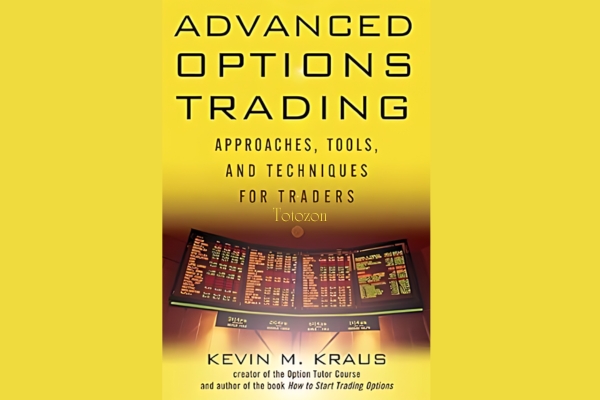 Advanced Options Trading: Approaches, Tools, and Techniques for Professionals Traders with Kevin Kraus
1 × $6.00
Advanced Options Trading: Approaches, Tools, and Techniques for Professionals Traders with Kevin Kraus
1 × $6.00 -
×
 Trading to Win with Ari Kiev
1 × $6.00
Trading to Win with Ari Kiev
1 × $6.00 -
×
 Master Class with Gerald Appel
1 × $6.00
Master Class with Gerald Appel
1 × $6.00 -
×
 Yield Farming MasterClass Course (2022) with Boss Financial
1 × $5.00
Yield Farming MasterClass Course (2022) with Boss Financial
1 × $5.00 -
×
 Forex Mentor - FX Winning Strategies
1 × $15.00
Forex Mentor - FX Winning Strategies
1 × $15.00 -
×
![The Art of Trading Covered Writes [1 video (AVI)] image](https://www.totozon.com/wp-content/uploads/2024/07/A-trader-analyzing-earnings-reports-on-a-computer-screen.png) Learn To Trade Earnings with Dan Sheridan
1 × $23.00
Learn To Trade Earnings with Dan Sheridan
1 × $23.00 -
×
 You can be a Stock Market Genious with Joel Greenblaat
1 × $6.00
You can be a Stock Market Genious with Joel Greenblaat
1 × $6.00 -
×
 MACK - PATS Simple ES Scalping Strategy
1 × $15.00
MACK - PATS Simple ES Scalping Strategy
1 × $15.00 -
×
 License to Steal with John Carlton
1 × $6.00
License to Steal with John Carlton
1 × $6.00 -
×
 Technical Analysis with Alexander Elder Video Series
1 × $6.00
Technical Analysis with Alexander Elder Video Series
1 × $6.00 -
×
 International Assignments with Linda K.Stroh
1 × $6.00
International Assignments with Linda K.Stroh
1 × $6.00 -
×
 Foundation & Application of the Market with Jim Dalton - JimDalton Trading
1 × $5.00
Foundation & Application of the Market with Jim Dalton - JimDalton Trading
1 × $5.00 -
×
 Module II - Signature Trades with FX MindShift
1 × $6.00
Module II - Signature Trades with FX MindShift
1 × $6.00 -
×
 March 2023 Intensive Live Trading Event with Apteros Trading
1 × $5.00
March 2023 Intensive Live Trading Event with Apteros Trading
1 × $5.00 -
×
 ETF Strategies & Tactics: Hedge Your Portfolio in a Changing Marke with Laurence Rosenberg
1 × $6.00
ETF Strategies & Tactics: Hedge Your Portfolio in a Changing Marke with Laurence Rosenberg
1 × $6.00 -
×
 Full Members Area (Icludes 2006 Seminar & Webinars) with Tom Yeomans
1 × $6.00
Full Members Area (Icludes 2006 Seminar & Webinars) with Tom Yeomans
1 × $6.00 -
×
 Stock Patterns for Day Trading Home Study Course
1 × $23.00
Stock Patterns for Day Trading Home Study Course
1 × $23.00 -
×
 Mindset Trader Day Trading Course with Mafia Trading
1 × $6.00
Mindset Trader Day Trading Course with Mafia Trading
1 × $6.00 -
×
 Managing Risk in Alternative Investment Strategies with Lars Jaeger
1 × $6.00
Managing Risk in Alternative Investment Strategies with Lars Jaeger
1 × $6.00 -
×
 Option Alpha Signals
1 × $15.00
Option Alpha Signals
1 × $15.00 -
×
 Most Woke Trading Methods with Hunter FX
1 × $5.00
Most Woke Trading Methods with Hunter FX
1 × $5.00 -
×
 Options for Long Term Trading & Hedging with Option Pit
1 × $39.00
Options for Long Term Trading & Hedging with Option Pit
1 × $39.00 -
×
 Mean Reversion Strategy with The Chartist
1 × $78.00
Mean Reversion Strategy with The Chartist
1 × $78.00 -
×
 Special Bootcamp with Smart Earners Academy
1 × $5.00
Special Bootcamp with Smart Earners Academy
1 × $5.00 -
×
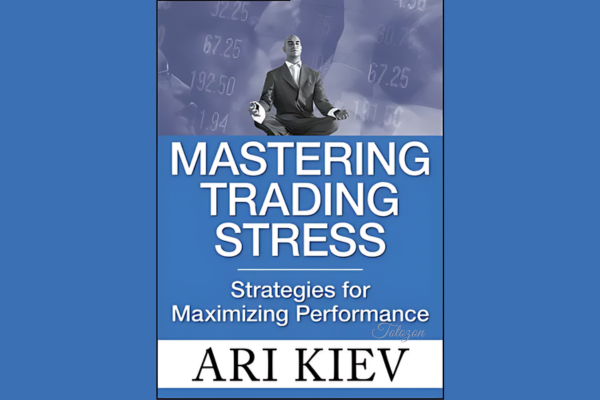 Mastering Trading Stress with Ari Kiev
1 × $6.00
Mastering Trading Stress with Ari Kiev
1 × $6.00 -
×
 Stocks & Commodities Magazine S&C on DVD 11.26 (1982-2008)
1 × $6.00
Stocks & Commodities Magazine S&C on DVD 11.26 (1982-2008)
1 × $6.00 -
×
 Introduction to Position Sizing Strategies with Van Tharp Institute
1 × $6.00
Introduction to Position Sizing Strategies with Van Tharp Institute
1 × $6.00 -
×
 Ichimoku Cloud Trading System Class with Jeff Bierman
1 × $6.00
Ichimoku Cloud Trading System Class with Jeff Bierman
1 × $6.00 -
×
 Oil Trading Academy Code 3 Video Course
1 × $6.00
Oil Trading Academy Code 3 Video Course
1 × $6.00 -
×
 Secrets of Investors on WallStreet (Audio) with Ken Fisher
1 × $6.00
Secrets of Investors on WallStreet (Audio) with Ken Fisher
1 × $6.00 -
×
 Price Headley - Using Williams %R The BigTrends Way
1 × $6.00
Price Headley - Using Williams %R The BigTrends Way
1 × $6.00 -
×
 Market Expectations & Option Prices with Martin Mandler
1 × $6.00
Market Expectations & Option Prices with Martin Mandler
1 × $6.00 -
×
 Order flow self-study training program with iMFtracker
1 × $10.00
Order flow self-study training program with iMFtracker
1 × $10.00 -
×
 The Best Option Trading Course with David Jaffee - Best Stock Strategy
1 × $15.00
The Best Option Trading Course with David Jaffee - Best Stock Strategy
1 × $15.00 -
×
 The Indices Orderflow Masterclass with The Forex Scalpers
1 × $23.00
The Indices Orderflow Masterclass with The Forex Scalpers
1 × $23.00 -
×
 Introduction to Amibroker with Howard B.Bandy
1 × $6.00
Introduction to Amibroker with Howard B.Bandy
1 × $6.00 -
×
 Interpreting Balance of Power with Peter Worden
1 × $6.00
Interpreting Balance of Power with Peter Worden
1 × $6.00 -
×
 Paradox Forex Course
1 × $5.00
Paradox Forex Course
1 × $5.00 -
×
 TradeCraft: Your Path to Peak Performance Trading By Adam Grimes
1 × $15.00
TradeCraft: Your Path to Peak Performance Trading By Adam Grimes
1 × $15.00 -
×
 Trading Short TermSame Day Trades Sep 2023 with Dan Sheridan & Mark Fenton - Sheridan Options Mentoring
1 × $31.00
Trading Short TermSame Day Trades Sep 2023 with Dan Sheridan & Mark Fenton - Sheridan Options Mentoring
1 × $31.00 -
×
 Best of the Best: Collars with Amy Meissner & Scott Ruble
1 × $15.00
Best of the Best: Collars with Amy Meissner & Scott Ruble
1 × $15.00 -
×
 Measuring Market Risk (2nd Edition) with Kevin Dowd
1 × $6.00
Measuring Market Risk (2nd Edition) with Kevin Dowd
1 × $6.00 -
×
 Trading Markets Swing Trading College 2019 with Larry Connor
1 × $5.00
Trading Markets Swing Trading College 2019 with Larry Connor
1 × $5.00 -
×
 Practical Speculation with Victor Niederhoffer, Laurel Kenner
1 × $6.00
Practical Speculation with Victor Niederhoffer, Laurel Kenner
1 × $6.00
Alternative Assets and Strategic Allocation with John Abbink
Original price was: $51.00.$6.00Current price is: $6.00.
File Size: Coming soon!
Delivery Time: 1–12 hours
Media Type: Online Course
Alternative Assets and Strategic Allocation with John Abbink
Introduction to Alternative Assets
In the ever-evolving landscape of finance, alternative assets have gained significant traction among investors seeking diversification and higher returns. John Abbink, a seasoned expert in finance, delves into the intricacies of alternative assets and strategic allocation, offering valuable insights for modern investors.
Understanding Alternative Assets
What Are Alternative Assets?
Alternative assets are investments outside the traditional categories of stocks, bonds, and cash. These include real estate, private equity, hedge funds, commodities, and more. They offer unique opportunities and risks distinct from conventional investments.
Importance of Alternative Assets
Alternative assets are crucial for portfolio diversification. They often have low correlations with traditional assets, providing a hedge against market volatility and enhancing overall portfolio performance.
Key Types of Alternative Assets
Real Estate
Investing in real estate involves purchasing property for rental income or capital appreciation. Real estate can provide steady cash flow and act as a hedge against inflation.
Private Equity
Private equity involves investing in private companies or buyouts of public companies. These investments are typically illiquid but can offer substantial returns over time.
Hedge Funds
Hedge funds employ various strategies to earn active returns for their investors. These can include long-short equity, market neutral, and global macro strategies.
Commodities
Commodities such as gold, oil, and agricultural products can provide a hedge against inflation and diversify a portfolio due to their different performance dynamics compared to traditional assets.
Infrastructure
Infrastructure investments include assets like roads, bridges, and utilities. These investments can offer stable, long-term returns due to their essential nature and predictable cash flows.
The Role of Strategic Allocation
What is Strategic Allocation?
Strategic allocation is the long-term approach to determining the optimal mix of assets in a portfolio to achieve specific financial goals. It involves selecting a combination of asset classes that align with the investor’s risk tolerance, time horizon, and return objectives.
Importance of Strategic Allocation
Strategic allocation is critical because it helps investors balance risk and return. By strategically diversifying across various asset classes, investors can mitigate risk and capitalize on different market conditions.
Benefits of Including Alternative Assets
Diversification
Alternative assets can significantly diversify a portfolio, reducing overall risk by spreading investments across different asset classes with low correlations to each other.
Enhanced Returns
These assets often have the potential for higher returns compared to traditional investments, particularly in market environments where traditional assets underperform.
Risk Mitigation
By including alternative assets, investors can mitigate specific risks associated with traditional markets, such as equity market downturns or interest rate hikes.
Challenges of Alternative Assets
Illiquidity
Many alternative assets, like real estate and private equity, are not easily sold or exchanged for cash. This illiquidity can be a significant drawback for investors needing quick access to funds.
Complexity
Alternative assets often require more sophisticated knowledge and due diligence compared to traditional investments. Understanding these complexities is crucial for successful investing.
Higher Fees
Alternative investments, particularly hedge funds and private equity, can come with higher fees, which can eat into overall returns if not managed properly.
Strategic Allocation Techniques
Asset Allocation Models
Various models help investors determine the best allocation strategy, including the Markowitz efficient frontier, Black-Litterman model, and Monte Carlo simulations.
Risk Management
Effective risk management involves assessing the volatility and potential drawdowns of alternative assets within a portfolio. Tools such as Value at Risk (VaR) and stress testing are essential.
Rebalancing
Regularly rebalancing the portfolio ensures that the asset allocation remains aligned with the investor’s goals and risk tolerance. This process involves selling overperforming assets and buying underperforming ones.
Practical Steps for Implementing Alternative Assets
Define Investment Goals
Clearly define your financial goals, risk tolerance, and investment horizon before incorporating alternative assets into your portfolio.
Conduct Thorough Due Diligence
Perform detailed research and due diligence on alternative investments, including understanding their risk factors, historical performance, and fee structures.
Start Small
Begin with a small allocation to alternative assets and gradually increase exposure as you become more comfortable with these investments.
Monitor and Adjust
Continuously monitor the performance of your alternative investments and adjust your strategy as needed to align with changing market conditions and personal financial goals.
Case Studies of Successful Strategic Allocation
Endowment Funds
Many university endowment funds have successfully implemented alternative assets to achieve higher returns and lower volatility. For example, Yale’s endowment has a significant allocation to private equity and hedge funds.
Pension Funds
Pension funds often include alternative assets to meet their long-term liabilities and enhance returns. CalPERS, one of the largest pension funds, has substantial investments in real estate and private equity.
Conclusion
“Alternative Assets and Strategic Allocation with John Abbink” provides a comprehensive guide to incorporating alternative assets into a diversified portfolio. By understanding the benefits and challenges, and employing strategic allocation techniques, investors can enhance their portfolio’s performance and achieve their financial goals.
FAQs
What are alternative assets?
Alternative assets are investments outside traditional categories like stocks and bonds, including real estate, private equity, hedge funds, and commodities.
Why are alternative assets important?
They provide diversification, enhanced returns, and risk mitigation by having low correlations with traditional assets.
What is strategic allocation?
Strategic allocation involves determining the optimal mix of assets in a portfolio to achieve specific financial goals while balancing risk and return.
What are the challenges of investing in alternative assets?
Challenges include illiquidity, complexity, and higher fees compared to traditional investments.
How can I start investing in alternative assets?
Begin with a small allocation, conduct thorough due diligence, define your investment goals, and regularly monitor and adjust your portfolio.
Be the first to review “Alternative Assets and Strategic Allocation with John Abbink”
You must be logged in to post a review.
Related products
Original price was: $72.00.$6.00Current price is: $6.00.
Original price was: $18.00.$6.00Current price is: $6.00.
Original price was: $997.00.$69.00Current price is: $69.00.

Original price was: $89.00.$6.00Current price is: $6.00.

Original price was: $399.00.$23.00Current price is: $23.00.
Original price was: $1,530.00.$272.00Current price is: $272.00.


Original price was: $997.00.$69.00Current price is: $69.00.

Original price was: $1,997.00.$78.00Current price is: $78.00.


Original price was: $297.00.$31.00Current price is: $31.00.
Original price was: $24.00.$6.00Current price is: $6.00.
Original price was: $1,497.00.$15.00Current price is: $15.00.
Original price was: $249.00.$6.00Current price is: $6.00.

Original price was: $597.00.$69.00Current price is: $69.00.

Reviews
There are no reviews yet.