
-
×
 The Ultimate Guide to the Stealth Forex System (stealthforexguide.com)
1 × $6.00
The Ultimate Guide to the Stealth Forex System (stealthforexguide.com)
1 × $6.00 -
×
 Intermediate Weekly Calendars
1 × $4.00
Intermediate Weekly Calendars
1 × $4.00 -
×
 Base Camp Trading - Swing Trade Success
1 × $23.00
Base Camp Trading - Swing Trade Success
1 × $23.00 -
×
 AnswerStock with Timothy Sykes
1 × $5.00
AnswerStock with Timothy Sykes
1 × $5.00 -
×
 Matrix Spread Options Trading Course with Base Camp Trading
1 × $31.00
Matrix Spread Options Trading Course with Base Camp Trading
1 × $31.00 -
×
 Flux Trigger Pack - Back To The Future Trading
1 × $15.00
Flux Trigger Pack - Back To The Future Trading
1 × $15.00 -
×
 Modern Portfolio Theory and Investment Analysis (7th Edition) with Edwin Elton, Martin Gruber, Stephen Brown & William Goetzmann
1 × $6.00
Modern Portfolio Theory and Investment Analysis (7th Edition) with Edwin Elton, Martin Gruber, Stephen Brown & William Goetzmann
1 × $6.00 -
×
 Time Factor Digital Course with William McLaren
1 × $6.00
Time Factor Digital Course with William McLaren
1 × $6.00 -
×
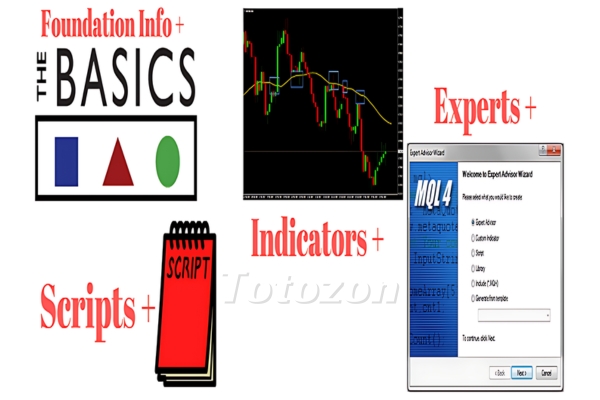 Mql4 Bundle: Basics, Scripts, Indicators, Experts with Jim Hodges
1 × $15.00
Mql4 Bundle: Basics, Scripts, Indicators, Experts with Jim Hodges
1 × $15.00 -
×
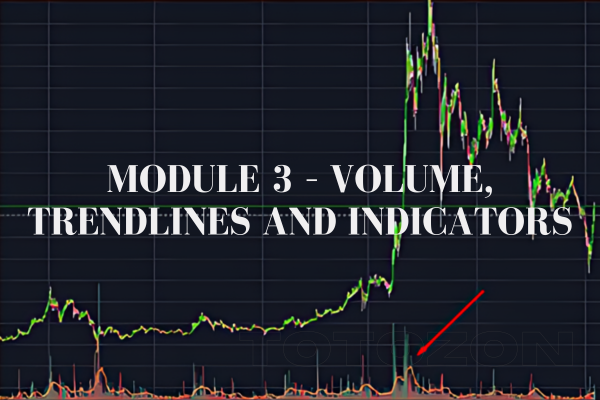 Module 3 – Volume, Trendlines and Indicators
1 × $31.00
Module 3 – Volume, Trendlines and Indicators
1 × $31.00 -
×
 Live Video Revolution
1 × $15.00
Live Video Revolution
1 × $15.00 -
×
 Multi Asset Class Investment Strategy with Guy Fraser-Sampson
1 × $6.00
Multi Asset Class Investment Strategy with Guy Fraser-Sampson
1 × $6.00 -
×
 How to Make 1 Million Per Year Like Larry Williams with Larry Williams
1 × $6.00
How to Make 1 Million Per Year Like Larry Williams with Larry Williams
1 × $6.00 -
×
 W. D Gann 's Square Of 9 Applied To Modern Markets with Sean Avidar - Hexatrade350
1 × $23.00
W. D Gann 's Square Of 9 Applied To Modern Markets with Sean Avidar - Hexatrade350
1 × $23.00 -
×
 Mark Sebastian – Gamma Trading Class
1 × $6.00
Mark Sebastian – Gamma Trading Class
1 × $6.00 -
×
 Elliott Flat Waves CD with David Elliott
1 × $6.00
Elliott Flat Waves CD with David Elliott
1 × $6.00 -
×
 The Way of the Turtle with Curtis Faith
1 × $6.00
The Way of the Turtle with Curtis Faith
1 × $6.00 -
×
 YTC Price Action Trader
1 × $6.00
YTC Price Action Trader
1 × $6.00 -
×
 Traders Edge with Steven Dux
1 × $5.00
Traders Edge with Steven Dux
1 × $5.00 -
×
 Yin Yang Forex Training Program
1 × $85.00
Yin Yang Forex Training Program
1 × $85.00 -
×
 Forex Master Class with Falcon Trading Academy
1 × $5.00
Forex Master Class with Falcon Trading Academy
1 × $5.00 -
×
 The Sixth Market. The Electronic Investor Revolution with Howard Abell
1 × $6.00
The Sixth Market. The Electronic Investor Revolution with Howard Abell
1 × $6.00 -
×
 Jtrader - Risk Management 1on1
1 × $23.00
Jtrader - Risk Management 1on1
1 × $23.00 -
×
 Freak Forex Technicals with Ken FX Freak
1 × $6.00
Freak Forex Technicals with Ken FX Freak
1 × $6.00 -
×
 Construction & Application of the MACD Indicator(video) with Gerald Appel
1 × $4.00
Construction & Application of the MACD Indicator(video) with Gerald Appel
1 × $4.00 -
×
 EZ2 Trade Charting Collection eSignal (ez2tradesoftware.com) - Raghee Horner
1 × $6.00
EZ2 Trade Charting Collection eSignal (ez2tradesoftware.com) - Raghee Horner
1 × $6.00 -
×
 White Phoenix’s The Smart (Money) Approach to Trading with Jayson Casper
1 × $39.00
White Phoenix’s The Smart (Money) Approach to Trading with Jayson Casper
1 × $39.00 -
×
 Inside Strategies for Profiting with Options with Max Ansbacher
1 × $6.00
Inside Strategies for Profiting with Options with Max Ansbacher
1 × $6.00 -
×
 FX GOAT CURRENCIES COURSE 2.0
1 × $13.00
FX GOAT CURRENCIES COURSE 2.0
1 × $13.00 -
×
 Judgemental Trend Following (Audio) with Russell Sands
1 × $6.00
Judgemental Trend Following (Audio) with Russell Sands
1 × $6.00 -
×
 Electronic AGS Trading Workshop with John Carter & Hunert Senters
1 × $6.00
Electronic AGS Trading Workshop with John Carter & Hunert Senters
1 × $6.00 -
×
 Complete Set of Members Area Files
1 × $6.00
Complete Set of Members Area Files
1 × $6.00 -
×
 FOREX GENERATION MASTER COURSE
1 × $6.00
FOREX GENERATION MASTER COURSE
1 × $6.00 -
×
 A Traders Astrological Almanac (2001 – 2006) with Jeanne Long
1 × $6.00
A Traders Astrological Almanac (2001 – 2006) with Jeanne Long
1 × $6.00 -
×
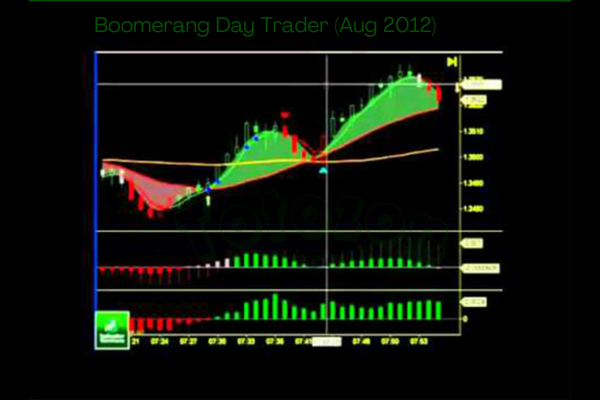 Boomerang Day Trader (Aug 2012)
1 × $54.00
Boomerang Day Trader (Aug 2012)
1 × $54.00 -
×
 Market Maker Strategy Video Course with Fractal Flow Pro
1 × $6.00
Market Maker Strategy Video Course with Fractal Flow Pro
1 × $6.00 -
×
 International Trade & Economic Dynamics with Koji Shimomura
1 × $6.00
International Trade & Economic Dynamics with Koji Shimomura
1 × $6.00 -
×
 The Naked Eye: Raw Data Analytics with Edgar Torres - Raw Data Analytics
1 × $8.00
The Naked Eye: Raw Data Analytics with Edgar Torres - Raw Data Analytics
1 × $8.00 -
×
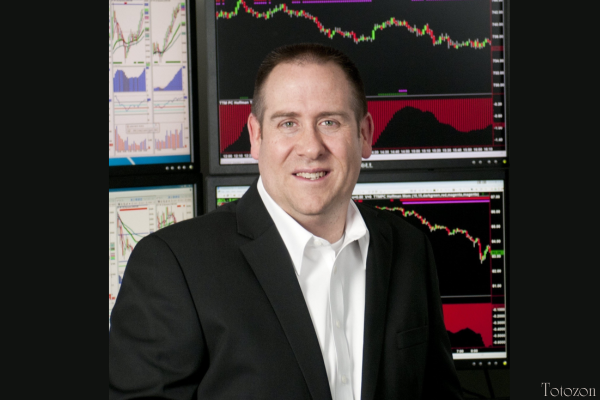 Using Robert’s Indicators with Rob Hoffman
1 × $6.00
Using Robert’s Indicators with Rob Hoffman
1 × $6.00 -
×
 Volume Profile Trading Strategy with Critical Trading
1 × $15.00
Volume Profile Trading Strategy with Critical Trading
1 × $15.00 -
×
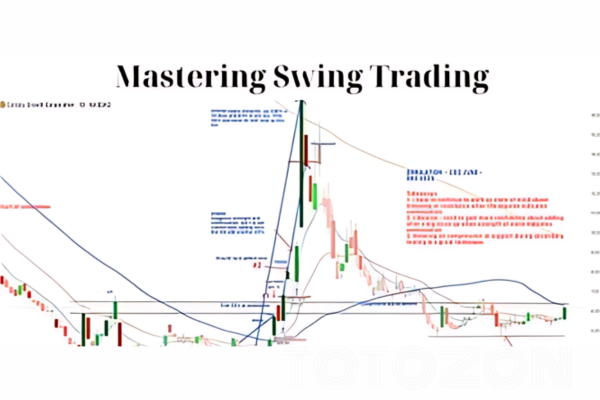 MASTERING SWING TRADING May 2024 with Roman Bogomazov
1 × $194.00
MASTERING SWING TRADING May 2024 with Roman Bogomazov
1 × $194.00 -
×
 The WallStreet Waltz with Ken Fisher
1 × $6.00
The WallStreet Waltz with Ken Fisher
1 × $6.00 -
×
 MOJO TOOLBOX with ProTrader Mike
1 × $23.00
MOJO TOOLBOX with ProTrader Mike
1 × $23.00 -
×
 Forex Commander Package by Amin Sadak
1 × $6.00
Forex Commander Package by Amin Sadak
1 × $6.00 -
×
 Investment Mathematics with Andrew Adams
1 × $6.00
Investment Mathematics with Andrew Adams
1 × $6.00 -
×
 Money & European Union with Stephen Frank Overturf
1 × $6.00
Money & European Union with Stephen Frank Overturf
1 × $6.00 -
×
 Pairs Trading: Quantitative Methods and Analysis with Ganapathy Vidyamurthy
1 × $6.00
Pairs Trading: Quantitative Methods and Analysis with Ganapathy Vidyamurthy
1 × $6.00 -
×
 The Six Sigma Handbook with Thomas Pyzdek
1 × $6.00
The Six Sigma Handbook with Thomas Pyzdek
1 × $6.00 -
×
 Private Seminars
1 × $23.00
Private Seminars
1 × $23.00 -
×
 Base Camp Trading – Bundle 5 Courses
1 × $5.00
Base Camp Trading – Bundle 5 Courses
1 × $5.00 -
×
 How To Successfully Trade The Haggerty 1,2,3 Strategy Home Study Trading Course with Kevin Haggerty
1 × $6.00
How To Successfully Trade The Haggerty 1,2,3 Strategy Home Study Trading Course with Kevin Haggerty
1 × $6.00 -
×
 Commercial Capital Syndication
1 × $54.00
Commercial Capital Syndication
1 × $54.00 -
×
 Basecamptrading - Ichimoku Value Cloud Strategy
1 × $23.00
Basecamptrading - Ichimoku Value Cloud Strategy
1 × $23.00 -
×
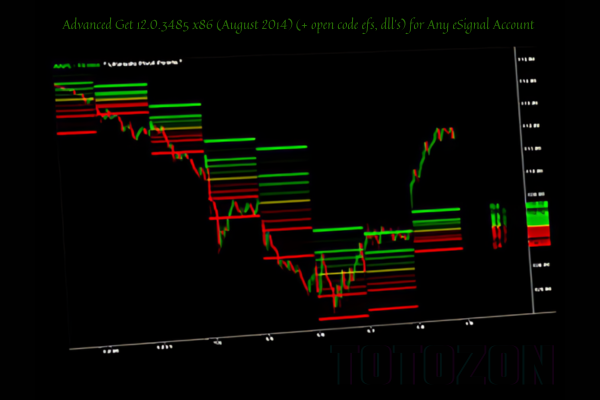 Advanced Get 12.0.3485 x86 (August 2014) (+ open code efs, dll's) for Any eSignal Account
1 × $23.00
Advanced Get 12.0.3485 x86 (August 2014) (+ open code efs, dll's) for Any eSignal Account
1 × $23.00 -
×
 Options Professional Online Webinar (2010-01 – 2010-02) with J.L.Lord
1 × $6.00
Options Professional Online Webinar (2010-01 – 2010-02) with J.L.Lord
1 × $6.00 -
×
 On-Demand Options with Sang Lucci
1 × $6.00
On-Demand Options with Sang Lucci
1 × $6.00 -
×
 Handbook of Computer Vision Algorithms in Image Algebra with Gerhard Ritter & Joseph Wilson
1 × $6.00
Handbook of Computer Vision Algorithms in Image Algebra with Gerhard Ritter & Joseph Wilson
1 × $6.00 -
×
 TRADING NFX Course with Andrew NFX
1 × $5.00
TRADING NFX Course with Andrew NFX
1 × $5.00
Advanced Forex Trading Momentum vs Reversals with Indicators Webinar – Mark Whistler
$6.00
File Size: Coming soon!
Delivery Time: 1–12 hours
Media Type: Online Course
Content Proof: Watch Here!
You may check content proof of “Advanced Forex Trading Momentum vs Reversals with Indicators Webinar – Mark Whistler” below:

Advanced Forex Trading: Momentum vs Reversals with Indicators Webinar by Mark Whistler
Introduction to Advanced Forex Trading
In the fast-paced world of forex trading, understanding the difference between momentum and reversals is crucial for success. Mark Whistler, a seasoned forex trader and educator, offers an insightful webinar on how to leverage indicators to identify and trade these market conditions effectively. This article explores the key concepts and strategies discussed in Whistler’s webinar, providing a comprehensive guide to advanced forex trading.
Who is Mark Whistler?
Expert in Forex Trading
Mark Whistler is a respected figure in the forex trading community, known for his deep knowledge of market dynamics and technical analysis. He has authored several books and conducted numerous webinars aimed at helping traders enhance their skills.
Educational Contributions
Whistler’s educational resources, including webinars, books, and workshops, focus on practical strategies for trading forex. His insights into momentum and reversals are particularly valuable for advanced traders.
Understanding Forex Momentum
What is Momentum in Forex Trading?
Momentum refers to the strength and speed of a price movement in a particular direction. It indicates the continuation of a trend, driven by factors such as market sentiment, economic data, and geopolitical events.
Key Indicators for Momentum
- Relative Strength Index (RSI): Measures the speed and change of price movements.
- Moving Average Convergence Divergence (MACD): Shows the relationship between two moving averages.
- Stochastic Oscillator: Compares a security’s closing price to its price range over a specified period.
Why Trade Momentum?
Trading momentum allows traders to capitalize on strong, sustained price movements. It provides opportunities for significant profits by following the trend until signs of reversal appear.
Understanding Forex Reversals
What is a Reversal in Forex Trading?
A reversal occurs when the price direction changes, signaling the end of a trend and the beginning of a new one. Identifying reversals early can help traders exit positions before losses occur or enter new positions to profit from the emerging trend.
Key Indicators for Reversals
- Bollinger Bands: Identify overbought or oversold conditions.
- Parabolic SAR: Indicates potential reversal points.
- Candlestick Patterns: Such as Doji, Hammer, and Engulfing patterns.
Why Trade Reversals?
Trading reversals can be highly profitable if identified correctly. It allows traders to enter new trends at the beginning, maximizing potential gains while minimizing risks.
Combining Momentum and Reversal Indicators
Synergy of Indicators
Using a combination of momentum and reversal indicators can provide a more comprehensive view of market conditions. This approach helps in confirming signals and reducing false positives.
Example Setup
- Momentum Indicator: Use RSI to confirm the strength of a trend.
- Reversal Indicator: Use Bollinger Bands to identify potential reversal points.
- Confirmation: Wait for a candlestick pattern that supports the reversal signal.
Benefits of Combining Indicators
- Enhanced Accuracy: Combining indicators improves the reliability of signals.
- Reduced Risk: Helps in identifying false signals and avoiding unnecessary trades.
- Increased Profitability: Allows traders to capitalize on both trending and reversing markets.
Strategies for Trading Momentum
Breakout Strategy
Breakout trading involves entering a position when the price breaks through a significant level of support or resistance, indicating strong momentum.
Steps for Breakout Trading
- Identify Key Levels: Use support and resistance levels to find potential breakout points.
- Confirm with Indicators: Use RSI or MACD to confirm the momentum.
- Enter the Trade: Enter the trade once the price breaks the key level with strong volume.
- Set Stop-Loss: Place a stop-loss order below the breakout level to manage risk.
Trend Following Strategy
Trend following involves entering trades in the direction of the prevailing trend, relying on the momentum to continue.
Steps for Trend Following
- Identify the Trend: Use moving averages to determine the trend direction.
- Confirm with Indicators: Use MACD or Stochastic Oscillator to confirm the trend strength.
- Enter the Trade: Enter the trade in the direction of the trend.
- Set Profit Targets: Use previous highs or lows to set realistic profit targets.
Strategies for Trading Reversals
Divergence Strategy
Divergence occurs when the price moves in the opposite direction of an indicator, signaling a potential reversal.
Steps for Divergence Trading
- Identify Divergence: Look for divergence between the price and indicators like RSI or MACD.
- Confirm with Patterns: Use candlestick patterns to confirm the reversal signal.
- Enter the Trade: Enter the trade once the reversal is confirmed.
- Set Stop-Loss: Place a stop-loss order above or below the reversal point.
Fading Strategy
Fading involves trading against the prevailing trend, expecting a reversal.
Steps for Fading
- Identify Overbought/Oversold Conditions: Use Bollinger Bands or RSI to identify extreme conditions.
- Confirm with Reversal Indicators: Use Parabolic SAR or candlestick patterns for confirmation.
- Enter the Trade: Enter the trade against the trend once confirmation is received.
- Set Profit Targets: Use support or resistance levels to set profit targets.
Risk Management in Advanced Forex Trading
Importance of Risk Management
Effective risk management is crucial in advanced forex trading to protect capital and ensure long-term success.
Risk Management Techniques
- Position Sizing: Risk a fixed percentage of your trading capital on each trade.
- Stop-Loss Orders: Use stop-loss orders to limit potential losses.
- Diversification: Spread risk by trading multiple currency pairs and using various strategies.
Maintaining Discipline
Discipline is key to successful forex trading. Stick to your trading plan and avoid emotional decisions.
Strategies for Maintaining Discipline
- Follow Your Plan: Adhere to your predefined trading strategies and rules.
- Avoid Overtrading: Only trade high-probability setups.
- Keep Emotions in Check: Make decisions based on analysis, not emotions.
Practical Tips for Success
Continuous Learning
Stay updated with new strategies, market trends, and trading tools to maintain an edge.
Educational Resources
- Books: Read books on advanced forex trading.
- Online Courses: Enroll in courses that focus on momentum and reversal strategies.
- Webinars: Attend webinars hosted by experienced traders like Mark Whistler.
Networking with Other Traders
Join trading communities to share experiences and learn from others.
Benefits of Networking
- Knowledge Sharing: Exchange ideas and strategies with fellow traders.
- Support: Gain motivation and support from a community of like-minded individuals.
Common Mistakes to Avoid
Ignoring Risk Management
Neglecting risk management can lead to significant losses.
Solution
Always implement stop-loss orders and adhere to your risk management rules.
Chasing Performance
Avoid the temptation to chase the latest high-performing currency pairs.
Solution
Stick to your trading plan and make decisions based on thorough analysis.
Overtrading
Overtrading can lead to increased costs and reduced profitability.
Solution
Limit the number of trades you make per day or week and focus on quality setups.
Conclusion
Advanced forex trading requires a deep understanding of momentum and reversal strategies. Mark Whistler’s webinar provides valuable insights into using indicators to capture profitable trades while managing risk effectively. By combining technical analysis, disciplined execution, and continuous learning, traders can enhance their trading performance and achieve long-term success in the forex market.
FAQs
1. What is momentum in forex trading?
Momentum refers to the strength and speed of a price movement in a particular direction, indicating the continuation of a trend.
2. What is a reversal in forex trading?
A reversal occurs when the price direction changes, signaling the end of a trend and the beginning of a new one.
3. How can indicators help in trading momentum and reversals?
Indicators like RSI, MACD, Bollinger Bands, and candlestick patterns help identify and confirm momentum and reversal signals, improving trading accuracy.
4. Why is risk management important in forex trading?
Risk management protects your capital and ensures long-term success by limiting potential losses and spreading risk.
5. How can I start using momentum and reversal strategies?
Begin by learning about key indicators, developing a trading plan, and practicing with a demo account before trading with real capital.
Be the first to review “Advanced Forex Trading Momentum vs Reversals with Indicators Webinar – Mark Whistler”
You must be logged in to post a review.
Related products

Original price was: $999.00.$5.00Current price is: $5.00.

Forex Trading
Original price was: $249.00.$15.00Current price is: $15.00.

Forex Trading
Original price was: $2,997.00.$23.00Current price is: $23.00.

Forex Trading
Original price was: $550.00.$5.00Current price is: $5.00.

Forex Trading
Original price was: $697.00.$5.00Current price is: $5.00.

Forex Trading
Original price was: $499.00.$15.00Current price is: $15.00.

Original price was: $1,800.00.$54.00Current price is: $54.00.

Forex Trading
Original price was: $999.00.$15.00Current price is: $15.00.

Original price was: $299.00.$8.00Current price is: $8.00.
Original price was: $700.00.$39.00Current price is: $39.00.
Forex Trading
Original price was: $500.00.$5.00Current price is: $5.00.

Forex Trading
Original price was: $799.00.$15.00Current price is: $15.00.

Original price was: $649.00.$20.00Current price is: $20.00.
Original price was: $497.00.$31.00Current price is: $31.00.

Original price was: $695.00.$41.00Current price is: $41.00.
Original price was: $139.00.$23.00Current price is: $23.00.

Original price was: $450.00.$23.00Current price is: $23.00.

Forex Trading
Quantamentals – The Next Great Forefront Of Trading and Investing with Trading Markets
Original price was: $1,495.00.$8.00Current price is: $8.00.

Forex Trading
The Complete Guide to Multiple Time Frame Analysis & Reading Price Action with Aiman Almansoori
Original price was: $1,399.00.$13.00Current price is: $13.00.

Original price was: $895.00.$15.00Current price is: $15.00.

Reviews
There are no reviews yet.