
-
×
 How to Trade in Stocks
1 × $6.00
How to Trade in Stocks
1 × $6.00 -
×
 Profitable Strategies with Gemify Academy
1 × $10.00
Profitable Strategies with Gemify Academy
1 × $10.00 -
×
 NQ Price Action Mastery with Trade Smart
1 × $15.00
NQ Price Action Mastery with Trade Smart
1 × $15.00 -
×
 Kicker Signals with Stephen W.Bigalow
1 × $6.00
Kicker Signals with Stephen W.Bigalow
1 × $6.00 -
×
 Oliver Velez - Core, Swing, Guerrilla, Momentum Trading, Micro Trading Tactics
1 × $23.00
Oliver Velez - Core, Swing, Guerrilla, Momentum Trading, Micro Trading Tactics
1 × $23.00 -
×
 How I Make A Living Daytrading Stocks with David Floyd
1 × $4.00
How I Make A Living Daytrading Stocks with David Floyd
1 × $4.00 -
×
 Stocks and Bonds with Elaine Scott
1 × $6.00
Stocks and Bonds with Elaine Scott
1 × $6.00 -
×
 TRADING NFX Course with Andrew NFX
1 × $5.00
TRADING NFX Course with Andrew NFX
1 × $5.00 -
×
 Become A Quant Trader Bundle with Lachezar Haralampiev & Radoslav Haralampiev - Quant Factory
1 × $17.00
Become A Quant Trader Bundle with Lachezar Haralampiev & Radoslav Haralampiev - Quant Factory
1 × $17.00 -
×
 Developing a Forex Trading Plan Webinar
1 × $6.00
Developing a Forex Trading Plan Webinar
1 × $6.00 -
×
 Options Trading & Ultimate MasterClass With Tyrone Abela - FX Evolution
1 × $54.00
Options Trading & Ultimate MasterClass With Tyrone Abela - FX Evolution
1 × $54.00 -
×
 Crystal Ball Pack PLUS bonus Live Trade By Pat Mitchell - Trick Trades
1 × $20.00
Crystal Ball Pack PLUS bonus Live Trade By Pat Mitchell - Trick Trades
1 × $20.00 -
×
 Candlesticks Explained with Martin Pring
1 × $6.00
Candlesticks Explained with Martin Pring
1 × $6.00 -
×
 The Trading Blueprint with Brad Goh - The Trading Geek
1 × $5.00
The Trading Blueprint with Brad Goh - The Trading Geek
1 × $5.00 -
×
 ICT Prodigy Trading Course – $650K in Payouts with Alex Solignani
1 × $15.00
ICT Prodigy Trading Course – $650K in Payouts with Alex Solignani
1 × $15.00 -
×
 Options Trading Workshop On Demand with Affordable Financial Education
1 × $69.00
Options Trading Workshop On Demand with Affordable Financial Education
1 × $69.00 -
×
 Learn To Trade with Tori Trades
1 × $8.00
Learn To Trade with Tori Trades
1 × $8.00 -
×
 Order flow self-study training program with iMFtracker
1 × $10.00
Order flow self-study training program with iMFtracker
1 × $10.00 -
×
 Electronic Day Traders' Secrets: Learn From the Best of the Best DayTraders with Burton Friedfertig
1 × $6.00
Electronic Day Traders' Secrets: Learn From the Best of the Best DayTraders with Burton Friedfertig
1 × $6.00 -
×
 All About Bonds & Mutual Funds with Esme Faerber
1 × $6.00
All About Bonds & Mutual Funds with Esme Faerber
1 × $6.00 -
×
 Entries & Exits Strategy with The Chart Guys
1 × $6.00
Entries & Exits Strategy with The Chart Guys
1 × $6.00 -
×
 Butterfly and Condor Workshop with Aeromir
1 × $15.00
Butterfly and Condor Workshop with Aeromir
1 × $15.00 -
×
 Guide to Getting Short and Collecting Income with Don Kaufman
1 × $6.00
Guide to Getting Short and Collecting Income with Don Kaufman
1 × $6.00 -
×
 The Trader’s Book of Volume with Mark Leibovit
1 × $6.00
The Trader’s Book of Volume with Mark Leibovit
1 × $6.00 -
×
 Value Investing King of Trading Methods in the Commodity Markets - Hal Masover
1 × $6.00
Value Investing King of Trading Methods in the Commodity Markets - Hal Masover
1 × $6.00 -
×
![Trading The Elliott Wave Indicator (2003) [1 MP4] by Robert Prechter image](https://www.totozon.com/wp-content/uploads/2024/05/Trading-The-Elliott-Wave-Indicator-2003-1-MP4-by-Robert-Prechter-image.png) Trading The Elliott Wave Indicator (2003) [1 MP4] - Robert Prechter
1 × $6.00
Trading The Elliott Wave Indicator (2003) [1 MP4] - Robert Prechter
1 × $6.00 -
×
 Pattern- Price & Time. Using Gann Theory in Trading Systems (2nd Ed.)
1 × $6.00
Pattern- Price & Time. Using Gann Theory in Trading Systems (2nd Ed.)
1 × $6.00 -
×
 The Jupiter Effect with John Gribbin & Stephen Plagemann
1 × $6.00
The Jupiter Effect with John Gribbin & Stephen Plagemann
1 × $6.00 -
×
 Winning – Zodiacal Timing Revised 1980 with Joyce Wehrman
1 × $6.00
Winning – Zodiacal Timing Revised 1980 with Joyce Wehrman
1 × $6.00 -
×
 Dan Sheridan Volatility Class
1 × $6.00
Dan Sheridan Volatility Class
1 × $6.00 -
×
 MACK - PATS Simple ES Scalping Strategy
1 × $15.00
MACK - PATS Simple ES Scalping Strategy
1 × $15.00 -
×
 TradeGuider Education Package
1 × $54.00
TradeGuider Education Package
1 × $54.00 -
×
 The Whale Trade Workshop Plus One Week of Live Trading with Doc Severson
1 × $6.00
The Whale Trade Workshop Plus One Week of Live Trading with Doc Severson
1 × $6.00 -
×
 Buying and Selling Volatility with Kevin B.Connolly
1 × $6.00
Buying and Selling Volatility with Kevin B.Connolly
1 × $6.00 -
×
 FestX Main Online video Course with Clint Fester
1 × $5.00
FestX Main Online video Course with Clint Fester
1 × $5.00 -
×
 Future DayTrading (German)
1 × $6.00
Future DayTrading (German)
1 × $6.00 -
×
 Foreign Exchange Option Pricing: A Practitioner's Guide with Iain Clark
1 × $6.00
Foreign Exchange Option Pricing: A Practitioner's Guide with Iain Clark
1 × $6.00 -
×
 Precise Planetary Timing for Stock Trading
1 × $6.00
Precise Planetary Timing for Stock Trading
1 × $6.00 -
×
 Currency Strategy with Callum Henderson
1 × $6.00
Currency Strategy with Callum Henderson
1 × $6.00 -
×
 Deep Dive Butterfly Trading Strategy Class with SJG Trades
1 × $41.00
Deep Dive Butterfly Trading Strategy Class with SJG Trades
1 × $41.00 -
×
 Price Action Room - The Scalper’s Boot Camp
1 × $15.00
Price Action Room - The Scalper’s Boot Camp
1 × $15.00 -
×
 Futures Trading Mastery 2022 | FREE Top 45 Trading Signals!
1 × $5.00
Futures Trading Mastery 2022 | FREE Top 45 Trading Signals!
1 × $5.00 -
×
 Foundational Chart Analysis Series: Support / Resistance Techniques of Professional Traders 6 DVD Home Study Course
1 × $54.00
Foundational Chart Analysis Series: Support / Resistance Techniques of Professional Traders 6 DVD Home Study Course
1 × $54.00 -
×
 The 3 Dimensional Trading Breakthrough with Brian Schad
1 × $6.00
The 3 Dimensional Trading Breakthrough with Brian Schad
1 × $6.00 -
×
 Selling Options for Income, Profits & Opportunistic Hedge Trading Management with Powercycletrading
1 × $69.00
Selling Options for Income, Profits & Opportunistic Hedge Trading Management with Powercycletrading
1 × $69.00 -
×
 Regression Diagnostics: Identifying Influential Data and Sources of Collinearity with David Belsey, Edwin Kuh & Roy Welsch
1 × $6.00
Regression Diagnostics: Identifying Influential Data and Sources of Collinearity with David Belsey, Edwin Kuh & Roy Welsch
1 × $6.00 -
×
 Cheat Code Trading System
1 × $13.00
Cheat Code Trading System
1 × $13.00 -
×
 Market Makers Method Forex Trading with Nick Nechanicky
1 × $5.00
Market Makers Method Forex Trading with Nick Nechanicky
1 × $5.00 -
×
 ART Online 4 Weeks Home Study Course with Bennett McDowell
1 × $78.00
ART Online 4 Weeks Home Study Course with Bennett McDowell
1 × $78.00 -
×
 Physicists on Wall Street and Other Essays on Science and Society with Jeremy Bernstein
1 × $6.00
Physicists on Wall Street and Other Essays on Science and Society with Jeremy Bernstein
1 × $6.00 -
×
 ShredderFX Compete Courses & Indicators
1 × $6.00
ShredderFX Compete Courses & Indicators
1 × $6.00 -
×
 Design for Six Sigma with Subir Chowdhury
1 × $6.00
Design for Six Sigma with Subir Chowdhury
1 × $6.00 -
×
 PPC Lead Pro Training Program
1 × $31.00
PPC Lead Pro Training Program
1 × $31.00 -
×
 Masterclass 3.0 with RockzFX Academy
1 × $6.00
Masterclass 3.0 with RockzFX Academy
1 × $6.00 -
×
 SRC (Smart Raja Concepts) with Forex 101
1 × $5.00
SRC (Smart Raja Concepts) with Forex 101
1 × $5.00 -
×
 How I use Technical Analysis & Orderflow with Adam Webb - Traderskew
1 × $54.00
How I use Technical Analysis & Orderflow with Adam Webb - Traderskew
1 × $54.00 -
×
 Applied Quantitative Methods for Trading and Investment with Christian Dunis, Jason Laws & Patrick Na¿m
1 × $6.00
Applied Quantitative Methods for Trading and Investment with Christian Dunis, Jason Laws & Patrick Na¿m
1 × $6.00 -
×
 Wheels of Gann. Top Secret Forecast Guide with Pat Reda
1 × $6.00
Wheels of Gann. Top Secret Forecast Guide with Pat Reda
1 × $6.00 -
×
 The Compleat Day Trader with Jake Bernstein
1 × $6.00
The Compleat Day Trader with Jake Bernstein
1 × $6.00 -
×
 Day Trading Institution 2.0 with Raul Gonzalez
1 × $5.00
Day Trading Institution 2.0 with Raul Gonzalez
1 × $5.00 -
×
 Grand Slam Options
1 × $23.00
Grand Slam Options
1 × $23.00 -
×
 Scalp Strategy and Flipping Small Accounts with Opes Trading Group
1 × $5.00
Scalp Strategy and Flipping Small Accounts with Opes Trading Group
1 × $5.00 -
×
 High Rollers Mega Course Bundle - 13 Market Moves
1 × $39.00
High Rollers Mega Course Bundle - 13 Market Moves
1 × $39.00 -
×
 Advanced Pattern Trader Course with Trade Empowered
1 × $23.00
Advanced Pattern Trader Course with Trade Empowered
1 × $23.00 -
×
 Option, Futures and Other Derivates 9th Edition
1 × $6.00
Option, Futures and Other Derivates 9th Edition
1 × $6.00 -
×
 Daytrade (Italian) with Guiuseppe Migliorino
1 × $6.00
Daytrade (Italian) with Guiuseppe Migliorino
1 × $6.00 -
×
![Robert Miner-Complete Price Tutorial Series [5 Videos (AVI)] img](https://www.totozon.com/wp-content/uploads/2024/05/Robert-Miner-Complete-Price-Tutorial-Series-5-Videos-AVI-img.png) Robert Miner-Complete Price Tutorial Series [5 Videos (AVI)]
1 × $6.00
Robert Miner-Complete Price Tutorial Series [5 Videos (AVI)]
1 × $6.00 -
×
 Forecast 2024 Clarification with Larry Williams
1 × $15.00
Forecast 2024 Clarification with Larry Williams
1 × $15.00 -
×
 The Python for Traders Masterclass with Mr James
1 × $10.00
The Python for Traders Masterclass with Mr James
1 × $10.00 -
×
 Investing with Exchange Traded Funds Made Easy with Marvin Appel
1 × $6.00
Investing with Exchange Traded Funds Made Easy with Marvin Appel
1 × $6.00 -
×
 All Weather Butterfly Program - A Deep Dive With Dan Sheridan
1 × $31.00
All Weather Butterfly Program - A Deep Dive With Dan Sheridan
1 × $31.00 -
×
 LARGE CAP MOMENTUM STRATEGY with Nick Radge
1 × $179.00
LARGE CAP MOMENTUM STRATEGY with Nick Radge
1 × $179.00 -
×
 The New Science of Asset Allocation with Thomas Schneeweis
1 × $6.00
The New Science of Asset Allocation with Thomas Schneeweis
1 × $6.00 -
×
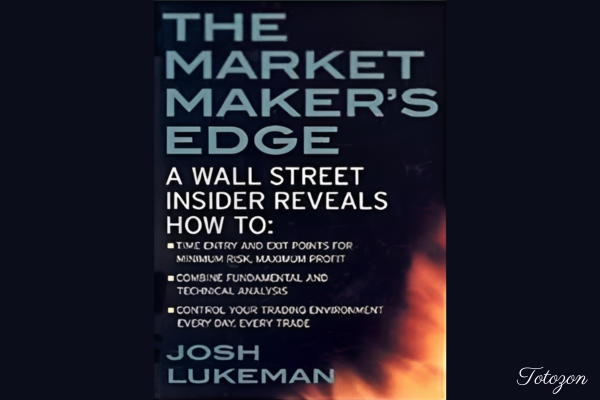 The Market Maker’s Edge with Josh Lukeman
1 × $6.00
The Market Maker’s Edge with Josh Lukeman
1 × $6.00 -
×
 Beginners Guide To Technical Analysis with Henry Gambell
1 × $15.00
Beginners Guide To Technical Analysis with Henry Gambell
1 × $15.00 -
×
 Iron Condors in a Volatile Market 2022 with Dan Sheridan - Sheridan Options Mentoring
1 × $46.00
Iron Condors in a Volatile Market 2022 with Dan Sheridan - Sheridan Options Mentoring
1 × $46.00 -
×
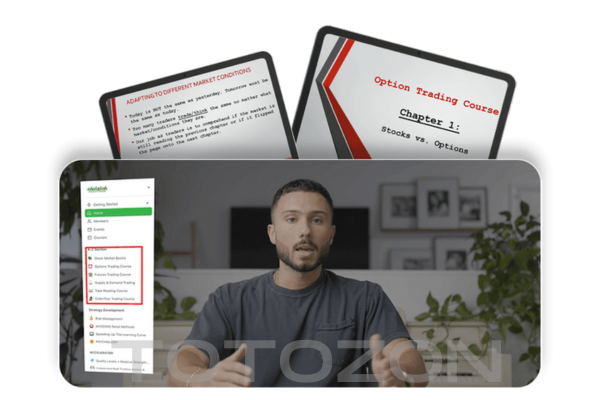 A- Z Educational Trading Course with InvestiTrade
1 × $39.00
A- Z Educational Trading Course with InvestiTrade
1 × $39.00 -
×
 Advanced Management Strategies - Home Study with Pristine Capital
1 × $27.00
Advanced Management Strategies - Home Study with Pristine Capital
1 × $27.00 -
×
 The Options Applications Handbook: Hedging and Speculating Techniques for Professional Investors - Erik Banks & Paul Siegel
1 × $6.00
The Options Applications Handbook: Hedging and Speculating Techniques for Professional Investors - Erik Banks & Paul Siegel
1 × $6.00 -
×
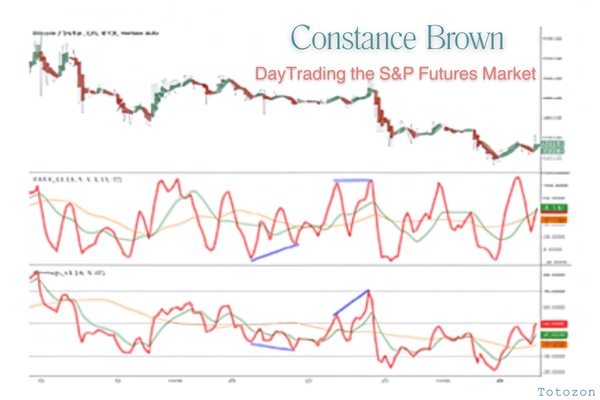 DayTrading the S&P Futures Market with Constance Brown
1 × $6.00
DayTrading the S&P Futures Market with Constance Brown
1 × $6.00 -
×
 Portfolio Management using Machine Learning: Hierarchical Risk Parity
1 × $39.00
Portfolio Management using Machine Learning: Hierarchical Risk Parity
1 × $39.00 -
×
 A Litle Keltner, a Litle Wycoff and of lot of Street Smarts with Linda Raschke
1 × $6.00
A Litle Keltner, a Litle Wycoff and of lot of Street Smarts with Linda Raschke
1 × $6.00 -
×
 DNA Wealth Blueprint 3 (Complete)
1 × $54.00
DNA Wealth Blueprint 3 (Complete)
1 × $54.00 -
×
 Dan Sheridan Options Mentoring Weekly Webinars
1 × $6.00
Dan Sheridan Options Mentoring Weekly Webinars
1 × $6.00 -
×
 Advanced Options Concepts - Probability, Greeks, Simulation
1 × $6.00
Advanced Options Concepts - Probability, Greeks, Simulation
1 × $6.00 -
×
 Trading double Diagonals 2023 with Dan Sheridan - Sheridan Options Mentoring
1 × $39.00
Trading double Diagonals 2023 with Dan Sheridan - Sheridan Options Mentoring
1 × $39.00 -
×
 OPTIONS FOR BEGINNERS
1 × $6.00
OPTIONS FOR BEGINNERS
1 × $6.00 -
×
 0 DTE Options Trading Workshop with Aeromir Corporation
1 × $15.00
0 DTE Options Trading Workshop with Aeromir Corporation
1 × $15.00 -
×
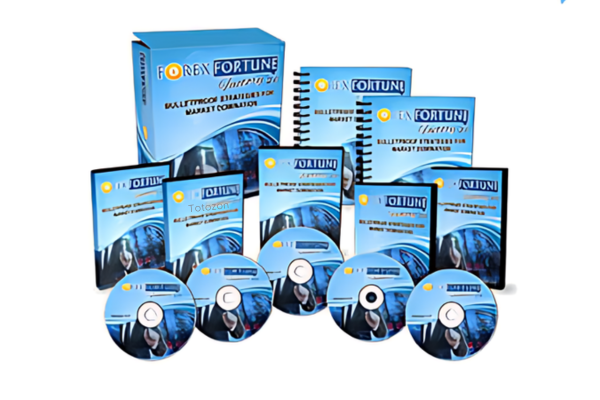 Forex Fortune Factory with Nehemiah Douglass & Cottrell Phillip
1 × $5.00
Forex Fortune Factory with Nehemiah Douglass & Cottrell Phillip
1 × $5.00 -
×
 Consistent Intraday Strategies and Setups Class with Don Kaufman
1 × $6.00
Consistent Intraday Strategies and Setups Class with Don Kaufman
1 × $6.00 -
×
 A Plan to make $3k Monthly on $25k with Short Term Trades with Dan Sheridan
1 × $23.00
A Plan to make $3k Monthly on $25k with Short Term Trades with Dan Sheridan
1 × $23.00 -
×
 Stock Patterns for Day Trading Home Study Course
1 × $23.00
Stock Patterns for Day Trading Home Study Course
1 × $23.00 -
×
 Humbled Trader Academy
1 × $5.00
Humbled Trader Academy
1 × $5.00 -
×
 How To Read The Market Professionally with TradeSmart
1 × $27.00
How To Read The Market Professionally with TradeSmart
1 × $27.00
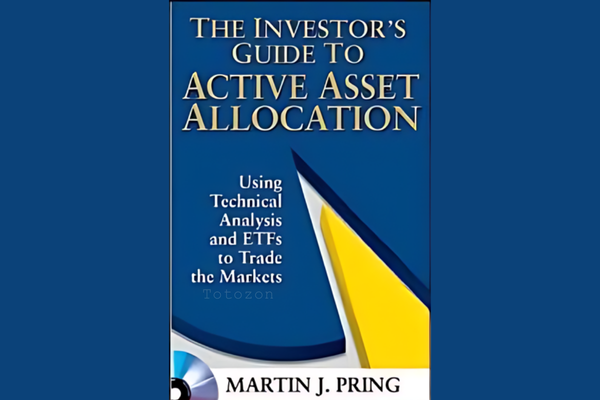
The Investors Guide to Active Asset Allocation with Martin Pring
$6.00
File Size: Coming soon!
Delivery Time: 1–12 hours
Media Type: Online Course
Content Proof: Watch Here!
You may check content proof of “The Investors Guide to Active Asset Allocation with Martin Pring” below:
The Investor’s Guide to Active Asset Allocation with Martin Pring
Navigating the financial markets can be daunting, but Martin Pring’s insights on active asset allocation can provide a strategic edge. In this guide, we’ll explore the principles and strategies behind active asset allocation and how we can apply them to optimize our investment portfolios.
Understanding Active Asset Allocation
What is Active Asset Allocation?
Active asset allocation involves continuously adjusting the proportions of different asset classes in a portfolio based on market conditions and economic trends. This dynamic approach contrasts with passive asset allocation, where proportions remain fixed.
The Importance of Active Asset Allocation
Active asset allocation aims to enhance returns and manage risk by responding to changing market environments. It allows investors to capitalize on opportunities and avoid potential downturns.
Core Principles of Active Asset Allocation
Diversification
Diversification involves spreading investments across various asset classes, such as stocks, bonds, and commodities, to reduce risk. A well-diversified portfolio can weather market volatility more effectively.
Market Analysis
Active asset allocation requires thorough market analysis, including technical and fundamental analysis. Understanding market trends, economic indicators, and geopolitical events is crucial for making informed decisions.
Risk Management
Effective risk management involves identifying, assessing, and mitigating risks. This can include setting stop-loss orders, adjusting asset allocations based on market conditions, and continuously monitoring the portfolio.
Martin Pring’s Strategies for Active Asset Allocation
Technical Analysis
Martin Pring is a pioneer in technical analysis, which involves studying historical market data to forecast future price movements. Technical indicators, such as moving averages and relative strength index (RSI), can help identify trends and entry/exit points.
Cycle Analysis
Pring emphasizes the importance of understanding market cycles. Recognizing the phases of bull and bear markets can help investors adjust their asset allocations to maximize returns and minimize risks.
Economic Indicators
Monitoring economic indicators, such as GDP growth, inflation rates, and unemployment figures, provides insights into the broader economic environment. These indicators can influence asset class performance and guide allocation decisions.
Sentiment Analysis
Sentiment analysis involves gauging investor sentiment through surveys, social media, and market data. Understanding market sentiment can help anticipate market movements and adjust allocations accordingly.
Implementing Active Asset Allocation
Developing a Strategy
Creating a clear and actionable strategy is essential. This strategy should outline investment goals, risk tolerance, and the criteria for adjusting asset allocations.
Regular Portfolio Reviews
Regularly reviewing and rebalancing the portfolio ensures that asset allocations remain aligned with market conditions and investment goals. This practice helps maintain an optimal risk-return balance.
Staying Informed
Staying informed about market trends, economic developments, and geopolitical events is crucial for active asset allocation. Continuous learning and adaptation are key to staying ahead.
Benefits of Active Asset Allocation
Enhanced Returns
By actively adjusting asset allocations based on market conditions, investors can potentially achieve higher returns compared to a passive strategy.
Risk Mitigation
Active asset allocation allows for proactive risk management, helping to avoid significant losses during market downturns.
Flexibility
This approach offers flexibility to adapt to changing market environments, allowing investors to seize opportunities and mitigate risks more effectively.
Challenges of Active Asset Allocation
Complexity
Active asset allocation can be complex and time-consuming, requiring continuous monitoring and analysis of market conditions.
Costs
Frequent trading and portfolio adjustments can lead to higher transaction costs, which may impact overall returns.
Emotional Discipline
Staying disciplined and avoiding emotional decisions is crucial. Emotional reactions to market fluctuations can lead to poor investment choices.
Practical Tips for Active Asset Allocation
Set Clear Goals
Define your investment goals and risk tolerance. Knowing what you aim to achieve helps guide your allocation decisions.
Use Technical and Fundamental Analysis
Combine technical and fundamental analysis to make informed decisions. This approach provides a comprehensive view of market conditions.
Monitor Economic Indicators
Keep an eye on key economic indicators. These indicators provide valuable insights into the broader economic environment and asset class performance.
Stay Flexible
Be prepared to adjust your strategy as market conditions change. Flexibility is crucial for capitalizing on opportunities and mitigating risks.
Consult a Financial Advisor
Working with a financial advisor can provide valuable insights and help develop a robust active asset allocation strategy tailored to your goals.
Conclusion
Active asset allocation, as championed by Martin Pring, offers a dynamic approach to investing that can enhance returns and manage risk. By understanding and applying the principles of diversification, market analysis, risk management, and staying informed, we can optimize our portfolios and achieve our financial goals. Remember, the key to successful investing lies in continuous learning, adaptation, and maintaining emotional discipline.
FAQs
1. What is the difference between active and passive asset allocation?
Active asset allocation involves continuously adjusting asset proportions based on market conditions, while passive asset allocation keeps proportions fixed.
2. How does technical analysis help in active asset allocation?
Technical analysis helps identify market trends and entry/exit points, guiding allocation adjustments to optimize returns.
3. Why is diversification important in active asset allocation?
Diversification spreads risk across various asset classes, reducing the impact of market volatility on the overall portfolio.
4. What role do economic indicators play in active asset allocation?
Economic indicators provide insights into the broader economic environment, influencing asset class performance and guiding allocation decisions.
5. How can I manage emotions while practicing active asset allocation?
Maintain discipline, stick to your strategy, and avoid making impulsive decisions based on short-term market fluctuations.
Be the first to review “The Investors Guide to Active Asset Allocation with Martin Pring”
You must be logged in to post a review.
Related products

Original price was: $4,995.00.$15.00Current price is: $15.00.

Original price was: $497.00.$11.00Current price is: $11.00.

Original price was: $997.00.$13.00Current price is: $13.00.
Original price was: $2,120.00.$15.00Current price is: $15.00.
Forex Trading
Original price was: $697.00.$5.00Current price is: $5.00.

Forex Trading
Quantamentals – The Next Great Forefront Of Trading and Investing with Trading Markets
Original price was: $1,495.00.$8.00Current price is: $8.00.

Forex Trading
Original price was: $2,997.00.$23.00Current price is: $23.00.

Forex Trading
Original price was: $2,000.00.$23.00Current price is: $23.00.

Forex Trading
Original price was: $2,995.00.$31.00Current price is: $31.00.

Forex Trading
Original price was: $550.00.$5.00Current price is: $5.00.

Original price was: $799.00.$15.00Current price is: $15.00.

Forex Trading
Original price was: $499.00.$15.00Current price is: $15.00.
Forex Trading
Original price was: $500.00.$5.00Current price is: $5.00.
Forex Trading
Original price was: $249.00.$15.00Current price is: $15.00.

Original price was: $895.00.$15.00Current price is: $15.00.
Original price was: $1,800.00.$54.00Current price is: $54.00.

Forex Trading
Original price was: $797.00.$10.00Current price is: $10.00.
Forex Trading
Original price was: $4,997.00.$27.00Current price is: $27.00.

Original price was: $1,200.00.$23.00Current price is: $23.00.
Original price was: $999.00.$5.00Current price is: $5.00.
Reviews
There are no reviews yet.