
-
×
 Trading Short TermSame Day Trades Sep 2023 with Dan Sheridan & Mark Fenton - Sheridan Options Mentoring
1 × $31.00
Trading Short TermSame Day Trades Sep 2023 with Dan Sheridan & Mark Fenton - Sheridan Options Mentoring
1 × $31.00 -
×
 An Empirical Ananlysis of Stock Market Sentiment (Article) with Andrea Terzi
1 × $6.00
An Empirical Ananlysis of Stock Market Sentiment (Article) with Andrea Terzi
1 × $6.00 -
×
 Profinacci Complete Course with Stephen A.Pierce
1 × $6.00
Profinacci Complete Course with Stephen A.Pierce
1 × $6.00 -
×
 Get 95% Win Rate With The Triple Candy Method - Eden
1 × $5.00
Get 95% Win Rate With The Triple Candy Method - Eden
1 × $5.00 -
×
 Algo Trading Masterclass with Ali Casey - StatOasis
1 × $23.00
Algo Trading Masterclass with Ali Casey - StatOasis
1 × $23.00 -
×
 Project Gorilla
1 × $5.00
Project Gorilla
1 × $5.00 -
×
 Advanced Trader with Nikos Trading Academy
1 × $5.00
Advanced Trader with Nikos Trading Academy
1 × $5.00 -
×
 FasTrack Premium with Note Conference
1 × $78.00
FasTrack Premium with Note Conference
1 × $78.00 -
×
 Get Rich with Dividends
1 × $6.00
Get Rich with Dividends
1 × $6.00 -
×
 Forex Mentor Seminar with Peter Bain
1 × $6.00
Forex Mentor Seminar with Peter Bain
1 × $6.00 -
×
 Secrets of the Trading Pros with Jack Bouroudjan & Terrence Duffy
1 × $6.00
Secrets of the Trading Pros with Jack Bouroudjan & Terrence Duffy
1 × $6.00 -
×
 Collection of Articles and Webinars with Sunil Mangwani [9 Videos (FLVs) + 14 eBooks
1 × $6.00
Collection of Articles and Webinars with Sunil Mangwani [9 Videos (FLVs) + 14 eBooks
1 × $6.00 -
×
 Advanced Strategies for Option Trading Success with James Bittman
1 × $6.00
Advanced Strategies for Option Trading Success with James Bittman
1 × $6.00 -
×
 Trend Trader PRO Suite Training Course
1 × $5.00
Trend Trader PRO Suite Training Course
1 × $5.00 -
×
 Market Structure Matters with Haim Bodek
1 × $62.00
Market Structure Matters with Haim Bodek
1 × $62.00 -
×
 The 80% Solution S&P Systems with Bruce Babcock
1 × $6.00
The 80% Solution S&P Systems with Bruce Babcock
1 × $6.00 -
×
 Active Beta Indexes with Khalid Ghayur
1 × $6.00
Active Beta Indexes with Khalid Ghayur
1 × $6.00 -
×
 The Naked Eye: Raw Data Analytics with Edgar Torres - Raw Data Analytics
1 × $8.00
The Naked Eye: Raw Data Analytics with Edgar Torres - Raw Data Analytics
1 × $8.00 -
×
 Storehouse Tutorial Group Videos
1 × $23.00
Storehouse Tutorial Group Videos
1 × $23.00 -
×
 Algo Trading Strategies 2017 with Autotrading Academy
1 × $6.00
Algo Trading Strategies 2017 with Autotrading Academy
1 × $6.00 -
×
 3 Day Master Advanced Workshop Seminar (Video & Manuals 8.48 GB)
1 × $6.00
3 Day Master Advanced Workshop Seminar (Video & Manuals 8.48 GB)
1 × $6.00 -
×
 Investing In KLSE Stocks and Futures With Japanese Candlestick with Fred Tam
1 × $6.00
Investing In KLSE Stocks and Futures With Japanese Candlestick with Fred Tam
1 × $6.00 -
×
 OTC Oracle Course - PENNY WHALE with Simple Trade
1 × $31.00
OTC Oracle Course - PENNY WHALE with Simple Trade
1 × $31.00 -
×
 5 Basic Elliott Wave Patterns + Technical Tools = Trading Success with Jeffrey Kennedy
1 × $15.00
5 Basic Elliott Wave Patterns + Technical Tools = Trading Success with Jeffrey Kennedy
1 × $15.00 -
×
 Essentials in Quantitative Trading QT01 By HangukQuant's
1 × $23.00
Essentials in Quantitative Trading QT01 By HangukQuant's
1 × $23.00 -
×
 0 DTE Options Trading Workshop with Aeromir Corporation
1 × $15.00
0 DTE Options Trading Workshop with Aeromir Corporation
1 × $15.00 -
×
 TradeCraft: Your Path to Peak Performance Trading By Adam Grimes
1 × $15.00
TradeCraft: Your Path to Peak Performance Trading By Adam Grimes
1 × $15.00 -
×
 Lazy Gap Trader Course with David Frost
1 × $6.00
Lazy Gap Trader Course with David Frost
1 × $6.00 -
×
 Profit in the Futures Markets! with Jack Bernstein
1 × $6.00
Profit in the Futures Markets! with Jack Bernstein
1 × $6.00 -
×
 Sang Lucci Master Course 2021 with Sang Lucci
1 × $6.00
Sang Lucci Master Course 2021 with Sang Lucci
1 × $6.00 -
×
 4-Hour Income Strategy with Todd Mitchell & Craig Hill
1 × $62.00
4-Hour Income Strategy with Todd Mitchell & Craig Hill
1 × $62.00 -
×
 Quantitative Trading Strategies (1st Edition) with Lars Kestner
1 × $6.00
Quantitative Trading Strategies (1st Edition) with Lars Kestner
1 × $6.00 -
×
 Simulating Continuous Fuzzy Systems with James Buckley & Leonard Jowers
1 × $6.00
Simulating Continuous Fuzzy Systems with James Buckley & Leonard Jowers
1 × $6.00 -
×
 Street-Smart Chart Reading – Volume 2 – Digging Deeper with Donald G.Worden
1 × $6.00
Street-Smart Chart Reading – Volume 2 – Digging Deeper with Donald G.Worden
1 × $6.00 -
×
 Complete Series
1 × $31.00
Complete Series
1 × $31.00 -
×
 The Best of the Professional Traders Journal. Market Timing with Larry Connors
1 × $6.00
The Best of the Professional Traders Journal. Market Timing with Larry Connors
1 × $6.00 -
×
 Traders Classroom Collection Volume 1-4 with Jeffrey Kennedy
1 × $15.00
Traders Classroom Collection Volume 1-4 with Jeffrey Kennedy
1 × $15.00 -
×
 George Bayer Squarring the Circle for Excel
1 × $6.00
George Bayer Squarring the Circle for Excel
1 × $6.00 -
×
 Bond Market Course with The Macro Compass
1 × $15.00
Bond Market Course with The Macro Compass
1 × $15.00 -
×
 Gap Trading for Stock and Options Traders with Damon Verial
1 × $6.00
Gap Trading for Stock and Options Traders with Damon Verial
1 × $6.00 -
×
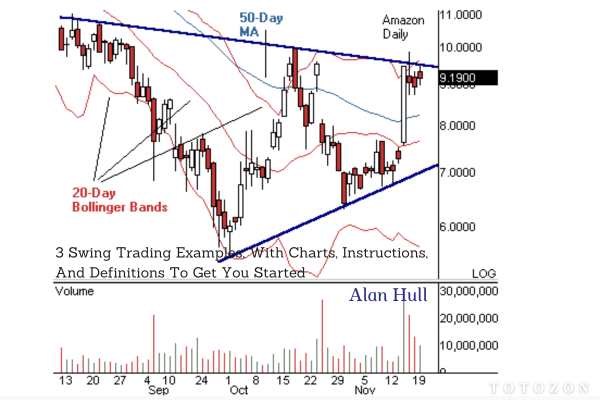 3 Swing Trading Examples, With Charts, Instructions, And Definitions To Get You Started by Alan Farley
1 × $6.00
3 Swing Trading Examples, With Charts, Instructions, And Definitions To Get You Started by Alan Farley
1 × $6.00 -
×
 Forecast, Filings, & News with Jtrader
1 × $6.00
Forecast, Filings, & News with Jtrader
1 × $6.00 -
×
 Divorcing the Dow: Using Revolutionary Market Indicators to Profit from the Stealth Boom Ahead - Jim Troup & Sharon Michalsky
1 × $6.00
Divorcing the Dow: Using Revolutionary Market Indicators to Profit from the Stealth Boom Ahead - Jim Troup & Sharon Michalsky
1 × $6.00 -
×
 High Probability Patterns and Rule Based Trading with Jake Bernstein
1 × $6.00
High Probability Patterns and Rule Based Trading with Jake Bernstein
1 × $6.00 -
×
 Systems Trading for Spread Betting: An end-to-end guide for developing spread betting systems with Gary Ford
1 × $6.00
Systems Trading for Spread Betting: An end-to-end guide for developing spread betting systems with Gary Ford
1 × $6.00 -
×
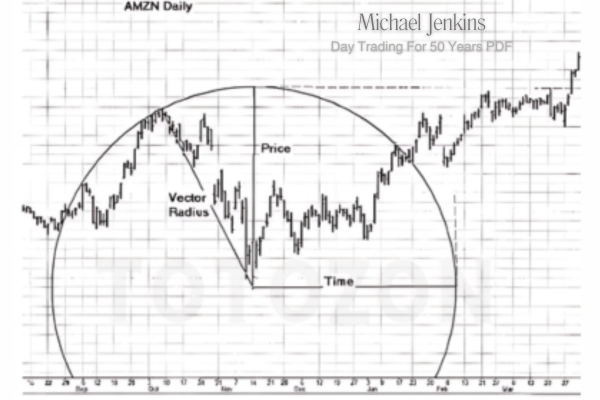 Day Trading For 50 Years PDF with Michael Jenkins
1 × $6.00
Day Trading For 50 Years PDF with Michael Jenkins
1 × $6.00 -
×
 The Orderflow Masterclass with PrimeTrading
1 × $17.00
The Orderflow Masterclass with PrimeTrading
1 × $17.00 -
×
 Advanced Trading Applications of Candlestick Charting with Gary S.Wagner & Bradley L.Matheny
1 × $6.00
Advanced Trading Applications of Candlestick Charting with Gary S.Wagner & Bradley L.Matheny
1 × $6.00 -
×
 NQ Price Action Mastery with Trade Smart
1 × $15.00
NQ Price Action Mastery with Trade Smart
1 × $15.00 -
×
 The Kiloby Inquiries Online with Scott Kiloby
1 × $39.00
The Kiloby Inquiries Online with Scott Kiloby
1 × $39.00 -
×
 Introduction to Probability with Charles M.Grinstead, J.Laurie Snell
1 × $6.00
Introduction to Probability with Charles M.Grinstead, J.Laurie Snell
1 × $6.00 -
×
 Mql4 Bundle: Basics, Scripts, Indicators, Experts with Jim Hodges
1 × $15.00
Mql4 Bundle: Basics, Scripts, Indicators, Experts with Jim Hodges
1 × $15.00 -
×
 Selected Articles by the Late by George Lindsay
1 × $6.00
Selected Articles by the Late by George Lindsay
1 × $6.00 -
×
 Trading the Post with Ron Friedman
1 × $5.00
Trading the Post with Ron Friedman
1 × $5.00 -
×
 The Reducing Risk and Maximizing Returns Blueprint (Atomic Hedge Strategy) with Don Kaufman
1 × $6.00
The Reducing Risk and Maximizing Returns Blueprint (Atomic Hedge Strategy) with Don Kaufman
1 × $6.00 -
×
 Million Dollar Stock Market Idea with Larry Williams
1 × $6.00
Million Dollar Stock Market Idea with Larry Williams
1 × $6.00 -
×
 Investing Smart. How to Pick Stocks with Investors Business Daily By Dhun H.Sethna
1 × $4.00
Investing Smart. How to Pick Stocks with Investors Business Daily By Dhun H.Sethna
1 × $4.00 -
×
 Volume Profile 2023 (Elite Pack) with Trader Dale
1 × $5.00
Volume Profile 2023 (Elite Pack) with Trader Dale
1 × $5.00 -
×
 Options Made Easy: Learn to Trade Stock Options
1 × $6.00
Options Made Easy: Learn to Trade Stock Options
1 × $6.00 -
×
 The Aggressive Investor. Case Studies with Colin Nicholson
1 × $6.00
The Aggressive Investor. Case Studies with Colin Nicholson
1 × $6.00 -
×
 Psycho-Paper 96 with Charles Drummond
1 × $6.00
Psycho-Paper 96 with Charles Drummond
1 × $6.00 -
×
 Day Trading 101 How To Day Trade Stocks for Passive Income
1 × $6.00
Day Trading 101 How To Day Trade Stocks for Passive Income
1 × $6.00 -
×
 KP Trading Room w/ Paladin and JadeCapFX
1 × $5.00
KP Trading Room w/ Paladin and JadeCapFX
1 × $5.00 -
×
 AI For Traders with Trading Markets
1 × $31.00
AI For Traders with Trading Markets
1 × $31.00 -
×
 RSI Unleashed: Building a Comprehensive Trading Framework By Doc Severson
1 × $6.00
RSI Unleashed: Building a Comprehensive Trading Framework By Doc Severson
1 × $6.00 -
×
 Fundamentals of Futures & Options Markets (4th Ed.)
1 × $6.00
Fundamentals of Futures & Options Markets (4th Ed.)
1 × $6.00 -
×
 Handbook on the Knowledge Economy with David Rooney
1 × $6.00
Handbook on the Knowledge Economy with David Rooney
1 × $6.00 -
×
 30 Trading Classics with 3T Live
1 × $5.00
30 Trading Classics with 3T Live
1 × $5.00 -
×
 Candlestick Patterns to Master Forex Trading Price Action with Federico Sellitti
1 × $6.00
Candlestick Patterns to Master Forex Trading Price Action with Federico Sellitti
1 × $6.00 -
×
 RSI Basic with Andrew Cardwell
1 × $54.00
RSI Basic with Andrew Cardwell
1 × $54.00 -
×
 Pete Fader VSA Course
1 × $6.00
Pete Fader VSA Course
1 × $6.00 -
×
 Seasonality. Systems, Strategies & Signals
1 × $6.00
Seasonality. Systems, Strategies & Signals
1 × $6.00 -
×
 Stock Market Rules (2nd Ed.) with Michael Sheimo
1 × $6.00
Stock Market Rules (2nd Ed.) with Michael Sheimo
1 × $6.00 -
×
 Natural Squares Calculator with Lambert-Gann Educators
1 × $6.00
Natural Squares Calculator with Lambert-Gann Educators
1 × $6.00 -
×
 Four Dimensional Stock Market Structures & Cycles with Bradley Cowan
1 × $6.00
Four Dimensional Stock Market Structures & Cycles with Bradley Cowan
1 × $6.00 -
×
 Kaizen On-Demand By Candle Charts
1 × $6.00
Kaizen On-Demand By Candle Charts
1 × $6.00 -
×
 Art & Science of Trend Trading Class with Jeff Bierman
1 × $6.00
Art & Science of Trend Trading Class with Jeff Bierman
1 × $6.00 -
×
 Fierce 10 with Mandi Rafsendjani
1 × $5.00
Fierce 10 with Mandi Rafsendjani
1 × $5.00 -
×
 Adx Mastery Complete Course
1 × $6.00
Adx Mastery Complete Course
1 × $6.00 -
×
 Compass Trading System with Right Line Trading
1 × $39.00
Compass Trading System with Right Line Trading
1 × $39.00 -
×
 A Conservative Plan to Make $3K Monthly on $25K with Dan Sheridan – Sheridan Options Mentoring
1 × $23.00
A Conservative Plan to Make $3K Monthly on $25K with Dan Sheridan – Sheridan Options Mentoring
1 × $23.00 -
×
 Japanese Trading Systems with Tradesmart University
1 × $9.00
Japanese Trading Systems with Tradesmart University
1 × $9.00 -
×
 Ultimate Trading Course with Dodgy's Dungeon
1 × $8.00
Ultimate Trading Course with Dodgy's Dungeon
1 × $8.00 -
×
 Quant Edge with T3 Live
1 × $6.00
Quant Edge with T3 Live
1 × $6.00 -
×
 LARGE CAP MOMENTUM STRATEGY with Nick Radge
1 × $179.00
LARGE CAP MOMENTUM STRATEGY with Nick Radge
1 × $179.00 -
×
 Practical Approach to Amibroker Backtesting with Rajandran R
1 × $6.00
Practical Approach to Amibroker Backtesting with Rajandran R
1 × $6.00 -
×
 Butterfly and Condor Workshop with Aeromir
1 × $15.00
Butterfly and Condor Workshop with Aeromir
1 × $15.00 -
×
 Trading Dave Landry’s Ultimate Bow Ties Strategy with Dave Landry
1 × $6.00
Trading Dave Landry’s Ultimate Bow Ties Strategy with Dave Landry
1 × $6.00 -
×
 Day Trading and Swing Trading Futures with Price Action by Humberto Malaspina
1 × $5.00
Day Trading and Swing Trading Futures with Price Action by Humberto Malaspina
1 × $5.00 -
×
 Advanced Strategies in Forex Trading with Don Schellenberg
1 × $6.00
Advanced Strategies in Forex Trading with Don Schellenberg
1 × $6.00 -
×
 Forex Retracement Theory with CopperChips
1 × $6.00
Forex Retracement Theory with CopperChips
1 × $6.00 -
×
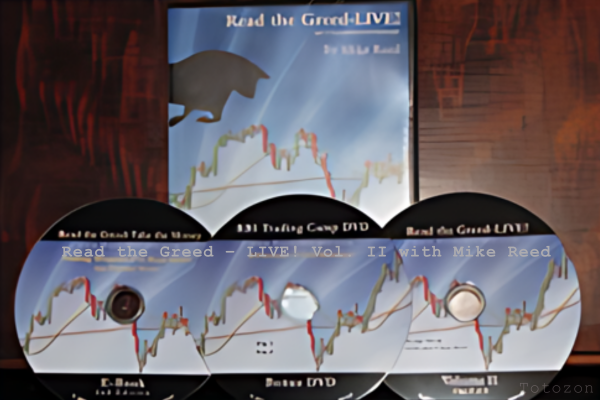 Read the Greed – LIVE!: Vol. II with Mike Reed
1 × $6.00
Read the Greed – LIVE!: Vol. II with Mike Reed
1 × $6.00 -
×
 Neall Concord-Cushing - Secret of Forecasting Using Wave59 Tools (Book I & II)
1 × $6.00
Neall Concord-Cushing - Secret of Forecasting Using Wave59 Tools (Book I & II)
1 × $6.00 -
×
 4×4 Course with Gregoire Dupont
1 × $6.00
4×4 Course with Gregoire Dupont
1 × $6.00 -
×
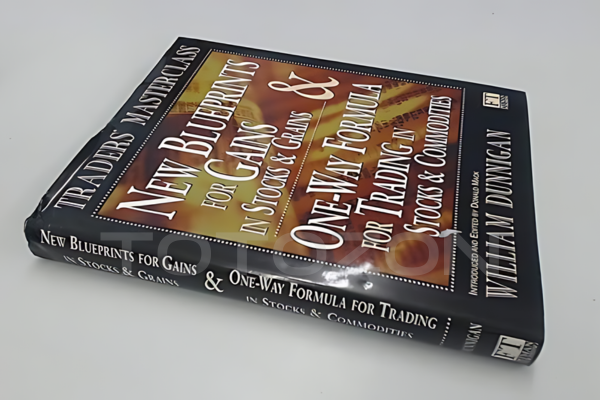 New Blueprints for Gains in Stocks and Grains & One-Way Formula for Trading in Stocks and Commodities (Traders' Masterclass) - William Dunnigan
1 × $6.00
New Blueprints for Gains in Stocks and Grains & One-Way Formula for Trading in Stocks and Commodities (Traders' Masterclass) - William Dunnigan
1 × $6.00 -
×
 Stock Selection Course with Dave Landry
1 × $6.00
Stock Selection Course with Dave Landry
1 × $6.00 -
×
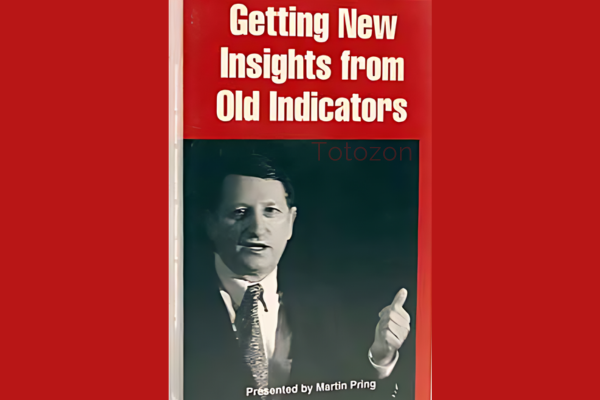 Getting New Insights from Old Indicators with Martin Pring
1 × $6.00
Getting New Insights from Old Indicators with Martin Pring
1 × $6.00 -
×
 Daily Market Review 2009-2012 (Video 16 GB) with David Vallieres
1 × $6.00
Daily Market Review 2009-2012 (Video 16 GB) with David Vallieres
1 × $6.00 -
×
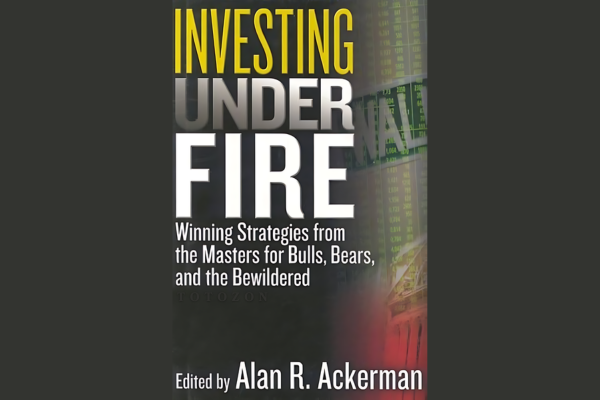 Investing Under Fire with Alan R.Ackerman
1 × $6.00
Investing Under Fire with Alan R.Ackerman
1 × $6.00 -
×
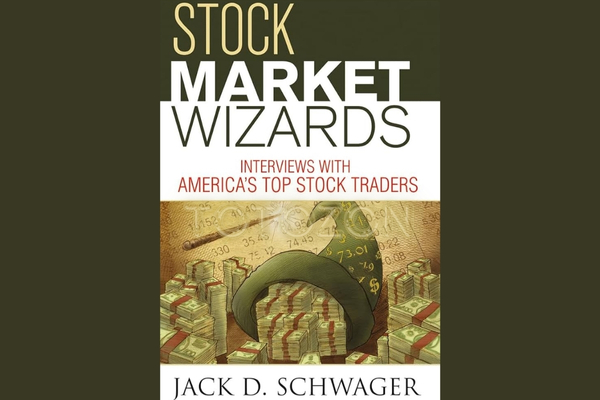 Stock Market Wizards Interviews with America’s Top Stock Traders - Jack Schwager
1 × $6.00
Stock Market Wizards Interviews with America’s Top Stock Traders - Jack Schwager
1 × $6.00 -
×
 Futures Trading (German)
1 × $6.00
Futures Trading (German)
1 × $6.00 -
×
 W. D Gann 's Square Of 9 Applied To Modern Markets with Sean Avidar - Hexatrade350
1 × $23.00
W. D Gann 's Square Of 9 Applied To Modern Markets with Sean Avidar - Hexatrade350
1 × $23.00 -
×
 Sequence Trading Course with Kevin Haggerty
1 × $4.00
Sequence Trading Course with Kevin Haggerty
1 × $4.00 -
×
 Secret Weapon to Trading Options on ETF's Class with Don Kaufman
1 × $6.00
Secret Weapon to Trading Options on ETF's Class with Don Kaufman
1 × $6.00 -
×
 How To Develop A Winning Trading System That Fits You Home Study + Audio - 2020 with Van Tharp
1 × $62.00
How To Develop A Winning Trading System That Fits You Home Study + Audio - 2020 with Van Tharp
1 × $62.00 -
×
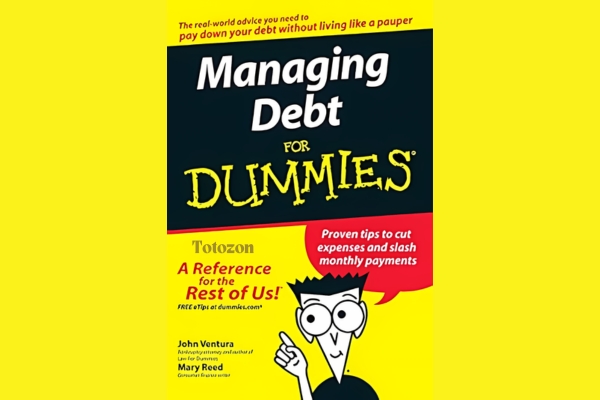 Managing Debt for Dummies with John Ventura
1 × $6.00
Managing Debt for Dummies with John Ventura
1 × $6.00 -
×
 Price Ladder Training
1 × $15.00
Price Ladder Training
1 × $15.00 -
×
 Power Index Method for Profitable Futures Trading with Harold Goldberg
1 × $6.00
Power Index Method for Profitable Futures Trading with Harold Goldberg
1 × $6.00 -
×
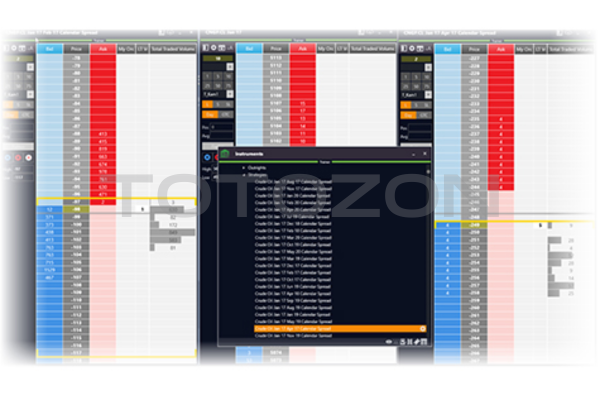 Futures Spread Trading Intro Course with Thetradingframework
1 × $6.00
Futures Spread Trading Intro Course with Thetradingframework
1 × $6.00 -
×
 Volume Profile Video Course with Trader Dale
1 × $8.00
Volume Profile Video Course with Trader Dale
1 × $8.00 -
×
 Learn To Fish Part III - How To Swing Trade for Consistent Gains with Daniel
1 × $15.00
Learn To Fish Part III - How To Swing Trade for Consistent Gains with Daniel
1 × $15.00 -
×
 Algo Wizard Essentials Course with Srategy Quant
1 × $13.00
Algo Wizard Essentials Course with Srategy Quant
1 × $13.00 -
×
 The Greatest Trade Ever with Gregory Zuckerman
1 × $6.00
The Greatest Trade Ever with Gregory Zuckerman
1 × $6.00 -
×
 Cash Flow Investing Course
1 × $20.00
Cash Flow Investing Course
1 × $20.00 -
×
 ETF Trading Strategies Revealed with David Vomund
1 × $6.00
ETF Trading Strategies Revealed with David Vomund
1 × $6.00 -
×
 Euro Fractal Trading System with Cynthia Marcy, Erol Bortucene
1 × $6.00
Euro Fractal Trading System with Cynthia Marcy, Erol Bortucene
1 × $6.00 -
×
 Trading MoneyTides & Chaos in the Stock Market with Hans Hannula
1 × $6.00
Trading MoneyTides & Chaos in the Stock Market with Hans Hannula
1 × $6.00 -
×
 STERLING SUHR’S ADVANCED FOREX BANK TRADING COURSE (DAYTRADING FOREX LIVE COURSE) 2017
1 × $15.00
STERLING SUHR’S ADVANCED FOREX BANK TRADING COURSE (DAYTRADING FOREX LIVE COURSE) 2017
1 × $15.00 -
×
 Futures & Options from A to Z with Russell Wassendorf
1 × $6.00
Futures & Options from A to Z with Russell Wassendorf
1 × $6.00 -
×
 SRC (Smart Raja Concepts) with Forex 101
1 × $5.00
SRC (Smart Raja Concepts) with Forex 101
1 × $5.00 -
×
 7 Figures Forex Course
1 × $15.00
7 Figures Forex Course
1 × $15.00 -
×
 The Any Hour Trading System with Markets Mastered
1 × $6.00
The Any Hour Trading System with Markets Mastered
1 × $6.00 -
×
 Andy’s EMini Bar – 60 Min System
1 × $6.00
Andy’s EMini Bar – 60 Min System
1 × $6.00 -
×
 Forecast 2024 Clarification with Larry Williams
1 × $15.00
Forecast 2024 Clarification with Larry Williams
1 × $15.00 -
×
 Quantum Stone Capital
1 × $15.00
Quantum Stone Capital
1 × $15.00 -
×
 Concerning The More Certain Fundamentals Of Astrology
1 × $6.00
Concerning The More Certain Fundamentals Of Astrology
1 × $6.00 -
×
 Pristine Seminar - Options Trading the Pristine Way
1 × $6.00
Pristine Seminar - Options Trading the Pristine Way
1 × $6.00 -
×
 FXStreet Unrecorded Webinars Sept & Oct, 2011 with Sam Seiden
1 × $6.00
FXStreet Unrecorded Webinars Sept & Oct, 2011 with Sam Seiden
1 × $6.00 -
×
 Equities with Peter Martin
1 × $6.00
Equities with Peter Martin
1 × $6.00 -
×
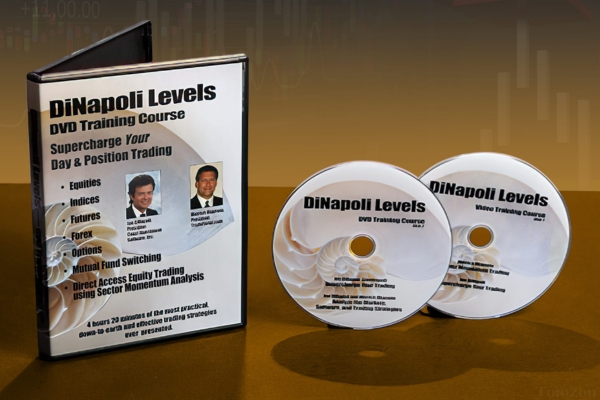 DiNapoli Levels Training Course with Joe DiNapoli & Merrick Okamoto
1 × $6.00
DiNapoli Levels Training Course with Joe DiNapoli & Merrick Okamoto
1 × $6.00
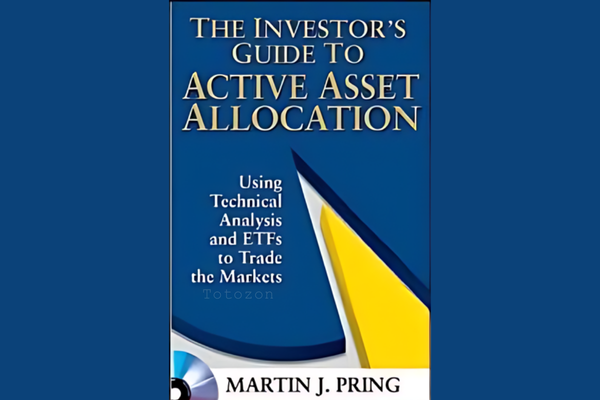
The Investors Guide to Active Asset Allocation with Martin Pring
$6.00
File Size: Coming soon!
Delivery Time: 1–12 hours
Media Type: Online Course
Content Proof: Watch Here!
You may check content proof of “The Investors Guide to Active Asset Allocation with Martin Pring” below:
The Investor’s Guide to Active Asset Allocation with Martin Pring
Navigating the financial markets can be daunting, but Martin Pring’s insights on active asset allocation can provide a strategic edge. In this guide, we’ll explore the principles and strategies behind active asset allocation and how we can apply them to optimize our investment portfolios.
Understanding Active Asset Allocation
What is Active Asset Allocation?
Active asset allocation involves continuously adjusting the proportions of different asset classes in a portfolio based on market conditions and economic trends. This dynamic approach contrasts with passive asset allocation, where proportions remain fixed.
The Importance of Active Asset Allocation
Active asset allocation aims to enhance returns and manage risk by responding to changing market environments. It allows investors to capitalize on opportunities and avoid potential downturns.
Core Principles of Active Asset Allocation
Diversification
Diversification involves spreading investments across various asset classes, such as stocks, bonds, and commodities, to reduce risk. A well-diversified portfolio can weather market volatility more effectively.
Market Analysis
Active asset allocation requires thorough market analysis, including technical and fundamental analysis. Understanding market trends, economic indicators, and geopolitical events is crucial for making informed decisions.
Risk Management
Effective risk management involves identifying, assessing, and mitigating risks. This can include setting stop-loss orders, adjusting asset allocations based on market conditions, and continuously monitoring the portfolio.
Martin Pring’s Strategies for Active Asset Allocation
Technical Analysis
Martin Pring is a pioneer in technical analysis, which involves studying historical market data to forecast future price movements. Technical indicators, such as moving averages and relative strength index (RSI), can help identify trends and entry/exit points.
Cycle Analysis
Pring emphasizes the importance of understanding market cycles. Recognizing the phases of bull and bear markets can help investors adjust their asset allocations to maximize returns and minimize risks.
Economic Indicators
Monitoring economic indicators, such as GDP growth, inflation rates, and unemployment figures, provides insights into the broader economic environment. These indicators can influence asset class performance and guide allocation decisions.
Sentiment Analysis
Sentiment analysis involves gauging investor sentiment through surveys, social media, and market data. Understanding market sentiment can help anticipate market movements and adjust allocations accordingly.
Implementing Active Asset Allocation
Developing a Strategy
Creating a clear and actionable strategy is essential. This strategy should outline investment goals, risk tolerance, and the criteria for adjusting asset allocations.
Regular Portfolio Reviews
Regularly reviewing and rebalancing the portfolio ensures that asset allocations remain aligned with market conditions and investment goals. This practice helps maintain an optimal risk-return balance.
Staying Informed
Staying informed about market trends, economic developments, and geopolitical events is crucial for active asset allocation. Continuous learning and adaptation are key to staying ahead.
Benefits of Active Asset Allocation
Enhanced Returns
By actively adjusting asset allocations based on market conditions, investors can potentially achieve higher returns compared to a passive strategy.
Risk Mitigation
Active asset allocation allows for proactive risk management, helping to avoid significant losses during market downturns.
Flexibility
This approach offers flexibility to adapt to changing market environments, allowing investors to seize opportunities and mitigate risks more effectively.
Challenges of Active Asset Allocation
Complexity
Active asset allocation can be complex and time-consuming, requiring continuous monitoring and analysis of market conditions.
Costs
Frequent trading and portfolio adjustments can lead to higher transaction costs, which may impact overall returns.
Emotional Discipline
Staying disciplined and avoiding emotional decisions is crucial. Emotional reactions to market fluctuations can lead to poor investment choices.
Practical Tips for Active Asset Allocation
Set Clear Goals
Define your investment goals and risk tolerance. Knowing what you aim to achieve helps guide your allocation decisions.
Use Technical and Fundamental Analysis
Combine technical and fundamental analysis to make informed decisions. This approach provides a comprehensive view of market conditions.
Monitor Economic Indicators
Keep an eye on key economic indicators. These indicators provide valuable insights into the broader economic environment and asset class performance.
Stay Flexible
Be prepared to adjust your strategy as market conditions change. Flexibility is crucial for capitalizing on opportunities and mitigating risks.
Consult a Financial Advisor
Working with a financial advisor can provide valuable insights and help develop a robust active asset allocation strategy tailored to your goals.
Conclusion
Active asset allocation, as championed by Martin Pring, offers a dynamic approach to investing that can enhance returns and manage risk. By understanding and applying the principles of diversification, market analysis, risk management, and staying informed, we can optimize our portfolios and achieve our financial goals. Remember, the key to successful investing lies in continuous learning, adaptation, and maintaining emotional discipline.
FAQs
1. What is the difference between active and passive asset allocation?
Active asset allocation involves continuously adjusting asset proportions based on market conditions, while passive asset allocation keeps proportions fixed.
2. How does technical analysis help in active asset allocation?
Technical analysis helps identify market trends and entry/exit points, guiding allocation adjustments to optimize returns.
3. Why is diversification important in active asset allocation?
Diversification spreads risk across various asset classes, reducing the impact of market volatility on the overall portfolio.
4. What role do economic indicators play in active asset allocation?
Economic indicators provide insights into the broader economic environment, influencing asset class performance and guiding allocation decisions.
5. How can I manage emotions while practicing active asset allocation?
Maintain discipline, stick to your strategy, and avoid making impulsive decisions based on short-term market fluctuations.
Be the first to review “The Investors Guide to Active Asset Allocation with Martin Pring”
You must be logged in to post a review.
Related products

Original price was: $895.00.$15.00Current price is: $15.00.
Forex Trading
Original price was: $249.00.$15.00Current price is: $15.00.
Forex Trading
Original price was: $1,098.00.$39.00Current price is: $39.00.

Original price was: $2,120.00.$15.00Current price is: $15.00.

Original price was: $450.00.$23.00Current price is: $23.00.

Forex Trading
Original price was: $4,997.00.$27.00Current price is: $27.00.
Original price was: $4,995.00.$15.00Current price is: $15.00.
Forex Trading
Original price was: $499.00.$15.00Current price is: $15.00.

Forex Trading
Original price was: $2,997.00.$23.00Current price is: $23.00.

Original price was: $310.00.$23.00Current price is: $23.00.
Forex Trading
Original price was: $397.00.$31.00Current price is: $31.00.

Original price was: $997.00.$13.00Current price is: $13.00.
Forex Trading
Original price was: $2,000.00.$23.00Current price is: $23.00.

Original price was: $497.00.$31.00Current price is: $31.00.

Forex Trading
Original price was: $697.00.$5.00Current price is: $5.00.

Original price was: $497.00.$11.00Current price is: $11.00.

Original price was: $649.00.$20.00Current price is: $20.00.

Original price was: $700.00.$39.00Current price is: $39.00.

Original price was: $799.00.$15.00Current price is: $15.00.

Forex Trading
The Complete Guide to Multiple Time Frame Analysis & Reading Price Action with Aiman Almansoori
Original price was: $1,399.00.$13.00Current price is: $13.00.
Reviews
There are no reviews yet.