
-
×
 Neall Concord-Cushing - Secret of Forecasting Using Wave59 Tools (Book I & II)
1 × $6.00
Neall Concord-Cushing - Secret of Forecasting Using Wave59 Tools (Book I & II)
1 × $6.00 -
×
 Stock Investing Strategies with Maria Crawford Scott, John Bajkowski
1 × $6.00
Stock Investing Strategies with Maria Crawford Scott, John Bajkowski
1 × $6.00 -
×
 Dan Sheridan Delta Force
1 × $6.00
Dan Sheridan Delta Force
1 × $6.00 -
×
 Lazy Emini Trader Master Class
1 × $15.00
Lazy Emini Trader Master Class
1 × $15.00 -
×
 How to Profit in Gold with Jonathan Spall
1 × $6.00
How to Profit in Gold with Jonathan Spall
1 × $6.00 -
×
 Real-Time Course with Rich Swannell
1 × $6.00
Real-Time Course with Rich Swannell
1 × $6.00 -
×
 Quantitative Trading: How to Build Your Own Algorithmic Trading Business (1st Edition) with Ernest Chan
1 × $6.00
Quantitative Trading: How to Build Your Own Algorithmic Trading Business (1st Edition) with Ernest Chan
1 × $6.00 -
×
 Street-Smart Chart Reading – Volume 1 – The Rudiments with Donald G.Worden
1 × $6.00
Street-Smart Chart Reading – Volume 1 – The Rudiments with Donald G.Worden
1 × $6.00 -
×
 Intra-day Trading Strategies. Proven Steps to Trading Profits
1 × $6.00
Intra-day Trading Strategies. Proven Steps to Trading Profits
1 × $6.00 -
×
 Preparing for the Worst: Incorporating Downside Risk in Stock Market Investments with Hrishikesh Vinod & Derrick Reagle
1 × $6.00
Preparing for the Worst: Incorporating Downside Risk in Stock Market Investments with Hrishikesh Vinod & Derrick Reagle
1 × $6.00 -
×
 Option Insanity Strategy with PDS Trader
1 × $69.00
Option Insanity Strategy with PDS Trader
1 × $69.00 -
×
 Master Stock Course
1 × $6.00
Master Stock Course
1 × $6.00 -
×
 Fierce 10 with Mandi Rafsendjani
1 × $5.00
Fierce 10 with Mandi Rafsendjani
1 × $5.00 -
×
 Supply and Demand 2023 with Willy Jay
1 × $5.00
Supply and Demand 2023 with Willy Jay
1 × $5.00 -
×
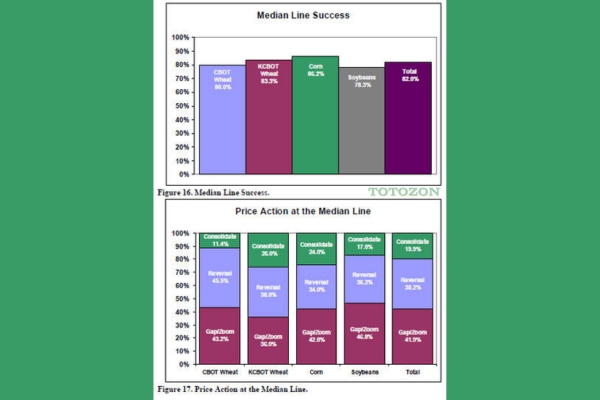 Using Median Lines as a Trading Tool with Greg Fisher
1 × $6.00
Using Median Lines as a Trading Tool with Greg Fisher
1 × $6.00 -
×
 Options 101 - The Basics and Beyond Class A 5-Part Course with Don Kaufman
1 × $6.00
Options 101 - The Basics and Beyond Class A 5-Part Course with Don Kaufman
1 × $6.00 -
×
 Ichimoku Cloud Trading Course with FollowMeTrades
1 × $15.00
Ichimoku Cloud Trading Course with FollowMeTrades
1 × $15.00 -
×
 Traders Positioning System with Lee Gettess
1 × $4.00
Traders Positioning System with Lee Gettess
1 × $4.00 -
×
 Geometric Angles Applied To Modern Markets with Sean Avidar
1 × $39.00
Geometric Angles Applied To Modern Markets with Sean Avidar
1 × $39.00 -
×
 Investment Fables with Aswath Damodaran
1 × $6.00
Investment Fables with Aswath Damodaran
1 × $6.00 -
×
 How the Stock Market Works with Ramon DeGennaro
1 × $5.00
How the Stock Market Works with Ramon DeGennaro
1 × $5.00 -
×
 TradeGuider Education Package
1 × $54.00
TradeGuider Education Package
1 × $54.00 -
×
 PFAZoneSuite [Trading Indicator] 2017
1 × $109.00
PFAZoneSuite [Trading Indicator] 2017
1 × $109.00 -
×
 Fractal Market Analysis with Edgar Peters
1 × $6.00
Fractal Market Analysis with Edgar Peters
1 × $6.00 -
×
 Traders Edge with Steven Dux
1 × $5.00
Traders Edge with Steven Dux
1 × $5.00 -
×
 How I Get Paid $1,000 Every Friday Trading Options with Jeff Tompkins
1 × $15.00
How I Get Paid $1,000 Every Friday Trading Options with Jeff Tompkins
1 × $15.00 -
×
 How to Analyze Multifamily Investment Opportunities with Symon He & Brandon Young
1 × $6.00
How to Analyze Multifamily Investment Opportunities with Symon He & Brandon Young
1 × $6.00 -
×
 4 Strategies That Will Make You a Professional Day Trader with Jerremy Newsome
1 × $6.00
4 Strategies That Will Make You a Professional Day Trader with Jerremy Newsome
1 × $6.00 -
×
 Game-Maker Forex Trading System
1 × $6.00
Game-Maker Forex Trading System
1 × $6.00 -
×
 Hedges on Hedge Funds: How to Successfully Analyze and Select an Investment with James Hedges
1 × $6.00
Hedges on Hedge Funds: How to Successfully Analyze and Select an Investment with James Hedges
1 × $6.00 -
×
 Elliott Wave Street Course with Juan Maldonado
1 × $17.00
Elliott Wave Street Course with Juan Maldonado
1 × $17.00 -
×
 Futures Spread Trading Intro Course with Thetradingframework
1 × $6.00
Futures Spread Trading Intro Course with Thetradingframework
1 × $6.00 -
×
 Master Trader - Advander Management Strategies
1 × $39.00
Master Trader - Advander Management Strategies
1 × $39.00 -
×
 The Great Reflation with Anthony Boeckh
1 × $6.00
The Great Reflation with Anthony Boeckh
1 × $6.00 -
×
 Deep Dive Butterfly Trading Strategy Class with SJG Trades
1 × $41.00
Deep Dive Butterfly Trading Strategy Class with SJG Trades
1 × $41.00 -
×
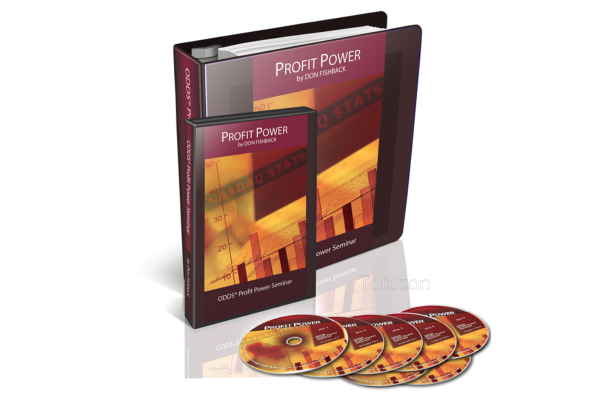 Profit Power Seminar
1 × $23.00
Profit Power Seminar
1 × $23.00 -
×
 Options Trading with Nick & Gareth - Nick Santiago & Gareth Soloway - InTheMoneyStocks
1 × $31.00
Options Trading with Nick & Gareth - Nick Santiago & Gareth Soloway - InTheMoneyStocks
1 × $31.00 -
×
 Forex and Stocks Trading Course - Set and Forget with Alfonso Moreno
1 × $6.00
Forex and Stocks Trading Course - Set and Forget with Alfonso Moreno
1 × $6.00 -
×
 Electronic Day Traders' Secrets: Learn From the Best of the Best DayTraders with Burton Friedfertig
1 × $6.00
Electronic Day Traders' Secrets: Learn From the Best of the Best DayTraders with Burton Friedfertig
1 × $6.00 -
×
 Profitable Strategies with Gemify Academy
1 × $10.00
Profitable Strategies with Gemify Academy
1 × $10.00 -
×
 Bond Market Course with The Macro Compass
1 × $15.00
Bond Market Course with The Macro Compass
1 × $15.00 -
×
 W.D. Gann’s Secret Divergence Method with Hexatrade350
1 × $5.00
W.D. Gann’s Secret Divergence Method with Hexatrade350
1 × $5.00 -
×
 Larry Connors Professional Day Trading for Success Program
1 × $62.00
Larry Connors Professional Day Trading for Success Program
1 × $62.00 -
×
 The Aime Workshop with Clay Marafiote
1 × $6.00
The Aime Workshop with Clay Marafiote
1 × $6.00 -
×
 Forex Time Machine with Bill Poulos
1 × $6.00
Forex Time Machine with Bill Poulos
1 × $6.00 -
×
 Profitable DayTrading with Precision - George Angell
1 × $6.00
Profitable DayTrading with Precision - George Angell
1 × $6.00 -
×
 A Conservative Plan to Make $3K Monthly on $25K with Dan Sheridan – Sheridan Options Mentoring
1 × $23.00
A Conservative Plan to Make $3K Monthly on $25K with Dan Sheridan – Sheridan Options Mentoring
1 × $23.00 -
×
 Power Charting - Robert’s Indicator Webinar
1 × $6.00
Power Charting - Robert’s Indicator Webinar
1 × $6.00 -
×
 Inefficient Markets with Andrei Shleifer
1 × $6.00
Inefficient Markets with Andrei Shleifer
1 × $6.00 -
×
 White Phoenix’s The Smart (Money) Approach to Trading with Jayson Casper
1 × $39.00
White Phoenix’s The Smart (Money) Approach to Trading with Jayson Casper
1 × $39.00 -
×
 Contrarian Investment Strategies: The Next Generation with David Dreman
1 × $4.00
Contrarian Investment Strategies: The Next Generation with David Dreman
1 × $4.00 -
×
 Secrets to Succesful Forex Trading Course with Jose Soto
1 × $6.00
Secrets to Succesful Forex Trading Course with Jose Soto
1 × $6.00 -
×
 Essentials Course & Day Trading Strategies with Bear Bull Traders
1 × $13.00
Essentials Course & Day Trading Strategies with Bear Bull Traders
1 × $13.00 -
×
 Profit Generating System with Brian Williams
1 × $6.00
Profit Generating System with Brian Williams
1 × $6.00 -
×
 Advanced Group Analysis Turorial with David Vomund
1 × $6.00
Advanced Group Analysis Turorial with David Vomund
1 × $6.00 -
×
 Precise Exits & Entries with Charles LeBeau
1 × $6.00
Precise Exits & Entries with Charles LeBeau
1 × $6.00 -
×
 The Best of the Professional Traders Journal. Market Timing with Larry Connors
1 × $6.00
The Best of the Professional Traders Journal. Market Timing with Larry Connors
1 × $6.00 -
×
 Revolutionary Proven 3 Step with NFTs Cracked
1 × $6.00
Revolutionary Proven 3 Step with NFTs Cracked
1 × $6.00 -
×
 E75 Forex System with James de Wet
1 × $6.00
E75 Forex System with James de Wet
1 × $6.00 -
×
 The Art of the Trade: What I Learned (and Lost) Trading the Chicago Futures Markets - Jason Alan Jankovsky
1 × $6.00
The Art of the Trade: What I Learned (and Lost) Trading the Chicago Futures Markets - Jason Alan Jankovsky
1 × $6.00 -
×
 Forex EURUSD Trader Live Training (2012)
1 × $6.00
Forex EURUSD Trader Live Training (2012)
1 × $6.00 -
×
 Forex Trading Like Banks - Step by Step by Live Examples with Taher Assaf
1 × $6.00
Forex Trading Like Banks - Step by Step by Live Examples with Taher Assaf
1 × $6.00 -
×
 Sea Lanes & Pipelines with Bernard D.Cole
1 × $6.00
Sea Lanes & Pipelines with Bernard D.Cole
1 × $6.00 -
×
 ePass Platinum
1 × $31.00
ePass Platinum
1 × $31.00 -
×
 The Great Depression with David Burg
1 × $6.00
The Great Depression with David Burg
1 × $6.00 -
×
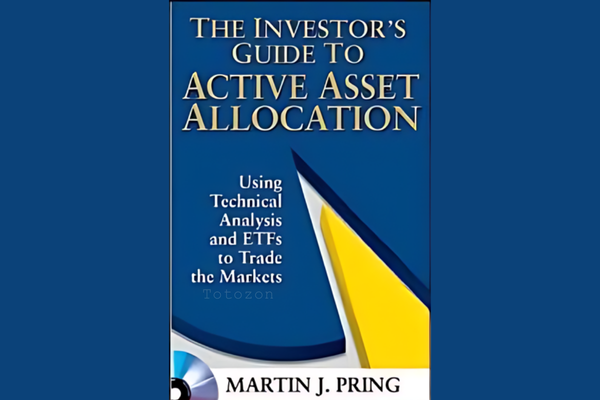 The Investors Guide to Active Asset Allocation with Martin Pring
1 × $6.00
The Investors Guide to Active Asset Allocation with Martin Pring
1 × $6.00 -
×
 Bubbleology: The New Science of Stock Market Winners and Losers with Kevin Hassett
1 × $6.00
Bubbleology: The New Science of Stock Market Winners and Losers with Kevin Hassett
1 × $6.00 -
×
 Forex Retracement Theory with CopperChips
1 × $6.00
Forex Retracement Theory with CopperChips
1 × $6.00 -
×
 Safety in the Market. Smarter Starter Pack 1st Edition
1 × $6.00
Safety in the Market. Smarter Starter Pack 1st Edition
1 × $6.00 -
×
 Forex Project Advanced Course with Tyler Crowell
1 × $5.00
Forex Project Advanced Course with Tyler Crowell
1 × $5.00 -
×
 How I Turned 500 USD to 6 Figures in 2 months Trading Options with The Money Printers
1 × $8.00
How I Turned 500 USD to 6 Figures in 2 months Trading Options with The Money Printers
1 × $8.00 -
×
 Stock Option Trading 3 – Easy Advanced Profits and Success with Scott Paton
1 × $6.00
Stock Option Trading 3 – Easy Advanced Profits and Success with Scott Paton
1 × $6.00 -
×
 Forex Trading Advice & Intro to The Natural Flow
1 × $6.00
Forex Trading Advice & Intro to The Natural Flow
1 × $6.00 -
×
 Edz Currency Trading Package with EDZ Trading Academy
1 × $5.00
Edz Currency Trading Package with EDZ Trading Academy
1 × $5.00 -
×
 Trading Mindset, and Three Steps To Profitable Trading with Bruce Banks
1 × $6.00
Trading Mindset, and Three Steps To Profitable Trading with Bruce Banks
1 × $6.00 -
×
 Profit Before Work System with John Piper
1 × $6.00
Profit Before Work System with John Piper
1 × $6.00 -
×
 Foundation of Successful Trading - 2 DVDs and Bonus Gann Time Factor 2 DVDs
1 × $31.00
Foundation of Successful Trading - 2 DVDs and Bonus Gann Time Factor 2 DVDs
1 × $31.00 -
×
 4 Class Bundle
1 × $31.00
4 Class Bundle
1 × $31.00 -
×
 Advanced Gap Trading Strategies with Master Trader
1 × $31.00
Advanced Gap Trading Strategies with Master Trader
1 × $31.00 -
×
 The Complete 32 Plus Hour Video Course Bundle with Rob Hoffman - Become a Better Trader
1 × $6.00
The Complete 32 Plus Hour Video Course Bundle with Rob Hoffman - Become a Better Trader
1 × $6.00 -
×
 How To Develop A Winning Trading System That Fits You Home Study + Audio - 2020 with Van Tharp
1 × $62.00
How To Develop A Winning Trading System That Fits You Home Study + Audio - 2020 with Van Tharp
1 × $62.00 -
×
 T3 Live - The Simple Art of Trading
1 × $31.00
T3 Live - The Simple Art of Trading
1 × $31.00 -
×
 What is Strategy with Michael E.Porter
1 × $6.00
What is Strategy with Michael E.Porter
1 × $6.00 -
×
 Pre-Previews. 23 Articles and Forecasts
1 × $6.00
Pre-Previews. 23 Articles and Forecasts
1 × $6.00 -
×
 The Best Option Trading Course with David Jaffee - Best Stock Strategy
1 × $15.00
The Best Option Trading Course with David Jaffee - Best Stock Strategy
1 × $15.00 -
×
 The Complete Guide to Multiple Time Frame Analysis & Reading Price Action with Aiman Almansoori
1 × $13.00
The Complete Guide to Multiple Time Frame Analysis & Reading Price Action with Aiman Almansoori
1 × $13.00 -
×
 The Mathematics of Money Management. Risk Analysis Techniques for Traders
1 × $6.00
The Mathematics of Money Management. Risk Analysis Techniques for Traders
1 × $6.00 -
×
 Scalping Strategy Webinar! recorded. BEST WEBINAR
1 × $23.00
Scalping Strategy Webinar! recorded. BEST WEBINAR
1 × $23.00 -
×
 The Orderflows Trade Opportunities Encyclopedia with Michael Valtos
1 × $8.00
The Orderflows Trade Opportunities Encyclopedia with Michael Valtos
1 × $8.00
The Investors Guide to Active Asset Allocation with Martin Pring
$6.00
File Size: Coming soon!
Delivery Time: 1–12 hours
Media Type: Online Course
Content Proof: Watch Here!
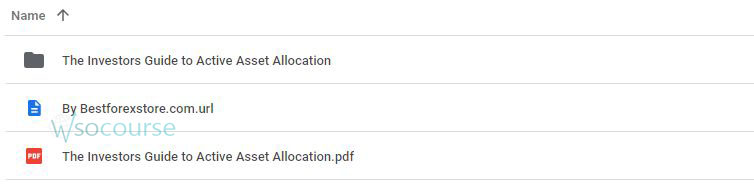
You may check content proof of “The Investors Guide to Active Asset Allocation with Martin Pring” below:
The Investor’s Guide to Active Asset Allocation with Martin Pring
Navigating the financial markets can be daunting, but Martin Pring’s insights on active asset allocation can provide a strategic edge. In this guide, we’ll explore the principles and strategies behind active asset allocation and how we can apply them to optimize our investment portfolios.
Understanding Active Asset Allocation
What is Active Asset Allocation?
Active asset allocation involves continuously adjusting the proportions of different asset classes in a portfolio based on market conditions and economic trends. This dynamic approach contrasts with passive asset allocation, where proportions remain fixed.
The Importance of Active Asset Allocation
Active asset allocation aims to enhance returns and manage risk by responding to changing market environments. It allows investors to capitalize on opportunities and avoid potential downturns.
Core Principles of Active Asset Allocation
Diversification
Diversification involves spreading investments across various asset classes, such as stocks, bonds, and commodities, to reduce risk. A well-diversified portfolio can weather market volatility more effectively.
Market Analysis
Active asset allocation requires thorough market analysis, including technical and fundamental analysis. Understanding market trends, economic indicators, and geopolitical events is crucial for making informed decisions.
Risk Management
Effective risk management involves identifying, assessing, and mitigating risks. This can include setting stop-loss orders, adjusting asset allocations based on market conditions, and continuously monitoring the portfolio.
Martin Pring’s Strategies for Active Asset Allocation
Technical Analysis
Martin Pring is a pioneer in technical analysis, which involves studying historical market data to forecast future price movements. Technical indicators, such as moving averages and relative strength index (RSI), can help identify trends and entry/exit points.
Cycle Analysis
Pring emphasizes the importance of understanding market cycles. Recognizing the phases of bull and bear markets can help investors adjust their asset allocations to maximize returns and minimize risks.
Economic Indicators
Monitoring economic indicators, such as GDP growth, inflation rates, and unemployment figures, provides insights into the broader economic environment. These indicators can influence asset class performance and guide allocation decisions.
Sentiment Analysis
Sentiment analysis involves gauging investor sentiment through surveys, social media, and market data. Understanding market sentiment can help anticipate market movements and adjust allocations accordingly.
Implementing Active Asset Allocation
Developing a Strategy
Creating a clear and actionable strategy is essential. This strategy should outline investment goals, risk tolerance, and the criteria for adjusting asset allocations.
Regular Portfolio Reviews
Regularly reviewing and rebalancing the portfolio ensures that asset allocations remain aligned with market conditions and investment goals. This practice helps maintain an optimal risk-return balance.
Staying Informed
Staying informed about market trends, economic developments, and geopolitical events is crucial for active asset allocation. Continuous learning and adaptation are key to staying ahead.
Benefits of Active Asset Allocation
Enhanced Returns
By actively adjusting asset allocations based on market conditions, investors can potentially achieve higher returns compared to a passive strategy.
Risk Mitigation
Active asset allocation allows for proactive risk management, helping to avoid significant losses during market downturns.
Flexibility
This approach offers flexibility to adapt to changing market environments, allowing investors to seize opportunities and mitigate risks more effectively.
Challenges of Active Asset Allocation
Complexity
Active asset allocation can be complex and time-consuming, requiring continuous monitoring and analysis of market conditions.
Costs
Frequent trading and portfolio adjustments can lead to higher transaction costs, which may impact overall returns.
Emotional Discipline
Staying disciplined and avoiding emotional decisions is crucial. Emotional reactions to market fluctuations can lead to poor investment choices.
Practical Tips for Active Asset Allocation
Set Clear Goals
Define your investment goals and risk tolerance. Knowing what you aim to achieve helps guide your allocation decisions.
Use Technical and Fundamental Analysis
Combine technical and fundamental analysis to make informed decisions. This approach provides a comprehensive view of market conditions.
Monitor Economic Indicators
Keep an eye on key economic indicators. These indicators provide valuable insights into the broader economic environment and asset class performance.
Stay Flexible
Be prepared to adjust your strategy as market conditions change. Flexibility is crucial for capitalizing on opportunities and mitigating risks.
Consult a Financial Advisor
Working with a financial advisor can provide valuable insights and help develop a robust active asset allocation strategy tailored to your goals.
Conclusion
Active asset allocation, as championed by Martin Pring, offers a dynamic approach to investing that can enhance returns and manage risk. By understanding and applying the principles of diversification, market analysis, risk management, and staying informed, we can optimize our portfolios and achieve our financial goals. Remember, the key to successful investing lies in continuous learning, adaptation, and maintaining emotional discipline.
FAQs
1. What is the difference between active and passive asset allocation?
Active asset allocation involves continuously adjusting asset proportions based on market conditions, while passive asset allocation keeps proportions fixed.
2. How does technical analysis help in active asset allocation?
Technical analysis helps identify market trends and entry/exit points, guiding allocation adjustments to optimize returns.
3. Why is diversification important in active asset allocation?
Diversification spreads risk across various asset classes, reducing the impact of market volatility on the overall portfolio.
4. What role do economic indicators play in active asset allocation?
Economic indicators provide insights into the broader economic environment, influencing asset class performance and guiding allocation decisions.
5. How can I manage emotions while practicing active asset allocation?
Maintain discipline, stick to your strategy, and avoid making impulsive decisions based on short-term market fluctuations.
Be the first to review “The Investors Guide to Active Asset Allocation with Martin Pring”
You must be logged in to post a review.
Related products

Original price was: $997.00.$8.00Current price is: $8.00.

Forex Trading
Original price was: $2,997.00.$23.00Current price is: $23.00.

Forex Trading
Original price was: $697.00.$5.00Current price is: $5.00.

Forex Trading
Original price was: $1,098.00.$39.00Current price is: $39.00.
Forex Trading
The Complete Guide to Multiple Time Frame Analysis & Reading Price Action with Aiman Almansoori
Original price was: $1,399.00.$13.00Current price is: $13.00.

Forex Trading
Original price was: $1,898.00.$10.00Current price is: $10.00.

Forex Trading
Original price was: $550.00.$5.00Current price is: $5.00.
Original price was: $1,849.00.$15.00Current price is: $15.00.

Original price was: $1,200.00.$23.00Current price is: $23.00.
Original price was: $695.00.$41.00Current price is: $41.00.

Forex Trading
Original price was: $239.00.$8.00Current price is: $8.00.

Original price was: $497.00.$11.00Current price is: $11.00.

Forex Trading
Original price was: $500.00.$5.00Current price is: $5.00.

Forex Trading
Original price was: $850.00.$23.00Current price is: $23.00.

Original price was: $197.00.$5.00Current price is: $5.00.

Forex Trading
Original price was: $4,997.00.$27.00Current price is: $27.00.

Original price was: $649.00.$20.00Current price is: $20.00.
Original price was: $700.00.$39.00Current price is: $39.00.

Forex Trading
Original price was: $797.00.$10.00Current price is: $10.00.

Original price was: $999.00.$5.00Current price is: $5.00.
Reviews
There are no reviews yet.