
-
×
 Crypto Trading Academy with Cheeky Investor - Aussie Day Trader
1 × $13.00
Crypto Trading Academy with Cheeky Investor - Aussie Day Trader
1 × $13.00 -
×
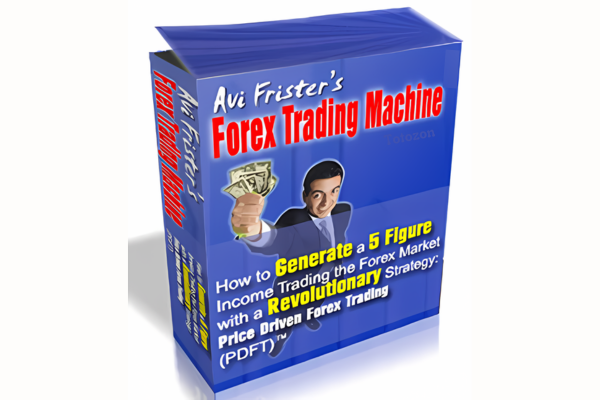 PDFT (Price Driven Forex Trading) Course with Avi Frister
1 × $6.00
PDFT (Price Driven Forex Trading) Course with Avi Frister
1 × $6.00 -
×
 Into The Abbys with Black Rabbit
1 × $18.00
Into The Abbys with Black Rabbit
1 × $18.00 -
×
 Stock Traders Almanac 2010 with Jeffrey Hirsch & Yale Hirsch
1 × $6.00
Stock Traders Almanac 2010 with Jeffrey Hirsch & Yale Hirsch
1 × $6.00 -
×
 Crystal Ball Pack PLUS bonus Live Trade By Pat Mitchell - Trick Trades
1 × $20.00
Crystal Ball Pack PLUS bonus Live Trade By Pat Mitchell - Trick Trades
1 × $20.00 -
×
 Bradley F.Cowan (Cycle-Trader.com)
1 × $23.00
Bradley F.Cowan (Cycle-Trader.com)
1 × $23.00 -
×
 Ultimate Trading Course with Dodgy's Dungeon
1 × $8.00
Ultimate Trading Course with Dodgy's Dungeon
1 × $8.00 -
×
 Compass Trading System with Right Line Trading
1 × $39.00
Compass Trading System with Right Line Trading
1 × $39.00 -
×
 AdjustMax
1 × $31.00
AdjustMax
1 × $31.00 -
×
 Market Magic: Riding the Greatest Bull Market of the Century with Louise Yamada
1 × $6.00
Market Magic: Riding the Greatest Bull Market of the Century with Louise Yamada
1 × $6.00 -
×
 Full-Day Platinum Pursuits Basic Option Seminar Manual
1 × $6.00
Full-Day Platinum Pursuits Basic Option Seminar Manual
1 × $6.00 -
×
 The Best Option Trading Course with David Jaffee - Best Stock Strategy
1 × $15.00
The Best Option Trading Course with David Jaffee - Best Stock Strategy
1 × $15.00 -
×
 0 DTE Options Trading Workshop with Aeromir Corporation
1 × $15.00
0 DTE Options Trading Workshop with Aeromir Corporation
1 × $15.00 -
×
 TradeCraft: Your Path to Peak Performance Trading By Adam Grimes
1 × $15.00
TradeCraft: Your Path to Peak Performance Trading By Adam Grimes
1 × $15.00 -
×
 AI For Traders with Trading Markets
1 × $31.00
AI For Traders with Trading Markets
1 × $31.00 -
×
 MMfx Course August 2011 + MT4 Ind. Jan 2012
1 × $15.00
MMfx Course August 2011 + MT4 Ind. Jan 2012
1 × $15.00 -
×
 Technical Analysis Entry & Exit with Andrew Baxter
1 × $6.00
Technical Analysis Entry & Exit with Andrew Baxter
1 × $6.00 -
×
 Bond Market Course with The Macro Compass
1 × $15.00
Bond Market Course with The Macro Compass
1 × $15.00 -
×
 The Mango Butterfly Deep Dive 2023 with Jay Bailey - Sheridan Options Mentoring
1 × $31.00
The Mango Butterfly Deep Dive 2023 with Jay Bailey - Sheridan Options Mentoring
1 × $31.00 -
×
 How to avoid the GAP
1 × $6.00
How to avoid the GAP
1 × $6.00 -
×
 The Orderflows Trade Opportunities Encyclopedia with Michael Valtos
1 × $8.00
The Orderflows Trade Opportunities Encyclopedia with Michael Valtos
1 × $8.00 -
×
 Algo Trading Masterclass with Ali Casey - StatOasis
1 × $23.00
Algo Trading Masterclass with Ali Casey - StatOasis
1 × $23.00 -
×
 BalanceTrader II – For Advanced Traders
1 × $6.00
BalanceTrader II – For Advanced Traders
1 × $6.00 -
×
 Learn To Fish Part III - How To Swing Trade for Consistent Gains with Daniel
1 × $15.00
Learn To Fish Part III - How To Swing Trade for Consistent Gains with Daniel
1 × $15.00 -
×
 Market Trading Tactics: Beating the Odds Through Technical Analysis and Money Management with Daryl Guppy
1 × $6.00
Market Trading Tactics: Beating the Odds Through Technical Analysis and Money Management with Daryl Guppy
1 × $6.00 -
×
 High Probability Trading Using Elliott Wave And Fibonacci Analysis withVic Patel - Forex Training Group
1 × $10.00
High Probability Trading Using Elliott Wave And Fibonacci Analysis withVic Patel - Forex Training Group
1 × $10.00 -
×
 TRADING NFX Course with Andrew NFX
1 × $5.00
TRADING NFX Course with Andrew NFX
1 × $5.00 -
×
 Elite Day Trading Bundle (Series 4) with The Swag Academy
1 × $101.00
Elite Day Trading Bundle (Series 4) with The Swag Academy
1 × $101.00 -
×
 Intra-Day Trading Nasdaq Futures Class with Tony Rago
1 × $6.00
Intra-Day Trading Nasdaq Futures Class with Tony Rago
1 × $6.00 -
×
 The A14 Weekly Option Strategy Workshop with Amy Meissner
1 × $23.00
The A14 Weekly Option Strategy Workshop with Amy Meissner
1 × $23.00 -
×
 Market Expectations & Option Prices with Martin Mandler
1 × $6.00
Market Expectations & Option Prices with Martin Mandler
1 × $6.00 -
×
 Technical Analysis: Power Tools for Active Investors with Gerald Appel
1 × $6.00
Technical Analysis: Power Tools for Active Investors with Gerald Appel
1 × $6.00 -
×
 The Prop Trading Code with Brannigan Barrett - Axia Futures
1 × $23.00
The Prop Trading Code with Brannigan Barrett - Axia Futures
1 × $23.00 -
×
 Advanced Stock Trading Course + Strategies
1 × $15.00
Advanced Stock Trading Course + Strategies
1 × $15.00 -
×
 Home Run Options Trading Course with Dave Aquino - Base Camp Trading
1 × $11.00
Home Run Options Trading Course with Dave Aquino - Base Camp Trading
1 × $11.00 -
×
 The Order Flow Edge Trading Course with Michael Valtos
1 × $20.00
The Order Flow Edge Trading Course with Michael Valtos
1 × $20.00 -
×
 Z4X Long Term Trading System
1 × $6.00
Z4X Long Term Trading System
1 × $6.00 -
×
 Quantamentals - The Next Great Forefront Of Trading and Investing with Trading Markets
1 × $8.00
Quantamentals - The Next Great Forefront Of Trading and Investing with Trading Markets
1 × $8.00 -
×
 Matrix Spread Options Trading Course with Base Camp Trading
1 × $31.00
Matrix Spread Options Trading Course with Base Camp Trading
1 × $31.00 -
×
 The Indices Orderflow Masterclass with The Forex Scalpers
1 × $23.00
The Indices Orderflow Masterclass with The Forex Scalpers
1 × $23.00 -
×
 Pro Tradeciety FOREX TRADING ACADEMY
1 × $31.00
Pro Tradeciety FOREX TRADING ACADEMY
1 × $31.00 -
×
 SQX Mentorship with Tip Toe Hippo
1 × $23.00
SQX Mentorship with Tip Toe Hippo
1 × $23.00 -
×
 Ultimate MT4 Course
1 × $15.00
Ultimate MT4 Course
1 × $15.00 -
×
 Strategy Factory Workshop
1 × $23.00
Strategy Factory Workshop
1 × $23.00 -
×
 White Phoenix’s The Smart (Money) Approach to Trading with Jayson Casper
1 × $39.00
White Phoenix’s The Smart (Money) Approach to Trading with Jayson Casper
1 × $39.00 -
×
 Hidden Cash Flow Fortunes
1 × $54.00
Hidden Cash Flow Fortunes
1 × $54.00 -
×
 ICT Charter 2020 with Inner Circle Trader
1 × $13.00
ICT Charter 2020 with Inner Circle Trader
1 × $13.00 -
×
 How to Trade a Vertical Market
1 × $93.00
How to Trade a Vertical Market
1 × $93.00 -
×
 How To Read The Market Professionally with TradeSmart
1 × $27.00
How To Read The Market Professionally with TradeSmart
1 × $27.00 -
×
 The Orderflow Masterclass with PrimeTrading
1 × $17.00
The Orderflow Masterclass with PrimeTrading
1 × $17.00 -
×
 Forecast 2024 Clarification with Larry Williams
1 × $15.00
Forecast 2024 Clarification with Larry Williams
1 × $15.00 -
×
 Order flow self-study training program with iMFtracker
1 × $10.00
Order flow self-study training program with iMFtracker
1 × $10.00 -
×
 WondaFX Signature Strategy with WondaFX
1 × $5.00
WondaFX Signature Strategy with WondaFX
1 × $5.00 -
×
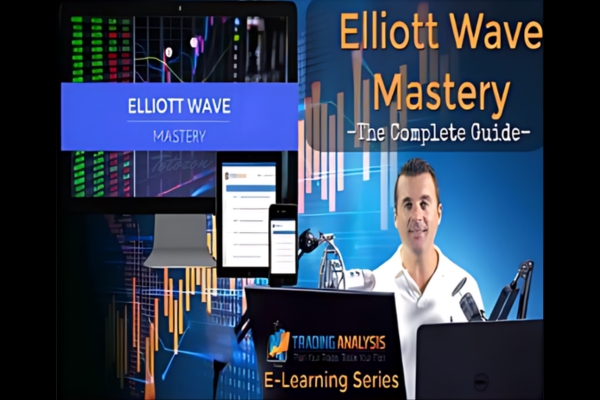 Elliott Wave Mastery Course with Todd Gordon
1 × $54.00
Elliott Wave Mastery Course with Todd Gordon
1 × $54.00 -
×
 Zero to Hero Course with EVO Capital
1 × $13.00
Zero to Hero Course with EVO Capital
1 × $13.00 -
×
 Essentials in Quantitative Trading QT01 By HangukQuant's
1 × $23.00
Essentials in Quantitative Trading QT01 By HangukQuant's
1 × $23.00 -
×
 Backspreads, Diagonals and Butterflies – Advanced Options Strategies
1 × $6.00
Backspreads, Diagonals and Butterflies – Advanced Options Strategies
1 × $6.00 -
×
 Markets 101 Complete Course with Joseph Wang - Central Banking 101
1 × $13.00
Markets 101 Complete Course with Joseph Wang - Central Banking 101
1 × $13.00 -
×
 Mining for Golden Trading Opportunities with Jake Bernstein
1 × $8.00
Mining for Golden Trading Opportunities with Jake Bernstein
1 × $8.00 -
×
 Million Dollar Traders Course with Lex Van Dam
1 × $5.00
Million Dollar Traders Course with Lex Van Dam
1 × $5.00 -
×
 Cycles: What they are, what they mean, how to profit by them - Dick Stoken
1 × $6.00
Cycles: What they are, what they mean, how to profit by them - Dick Stoken
1 × $6.00 -
×
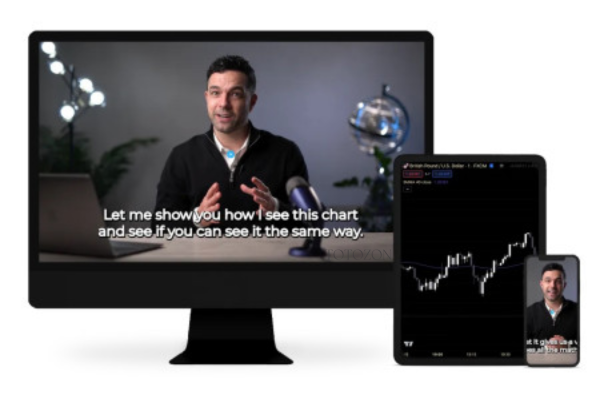 Forex Masterclass with 20 Minute Trader
1 × $23.00
Forex Masterclass with 20 Minute Trader
1 × $23.00 -
×
 Futures Spread Trading Intro Course with Thetradingframework
1 × $6.00
Futures Spread Trading Intro Course with Thetradingframework
1 × $6.00 -
×
 Wyckoff Analysis Series. Module 2. Wyckoff Candle Volume Analysis
1 × $6.00
Wyckoff Analysis Series. Module 2. Wyckoff Candle Volume Analysis
1 × $6.00

8 Year Presidential Election Pattern (Article) with Adam White
$6.00
File Size: Cooming soon!
Delivery Time: 1–12 hours
Media Type: Online Course
Content Proof: Watch Here!
You may check content proof of “8 Year Presidential Election Pattern (Article) with Adam White” below:

8 Year Presidential Election Pattern (Article) with Adam White
Introduction to the 8-Year Presidential Election Pattern
The 8-year presidential election pattern is a fascinating phenomenon observed in the stock market and economy. This pattern, analyzed extensively by financial expert Adam White, suggests that U.S. presidential elections have a cyclical impact on market trends. In this article, we will explore this pattern in detail and understand its implications for traders and investors.
Who is Adam White?
Adam White is a seasoned financial analyst and author, renowned for his expertise in market cycles and economic patterns. His insights into the 8-year presidential election pattern have helped many investors make informed decisions.
Understanding the 8-Year Presidential Election Pattern
The 8-year presidential election pattern refers to the recurring economic and market trends that align with the U.S. presidential election cycle.
Historical Context
Historically, the U.S. stock market has exhibited cyclical trends in alignment with the presidential election cycle. These trends can be linked to policy changes, political stability, and investor sentiment.
Key Phases of the Cycle
- Election Year: Market volatility tends to increase due to uncertainty about the election outcome.
- Post-Election Year: Typically, markets stabilize as new policies are implemented.
- Mid-Term Year: Mid-term elections can cause shifts in market trends based on legislative changes.
- Pre-Election Year: Often marked by optimism and market rallies as candidates campaign with pro-economic growth promises.
Analyzing Market Trends with the Election Pattern
Bullish and Bearish Phases
- Bullish Trends: Historically, markets often rally in the pre-election year and early in the post-election year.
- Bearish Trends: Mid-term years sometimes witness corrections due to policy changes and political uncertainty.
Sectoral Impact
Certain sectors are more sensitive to election outcomes. For example, healthcare and defense sectors may experience volatility based on policy changes.
Investor Sentiment
Investor sentiment is a critical factor. The election cycle can significantly influence investor confidence and risk tolerance.
Practical Implications for Traders
Timing Trades
Understanding the election pattern can help traders time their trades more effectively. For instance, entering bullish positions in pre-election years may yield positive results.
Diversification Strategies
Diversifying investments across different sectors can mitigate risks associated with election-related volatility.
Risk Management
Implementing robust risk management strategies, such as stop-loss orders, can protect portfolios during volatile election periods.
Case Studies: Real-World Examples
Case Study 1: 2008 Financial Crisis
The 2008 financial crisis, occurring during an election year, demonstrated how political and economic uncertainty could lead to significant market downturns.
Case Study 2: 2016 Presidential Election
The 2016 election saw substantial market volatility, with sectors like healthcare experiencing pronounced fluctuations due to policy uncertainties.
Strategies for Leveraging the Election Pattern
Long-Term Investing
Long-term investors can benefit from understanding the 8-year cycle by positioning their portfolios to take advantage of anticipated bullish phases.
Short-Term Trading
Short-term traders can capitalize on election-induced volatility by employing strategies such as swing trading and day trading.
Economic Indicators
Monitoring economic indicators, such as GDP growth and unemployment rates, can provide additional insights into market trends during election cycles.
Challenges and Limitations
Unpredictability of Elections
Elections are inherently unpredictable. External factors, such as geopolitical events and economic crises, can disrupt established patterns.
Market Sentiment
Market sentiment can be influenced by a myriad of factors beyond elections, making it essential to consider other economic indicators.
Policy Changes
Post-election policy changes can have varying impacts on different sectors, adding complexity to market predictions.
Future of the 8-Year Election Pattern
Evolving Political Landscape
As the political landscape evolves, so too may the election pattern. Emerging issues, such as climate change and technology regulation, could influence future trends.
Global Implications
The interconnectedness of global markets means that U.S. elections can have ripple effects worldwide, affecting international trade and investment.
Technological Advancements
Advancements in data analysis and artificial intelligence could enhance our understanding and prediction of election-related market trends.
Conclusion
The 8-year presidential election pattern, as analyzed by Adam White, offers valuable insights into market trends and economic cycles. By understanding this pattern, traders and investors can make more informed decisions, leveraging historical data to anticipate market movements. While challenges and uncertainties remain, the election cycle provides a framework for navigating the complexities of the financial markets.
Frequently Asked Questions
1. What is the 8-year presidential election pattern?
The 8-year presidential election pattern refers to recurring market trends aligned with the U.S. presidential election cycle, impacting economic and market dynamics.
2. How can traders use the election pattern?
Traders can use the election pattern to time their trades, diversify investments, and implement risk management strategies during volatile election periods.
3. Are there sectors more affected by elections?
Yes, sectors such as healthcare and defense are often more sensitive to election outcomes due to policy changes and political agendas.
4. Can external factors disrupt the election pattern?
Absolutely, external factors like geopolitical events and economic crises can disrupt the established election pattern, influencing market trends unpredictably.
5. How reliable is the election pattern for predicting market trends?
While the election pattern provides a useful framework, it is essential to consider other economic indicators and remain aware of the inherent unpredictability of elections.
Be the first to review “8 Year Presidential Election Pattern (Article) with Adam White”
You must be logged in to post a review.
Related products

Original price was: $695.00.$41.00Current price is: $41.00.
Original price was: $1,200.00.$23.00Current price is: $23.00.

Original price was: $895.00.$15.00Current price is: $15.00.
Forex Trading
Original price was: $4,997.00.$27.00Current price is: $27.00.
Original price was: $649.00.$20.00Current price is: $20.00.

Forex Trading
Original price was: $697.00.$5.00Current price is: $5.00.
Original price was: $4,995.00.$15.00Current price is: $15.00.
Forex Trading
Original price was: $797.00.$10.00Current price is: $10.00.
Original price was: $997.00.$13.00Current price is: $13.00.
Forex Trading
Original price was: $2,997.00.$23.00Current price is: $23.00.

Original price was: $197.00.$5.00Current price is: $5.00.
Original price was: $700.00.$39.00Current price is: $39.00.
Forex Trading
Original price was: $239.00.$8.00Current price is: $8.00.
Forex Trading
Original price was: $500.00.$5.00Current price is: $5.00.
Forex Trading
Original price was: $550.00.$5.00Current price is: $5.00.

Forex Trading
Original price was: $799.00.$15.00Current price is: $15.00.
Original price was: $310.00.$23.00Current price is: $23.00.
Forex Trading
Original price was: $999.00.$15.00Current price is: $15.00.
Forex Trading
Original price was: $850.00.$23.00Current price is: $23.00.

Original price was: $799.00.$15.00Current price is: $15.00.

Reviews
There are no reviews yet.