
-
×
 Module 1 & 2 Swing Trading Forex and Financial Futures with Trader Dante
1 × $15.00
Module 1 & 2 Swing Trading Forex and Financial Futures with Trader Dante
1 × $15.00 -
×
 The Intelligent Investor (Audio Book) with Benjamin Graham
1 × $6.00
The Intelligent Investor (Audio Book) with Benjamin Graham
1 × $6.00 -
×
 The Best Option Trading Course with David Jaffee - Best Stock Strategy
1 × $15.00
The Best Option Trading Course with David Jaffee - Best Stock Strategy
1 × $15.00 -
×
 Essentials in Quantitative Trading QT01 By HangukQuant's
1 × $23.00
Essentials in Quantitative Trading QT01 By HangukQuant's
1 × $23.00 -
×
 Advanced Spread Trading with Guy Bower - MasterClass Trader
1 × $15.00
Advanced Spread Trading with Guy Bower - MasterClass Trader
1 × $15.00 -
×
 The Trading Blueprint with Brad Goh - The Trading Geek
1 × $5.00
The Trading Blueprint with Brad Goh - The Trading Geek
1 × $5.00 -
×
 The Naked Eye: Raw Data Analytics with Edgar Torres - Raw Data Analytics
1 × $8.00
The Naked Eye: Raw Data Analytics with Edgar Torres - Raw Data Analytics
1 × $8.00 -
×
 Bond Market Course with The Macro Compass
1 × $15.00
Bond Market Course with The Macro Compass
1 × $15.00 -
×
 Know Where You Live. Risk Management Toolkit - Seth Gregory & Bob Lambert
1 × $6.00
Know Where You Live. Risk Management Toolkit - Seth Gregory & Bob Lambert
1 × $6.00 -
×
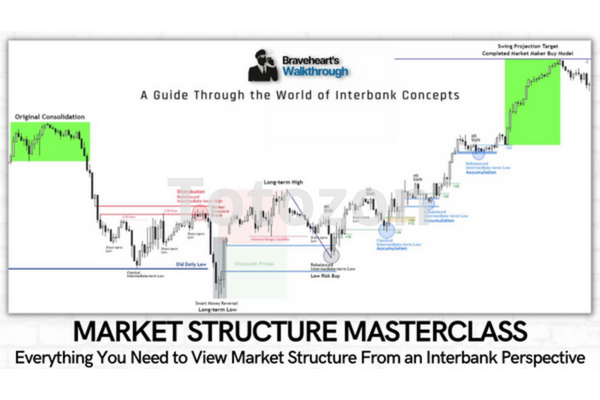 Market Structure Masterclass with Braveheart Trading
1 × $5.00
Market Structure Masterclass with Braveheart Trading
1 × $5.00 -
×
 The Wolf of Investing: My Insider's Playbook for Making a Fortune on Wall Street with Jordan Belfort
1 × $6.00
The Wolf of Investing: My Insider's Playbook for Making a Fortune on Wall Street with Jordan Belfort
1 × $6.00 -
×
 The A.M. Trader with MarketGauge
1 × $31.00
The A.M. Trader with MarketGauge
1 × $31.00 -
×
 High Probability Trading Using Elliott Wave And Fibonacci Analysis withVic Patel - Forex Training Group
1 × $10.00
High Probability Trading Using Elliott Wave And Fibonacci Analysis withVic Patel - Forex Training Group
1 × $10.00 -
×
 OFA Ninja Full Software Suite v7.9.1.5
1 × $54.00
OFA Ninja Full Software Suite v7.9.1.5
1 × $54.00 -
×
 The Indices Orderflow Masterclass with The Forex Scalpers
1 × $23.00
The Indices Orderflow Masterclass with The Forex Scalpers
1 × $23.00 -
×
 Practical Approach to Trend Following By Rajandran R
1 × $15.00
Practical Approach to Trend Following By Rajandran R
1 × $15.00 -
×
 Scalp Strategy and Flipping Small Accounts with Opes Trading Group
1 × $5.00
Scalp Strategy and Flipping Small Accounts with Opes Trading Group
1 × $5.00 -
×
 Deep Dive Butterfly Trading Strategy Class with SJG Trades
1 × $41.00
Deep Dive Butterfly Trading Strategy Class with SJG Trades
1 × $41.00 -
×
 WondaFX Signature Strategy with WondaFX
1 × $5.00
WondaFX Signature Strategy with WondaFX
1 × $5.00 -
×
 TradeCraft: Your Path to Peak Performance Trading By Adam Grimes
1 × $15.00
TradeCraft: Your Path to Peak Performance Trading By Adam Grimes
1 × $15.00 -
×
 Crystal Ball Pack PLUS bonus Live Trade By Pat Mitchell - Trick Trades
1 × $20.00
Crystal Ball Pack PLUS bonus Live Trade By Pat Mitchell - Trick Trades
1 × $20.00 -
×
 $20 – 52k 20 pips a day challange with Rafał Zuchowicz - TopMasterTrader
1 × $5.00
$20 – 52k 20 pips a day challange with Rafał Zuchowicz - TopMasterTrader
1 × $5.00 -
×
 Options Trading & Ultimate MasterClass With Tyrone Abela - FX Evolution
1 × $54.00
Options Trading & Ultimate MasterClass With Tyrone Abela - FX Evolution
1 × $54.00 -
×
 Quantamentals - The Next Great Forefront Of Trading and Investing with Trading Markets
1 × $8.00
Quantamentals - The Next Great Forefront Of Trading and Investing with Trading Markets
1 × $8.00 -
×
 The Orderflows Trade Opportunities Encyclopedia with Michael Valtos
1 × $8.00
The Orderflows Trade Opportunities Encyclopedia with Michael Valtos
1 × $8.00 -
×
 The 13-Week Cash Flow Model
1 × $15.00
The 13-Week Cash Flow Model
1 × $15.00 -
×
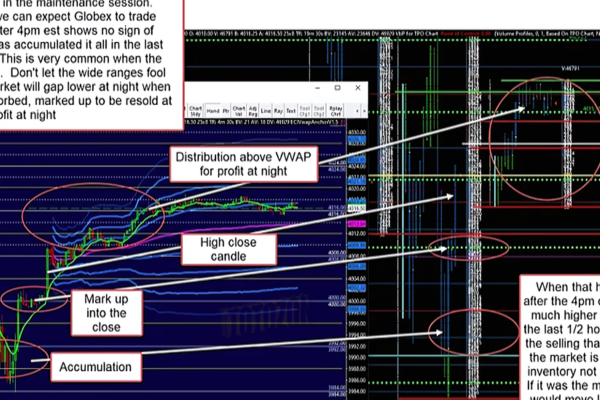 JJ Dream Team Workshop Training Full Course
1 × $55.00
JJ Dream Team Workshop Training Full Course
1 × $55.00 -
×
 AI For Traders with Trading Markets
1 × $31.00
AI For Traders with Trading Markets
1 × $31.00 -
×
 PRICE ACTION MASTERY
1 × $39.00
PRICE ACTION MASTERY
1 × $39.00 -
×
 Best of the Best: Collars with Amy Meissner & Scott Ruble
1 × $15.00
Best of the Best: Collars with Amy Meissner & Scott Ruble
1 × $15.00 -
×
 Professional Development Program (BRONZE Bundle) with Deeyana Angelo
1 × $78.00
Professional Development Program (BRONZE Bundle) with Deeyana Angelo
1 × $78.00 -
×
 Grand Slam Options
1 × $23.00
Grand Slam Options
1 × $23.00 -
×
 Intermediate to Advanced Intensive Q and A with Rob Hoffman
1 × $6.00
Intermediate to Advanced Intensive Q and A with Rob Hoffman
1 × $6.00 -
×
 The A14 Weekly Option Strategy Workshop with Amy Meissner
1 × $23.00
The A14 Weekly Option Strategy Workshop with Amy Meissner
1 × $23.00 -
×
 The Orderflow Masterclass with PrimeTrading
1 × $17.00
The Orderflow Masterclass with PrimeTrading
1 × $17.00 -
×
 Butterfly and Condor Workshop with Aeromir
1 × $15.00
Butterfly and Condor Workshop with Aeromir
1 × $15.00 -
×
 TRADING NFX Course with Andrew NFX
1 × $5.00
TRADING NFX Course with Andrew NFX
1 × $5.00 -
×
 Mastering the Orderbook with Rowan Crawford
1 × $6.00
Mastering the Orderbook with Rowan Crawford
1 × $6.00 -
×
 MotiveWave Ultimate v5.1.3 (OFA, OFA AlgoX), (Aug 2017)
1 × $101.00
MotiveWave Ultimate v5.1.3 (OFA, OFA AlgoX), (Aug 2017)
1 × $101.00 -
×
 Order flow self-study training program with iMFtracker
1 × $10.00
Order flow self-study training program with iMFtracker
1 × $10.00 -
×
 M3-4u Trading System with John Locke
1 × $5.00
M3-4u Trading System with John Locke
1 × $5.00 -
×
 Algo Trading Masterclass with Ali Casey - StatOasis
1 × $23.00
Algo Trading Masterclass with Ali Casey - StatOasis
1 × $23.00 -
×
 Swing Trading for a Living (7 Video Cds & WorkBook 2.1 GB)
1 × $6.00
Swing Trading for a Living (7 Video Cds & WorkBook 2.1 GB)
1 × $6.00 -
×
 Measuring Market Risk (2nd Edition) with Kevin Dowd
1 × $6.00
Measuring Market Risk (2nd Edition) with Kevin Dowd
1 × $6.00 -
×
 Monetary Mechanics Course 2024 with The Macro Compass
1 × $139.00
Monetary Mechanics Course 2024 with The Macro Compass
1 × $139.00 -
×
 The Handbook of Pairs Trading with Douglas Ehrman
1 × $6.00
The Handbook of Pairs Trading with Douglas Ehrman
1 × $6.00 -
×
 SQX Mentorship with Tip Toe Hippo
1 × $23.00
SQX Mentorship with Tip Toe Hippo
1 × $23.00 -
×
 OilTradingAcademy - Oil Trading Academy Code 1 + 2 + 3 Video Course
1 × $6.00
OilTradingAcademy - Oil Trading Academy Code 1 + 2 + 3 Video Course
1 × $6.00 -
×
 Quantitative Finance & Algorithmic Trading II - Time Series with Holczer Balazs
1 × $4.00
Quantitative Finance & Algorithmic Trading II - Time Series with Holczer Balazs
1 × $4.00 -
×
 Ichimoku Cloud Trading Course with FollowMeTrades
1 × $15.00
Ichimoku Cloud Trading Course with FollowMeTrades
1 × $15.00 -
×
 ICT Trading Models with The Prop Trader
1 × $5.00
ICT Trading Models with The Prop Trader
1 × $5.00 -
×
 John Bollinger on Bollinger Bands
1 × $6.00
John Bollinger on Bollinger Bands
1 × $6.00 -
×
 Middle Market M & A: Handbook for Investment Banking and Business Consulting (1st Edition) - Kenneth Marks
1 × $6.00
Middle Market M & A: Handbook for Investment Banking and Business Consulting (1st Edition) - Kenneth Marks
1 × $6.00 -
×
 Mastering Technical Analysis with Investi Share
1 × $23.00
Mastering Technical Analysis with Investi Share
1 × $23.00 -
×
 FX SpeedRunner
1 × $5.00
FX SpeedRunner
1 × $5.00 -
×
 Ichimoku Traders Academy with Tyler Espitia
1 × $31.00
Ichimoku Traders Academy with Tyler Espitia
1 × $31.00 -
×
 Technical Analysis with Alexander Elder Video Series
1 × $6.00
Technical Analysis with Alexander Elder Video Series
1 × $6.00 -
×
 Price Analysis Webinar with Carolyn Boroden
1 × $6.00
Price Analysis Webinar with Carolyn Boroden
1 × $6.00 -
×
 Mastering Fundamental Analysis with Michael Thomsett
1 × $6.00
Mastering Fundamental Analysis with Michael Thomsett
1 × $6.00 -
×
 Stonhill Forex 201 Advanced Course
1 × $5.00
Stonhill Forex 201 Advanced Course
1 × $5.00 -
×
 The Prop Trading Code with Brannigan Barrett - Axia Futures
1 × $23.00
The Prop Trading Code with Brannigan Barrett - Axia Futures
1 × $23.00 -
×
 The Blueprint to Success with Humair FX
1 × $5.00
The Blueprint to Success with Humair FX
1 × $5.00 -
×
 The Oil Money (open code) (Nov 2013)
1 × $6.00
The Oil Money (open code) (Nov 2013)
1 × $6.00 -
×
 Home Run Options Trading Course with Dave Aquino - Base Camp Trading
1 × $11.00
Home Run Options Trading Course with Dave Aquino - Base Camp Trading
1 × $11.00 -
×
 Stock Market Investing Mastery with Jeremy
1 × $39.00
Stock Market Investing Mastery with Jeremy
1 × $39.00 -
×
 Matrix Spread Options Trading Course with Base Camp Trading
1 × $31.00
Matrix Spread Options Trading Course with Base Camp Trading
1 × $31.00 -
×
 Forecast 2024 Clarification with Larry Williams
1 × $15.00
Forecast 2024 Clarification with Larry Williams
1 × $15.00 -
×
 Trading Short TermSame Day Trades Sep 2023 with Dan Sheridan & Mark Fenton - Sheridan Options Mentoring
1 × $31.00
Trading Short TermSame Day Trades Sep 2023 with Dan Sheridan & Mark Fenton - Sheridan Options Mentoring
1 × $31.00

8 Year Presidential Election Pattern (Article) with Adam White
$6.00
File Size: Cooming soon!
Delivery Time: 1–12 hours
Media Type: Online Course
Content Proof: Watch Here!
You may check content proof of “8 Year Presidential Election Pattern (Article) with Adam White” below:

8 Year Presidential Election Pattern (Article) with Adam White
Introduction to the 8-Year Presidential Election Pattern
The 8-year presidential election pattern is a fascinating phenomenon observed in the stock market and economy. This pattern, analyzed extensively by financial expert Adam White, suggests that U.S. presidential elections have a cyclical impact on market trends. In this article, we will explore this pattern in detail and understand its implications for traders and investors.
Who is Adam White?
Adam White is a seasoned financial analyst and author, renowned for his expertise in market cycles and economic patterns. His insights into the 8-year presidential election pattern have helped many investors make informed decisions.
Understanding the 8-Year Presidential Election Pattern
The 8-year presidential election pattern refers to the recurring economic and market trends that align with the U.S. presidential election cycle.
Historical Context
Historically, the U.S. stock market has exhibited cyclical trends in alignment with the presidential election cycle. These trends can be linked to policy changes, political stability, and investor sentiment.
Key Phases of the Cycle
- Election Year: Market volatility tends to increase due to uncertainty about the election outcome.
- Post-Election Year: Typically, markets stabilize as new policies are implemented.
- Mid-Term Year: Mid-term elections can cause shifts in market trends based on legislative changes.
- Pre-Election Year: Often marked by optimism and market rallies as candidates campaign with pro-economic growth promises.
Analyzing Market Trends with the Election Pattern
Bullish and Bearish Phases
- Bullish Trends: Historically, markets often rally in the pre-election year and early in the post-election year.
- Bearish Trends: Mid-term years sometimes witness corrections due to policy changes and political uncertainty.
Sectoral Impact
Certain sectors are more sensitive to election outcomes. For example, healthcare and defense sectors may experience volatility based on policy changes.
Investor Sentiment
Investor sentiment is a critical factor. The election cycle can significantly influence investor confidence and risk tolerance.
Practical Implications for Traders
Timing Trades
Understanding the election pattern can help traders time their trades more effectively. For instance, entering bullish positions in pre-election years may yield positive results.
Diversification Strategies
Diversifying investments across different sectors can mitigate risks associated with election-related volatility.
Risk Management
Implementing robust risk management strategies, such as stop-loss orders, can protect portfolios during volatile election periods.
Case Studies: Real-World Examples
Case Study 1: 2008 Financial Crisis
The 2008 financial crisis, occurring during an election year, demonstrated how political and economic uncertainty could lead to significant market downturns.
Case Study 2: 2016 Presidential Election
The 2016 election saw substantial market volatility, with sectors like healthcare experiencing pronounced fluctuations due to policy uncertainties.
Strategies for Leveraging the Election Pattern
Long-Term Investing
Long-term investors can benefit from understanding the 8-year cycle by positioning their portfolios to take advantage of anticipated bullish phases.
Short-Term Trading
Short-term traders can capitalize on election-induced volatility by employing strategies such as swing trading and day trading.
Economic Indicators
Monitoring economic indicators, such as GDP growth and unemployment rates, can provide additional insights into market trends during election cycles.
Challenges and Limitations
Unpredictability of Elections
Elections are inherently unpredictable. External factors, such as geopolitical events and economic crises, can disrupt established patterns.
Market Sentiment
Market sentiment can be influenced by a myriad of factors beyond elections, making it essential to consider other economic indicators.
Policy Changes
Post-election policy changes can have varying impacts on different sectors, adding complexity to market predictions.
Future of the 8-Year Election Pattern
Evolving Political Landscape
As the political landscape evolves, so too may the election pattern. Emerging issues, such as climate change and technology regulation, could influence future trends.
Global Implications
The interconnectedness of global markets means that U.S. elections can have ripple effects worldwide, affecting international trade and investment.
Technological Advancements
Advancements in data analysis and artificial intelligence could enhance our understanding and prediction of election-related market trends.
Conclusion
The 8-year presidential election pattern, as analyzed by Adam White, offers valuable insights into market trends and economic cycles. By understanding this pattern, traders and investors can make more informed decisions, leveraging historical data to anticipate market movements. While challenges and uncertainties remain, the election cycle provides a framework for navigating the complexities of the financial markets.
Frequently Asked Questions
1. What is the 8-year presidential election pattern?
The 8-year presidential election pattern refers to recurring market trends aligned with the U.S. presidential election cycle, impacting economic and market dynamics.
2. How can traders use the election pattern?
Traders can use the election pattern to time their trades, diversify investments, and implement risk management strategies during volatile election periods.
3. Are there sectors more affected by elections?
Yes, sectors such as healthcare and defense are often more sensitive to election outcomes due to policy changes and political agendas.
4. Can external factors disrupt the election pattern?
Absolutely, external factors like geopolitical events and economic crises can disrupt the established election pattern, influencing market trends unpredictably.
5. How reliable is the election pattern for predicting market trends?
While the election pattern provides a useful framework, it is essential to consider other economic indicators and remain aware of the inherent unpredictability of elections.
Be the first to review “8 Year Presidential Election Pattern (Article) with Adam White”
You must be logged in to post a review.
Related products
Forex Trading
Original price was: $2,997.00.$23.00Current price is: $23.00.
Original price was: $299.00.$8.00Current price is: $8.00.

Forex Trading
Original price was: $1,098.00.$39.00Current price is: $39.00.
Original price was: $799.00.$15.00Current price is: $15.00.
Forex Trading
Original price was: $850.00.$23.00Current price is: $23.00.
Forex Trading
Original price was: $499.00.$15.00Current price is: $15.00.

Forex Trading
Original price was: $239.00.$8.00Current price is: $8.00.

Original price was: $2,120.00.$15.00Current price is: $15.00.
Original price was: $999.00.$5.00Current price is: $5.00.
Original price was: $997.00.$8.00Current price is: $8.00.
Forex Trading
Original price was: $550.00.$5.00Current price is: $5.00.
Forex Trading
Original price was: $249.00.$15.00Current price is: $15.00.

Forex Trading
Original price was: $999.00.$15.00Current price is: $15.00.
Original price was: $497.00.$31.00Current price is: $31.00.
Original price was: $695.00.$41.00Current price is: $41.00.
Forex Trading
Original price was: $500.00.$5.00Current price is: $5.00.
Forex Trading
Original price was: $799.00.$15.00Current price is: $15.00.
Forex Trading
Original price was: $797.00.$10.00Current price is: $10.00.

Original price was: $139.00.$23.00Current price is: $23.00.

Original price was: $700.00.$39.00Current price is: $39.00.

Reviews
There are no reviews yet.