
-
×
 Currency Trading and Intermarket Analysis
1 × $6.00
Currency Trading and Intermarket Analysis
1 × $6.00 -
×
 Forex Trading - Making A Living Online Trading Forex By Luciano Kelly & Learn Forex Mentor
1 × $6.00
Forex Trading - Making A Living Online Trading Forex By Luciano Kelly & Learn Forex Mentor
1 × $6.00 -
×
 The Options Handbook with Bernie Schaeffer
1 × $6.00
The Options Handbook with Bernie Schaeffer
1 × $6.00 -
×
 4D Bootcamp with Black Rabbit
1 × $10.00
4D Bootcamp with Black Rabbit
1 × $10.00 -
×
 Getting Started in Options with Michael Thomsett
1 × $6.00
Getting Started in Options with Michael Thomsett
1 × $6.00 -
×
 TRADING NFX Course with Andrew NFX
1 × $5.00
TRADING NFX Course with Andrew NFX
1 × $5.00 -
×
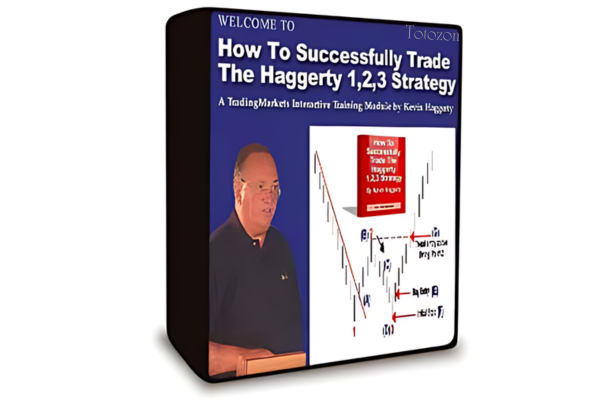 How To Successfully Trade The Haggerty 1,2,3 Strategy Home Study Trading Course with Kevin Haggerty
1 × $6.00
How To Successfully Trade The Haggerty 1,2,3 Strategy Home Study Trading Course with Kevin Haggerty
1 × $6.00 -
×
 Cumulative and Comparative TICK (Option TradeStation)
1 × $23.00
Cumulative and Comparative TICK (Option TradeStation)
1 × $23.00 -
×
 The Price Action Protocol - 2015 Edition
1 × $15.00
The Price Action Protocol - 2015 Edition
1 × $15.00 -
×
 The Futures Edge with Joshua Martinez
1 × $155.00
The Futures Edge with Joshua Martinez
1 × $155.00 -
×
 Schwager on Futures: Managed Trading with Jack Schwager
1 × $4.00
Schwager on Futures: Managed Trading with Jack Schwager
1 × $4.00 -
×
 Forex Trading for Beginners 100 Must Know “What”&”How” Q&A
1 × $5.00
Forex Trading for Beginners 100 Must Know “What”&”How” Q&A
1 × $5.00 -
×
 The Chinese Capital Market with Annette Kleinbrod
1 × $6.00
The Chinese Capital Market with Annette Kleinbrod
1 × $6.00 -
×
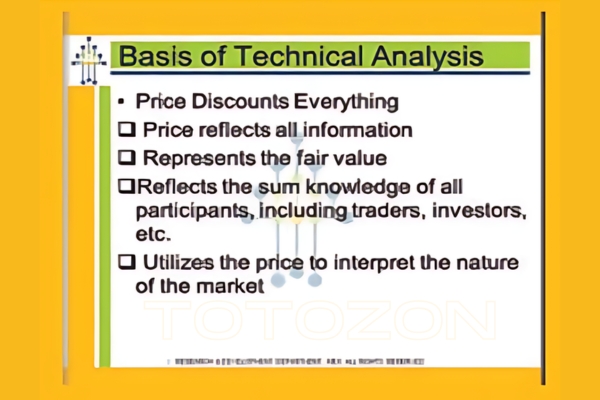 Technical Analysis. The Basis with Glenn Ring
1 × $6.00
Technical Analysis. The Basis with Glenn Ring
1 × $6.00 -
×
 White Phoenix’s The Smart (Money) Approach to Trading with Jayson Casper
1 × $39.00
White Phoenix’s The Smart (Money) Approach to Trading with Jayson Casper
1 × $39.00 -
×
 Mastering Level 2 with ClayTrader
1 × $197.00
Mastering Level 2 with ClayTrader
1 × $197.00 -
×
 How to Consistently Win Trading Stocks in 30 Days or Less
1 × $15.00
How to Consistently Win Trading Stocks in 30 Days or Less
1 × $15.00 -
×
 Advanced Options Concepts - Probability, Greeks, Simulation
1 × $6.00
Advanced Options Concepts - Probability, Greeks, Simulation
1 × $6.00 -
×
 Leading Indicators
1 × $23.00
Leading Indicators
1 × $23.00 -
×
 Advanced Elliott Wave Analysis : Complex Patterns, Intermarket Relationships, and Global Cash Flow Analysis
1 × $6.00
Advanced Elliott Wave Analysis : Complex Patterns, Intermarket Relationships, and Global Cash Flow Analysis
1 × $6.00 -
×
 Speculator King 1967 with Jesse Livermore
1 × $6.00
Speculator King 1967 with Jesse Livermore
1 × $6.00 -
×
 Introduction To The STRAT Course with Rob Smith
1 × $8.00
Introduction To The STRAT Course with Rob Smith
1 × $8.00 -
×
 Rise Precision Latest Course
1 × $10.00
Rise Precision Latest Course
1 × $10.00 -
×
 European Fixed Income Markets with Jonathan Batten
1 × $6.00
European Fixed Income Markets with Jonathan Batten
1 × $6.00 -
×
 Pay me in Stock Options with Carol Curtis
1 × $6.00
Pay me in Stock Options with Carol Curtis
1 × $6.00 -
×
 Fundamentals of Forex Trading with Joshua Garrison
1 × $5.00
Fundamentals of Forex Trading with Joshua Garrison
1 × $5.00 -
×
 Pattern Trader Pro with ForexStore
1 × $6.00
Pattern Trader Pro with ForexStore
1 × $6.00 -
×
 The Online Investing Book with Harry Domash
1 × $6.00
The Online Investing Book with Harry Domash
1 × $6.00 -
×
 The Ed Ponsi Forex Playbook: Strategies and Trade Set-Ups with Ed Ponsi
1 × $6.00
The Ed Ponsi Forex Playbook: Strategies and Trade Set-Ups with Ed Ponsi
1 × $6.00 -
×
 Intermarket Analysis with John Murphy
1 × $6.00
Intermarket Analysis with John Murphy
1 × $6.00 -
×
 Manage By The Greeks 2016 with Dan Sheridan
1 × $23.00
Manage By The Greeks 2016 with Dan Sheridan
1 × $23.00 -
×
 How to Create Better Trading Opportunities through Hedging with Jon Najarian
1 × $6.00
How to Create Better Trading Opportunities through Hedging with Jon Najarian
1 × $6.00 -
×
 Trading Mastery For Financial Freedom with Marv Eisen
1 × $10.00
Trading Mastery For Financial Freedom with Marv Eisen
1 × $10.00 -
×
 Price Action Trader Training
1 × $6.00
Price Action Trader Training
1 × $6.00 -
×
 Lit Trading Course
1 × $15.00
Lit Trading Course
1 × $15.00 -
×
 Forex Trading MasterClass with Torero Traders School
1 × $5.00
Forex Trading MasterClass with Torero Traders School
1 × $5.00 -
×
 Top 20 SP500 Trading Strategies Course with Larry Connors
1 × $23.00
Top 20 SP500 Trading Strategies Course with Larry Connors
1 × $23.00 -
×
 Advanced Seminar
1 × $31.00
Advanced Seminar
1 × $31.00 -
×
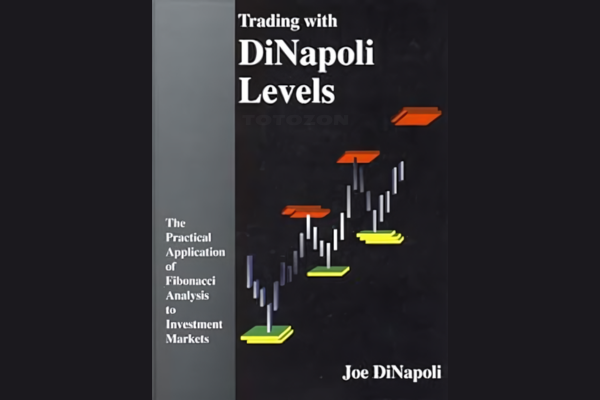 The Practical Application of Fibonacci Analysis to Investment Markets
1 × $6.00
The Practical Application of Fibonacci Analysis to Investment Markets
1 × $6.00 -
×
 Trading Without Gambling with Marcel Link
1 × $6.00
Trading Without Gambling with Marcel Link
1 × $6.00 -
×
 Forex Scalping Strategy Course with Vic Noble & Sarid Harper
1 × $6.00
Forex Scalping Strategy Course with Vic Noble & Sarid Harper
1 × $6.00 -
×
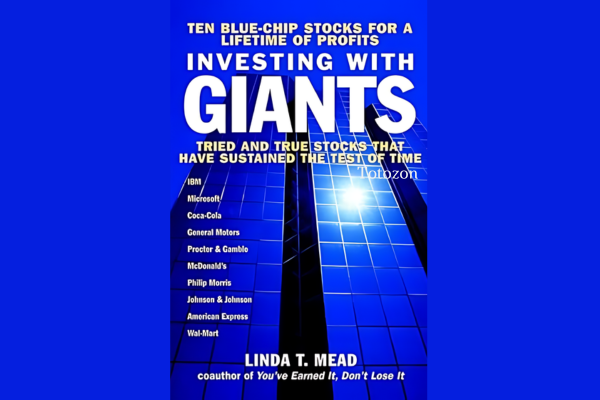 Investing With Giants: Tried and True Stocks That Have Sustained the Test of Time with Linda T.Mead
1 × $6.00
Investing With Giants: Tried and True Stocks That Have Sustained the Test of Time with Linda T.Mead
1 × $6.00 -
×
 Advanced Spread Trading with Guy Bower - MasterClass Trader
1 × $15.00
Advanced Spread Trading with Guy Bower - MasterClass Trader
1 × $15.00 -
×
 Market Trader Forecasting Modeling Course
1 × $6.00
Market Trader Forecasting Modeling Course
1 × $6.00 -
×
 The Prop Trading Code with Brannigan Barrett - Axia Futures
1 × $23.00
The Prop Trading Code with Brannigan Barrett - Axia Futures
1 × $23.00 -
×
 Professional Strategies For Trading The DAX
1 × $6.00
Professional Strategies For Trading The DAX
1 × $6.00 -
×
 Forex Trading Strategies Modules 1-3 Complete Set with Blake Young - Shadow Trader
1 × $54.00
Forex Trading Strategies Modules 1-3 Complete Set with Blake Young - Shadow Trader
1 × $54.00 -
×
 Big Money Little Effort with Mark Shipman
1 × $6.00
Big Money Little Effort with Mark Shipman
1 × $6.00 -
×
 Total Fibonacci Trading with TradeSmart University
1 × $31.00
Total Fibonacci Trading with TradeSmart University
1 × $31.00 -
×
 FluxOrion By Back To The Future Trading
1 × $6.00
FluxOrion By Back To The Future Trading
1 × $6.00 -
×
 Price Action Forex Trading Strategies Training Course & Members Videos with Nial Fuller
1 × $28.00
Price Action Forex Trading Strategies Training Course & Members Videos with Nial Fuller
1 × $28.00 -
×
 Successful Algorithmic Trading with Mike Halls-Moore
1 × $8.00
Successful Algorithmic Trading with Mike Halls-Moore
1 × $8.00 -
×
 Trading System Mastery with Brian McAboy
1 × $6.00
Trading System Mastery with Brian McAboy
1 × $6.00 -
×
 The Haller Theory of Stock Market Trends
1 × $6.00
The Haller Theory of Stock Market Trends
1 × $6.00 -
×
 Matrix Spread Options Trading Course with Base Camp Trading
1 × $31.00
Matrix Spread Options Trading Course with Base Camp Trading
1 × $31.00 -
×
 Art of Yen Course (Feb 2014)
1 × $23.00
Art of Yen Course (Feb 2014)
1 × $23.00 -
×
 DOM Trading Boot Camp with MasterClass Trader
1 × $5.00
DOM Trading Boot Camp with MasterClass Trader
1 × $5.00 -
×
 Ultimate Gann Course Coaching Safety in The Market COMPLETE 12 Modules with Aaron Lynch
1 × $6.00
Ultimate Gann Course Coaching Safety in The Market COMPLETE 12 Modules with Aaron Lynch
1 × $6.00 -
×
 Hit & Run Trading II with Jeff Cooper
1 × $4.00
Hit & Run Trading II with Jeff Cooper
1 × $4.00 -
×
 James Dalton Mind Over Markets Expanded Intensive Series 2018
1 × $6.00
James Dalton Mind Over Markets Expanded Intensive Series 2018
1 × $6.00 -
×
 Breakouts with Feibel Trading
1 × $5.00
Breakouts with Feibel Trading
1 × $5.00 -
×
 HINT (High Income No Taxes) with Jeff Watson
1 × $54.00
HINT (High Income No Taxes) with Jeff Watson
1 × $54.00 -
×
 The Orderflows Trade Opportunities Encyclopedia with Michael Valtos
1 × $8.00
The Orderflows Trade Opportunities Encyclopedia with Michael Valtos
1 × $8.00 -
×
 Chart Your Way to Profits (2nd Ed.) with Tim Knight
1 × $6.00
Chart Your Way to Profits (2nd Ed.) with Tim Knight
1 × $6.00 -
×
 Trading Rules that Work
1 × $6.00
Trading Rules that Work
1 × $6.00 -
×
 Home Run Options Trading Course with Dave Aquino - Base Camp Trading
1 × $11.00
Home Run Options Trading Course with Dave Aquino - Base Camp Trading
1 × $11.00

8 Year Presidential Election Pattern (Article) with Adam White
$6.00
File Size: Cooming soon!
Delivery Time: 1–12 hours
Media Type: Online Course
Content Proof: Watch Here!
You may check content proof of “8 Year Presidential Election Pattern (Article) with Adam White” below:

8 Year Presidential Election Pattern (Article) with Adam White
Introduction to the 8-Year Presidential Election Pattern
The 8-year presidential election pattern is a fascinating phenomenon observed in the stock market and economy. This pattern, analyzed extensively by financial expert Adam White, suggests that U.S. presidential elections have a cyclical impact on market trends. In this article, we will explore this pattern in detail and understand its implications for traders and investors.
Who is Adam White?
Adam White is a seasoned financial analyst and author, renowned for his expertise in market cycles and economic patterns. His insights into the 8-year presidential election pattern have helped many investors make informed decisions.
Understanding the 8-Year Presidential Election Pattern
The 8-year presidential election pattern refers to the recurring economic and market trends that align with the U.S. presidential election cycle.
Historical Context
Historically, the U.S. stock market has exhibited cyclical trends in alignment with the presidential election cycle. These trends can be linked to policy changes, political stability, and investor sentiment.
Key Phases of the Cycle
- Election Year: Market volatility tends to increase due to uncertainty about the election outcome.
- Post-Election Year: Typically, markets stabilize as new policies are implemented.
- Mid-Term Year: Mid-term elections can cause shifts in market trends based on legislative changes.
- Pre-Election Year: Often marked by optimism and market rallies as candidates campaign with pro-economic growth promises.
Analyzing Market Trends with the Election Pattern
Bullish and Bearish Phases
- Bullish Trends: Historically, markets often rally in the pre-election year and early in the post-election year.
- Bearish Trends: Mid-term years sometimes witness corrections due to policy changes and political uncertainty.
Sectoral Impact
Certain sectors are more sensitive to election outcomes. For example, healthcare and defense sectors may experience volatility based on policy changes.
Investor Sentiment
Investor sentiment is a critical factor. The election cycle can significantly influence investor confidence and risk tolerance.
Practical Implications for Traders
Timing Trades
Understanding the election pattern can help traders time their trades more effectively. For instance, entering bullish positions in pre-election years may yield positive results.
Diversification Strategies
Diversifying investments across different sectors can mitigate risks associated with election-related volatility.
Risk Management
Implementing robust risk management strategies, such as stop-loss orders, can protect portfolios during volatile election periods.
Case Studies: Real-World Examples
Case Study 1: 2008 Financial Crisis
The 2008 financial crisis, occurring during an election year, demonstrated how political and economic uncertainty could lead to significant market downturns.
Case Study 2: 2016 Presidential Election
The 2016 election saw substantial market volatility, with sectors like healthcare experiencing pronounced fluctuations due to policy uncertainties.
Strategies for Leveraging the Election Pattern
Long-Term Investing
Long-term investors can benefit from understanding the 8-year cycle by positioning their portfolios to take advantage of anticipated bullish phases.
Short-Term Trading
Short-term traders can capitalize on election-induced volatility by employing strategies such as swing trading and day trading.
Economic Indicators
Monitoring economic indicators, such as GDP growth and unemployment rates, can provide additional insights into market trends during election cycles.
Challenges and Limitations
Unpredictability of Elections
Elections are inherently unpredictable. External factors, such as geopolitical events and economic crises, can disrupt established patterns.
Market Sentiment
Market sentiment can be influenced by a myriad of factors beyond elections, making it essential to consider other economic indicators.
Policy Changes
Post-election policy changes can have varying impacts on different sectors, adding complexity to market predictions.
Future of the 8-Year Election Pattern
Evolving Political Landscape
As the political landscape evolves, so too may the election pattern. Emerging issues, such as climate change and technology regulation, could influence future trends.
Global Implications
The interconnectedness of global markets means that U.S. elections can have ripple effects worldwide, affecting international trade and investment.
Technological Advancements
Advancements in data analysis and artificial intelligence could enhance our understanding and prediction of election-related market trends.
Conclusion
The 8-year presidential election pattern, as analyzed by Adam White, offers valuable insights into market trends and economic cycles. By understanding this pattern, traders and investors can make more informed decisions, leveraging historical data to anticipate market movements. While challenges and uncertainties remain, the election cycle provides a framework for navigating the complexities of the financial markets.
Frequently Asked Questions
1. What is the 8-year presidential election pattern?
The 8-year presidential election pattern refers to recurring market trends aligned with the U.S. presidential election cycle, impacting economic and market dynamics.
2. How can traders use the election pattern?
Traders can use the election pattern to time their trades, diversify investments, and implement risk management strategies during volatile election periods.
3. Are there sectors more affected by elections?
Yes, sectors such as healthcare and defense are often more sensitive to election outcomes due to policy changes and political agendas.
4. Can external factors disrupt the election pattern?
Absolutely, external factors like geopolitical events and economic crises can disrupt the established election pattern, influencing market trends unpredictably.
5. How reliable is the election pattern for predicting market trends?
While the election pattern provides a useful framework, it is essential to consider other economic indicators and remain aware of the inherent unpredictability of elections.
Be the first to review “8 Year Presidential Election Pattern (Article) with Adam White”
You must be logged in to post a review.
Related products

Original price was: $999.00.$5.00Current price is: $5.00.
Original price was: $895.00.$15.00Current price is: $15.00.

Forex Trading
Original price was: $797.00.$10.00Current price is: $10.00.

Forex Trading
Original price was: $2,997.00.$23.00Current price is: $23.00.

Forex Trading
Original price was: $550.00.$5.00Current price is: $5.00.

Original price was: $649.00.$20.00Current price is: $20.00.

Forex Trading
Original price was: $1,098.00.$39.00Current price is: $39.00.

Forex Trading
Original price was: $2,000.00.$23.00Current price is: $23.00.

Forex Trading
Original price was: $2,995.00.$31.00Current price is: $31.00.

Original price was: $450.00.$23.00Current price is: $23.00.

Original price was: $2,120.00.$15.00Current price is: $15.00.

Forex Trading
The Complete Guide to Multiple Time Frame Analysis & Reading Price Action with Aiman Almansoori
Original price was: $1,399.00.$13.00Current price is: $13.00.

Forex Trading
Original price was: $249.00.$15.00Current price is: $15.00.

Forex Trading
Original price was: $4,997.00.$27.00Current price is: $27.00.

Original price was: $197.00.$5.00Current price is: $5.00.

Forex Trading
Original price was: $799.00.$15.00Current price is: $15.00.

Forex Trading
Quantamentals – The Next Great Forefront Of Trading and Investing with Trading Markets
Original price was: $1,495.00.$8.00Current price is: $8.00.

Forex Trading
Original price was: $239.00.$8.00Current price is: $8.00.

Original price was: $997.00.$13.00Current price is: $13.00.

Forex Trading
Original price was: $397.00.$31.00Current price is: $31.00.

Reviews
There are no reviews yet.