
-
×
 Risk Free Projections Course
1 × $85.00
Risk Free Projections Course
1 × $85.00 -
×
 Value Investing King of Trading Methods in the Commodity Markets - Hal Masover
1 × $6.00
Value Investing King of Trading Methods in the Commodity Markets - Hal Masover
1 × $6.00 -
×
 Launchpad Trading
1 × $23.00
Launchpad Trading
1 × $23.00 -
×
 AdjustMax
1 × $31.00
AdjustMax
1 × $31.00 -
×
 AIME System Forex Trading Course
1 × $6.00
AIME System Forex Trading Course
1 × $6.00 -
×
 Price Action Trader Training
1 × $6.00
Price Action Trader Training
1 × $6.00 -
×
 TrimTabs Investing with Charles Biderman & David Santschi
1 × $6.00
TrimTabs Investing with Charles Biderman & David Santschi
1 × $6.00 -
×
 The Superstock Investor with Charles LaLoggia
1 × $6.00
The Superstock Investor with Charles LaLoggia
1 × $6.00 -
×
 Flagship Trading Course with Llewelyn James
1 × $23.00
Flagship Trading Course with Llewelyn James
1 × $23.00 -
×
 MT4 High Probability Forex Trading Method
1 × $6.00
MT4 High Probability Forex Trading Method
1 × $6.00 -
×
 Scanning for Gold with Doug Sutton
1 × $31.00
Scanning for Gold with Doug Sutton
1 × $31.00 -
×
 FX Simplified
1 × $5.00
FX Simplified
1 × $5.00 -
×
 Broke: The New American Dream with Michael Covel
1 × $6.00
Broke: The New American Dream with Michael Covel
1 × $6.00 -
×
 Flipping Cash Rockstar with Lucas Adamski
1 × $6.00
Flipping Cash Rockstar with Lucas Adamski
1 × $6.00 -
×
 The Trap Trade Workshop with Doc Severson
1 × $6.00
The Trap Trade Workshop with Doc Severson
1 × $6.00 -
×
 Cheat Code Trading System
1 × $13.00
Cheat Code Trading System
1 × $13.00 -
×
 Options University - FX Technical Analysis
1 × $6.00
Options University - FX Technical Analysis
1 × $6.00 -
×
 Disciplined Trading How to Trade Your Wav to Financial Freedom Video
1 × $6.00
Disciplined Trading How to Trade Your Wav to Financial Freedom Video
1 × $6.00 -
×
 The Double Thurst Stock Trading System
1 × $15.00
The Double Thurst Stock Trading System
1 × $15.00 -
×
 Deep Market Analysis Volume 1 with Fractal Flow Pro
1 × $6.00
Deep Market Analysis Volume 1 with Fractal Flow Pro
1 × $6.00 -
×
 The Way of the Turtle with Curtis Faith
1 × $6.00
The Way of the Turtle with Curtis Faith
1 × $6.00 -
×
 Wyckoff simplified from Michael Z
1 × $6.00
Wyckoff simplified from Michael Z
1 × $6.00 -
×
 Catching Trend Reversals
1 × $6.00
Catching Trend Reversals
1 × $6.00 -
×
 Options Course - 4 CD Course + PDF Workbook with VectorVest
1 × $54.00
Options Course - 4 CD Course + PDF Workbook with VectorVest
1 × $54.00 -
×
 Forex Trading MasterClass with Torero Traders School
1 × $5.00
Forex Trading MasterClass with Torero Traders School
1 × $5.00 -
×
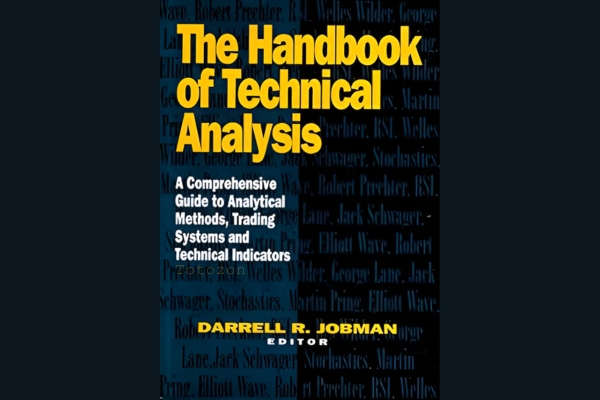 The Handbook of Technical Analysis: A Comprehensive Guide to Analytical Methods, Trading Systems and Technical Indicators with Darrell R. Jobman
1 × $6.00
The Handbook of Technical Analysis: A Comprehensive Guide to Analytical Methods, Trading Systems and Technical Indicators with Darrell R. Jobman
1 × $6.00 -
×
 Trading on Momentum with Ken Wolff
1 × $6.00
Trading on Momentum with Ken Wolff
1 × $6.00 -
×
 The Astrology of the Old Testament or The Lost World Regained with Karl Anderson
1 × $6.00
The Astrology of the Old Testament or The Lost World Regained with Karl Anderson
1 × $6.00 -
×
 Teresa Lo's PowerSwings EOD for eSignal (powerswings.com)
1 × $6.00
Teresa Lo's PowerSwings EOD for eSignal (powerswings.com)
1 × $6.00 -
×
 Vertex Investing Course (2023)
1 × $8.00
Vertex Investing Course (2023)
1 × $8.00 -
×
 Beginners Guide to Swing Trading Growth Stocks with Brandon Chapman
1 × $5.00
Beginners Guide to Swing Trading Growth Stocks with Brandon Chapman
1 × $5.00 -
×
 Simple Cyclical Analysis with Stan Erlich
1 × $6.00
Simple Cyclical Analysis with Stan Erlich
1 × $6.00 -
×
 Ultimate Trading Course with Dodgy's Dungeon
1 × $8.00
Ultimate Trading Course with Dodgy's Dungeon
1 × $8.00

8 Year Presidential Election Pattern (Article) with Adam White
$6.00
File Size: Cooming soon!
Delivery Time: 1–12 hours
Media Type: Online Course
Content Proof: Watch Here!
You may check content proof of “8 Year Presidential Election Pattern (Article) with Adam White” below:

8 Year Presidential Election Pattern (Article) with Adam White
Introduction to the 8-Year Presidential Election Pattern
The 8-year presidential election pattern is a fascinating phenomenon observed in the stock market and economy. This pattern, analyzed extensively by financial expert Adam White, suggests that U.S. presidential elections have a cyclical impact on market trends. In this article, we will explore this pattern in detail and understand its implications for traders and investors.
Who is Adam White?
Adam White is a seasoned financial analyst and author, renowned for his expertise in market cycles and economic patterns. His insights into the 8-year presidential election pattern have helped many investors make informed decisions.
Understanding the 8-Year Presidential Election Pattern
The 8-year presidential election pattern refers to the recurring economic and market trends that align with the U.S. presidential election cycle.
Historical Context
Historically, the U.S. stock market has exhibited cyclical trends in alignment with the presidential election cycle. These trends can be linked to policy changes, political stability, and investor sentiment.
Key Phases of the Cycle
- Election Year: Market volatility tends to increase due to uncertainty about the election outcome.
- Post-Election Year: Typically, markets stabilize as new policies are implemented.
- Mid-Term Year: Mid-term elections can cause shifts in market trends based on legislative changes.
- Pre-Election Year: Often marked by optimism and market rallies as candidates campaign with pro-economic growth promises.
Analyzing Market Trends with the Election Pattern
Bullish and Bearish Phases
- Bullish Trends: Historically, markets often rally in the pre-election year and early in the post-election year.
- Bearish Trends: Mid-term years sometimes witness corrections due to policy changes and political uncertainty.
Sectoral Impact
Certain sectors are more sensitive to election outcomes. For example, healthcare and defense sectors may experience volatility based on policy changes.
Investor Sentiment
Investor sentiment is a critical factor. The election cycle can significantly influence investor confidence and risk tolerance.
Practical Implications for Traders
Timing Trades
Understanding the election pattern can help traders time their trades more effectively. For instance, entering bullish positions in pre-election years may yield positive results.
Diversification Strategies
Diversifying investments across different sectors can mitigate risks associated with election-related volatility.
Risk Management
Implementing robust risk management strategies, such as stop-loss orders, can protect portfolios during volatile election periods.
Case Studies: Real-World Examples
Case Study 1: 2008 Financial Crisis
The 2008 financial crisis, occurring during an election year, demonstrated how political and economic uncertainty could lead to significant market downturns.
Case Study 2: 2016 Presidential Election
The 2016 election saw substantial market volatility, with sectors like healthcare experiencing pronounced fluctuations due to policy uncertainties.
Strategies for Leveraging the Election Pattern
Long-Term Investing
Long-term investors can benefit from understanding the 8-year cycle by positioning their portfolios to take advantage of anticipated bullish phases.
Short-Term Trading
Short-term traders can capitalize on election-induced volatility by employing strategies such as swing trading and day trading.
Economic Indicators
Monitoring economic indicators, such as GDP growth and unemployment rates, can provide additional insights into market trends during election cycles.
Challenges and Limitations
Unpredictability of Elections
Elections are inherently unpredictable. External factors, such as geopolitical events and economic crises, can disrupt established patterns.
Market Sentiment
Market sentiment can be influenced by a myriad of factors beyond elections, making it essential to consider other economic indicators.
Policy Changes
Post-election policy changes can have varying impacts on different sectors, adding complexity to market predictions.
Future of the 8-Year Election Pattern
Evolving Political Landscape
As the political landscape evolves, so too may the election pattern. Emerging issues, such as climate change and technology regulation, could influence future trends.
Global Implications
The interconnectedness of global markets means that U.S. elections can have ripple effects worldwide, affecting international trade and investment.
Technological Advancements
Advancements in data analysis and artificial intelligence could enhance our understanding and prediction of election-related market trends.
Conclusion
The 8-year presidential election pattern, as analyzed by Adam White, offers valuable insights into market trends and economic cycles. By understanding this pattern, traders and investors can make more informed decisions, leveraging historical data to anticipate market movements. While challenges and uncertainties remain, the election cycle provides a framework for navigating the complexities of the financial markets.
Frequently Asked Questions
1. What is the 8-year presidential election pattern?
The 8-year presidential election pattern refers to recurring market trends aligned with the U.S. presidential election cycle, impacting economic and market dynamics.
2. How can traders use the election pattern?
Traders can use the election pattern to time their trades, diversify investments, and implement risk management strategies during volatile election periods.
3. Are there sectors more affected by elections?
Yes, sectors such as healthcare and defense are often more sensitive to election outcomes due to policy changes and political agendas.
4. Can external factors disrupt the election pattern?
Absolutely, external factors like geopolitical events and economic crises can disrupt the established election pattern, influencing market trends unpredictably.
5. How reliable is the election pattern for predicting market trends?
While the election pattern provides a useful framework, it is essential to consider other economic indicators and remain aware of the inherent unpredictability of elections.
Be the first to review “8 Year Presidential Election Pattern (Article) with Adam White”
You must be logged in to post a review.
Related products

Original price was: $999.00.$5.00Current price is: $5.00.

Forex Trading
Original price was: $999.00.$15.00Current price is: $15.00.

Original price was: $997.00.$13.00Current price is: $13.00.

Forex Trading
Original price was: $499.00.$15.00Current price is: $15.00.

Original price was: $997.00.$8.00Current price is: $8.00.

Original price was: $700.00.$39.00Current price is: $39.00.

Forex Trading
Original price was: $397.00.$31.00Current price is: $31.00.

Original price was: $310.00.$23.00Current price is: $23.00.

Original price was: $1,849.00.$15.00Current price is: $15.00.

Original price was: $649.00.$20.00Current price is: $20.00.

Original price was: $1,800.00.$54.00Current price is: $54.00.

Original price was: $139.00.$23.00Current price is: $23.00.

Forex Trading
Original price was: $125.00.$17.00Current price is: $17.00.

Forex Trading
Original price was: $797.00.$10.00Current price is: $10.00.

Original price was: $4,995.00.$15.00Current price is: $15.00.

Original price was: $1,200.00.$23.00Current price is: $23.00.

Original price was: $799.00.$15.00Current price is: $15.00.

Original price was: $695.00.$41.00Current price is: $41.00.

Forex Trading
Original price was: $2,000.00.$23.00Current price is: $23.00.

Original price was: $2,120.00.$15.00Current price is: $15.00.

Reviews
There are no reviews yet.