
-
×
 The Complete Guide to Multiple Time Frame Analysis & Reading Price Action with Aiman Almansoori
1 × $13.00
The Complete Guide to Multiple Time Frame Analysis & Reading Price Action with Aiman Almansoori
1 × $13.00 -
×
 Advanced Spread Trading with Guy Bower - MasterClass Trader
1 × $15.00
Advanced Spread Trading with Guy Bower - MasterClass Trader
1 × $15.00 -
×
 Order flow self-study training program with iMFtracker
1 × $10.00
Order flow self-study training program with iMFtracker
1 × $10.00 -
×
 Home Run Options Trading Course with Dave Aquino - Base Camp Trading
1 × $11.00
Home Run Options Trading Course with Dave Aquino - Base Camp Trading
1 × $11.00 -
×
 The Complete FTMO Challenge Course with Petko Aleksandrov - EA Trading Academy
1 × $5.00
The Complete FTMO Challenge Course with Petko Aleksandrov - EA Trading Academy
1 × $5.00 -
×
 Tutorials in Applied Technical Analysis with Daryl Guppy
1 × $4.00
Tutorials in Applied Technical Analysis with Daryl Guppy
1 × $4.00 -
×
 The Prop Trading Code with Brannigan Barrett - Axia Futures
1 × $23.00
The Prop Trading Code with Brannigan Barrett - Axia Futures
1 × $23.00 -
×
 The Orderflow Masterclass with PrimeTrading
1 × $17.00
The Orderflow Masterclass with PrimeTrading
1 × $17.00 -
×
 0 DTE Options Trading Workshop with Aeromir Corporation
1 × $15.00
0 DTE Options Trading Workshop with Aeromir Corporation
1 × $15.00 -
×
 Ultimate Trading Course with Dodgy's Dungeon
1 × $8.00
Ultimate Trading Course with Dodgy's Dungeon
1 × $8.00 -
×
 NQ Full Order Flow Course with Scott Pulcini Trader
1 × $8.00
NQ Full Order Flow Course with Scott Pulcini Trader
1 × $8.00 -
×
 Trading Framework with Retail Capital
1 × $24.00
Trading Framework with Retail Capital
1 × $24.00 -
×
 The Best Option Trading Course with David Jaffee - Best Stock Strategy
1 × $15.00
The Best Option Trading Course with David Jaffee - Best Stock Strategy
1 × $15.00 -
×
 WondaFX Signature Strategy with WondaFX
1 × $5.00
WondaFX Signature Strategy with WondaFX
1 × $5.00 -
×
 The Naked Eye: Raw Data Analytics with Edgar Torres - Raw Data Analytics
1 × $8.00
The Naked Eye: Raw Data Analytics with Edgar Torres - Raw Data Analytics
1 × $8.00 -
×
 Essentials in Quantitative Trading QT01 By HangukQuant's
1 × $23.00
Essentials in Quantitative Trading QT01 By HangukQuant's
1 × $23.00 -
×
 Turning Losing Forex Trades into Winners: Proven Techniques to Reverse Your Losses with Gerald E.Greene
1 × $6.00
Turning Losing Forex Trades into Winners: Proven Techniques to Reverse Your Losses with Gerald E.Greene
1 × $6.00 -
×
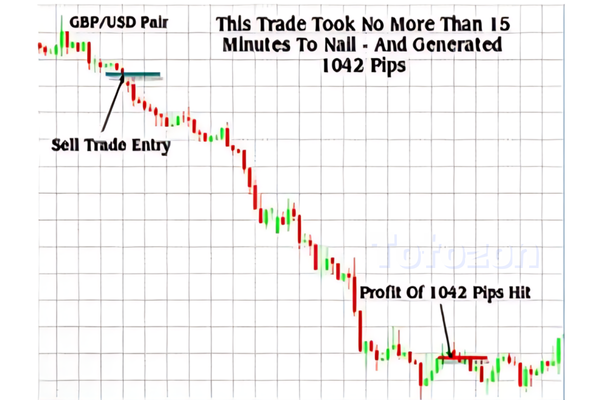 The Forex Legacy
1 × $6.00
The Forex Legacy
1 × $6.00 -
×
 The Ed Ponsi Forex Playbook: Strategies and Trade Set-Ups with Ed Ponsi
1 × $6.00
The Ed Ponsi Forex Playbook: Strategies and Trade Set-Ups with Ed Ponsi
1 × $6.00 -
×
 Bond Market Course with The Macro Compass
1 × $15.00
Bond Market Course with The Macro Compass
1 × $15.00 -
×
 Crystal Ball Pack PLUS bonus Live Trade By Pat Mitchell - Trick Trades
1 × $20.00
Crystal Ball Pack PLUS bonus Live Trade By Pat Mitchell - Trick Trades
1 × $20.00 -
×
 SQX Mentorship with Tip Toe Hippo
1 × $23.00
SQX Mentorship with Tip Toe Hippo
1 × $23.00 -
×
 Ultimate Breakout
1 × $54.00
Ultimate Breakout
1 × $54.00 -
×
 Insider Signal Exclusive Forex Course with Andy X
1 × $7.00
Insider Signal Exclusive Forex Course with Andy X
1 × $7.00 -
×
 Tunnel Through the Air (1994 Conference of Astro-Timing Techniques) with Bonnie Lee Hill
1 × $4.00
Tunnel Through the Air (1994 Conference of Astro-Timing Techniques) with Bonnie Lee Hill
1 × $4.00 -
×
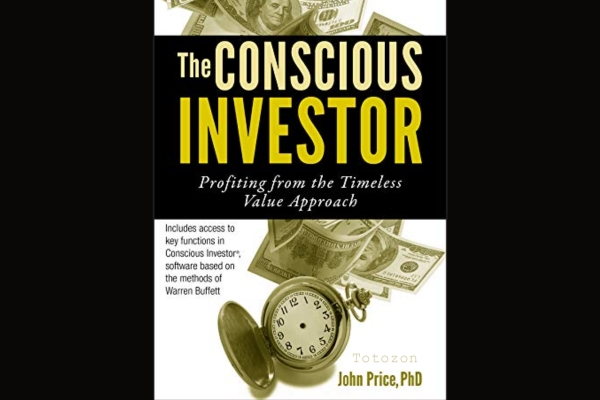 The Conscious Investor: Profiting from the Timeless Value Approach with John Price
1 × $6.00
The Conscious Investor: Profiting from the Timeless Value Approach with John Price
1 × $6.00 -
×
 Deep Dive Butterfly Trading Strategy Class with SJG Trades
1 × $41.00
Deep Dive Butterfly Trading Strategy Class with SJG Trades
1 × $41.00 -
×
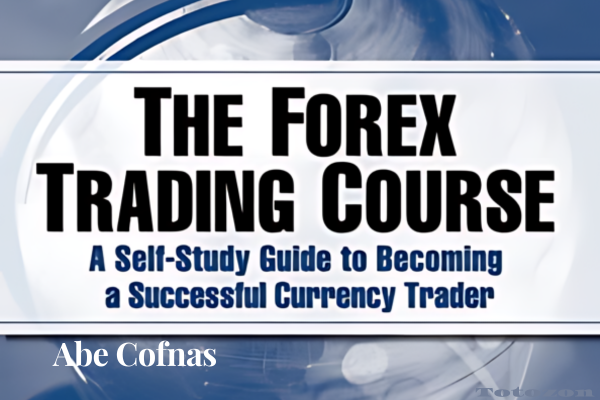 The Forex Trading Course: A Self-Study Guide To Becoming a Successful Currency Trader with Abe Cofnas
1 × $6.00
The Forex Trading Course: A Self-Study Guide To Becoming a Successful Currency Trader with Abe Cofnas
1 × $6.00 -
×
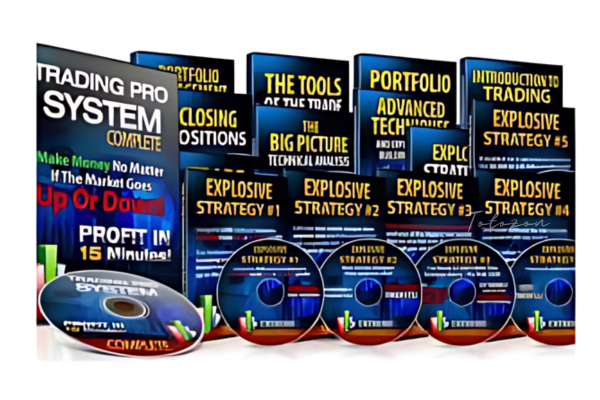 Trading Pro System
1 × $31.00
Trading Pro System
1 × $31.00 -
×
 TradeCraft: Your Path to Peak Performance Trading By Adam Grimes
1 × $15.00
TradeCraft: Your Path to Peak Performance Trading By Adam Grimes
1 × $15.00 -
×
 Matrix Spread Options Trading Course with Base Camp Trading
1 × $31.00
Matrix Spread Options Trading Course with Base Camp Trading
1 × $31.00 -
×
 The Stock Investing Course For Beginners with Matt Dodge
1 × $5.00
The Stock Investing Course For Beginners with Matt Dodge
1 × $5.00 -
×
 The Indices Orderflow Masterclass with The Forex Scalpers
1 × $23.00
The Indices Orderflow Masterclass with The Forex Scalpers
1 × $23.00 -
×
 Butterfly and Condor Workshop with Aeromir
1 × $15.00
Butterfly and Condor Workshop with Aeromir
1 × $15.00 -
×
 How To Read The Market Professionally with TradeSmart
1 × $27.00
How To Read The Market Professionally with TradeSmart
1 × $27.00 -
×
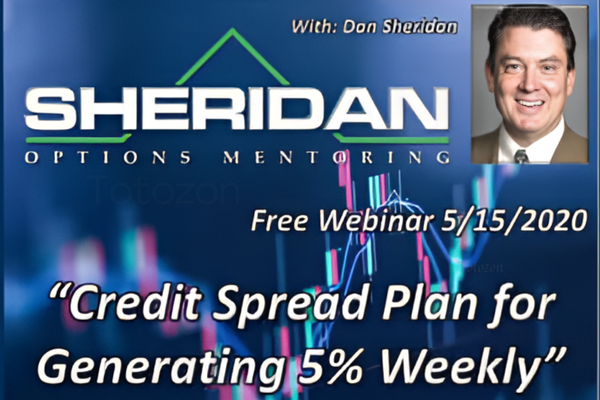 Credit Spread Plan to Generate 5% Weekly
1 × $31.00
Credit Spread Plan to Generate 5% Weekly
1 × $31.00 -
×
 Forecast 2024 Clarification with Larry Williams
1 × $15.00
Forecast 2024 Clarification with Larry Williams
1 × $15.00 -
×
 Best of the Best: Collars with Amy Meissner & Scott Ruble
1 × $15.00
Best of the Best: Collars with Amy Meissner & Scott Ruble
1 × $15.00 -
×
 The Secret to Extraordinary Wealth in the Options Market - 4 DVDs
1 × $31.00
The Secret to Extraordinary Wealth in the Options Market - 4 DVDs
1 × $31.00 -
×
 Uncertainty & Expectation Strategies for the Trading of Risk with Gerald Ashley
1 × $6.00
Uncertainty & Expectation Strategies for the Trading of Risk with Gerald Ashley
1 × $6.00 -
×
 Technical Analysis of the Currency Market Classic Techniques for Profiting from Market Swings and Trader Sentiment with Boris Schlossberg
1 × $6.00
Technical Analysis of the Currency Market Classic Techniques for Profiting from Market Swings and Trader Sentiment with Boris Schlossberg
1 × $6.00 -
×
 Trampoline Trading with Claytrader
1 × $6.00
Trampoline Trading with Claytrader
1 × $6.00 -
×
 The Orderflows Trade Opportunities Encyclopedia with Michael Valtos
1 × $8.00
The Orderflows Trade Opportunities Encyclopedia with Michael Valtos
1 × $8.00 -
×
 $20 – 52k 20 pips a day challange with Rafał Zuchowicz - TopMasterTrader
1 × $5.00
$20 – 52k 20 pips a day challange with Rafał Zuchowicz - TopMasterTrader
1 × $5.00
Examination Book Morning Section (1999)
$6.00
File Size: Coming soon!
Delivery Time: 1–12 hours
Media Type: Online Course
Examination Book Morning Section (1999)
The 1999 morning section of the examination book provides a significant snapshot into the educational standards and testing methodologies of the late 20th century. This retrospective analysis explores the structure, content, and the overarching educational goals of that pivotal examination session.
Introduction to the 1999 Morning Examination
The 1999 examination morning section is remembered for its rigorous approach to assessing student knowledge across various disciplines.
Overview of Examination Standards
In 1999, the focus was on a broad-based curriculum that aimed to challenge students in both theoretical and practical aspects of their studies.
Purpose of the Morning Section
The morning section typically included complex problem-solving scenarios designed to test critical thinking and problem-solving skills early in the day when students were most alert.
Key Disciplines Covered in 1999
The examination spanned multiple disciplines, each contributing to a well-rounded educational assessment.
Mathematics and its Applications
- Calculus and Algebra: Focus on advanced problem-solving and application in real-world scenarios.
- Statistics: Introduction to probability and its applications in daily life.
Sciences: Biology, Chemistry, Physics
- Experimental Sciences: Emphasis on scientific method and experimental accuracy.
- Theoretical Understanding: Deep dives into scientific theories and their practical implications.
Literature and Social Sciences
Exploring human societies and cultural expressions was a staple of the 1999 morning section.
Critical Analysis in Literature
- Textual Analysis: Students were tested on their ability to dissect and interpret literary texts.
- Comparative Studies: Comparisons between different literary works to foster a deeper understanding of themes and contexts.
Historical Context and Analysis
- World History: A broad survey of global events and their interconnections.
- Civic Understanding: Education on civic responsibilities and the functioning of societies.
Examination Techniques and Strategies
Effective preparation strategies were essential for success in the 1999 morning section.
Study Tips for Success
- Comprehensive Review: Encouraging thorough preparation across all subjects.
- Practice Exams: Utilizing past papers as a tool for preparation.
Time Management Skills
- Pacing: Techniques for managing time effectively during the exam to maximize performance.
- Question Prioritization: Identifying which questions to tackle first based on confidence and expertise.
Technological Integration in 1999
Although technology was just beginning to impact educational assessments, the 1999 exams incorporated basic digital literacy where applicable.
Use of Calculators and Computers
- Calculators: Permitted for use in mathematics and science sections to solve complex problems.
- Computers: Limited use in testing centers for computer-based testing trials.
Challenges and Innovations
- Adapting to Technology: Challenges students faced adapting to new tools in examination settings.
- Innovative Assessment Methods: Early adoption of digital testing methods to prepare students for the future.
Reflections on Educational Impact
The 1999 morning section not only tested academic knowledge but also prepared students for the challenges of the 21st century.
Preparing Students for a Globalized World
- Global Awareness: Incorporating lessons that promote understanding of global interdependence.
- Critical Thinking: Stressing the importance of analytical thinking in a rapidly changing world.
Conclusion
The examination book morning section of 1999 was a crucial element in shaping the educational trajectories of many students. It not only assessed their academic prowess but also prepared them for the complexities of modern, interconnected societies.
Frequently Asked Questions:
- What was the focus of the 1999 morning examination section?
- The focus was on testing a broad range of skills from problem-solving and critical thinking to understanding of scientific and mathematical principles.
- How were students assessed in literature and social sciences?
- Through critical analysis of texts, comparative literature studies, and understanding historical contexts.
- What role did technology play in the 1999 exams?
- Technology was integrated sparingly, primarily through the use of calculators and initial trials of computer-based tests.
- What were the key challenges faced by students in the 1999 exams?
- Adapting to new examination techniques, especially the integration of technology and managing time efficiently.
- How did the 1999 examination prepare students for future challenges?
- By fostering critical thinking, global awareness, and adaptability to new technologies.
Be the first to review “Examination Book Morning Section (1999)”
You must be logged in to post a review.
Related products

Original price was: $1,800.00.$54.00Current price is: $54.00.

Forex Trading
Quantamentals – The Next Great Forefront Of Trading and Investing with Trading Markets
Original price was: $1,495.00.$8.00Current price is: $8.00.
Forex Trading
The Complete Guide to Multiple Time Frame Analysis & Reading Price Action with Aiman Almansoori
Original price was: $1,399.00.$13.00Current price is: $13.00.
Original price was: $497.00.$11.00Current price is: $11.00.
Original price was: $799.00.$15.00Current price is: $15.00.
Forex Trading
Original price was: $249.00.$15.00Current price is: $15.00.
Forex Trading
Original price was: $125.00.$17.00Current price is: $17.00.
Original price was: $197.00.$5.00Current price is: $5.00.
Original price was: $1,200.00.$23.00Current price is: $23.00.
Original price was: $4,995.00.$15.00Current price is: $15.00.

Original price was: $139.00.$23.00Current price is: $23.00.

Original price was: $700.00.$39.00Current price is: $39.00.
Original price was: $299.00.$8.00Current price is: $8.00.

Forex Trading
Original price was: $1,098.00.$39.00Current price is: $39.00.

Forex Trading
Original price was: $397.00.$31.00Current price is: $31.00.
Original price was: $450.00.$23.00Current price is: $23.00.

Forex Trading
Original price was: $797.00.$10.00Current price is: $10.00.

Forex Trading
Original price was: $2,995.00.$31.00Current price is: $31.00.
Forex Trading
Original price was: $4,997.00.$27.00Current price is: $27.00.
Forex Trading
Original price was: $2,997.00.$23.00Current price is: $23.00.

Reviews
There are no reviews yet.