
-
×
 YouAreTheIndicator Online Course 1.0
1 × $6.00
YouAreTheIndicator Online Course 1.0
1 × $6.00 -
×
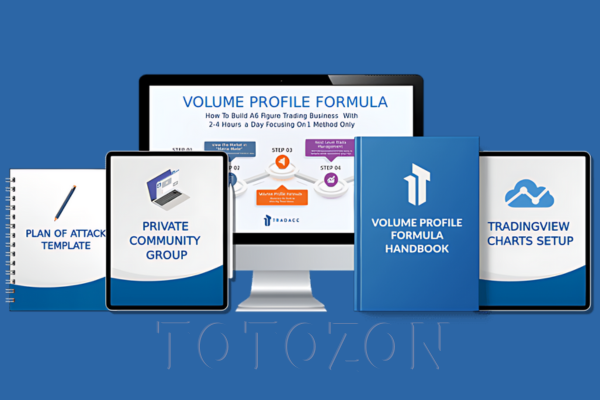 Volume Profile Formula with Aaron Korbs
1 × $5.00
Volume Profile Formula with Aaron Korbs
1 × $5.00 -
×
 The Orderflows Trade Opportunities Encyclopedia with Michael Valtos
1 × $8.00
The Orderflows Trade Opportunities Encyclopedia with Michael Valtos
1 × $8.00 -
×
 Home Run Options Trading Course with Dave Aquino - Base Camp Trading
1 × $11.00
Home Run Options Trading Course with Dave Aquino - Base Camp Trading
1 × $11.00 -
×
 Advanced Options Concepts - Probability, Greeks, Simulation
1 × $6.00
Advanced Options Concepts - Probability, Greeks, Simulation
1 × $6.00 -
×
 Order flow self-study training program with iMFtracker
1 × $10.00
Order flow self-study training program with iMFtracker
1 × $10.00 -
×
 The Trading Blueprint with Brad Goh - The Trading Geek
1 × $5.00
The Trading Blueprint with Brad Goh - The Trading Geek
1 × $5.00 -
×
 0 DTE Options Trading Workshop with Aeromir Corporation
1 × $15.00
0 DTE Options Trading Workshop with Aeromir Corporation
1 × $15.00 -
×
 Butterfly and Condor Workshop with Aeromir
1 × $15.00
Butterfly and Condor Workshop with Aeromir
1 × $15.00 -
×
 Algo Trading Masterclass with Ali Casey - StatOasis
1 × $23.00
Algo Trading Masterclass with Ali Casey - StatOasis
1 × $23.00 -
×
 The Indices Orderflow Masterclass with The Forex Scalpers
1 × $23.00
The Indices Orderflow Masterclass with The Forex Scalpers
1 × $23.00 -
×
 Deep Dive Butterfly Trading Strategy Class with SJG Trades
1 × $41.00
Deep Dive Butterfly Trading Strategy Class with SJG Trades
1 × $41.00 -
×
 6 (The Proper BackGround)
1 × $6.00
6 (The Proper BackGround)
1 × $6.00 -
×
 Scalp Strategy and Flipping Small Accounts with Opes Trading Group
1 × $5.00
Scalp Strategy and Flipping Small Accounts with Opes Trading Group
1 × $5.00 -
×
 Yield Farming MasterClass Course (2022) with Boss Financial
1 × $5.00
Yield Farming MasterClass Course (2022) with Boss Financial
1 × $5.00 -
×
 Ultimate Trading Course with Dodgy's Dungeon
1 × $8.00
Ultimate Trading Course with Dodgy's Dungeon
1 × $8.00 -
×
 Traders Workshop – Forex Full Course with Jason Stapleton
1 × $6.00
Traders Workshop – Forex Full Course with Jason Stapleton
1 × $6.00 -
×
 Quantamentals - The Next Great Forefront Of Trading and Investing with Trading Markets
1 × $8.00
Quantamentals - The Next Great Forefront Of Trading and Investing with Trading Markets
1 × $8.00 -
×
 TRADING NFX Course with Andrew NFX
1 × $5.00
TRADING NFX Course with Andrew NFX
1 × $5.00 -
×
 Value Investing Today with Charles Brandes
1 × $6.00
Value Investing Today with Charles Brandes
1 × $6.00 -
×
 A Comparison of Twelve Technical Trading Systems with Louis Lukac
1 × $6.00
A Comparison of Twelve Technical Trading Systems with Louis Lukac
1 × $6.00 -
×
 Catching the Bounce
1 × $6.00
Catching the Bounce
1 × $6.00 -
×
 Ultimate Option Strategy Guide
1 × $31.00
Ultimate Option Strategy Guide
1 × $31.00 -
×
 AstroScan Regulus 4.1E newastro.net
1 × $6.00
AstroScan Regulus 4.1E newastro.net
1 × $6.00 -
×
 60 Seconds Sure Shot Strategy with Albert E
1 × $6.00
60 Seconds Sure Shot Strategy with Albert E
1 × $6.00 -
×
 Wealth Management with Dimitris Chorafas
1 × $6.00
Wealth Management with Dimitris Chorafas
1 × $6.00 -
×
 Options Trading & Ultimate MasterClass With Tyrone Abela - FX Evolution
1 × $54.00
Options Trading & Ultimate MasterClass With Tyrone Abela - FX Evolution
1 × $54.00 -
×
 The Complete Guide to Multiple Time Frame Analysis & Reading Price Action with Aiman Almansoori
1 × $13.00
The Complete Guide to Multiple Time Frame Analysis & Reading Price Action with Aiman Almansoori
1 × $13.00 -
×
 Essentials in Quantitative Trading QT01 By HangukQuant's
1 × $23.00
Essentials in Quantitative Trading QT01 By HangukQuant's
1 × $23.00
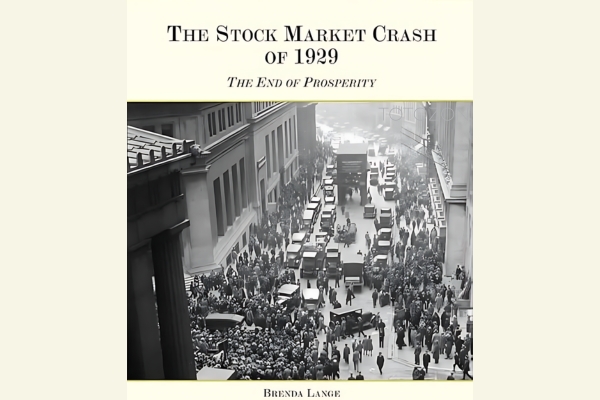
The Stock Market Crash of 1929 The End of Prosperity with Brenda Lange
$6.00
File Size: Coming soon!
Delivery Time: 1–12 hours
Media Type: Online Course
Content Proof: Watch Here!
You may check content proof of “The Stock Market Crash of 1929 The End of Prosperity with Brenda Lange ” below:

The Stock Market Crash of 1929: The End of Prosperity with Brenda Lange
Introduction
The Stock Market Crash of 1929 marks one of the most pivotal moments in financial history, heralding the onset of the Great Depression. Brenda Lange’s insightful analysis helps us understand the depth and consequences of this catastrophic event.
The Prelude to the Crash
A Decade of Prosperity
The 1920s, often referred to as the “Roaring Twenties,” was a period of vibrant economic growth and widespread prosperity in the United States.
The Rise of Stock Speculation
An era marked by a remarkable increase in stock market investment, often fueled by excessive speculation and margin buying.
Black Thursday: The Beginning of the Crash
October 24, 1929
The day the stock market took a dramatic plunge, setting off a chain of panic and selling.
Initial Impact
Millions of shares were sold in a frenzy, causing a massive decline in stock prices.
The Critical Days Following Black Thursday
Black Monday and Black Tuesday
October 28 and 29 saw further steep declines in the stock market, wiping out billions of dollars in market value.
Public Panic
The rapid decline led to widespread panic among investors and the general public alike.
Economic Ripple Effects
Bank Failures
The crash led to a crisis in the banking sector, with numerous banks closing their doors as a result of the financial strain.
Unemployment Surge
As companies bankrupted or cut costs, unemployment rates soared, exacerbating the economic downturn.
Government Response
Immediate Measures
Initial governmental responses were limited, as there was little precedent for such an economic crisis.
The Long-term Reforms
The crash eventually led to significant financial reforms, including the creation of the Securities and Exchange Commission (SEC) to regulate the stock market.
Social Consequences
Loss of Consumer Confidence
The crash severely damaged consumer confidence, which took years to rebuild.
Changes in American Lifestyle
Many American families had to alter their lifestyles drastically, often adopting more frugal habits.
Analyzing the Causes
Overvaluation of Stocks
A critical look at how stocks were highly overvalued relative to their actual earnings and potential.
Lack of Regulations
The absence of stringent financial regulations allowed for rampant speculation and risky investment practices.
Lessons Learned
The Importance of Oversight
The crash underscored the need for more robust financial regulations to prevent future economic disasters.
Economic Warning Signs
Understanding the indicators that can signal an over-heated economy or financial market.
Modern Implications
Comparisons with Recent Financial Crises
Drawing parallels between the 1929 crash and more recent financial crises, exploring what lessons remain relevant today.
The Role of Technology in Modern Markets
How technological advancements have transformed trading and regulatory practices.
Conclusion
The Stock Market Crash of 1929, as analyzed by Brenda Lange, was not just a financial crisis but a transformative event that reshaped U.S. economic policy and the financial landscape. By studying this historical episode, we gain valuable insights into the dynamics of market economies and the critical importance of financial regulation.
Frequently Asked Questions
- What exactly triggered the Stock Market Crash of 1929?
- The crash was primarily triggered by rampant speculation, excessive stock market leverage, and eventually, mass panic among investors.
- How long did the market take to recover from the 1929 crash?
- It took over 25 years for the stock market to regain the levels seen before the crash.
- Could the 1929 crash have been prevented?
- Potentially, with stricter financial regulations and better oversight of stock market practices, the severity of the crash could have been mitigated.
- What were the major economic lessons learned from the 1929 crash?
- Major lessons include the importance of regulatory oversight, the dangers of speculative bubbles, and the need for government intervention in times of economic crisis.
- How did the 1929 crash affect ordinary people?
- Many lost their life savings, jobs, and homes, which contributed to widespread economic hardship during the Great Depression.
Be the first to review “The Stock Market Crash of 1929 The End of Prosperity with Brenda Lange”
You must be logged in to post a review.
Related products
Original price was: $450.00.$23.00Current price is: $23.00.
Forex Trading
Quantamentals – The Next Great Forefront Of Trading and Investing with Trading Markets
Original price was: $1,495.00.$8.00Current price is: $8.00.

Forex Trading
Original price was: $4,997.00.$27.00Current price is: $27.00.

Original price was: $1,849.00.$15.00Current price is: $15.00.

Forex Trading
Original price was: $1,098.00.$39.00Current price is: $39.00.
Forex Trading
Original price was: $999.00.$15.00Current price is: $15.00.
Forex Trading
Original price was: $697.00.$5.00Current price is: $5.00.

Original price was: $799.00.$15.00Current price is: $15.00.
Forex Trading
Original price was: $850.00.$23.00Current price is: $23.00.
Original price was: $695.00.$41.00Current price is: $41.00.

Original price was: $4,995.00.$15.00Current price is: $15.00.

Original price was: $139.00.$23.00Current price is: $23.00.

Original price was: $2,120.00.$15.00Current price is: $15.00.

Original price was: $649.00.$20.00Current price is: $20.00.
Original price was: $497.00.$11.00Current price is: $11.00.
Forex Trading
Original price was: $1,898.00.$10.00Current price is: $10.00.

Forex Trading
Original price was: $249.00.$15.00Current price is: $15.00.

Original price was: $895.00.$15.00Current price is: $15.00.

Original price was: $997.00.$13.00Current price is: $13.00.

Original price was: $1,200.00.$23.00Current price is: $23.00.

Reviews
There are no reviews yet.