
-
×
 XJO Quant - High Probability Trading Setups on ASX 200 Index
1 × $31.00
XJO Quant - High Probability Trading Setups on ASX 200 Index
1 × $31.00 -
×
 Forex Trading using Intermarket Analysis with Louis Mendelsohn
1 × $6.00
Forex Trading using Intermarket Analysis with Louis Mendelsohn
1 × $6.00 -
×
 Chart Your Way to Profits (2nd Ed.) with Tim Knight
1 × $6.00
Chart Your Way to Profits (2nd Ed.) with Tim Knight
1 × $6.00 -
×
 Original Charting 1936 with W.D.Gann
1 × $6.00
Original Charting 1936 with W.D.Gann
1 × $6.00 -
×
 Order flow self-study training program with iMFtracker
1 × $10.00
Order flow self-study training program with iMFtracker
1 × $10.00 -
×
 ETFs for the Long Run: What They Are, How They Work, and Simple Strategies for Successful Long-Term Investing - Lawrence Carrel
1 × $6.00
ETFs for the Long Run: What They Are, How They Work, and Simple Strategies for Successful Long-Term Investing - Lawrence Carrel
1 × $6.00 -
×
 Long-Term Memory in the Stock Market Prices (Article) with Andrew W.Lo
1 × $6.00
Long-Term Memory in the Stock Market Prices (Article) with Andrew W.Lo
1 × $6.00 -
×
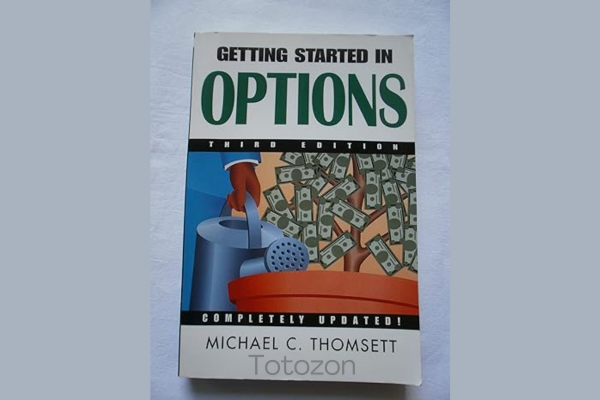 Getting Started in Options (3rd Ed.) with Michael Thomsett
1 × $6.00
Getting Started in Options (3rd Ed.) with Michael Thomsett
1 × $6.00 -
×
 Toolkit For Thinkorswim with Bigtrends
1 × $54.00
Toolkit For Thinkorswim with Bigtrends
1 × $54.00 -
×
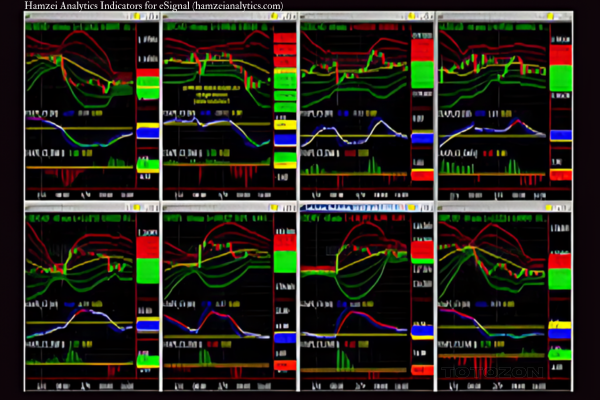 Hamzei Analytics Indicators for eSignal (hamzeianalytics.com)
1 × $6.00
Hamzei Analytics Indicators for eSignal (hamzeianalytics.com)
1 × $6.00 -
×
 Stock Patterns for DayTrading. Home Study Course
1 × $6.00
Stock Patterns for DayTrading. Home Study Course
1 × $6.00 -
×
 Day Trading For A Living
1 × $31.00
Day Trading For A Living
1 × $31.00 -
×
 The Four Biggest Mistakes in Futures Trading (1st Edition) with Jay Kaeppel
1 × $6.00
The Four Biggest Mistakes in Futures Trading (1st Edition) with Jay Kaeppel
1 × $6.00 -
×
 The Naked Eye: Raw Data Analytics with Edgar Torres - Raw Data Analytics
1 × $8.00
The Naked Eye: Raw Data Analytics with Edgar Torres - Raw Data Analytics
1 × $8.00 -
×
 Breakout Trading Systems with Chris Tate
1 × $6.00
Breakout Trading Systems with Chris Tate
1 × $6.00 -
×
 Manage By The Greeks 2016 with Dan Sheridan
1 × $23.00
Manage By The Greeks 2016 with Dan Sheridan
1 × $23.00 -
×
 Matrix Spread Options Trading Course with Base Camp Trading
1 × $31.00
Matrix Spread Options Trading Course with Base Camp Trading
1 × $31.00 -
×
 The Trading Blueprint with Brad Goh - The Trading Geek
1 × $5.00
The Trading Blueprint with Brad Goh - The Trading Geek
1 × $5.00 -
×
 Lazy Gap Trader Course with David Frost
1 × $6.00
Lazy Gap Trader Course with David Frost
1 × $6.00 -
×
 Forex Mentor - FX Winning Strategies
1 × $15.00
Forex Mentor - FX Winning Strategies
1 × $15.00 -
×
 I3T3 Complete Course with All Modules
1 × $10.00
I3T3 Complete Course with All Modules
1 × $10.00 -
×
 Astrology At Work & Others
1 × $6.00
Astrology At Work & Others
1 × $6.00 -
×
 Management Consultancy & Banking in a Era of Globalization
1 × $6.00
Management Consultancy & Banking in a Era of Globalization
1 × $6.00 -
×
 How To Read The Market Professionally with TradeSmart
1 × $27.00
How To Read The Market Professionally with TradeSmart
1 × $27.00 -
×
 Options Trading & Ultimate MasterClass With Tyrone Abela - FX Evolution
1 × $54.00
Options Trading & Ultimate MasterClass With Tyrone Abela - FX Evolution
1 × $54.00 -
×
 Trading The Curran 3-Line Break Method A Professional Strategy For Daytrading The Eminis By Chris Curran
1 × $4.00
Trading The Curran 3-Line Break Method A Professional Strategy For Daytrading The Eminis By Chris Curran
1 × $4.00 -
×
 Japenese Candlesticks Charting, Analysis & Trading with Irwin Porter
1 × $6.00
Japenese Candlesticks Charting, Analysis & Trading with Irwin Porter
1 × $6.00 -
×
 www Trading System Ezine with Alex Krzhechevsky
1 × $6.00
www Trading System Ezine with Alex Krzhechevsky
1 × $6.00 -
×
 Intermediate Options Trading Course
1 × $39.00
Intermediate Options Trading Course
1 × $39.00 -
×
 Essentials in Quantitative Trading QT01 By HangukQuant's
1 × $23.00
Essentials in Quantitative Trading QT01 By HangukQuant's
1 × $23.00 -
×
 Forecast 2024 Clarification with Larry Williams
1 × $15.00
Forecast 2024 Clarification with Larry Williams
1 × $15.00 -
×
 GMB Master Academy
1 × $31.00
GMB Master Academy
1 × $31.00 -
×
 Boiler Room Trading
1 × $15.00
Boiler Room Trading
1 × $15.00 -
×
 Trendfund.com - Scalping, Options, Advanced Options
1 × $4.00
Trendfund.com - Scalping, Options, Advanced Options
1 × $4.00 -
×
 Scalping is Fun Course with Peter Devaere
1 × $109.00
Scalping is Fun Course with Peter Devaere
1 × $109.00 -
×
 Forex Options Trading
1 × $6.00
Forex Options Trading
1 × $6.00 -
×
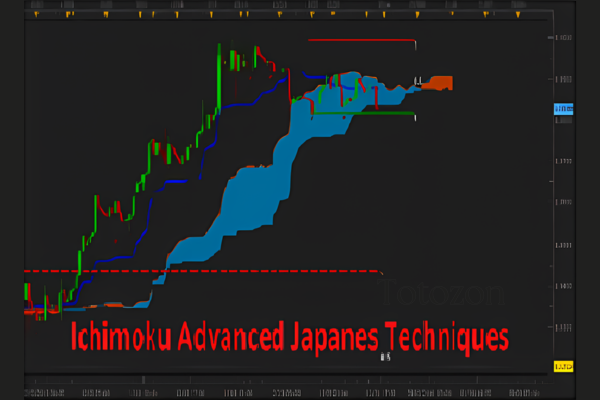 FX At One Glance - Ichimoku Advanced Japanese Techniques
1 × $15.00
FX At One Glance - Ichimoku Advanced Japanese Techniques
1 × $15.00 -
×
 Forex Supreme Course with Ethan Wilson
1 × $6.00
Forex Supreme Course with Ethan Wilson
1 × $6.00 -
×
 Trading System Development 101,102,103
1 × $6.00
Trading System Development 101,102,103
1 × $6.00 -
×
 Market Makers Method Forex Trading with Nick Nechanicky
1 × $5.00
Market Makers Method Forex Trading with Nick Nechanicky
1 × $5.00 -
×
 WondaFX Signature Strategy with WondaFX
1 × $5.00
WondaFX Signature Strategy with WondaFX
1 × $5.00
The 13-Week Cash Flow Model
Original price was: $175.00.$15.00Current price is: $15.00.
File Size: Coming soon!
Delivery Time: 1–12 hours
Media Type: Online Course
The 13-Week Cash Flow Model: Master Your Finances
Introduction
Welcome to our comprehensive guide on the 13-Week Cash Flow Model, a powerful tool for managing and forecasting your business finances. This article will walk you through the fundamentals of the model, provide detailed strategies for implementation, and explain how it can transform your financial planning process. Whether you’re a small business owner or a financial manager, this guide aims to enhance your cash flow management skills and boost your financial stability.
What is the 13-Week Cash Flow Model?
Overview of the 13-Week Cash Flow Model
The 13-Week Cash Flow Model is a short-term financial forecasting tool that helps businesses manage their cash flow by projecting cash inflows and outflows over a 13-week period. This model provides a clear picture of a company’s liquidity, helping to anticipate cash shortfalls and surpluses.
Key Principles
- Short-Term Focus: Emphasizes immediate cash management.
- Detailed Projections: Tracks every cash inflow and outflow.
- Proactive Planning: Helps in making informed financial decisions.
Why Use the 13-Week Cash Flow Model?
Improved Cash Management
The model allows businesses to monitor their cash flow closely, ensuring they have enough liquidity to cover short-term obligations.
Enhanced Decision Making
By providing a detailed view of future cash positions, the model supports better financial planning and decision-making.
Risk Mitigation
Identifying potential cash shortfalls early helps businesses take corrective actions to mitigate financial risks.
Setting Up the 13-Week Cash Flow Model
Step 1: Gather Financial Data
Historical Data
Collect historical financial data, including past cash inflows and outflows, to establish a baseline for projections.
Forecasting Assumptions
Make assumptions about future cash flows based on historical trends, market conditions, and business plans.
Step 2: Create a Cash Flow Template
Components of the Template
- Opening Cash Balance: The starting cash balance at the beginning of each week.
- Cash Inflows: Projected cash receipts from sales, loans, investments, etc.
- Cash Outflows: Expected cash payments for expenses, salaries, taxes, etc.
- Closing Cash Balance: The ending cash balance at the end of each week.
Step 3: Input Data into the Template
Cash Inflows
Record all expected cash receipts for each week, including customer payments, loans, and other income sources.
Cash Outflows
List all anticipated cash payments, such as supplier payments, payroll, rent, and utilities.
Step 4: Review and Adjust
Regular Review
Review the cash flow projections regularly to ensure they remain accurate and up-to-date.
Adjustments
Make necessary adjustments based on actual cash flows and changing business conditions.
Key Components of the 13-Week Cash Flow Model
Opening Cash Balance
This is the cash available at the start of each week, carried over from the previous week’s closing balance.
Cash Inflows
Sales Receipts
Revenue from sales, including accounts receivable collections.
Loans and Investments
Cash received from loans, investments, and other financing activities.
Cash Outflows
Operating Expenses
Regular business expenses, such as salaries, rent, and utilities.
Capital Expenditures
Payments for capital investments, such as equipment purchases and property improvements.
Closing Cash Balance
The remaining cash at the end of each week, calculated by adding cash inflows to the opening balance and subtracting cash outflows.
Implementing the 13-Week Cash Flow Model
Using Spreadsheets
Excel or Google Sheets
Create the cash flow model using spreadsheet software like Excel or Google Sheets for ease of use and flexibility.
Cash Flow Software
Dedicated Software Solutions
Consider using specialized cash flow management software for more advanced features and automation.
Regular Monitoring and Updates
Weekly Reviews
Conduct weekly reviews of the cash flow model to ensure accuracy and make adjustments as needed.
Advanced Techniques
Scenario Planning
Best Case/Worst Case Scenarios
Prepare for various financial scenarios by creating best-case and worst-case cash flow projections.
Sensitivity Analysis
Impact of Variables
Analyze how changes in key variables, such as sales volume or expense levels, affect cash flow.
Integrating with Budgeting
Aligning with Budgets
Ensure your 13-week cash flow model aligns with your overall budgeting process for comprehensive financial planning.
Benefits of the 13-Week Cash Flow Model
Improved Liquidity Management
Maintain optimal liquidity levels by anticipating cash needs and surpluses.
Enhanced Financial Control
Gain better control over your finances through detailed tracking and forecasting.
Informed Strategic Planning
Use cash flow insights to support strategic business decisions and growth initiatives.
Case Studies and Examples
Small Business Success Story
Case Study: ABC Manufacturing
ABC Manufacturing used the 13-Week Cash Flow Model to navigate a challenging economic period, improving their cash management and stabilizing their finances.
Practical Example
Example Projection
A sample 13-week cash flow projection for a retail business, demonstrating how to track inflows, outflows, and manage liquidity.
Common Challenges and Solutions
Data Accuracy
Challenge
Ensuring the accuracy of cash flow data can be difficult.
Solution
Implement robust data collection and verification processes to enhance accuracy.
Unforeseen Expenses
Challenge
Unexpected expenses can disrupt cash flow projections.
Solution
Maintain a contingency fund to cover unforeseen expenses and regularly update projections.
Conclusion
The 13-Week Cash Flow Model is an essential tool for managing and forecasting short-term cash flows. By providing detailed insights into your financial position, it enables better decision-making and risk management. Implementing this model can significantly improve your financial planning and stability, helping you navigate both opportunities and challenges with confidence.
Frequently Asked Questions:
- Business Model Innovation:
Embrace our legitimate business model! We organize group buys, allowing participants to share costs for popular courses, making them accessible to those with limited financial resources. Our approach ensures affordability and accessibility, despite author concerns.
2. The Legal Environment:
The legality of our activity is uncertain. While we lack specific permission from course authors, there’s a technicality: authors didn’t impose resale limits upon course purchase. This presents both an opportunity for us and a benefit for individuals seeking low-cost access.
3. Quality Control:
Unveiling the Truth
Quality is paramount. Purchasing courses directly from sales pages ensures consistency with traditionally obtained materials. However, we’re not official course providers and don’t offer premium services:
- No scheduled coaching calls or sessions with the author.
- No access to the author’s private Facebook group or web portal.
- No entry to the author’s private membership forum.
- Direct email support from the author or their team is unavailable.
Operating independently, we aim to bridge the pricing gap without additional services provided by official channels. Your understanding of our unique approach is valued.
Be the first to review “The 13-Week Cash Flow Model”
You must be logged in to post a review.
Related products
Original price was: $497.00.$31.00Current price is: $31.00.

Original price was: $310.00.$23.00Current price is: $23.00.

Forex Trading
Original price was: $2,995.00.$31.00Current price is: $31.00.

Original price was: $4,995.00.$15.00Current price is: $15.00.

Forex Trading
Original price was: $1,098.00.$39.00Current price is: $39.00.

Forex Trading
Original price was: $125.00.$17.00Current price is: $17.00.

Forex Trading
Original price was: $2,000.00.$23.00Current price is: $23.00.

Original price was: $700.00.$39.00Current price is: $39.00.

Original price was: $997.00.$13.00Current price is: $13.00.
Forex Trading
Original price was: $550.00.$5.00Current price is: $5.00.
Original price was: $1,800.00.$54.00Current price is: $54.00.

Original price was: $649.00.$20.00Current price is: $20.00.

Original price was: $450.00.$23.00Current price is: $23.00.

Forex Trading
Original price was: $397.00.$31.00Current price is: $31.00.

Forex Trading
Original price was: $2,997.00.$23.00Current price is: $23.00.

Forex Trading
Quantamentals – The Next Great Forefront Of Trading and Investing with Trading Markets
Original price was: $1,495.00.$8.00Current price is: $8.00.

Original price was: $497.00.$11.00Current price is: $11.00.

Original price was: $895.00.$15.00Current price is: $15.00.

Original price was: $695.00.$41.00Current price is: $41.00.

Forex Trading
The Complete Guide to Multiple Time Frame Analysis & Reading Price Action with Aiman Almansoori
Original price was: $1,399.00.$13.00Current price is: $13.00.
Reviews
There are no reviews yet.